
CBD for Infections
In our daily lives, we’re constantly battling an invisible enemy: infections. From the common cold to more serious conditions, infections can throw a wrench in our plans and leave us feeling miserable. But what if there was a natural ally in this fight? Enter CBD, the compound that’s been making waves in the wellness world. In this article, we’ll explore how CBD might help with infections, delve into the most common infections that plague us, and look at which products from The Real CBD range could be your best bet for tackling these pesky invaders.
Estimated reading time: 15 Minuten
- Understanding Infections: The Uninvited Guests
- CBD: A Natural Warrior Against Infections?
- What is the difference between infection and inflammation?
- The Science Behind CBD and Immune Function
- The Real CBD Product Range for Infections
- How to Use CBD for Infection Management
- Combining CBD with Traditional Treatments
- The Future of CBD in Infection Treatment
- Conclusion: A Natural Path to Wellness
- FAQs
- The Real CBD for infection
Understanding Infections: The Uninvited Guests

Imagine your body as a fortress, constantly under siege by microscopic invaders. These unwelcome guests are what we call infections. But what exactly are they? Infections occur when harmful organisms, such as bacteria, viruses, fungi, or parasites, enter our bodies and start multiplying. It’s like having a party crasher who not only shows up uninvited but also starts redecorating your home without permission.
Our immune system, the vigilant guard of our bodily fortress, works tirelessly to fend off these intruders. Sometimes, however, these microscopic menaces slip through our defenses, leading to various symptoms and health issues. That’s when we start to feel the effects of an infection.
The Impact of Infections on Our Daily Lives
Have you ever had to cancel plans because of a nasty cold? Or struggled to focus at work due to a persistent cough? If so, you’re not alone. Infections can throw a significant curveball in our daily routines, affecting everything from our productivity to our social lives.
Here’s how infections can impact our day-to-day existence:
- Physical discomfort: From aches and pains to fever and fatigue, infections can make us feel downright miserable.
- Reduced productivity: When you’re fighting off an infection, your energy levels plummet, making it challenging to stay on top of work or household tasks.
- Social isolation: Nobody wants to be the person spreading germs, so infections often lead to self-imposed quarantine.
- Mental health effects: Chronic or recurring infections can take a toll on our mental well-being, leading to stress, anxiety, and even depression.
- Financial burden: Medical treatments, time off work, and over-the-counter remedies can all add up, putting a strain on our wallets.
It’s clear that infections are more than just a minor inconvenience. They can significantly disrupt our lives, which is why finding effective ways to manage and prevent them is crucial.
Common Infections: Know Your Enemy
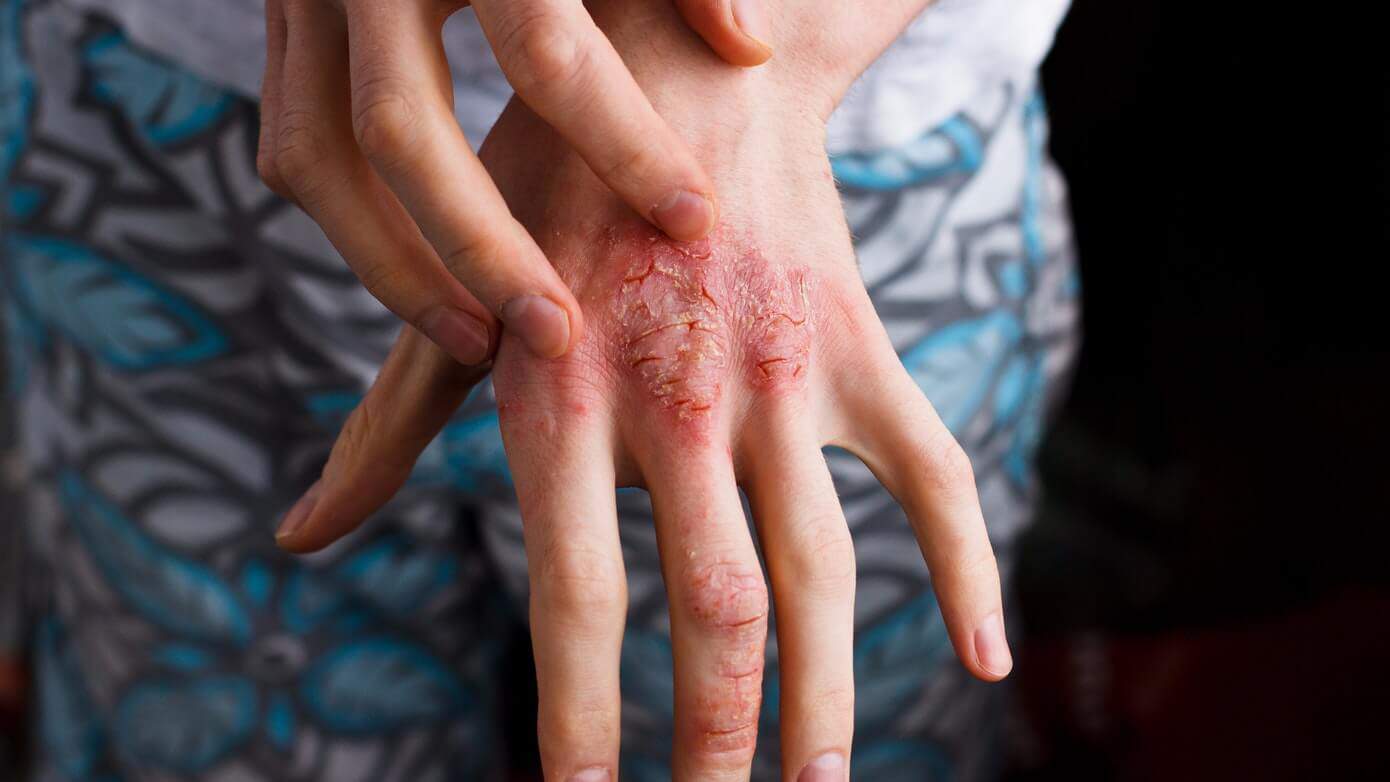
Knowledge is power, especially when it comes to health. Let’s take a closer look at some of the most common infections that we encounter in our daily lives:
- Common Cold: The quintessential viral infection, causing runny noses, sore throats, and general malaise.
- Influenza (Flu): A more severe respiratory infection that can lead to high fever, body aches, and extreme fatigue.
- Urinary Tract Infections (UTIs): Bacterial infections affecting the urinary system, causing painful urination and frequent urges to use the bathroom.
- Skin Infections: These can range from minor issues like athlete’s foot to more serious conditions like cellulitis.
- Strep Throat: A bacterial infection causing severe sore throat, often accompanied by fever and swollen lymph nodes.
- Pneumonia: An infection that inflames the air sacs in one or both lungs, which may fill with fluid.
- Gastroenteritis: Often called “stomach flu,” this infection can cause vomiting, diarrhea, and abdominal pain.
- Ear Infections: Common in children but can affect adults too, causing ear pain and sometimes fever.
- Sinus Infections: Inflammation or swelling of the tissue lining your sinuses, often following a cold or allergies.
- Costochondritis: While not an infection per se, this inflammation of the cartilage connecting ribs to the breastbone can mimic infection symptoms and is often treated similarly.
Understanding these common infections helps us recognize symptoms early and seek appropriate treatment. But what if there was a natural way to support our body’s defence against these invaders? This brings us to our next topic: CBD and its potential role in managing infections.
CBD: A Natural Warrior Against Infections?
In recent years, CBD has emerged as a potential ally in our fight against various health issues, including infections. But can this natural compound really help? Let’s dive into the science behind CBD and its interaction with our immune system.
CBD, short for cannabidiol, is a compound found in the cannabis plant. Unlike its cousin THC, CBD doesn’t produce a “high” but has been associated with various potential health benefits. One of the most intriguing aspects of CBD is its interaction with our body’s endocannabinoid system (ECS), a complex network of receptors that plays a role in regulating various bodily functions, including immune response.
What is the difference between infection and inflammation?
While infection and inflammation are related concepts, they are distinct processes in the body. Here’s an explanation of the key differences:
Infection:
- Caused by pathogens like bacteria, viruses, fungi, or parasites entering the body
- Involves the invasion and multiplication of harmful microorganisms
- Can trigger inflammation as part of the body’s immune response
- Often requires specific treatments like antibiotics (for bacterial infections)
Inflammation:

- The body’s natural response to injury, irritation, or infection
- Can occur with or without an infection present
- Characterized by redness, swelling, heat, and pain in affected areas
- Helps the body fight pathogens and begin the healing process
- Can be acute (short-term) or chronic (long-lasting)
Key distinctions: Infection vs. inflammation
- Cause: Infections are caused by pathogens, while inflammation is the body’s response to various stimuli, including but not limited to infections.
- Presence of microorganisms: Infections involve harmful microorganisms, while inflammation can occur without any pathogens present (e.g., in response to an injury).
- Treatment approach: Infections often require targeted treatments to eliminate the pathogen, while managing inflammation may focus on reducing symptoms and supporting the body’s natural processes.
- Duration: Infections typically resolve once the pathogen is eliminated, while inflammation can be acute or chronic depending on the underlying cause.
- Occurrence: Not all infections cause noticeable inflammation, and not all inflammation is caused by infection.
Understanding these differences is important for proper diagnosis and treatment of various health conditions. While they often occur together, addressing the root cause (infection or other triggers) is crucial for effective management of both infection and inflammation.
The Science Behind CBD and Immune Function

Research into CBD’s effects on the immune system is still in its early stages, but initial findings are promising. Here’s what we know so far:
- Anti-inflammatory properties: CBD has shown potential in reducing inflammation, a key component of many infections and related conditions.
- Immune modulation: Some studies suggest that CBD may help balance the immune system, potentially enhancing its ability to fight off infections.
- Stress reduction: By helping to manage stress, CBD may indirectly support immune function, as chronic stress can weaken our body’s defenses.
- Pain management: For infections that cause pain, such as costochondritis, CBD’s analgesic properties may offer relief.
While these findings are encouraging, it’s important to note that more research is needed to fully understand CBD’s role in infection management. Always consult with a healthcare professional before using CBD for any medical condition.
CBD Oil for Costochondritis: A Closer Look
Now, let’s zoom in on a specific condition that’s been gaining attention in the CBD community: costochondritis. While not an infection itself, costochondritis shares many symptoms with chest infections and can be equally disruptive to daily life.
Costochondritis is an inflammation of the cartilage connecting your ribs to your breastbone. It causes chest pain that can be mistaken for a heart attack or lung infection. This condition can be triggered by various factors, including infections, physical strain, or arthritis.
So, how might CBD oil help with costochondritis? Here are a few potential benefits:
- Pain relief: CBD’s analgesic properties may help reduce the chest pain associated with costochondritis.
- Inflammation reduction: As an anti-inflammatory agent, CBD might help decrease the inflammation in the cartilage.
- Muscle relaxation: CBD may help relax the surrounding muscles, potentially easing tension and discomfort.
- Stress reduction: By helping to manage stress and anxiety, CBD could indirectly support recovery from costochondritis.
While anecdotal evidence suggests that some people find relief using CBD oil for costochondritis, it’s crucial to remember that scientific research in this specific area is limited. Always consult with your doctor before using CBD, especially if you’re experiencing chest pain.
More about CBD
The Real CBD Product Range for Infections

When it comes to using CBD for infections or inflammation-related conditions like costochondritis, choosing the right product is crucial. The Real CBD offers a range of high-quality CBD products that might be beneficial. Here are some options to consider:
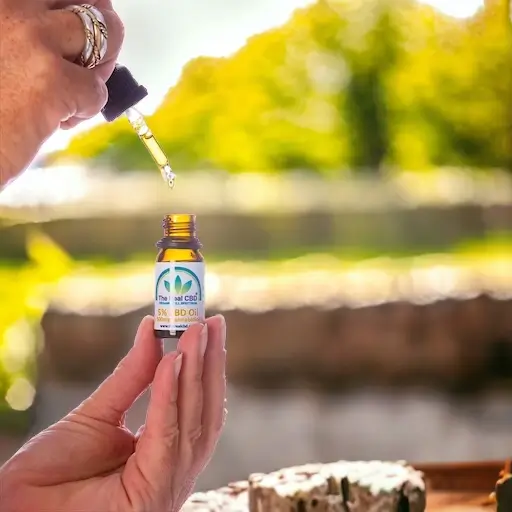
- CBD Oil Drops: These versatile products allow for precise dosing and quick absorption. The Real CBD’s full-spectrum CBD oils come in various strengths, making it easy to find the right potency for your needs.
- CBD Capsules: For those who prefer a pre-measured dose, capsules offer a convenient option. They’re easy to incorporate into your daily routine.
- CBD Topicals: Creams or balms infused with CBD can be applied directly to the affected area, potentially offering localized relief for conditions like costochondritis.
- CBD Vape Liquids: While not recommended for respiratory infections, vaping CBD might provide quick relief for some users dealing with pain or inflammation.
- CBD Edibles: Products like CBD gummies offer a tasty way to consume CBD, though they may take longer to take effect compared to oils or vapes.
When choosing a product, consider factors like the severity of your symptoms, your preferred method of consumption, and any advice from your healthcare provider. Remember, what works best can vary from person to person, so you might need to experiment to find your ideal CBD product and dosage.
How to Use CBD for Infection Management
If you’re considering using CBD to support your body during an infection or to manage inflammation, here are some tips to keep in mind:

- Start low and go slow: Begin with a low dose and gradually increase until you find the right amount for you.
- Be consistent: CBD may work best when used regularly over time.
- Choose quality products: Opt for CBD from reputable sources like The Real CBD, who provide third-party lab results.
- Consider the delivery method: For systemic effects, oils or capsules might be best. For localized relief, topicals could be more suitable.
- Keep a journal: Track your symptoms and CBD usage to help identify what works best for you.
- Combine with healthy habits: CBD works best as part of a holistic approach that includes a healthy diet, regular exercise, and good sleep habits.
Remember, while CBD may offer support, it’s not a replacement for medical treatment. Always consult with a healthcare professional, especially when dealing with infections.
Potential Side Effects and Precautions
While CBD is generally well-tolerated, it’s important to be aware of potential side effects and take necessary precautions:
- Common side effects: These may include dry mouth, drowsiness, and changes in appetite or weight.
- Drug interactions: CBD can interact with certain medications, so always check with your doctor if you’re on any prescriptions.
- Quality matters: Choose products from reputable sources to avoid contaminants or incorrect CBD content.
- Pregnancy and breastfeeding: The effects of CBD during pregnancy or while breastfeeding are not well-studied, so it’s best to avoid use during these times.
- Liver health: High doses of CBD may affect liver function, so those with liver issues should consult a doctor before use.
Combining CBD with Traditional Treatments
It’s important to view CBD as a complementary approach rather than a replacement for conventional treatments. Here’s how you might incorporate CBD into a comprehensive infection management plan:
- Consult your doctor: Always discuss adding CBD to your regimen with your healthcare provider.
- Follow prescribed treatments: Continue taking any prescribed antibiotics or other medications as directed.
- Use CBD as a supplement: CBD might help manage symptoms or side effects of traditional treatments.
- Monitor your response: Pay attention to how you feel and report any changes to your doctor.
- Adjust as needed: Your CBD usage may need to be adjusted based on your response and any changes in your condition or treatment plan.
The Future of CBD in Infection Treatment
As research into CBD continues to expand, we may see more targeted applications for infection management in the future. Some areas of ongoing study include:

- CBD’s potential to enhance the effectiveness of antibiotics
- The role of CBD in managing antibiotic-resistant infections
- CBD’s impact on the gut microbiome and its relation to overall immune health
While these areas show promise, it’s important to approach new findings with cautious optimism and always rely on peer-reviewed scientific research.
Recent studies
Recent studies have highlighted the potential of CBD in treating infections, particularly in its anti-inflammatory and antiviral capacities. Here are a few examples of recent research:
- CBD and SARS-CoV-2 (COVID-19): A study from the University of Chicago revealed that CBD could potentially inhibit the replication of the SARS-CoV-2 virus in human lung cells. In experiments with mice, CBD suppressed the infection in the lungs and nasal passages. Researchers are now pushing for clinical trials to explore CBD as a potential treatment for COVID-19, especially given its ability to block viral replication by activating stress responses in host cells.
- MDPI
- Chicago Medicine
- CBD’s Role in Immune Modulation: Research published in 2023 discussed how CBD affects innate immunity, with evidence showing that it reduces inflammation and cytokine production, which are key factors in inflammatory diseases and acute infections like SARS-CoV-2. Although clinical trials are still needed, the study found that CBD has promising effects in modulating the immune system to reduce inflammation
- Long COVID and Inflammation: There is also emerging research on CBD’s use in treating symptoms of Long COVID, primarily due to its anti-inflammatory properties. For example, CBD was shown to reduce lung fibrosis (a severe condition linked to COVID-19) in animal models, highlighting its potential to alleviate respiratory symptoms in Long COVID patients
- Exploration Pub

Conclusion: A Natural Path to Wellness
In our journey through the world of CBD and infections, we’ve explored how this natural compound might offer support in managing common ailments and inflammatory conditions like costochondritis. From its potential anti-inflammatory properties to its possible role in immune modulation, CBD presents an intriguing option for those seeking natural approaches to wellness.
However, it’s crucial to remember that while CBD shows promise, it’s not a miracle cure. It works best as part of a holistic approach to health that includes proper medical care, a balanced diet, regular exercise, and good sleep habits.
As we continue to learn more about CBD’s potential benefits, it’s exciting to think about how this natural compound might reshape our approach to managing infections and inflammatory conditions. Whether you’re dealing with a common cold, costochondritis, or any other infection-related issue, CBD might offer a natural complement to traditional treatments.
Always remember to consult with healthcare professionals, choose high-quality products like those offered by The Real CBD, and listen to your body as you explore the potential benefits of CBD for your health and wellness journey.
FAQs
CBD derived from hemp is legal in many countries, including the US. However, laws vary by region, so always check local regulations.
CBD is not a cure for infections. It may help manage symptoms or support overall wellness, but it should not replace proper medical treatment for infections.
The time it takes for CBD to take effect can vary depending on the individual and the method of consumption. Some people report feeling effects within 15-30 minutes when using CBD oil sublingually, while others might not notice changes for several days or weeks of consistent use.
While many people report benefits from using CBD oil for costochondritis, it’s important to consult with a healthcare provider before starting any new treatment, especially for chest pain.
CBD can interact with certain medications, including some antibiotics. Always consult with your doctor or pharmacist before combining CBD with any prescription medications.
The Real CBD for infection

I am a certified expert in Medicinal Cannabis. We are all about giving correct and trustworthy information. We know how important it is to learn about CBD and cannabis, which is why we want to be your go-to source for trustworthy information. We help you improve your health by using our knowledge and experience as a starting point.














Leave a Reply
Want to join the discussion?Feel free to contribute!