
Is CBD a Sustainable Health Product?
In recent years, CBD (cannabidiol) has surged in popularity, promising various health benefits, from reducing anxiety to alleviating pain. But as more people turn to this natural remedy, a critical question arises: Is CBD a sustainable health product? In this article, we’ll explore the environmental impact of CBD, the practices that contribute to sustainability, and what you should consider when choosing your products.
Estimated reading time: 7 Minuten
y
- Understanding CBD
- What does sustainable mean?
- How is growing CBD sustainable?
- Packaging: A Hidden Factor
- Sustainable CBD Brands to Consider
- The Future of Sustainable CBD
- How to Choose Sustainable CBD Products
- Myths about CBD Sustainability
- The Benefits of Sustainable CBD
- Conclusion
- FAQs
- The Real CBD Sustainable products
Understanding CBD
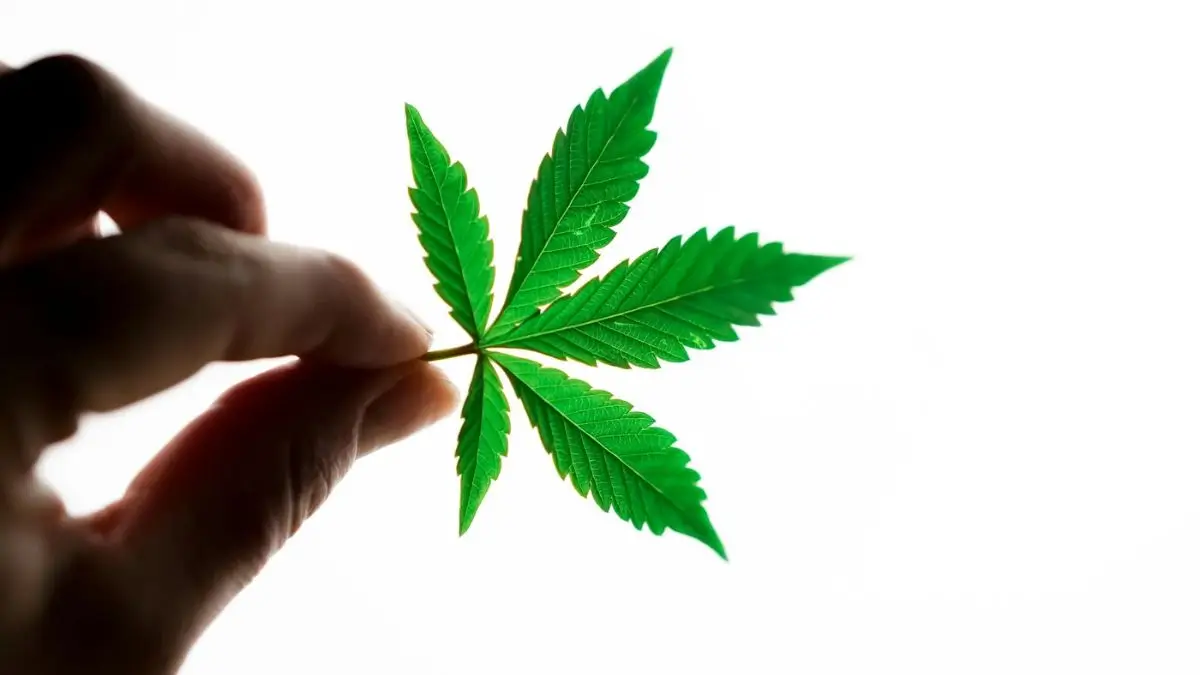
CBD is a compound derived from the hemp plant, often associated with numerous health benefits. Unlike THC, CBD does not produce psychoactive effects, making it an appealing option for those seeking relief without the high. However, as its popularity grows, so does the need for sustainable practices in its production and consumption.
What does sustainable mean?
“Sustainable” refers to practices or processes that meet present needs without compromising the ability of future generations to meet their own needs. It often relates to environmental, economic, and social factors. For example, sustainable agriculture aims to produce food in a way that protects ecosystems, supports local economies, and is socially responsible. Overall, it emphasizes balance and long-term health for both people and the planet.
The Environmental Impact of Cannabis
While cannabis cultivation has been touted for its therapeutic benefits, it can also have a significant environmental footprint. Traditional farming practices can lead to deforestation, pesticide use, and excessive water consumption. The impact varies widely depending on how the plant is grown, making it essential to look at sustainability when discussing CBD.
How is growing CBD sustainable?
Growing hemp is considered sustainable for several reasons:
- Low Resource Use: Hemp requires less water than many traditional crops and can thrive in various soil types, reducing the need for irrigation and extensive soil amendments.
- Soil Health: Hemp has deep roots that help prevent soil erosion and improve soil structure. It can also be used in crop rotation to replenish soil nutrients.
- Pest Resistance: Hemp is naturally resistant to many pests and diseases, which means it often requires fewer pesticides and herbicides, reducing chemical runoff and environmental impact.
- Carbon Sequestration: Hemp absorbs significant amounts of carbon dioxide as it grows, contributing to climate change mitigation.
- Versatility: The plant can be used for a wide range of products, including textiles, biodegradable plastics, paper, and building materials, promoting a circular economy.
- Biodiversity: Hemp farming can support biodiversity by providing habitats for various species and promoting a healthier ecosystem.
Overall, hemp’s efficient growth and wide range of applications make it a sustainable choice in agriculture.
Sustainable Farming Practices
Sustainable farming practices focus on minimizing environmental impact while maximizing crop yield. This includes:
- Organic Farming: Avoiding synthetic pesticides and fertilizers to promote biodiversity and soil health.
- Crop Rotation: Growing different crops in succession to maintain soil fertility.
- Water Conservation: Using techniques like drip irrigation to reduce water usage.
By choosing sustainably farmed CBD products, you support a healthier planet.
Extraction Methods and Sustainability
The method of extracting CBD from hemp can also affect sustainability. Common methods include:
- CO2 Extraction: This method uses carbon dioxide under high pressure to extract CBD, which is considered safe and environmentally friendly.
- Solvent Extraction: While effective, this method often involves harmful solvents that can be detrimental to the environment.
Opting for products that use sustainable extraction methods is vital for ensuring you choose sustainable CBD.
Packaging: A Hidden Factor

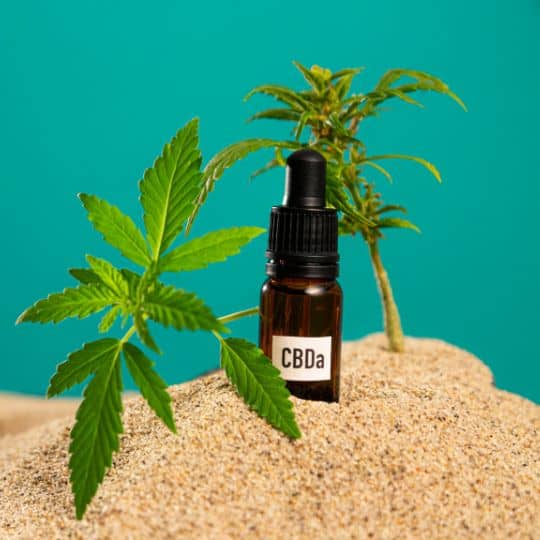
When considering sustainability, don’t overlook packaging. Many CBD products come in plastic containers that contribute to pollution and waste. Look for brands that use:
- Recyclable Materials: Containers made from glass or recycled materials.
- Minimal Packaging: Brands that reduce excess packaging help lessen their environmental impact.
Choosing products with eco-friendly packaging can significantly contribute to sustainability.
The Role of Regulation
Regulation plays a crucial role in ensuring the sustainability of CBD products. Stricter regulations can promote environmentally friendly practices among growers and manufacturers. Understanding local laws and certifications can help consumers make informed decisions about the sustainability of the products they choose.
Consumer Awareness and Education
Consumer awareness is key in promoting sustainable practices within the CBD industry. By educating yourself on the sourcing, farming practices, and extraction methods of CBD products, you can make better choices. Engaging in discussions and sharing information can help spread awareness about the importance of sustainability.
More about CBD
Sustainable CBD Brands to Consider
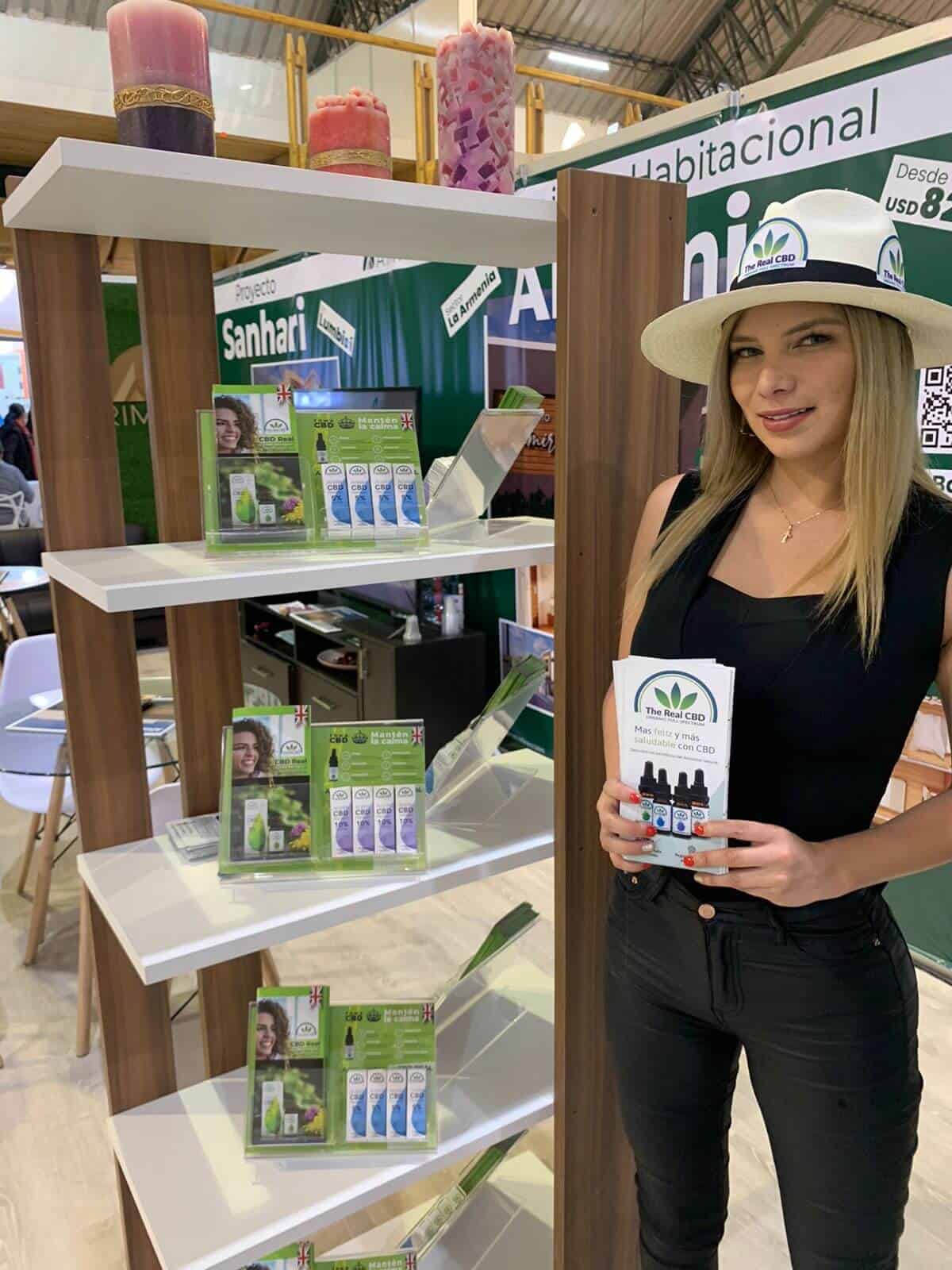
As the demand for sustainable options increases, many brands have stepped up to meet consumer expectations. Some brands prioritize sustainability in their production processes and packaging. Researching and supporting these companies not only benefits your health but also contributes to a healthier planet.
The Future of Sustainable CBD
The future of sustainable CBD looks promising. As more consumers demand transparency and eco-friendly practices, the industry is likely to adapt. Innovations in farming, extraction, and packaging will continue to evolve, creating a more sustainable future for CBD.
How to Choose Sustainable CBD Products
When selecting CBD products, consider the following tips:
- Research Brands: Look for companies that emphasize sustainability in their practices.
- Check Certifications: Look for organic and sustainability certifications.
- Read Reviews: Consumer feedback can provide insights into a brand’s commitment to sustainability.
- Evaluate Packaging: Choose products with minimal or eco-friendly packaging.
By being mindful of these factors, you can make informed choices.
Myths about CBD Sustainability
Several myths surround the sustainability of CBD:
- Myth 1: All CBD is bad for the environment.
Reality: Many brands practice sustainable farming and extraction. - Myth 2: Organic CBD is always more expensive.
Reality: While some organic options can be pricier, the range is widening. - Myth 3: Sustainability doesn’t affect product quality.
Reality: Sustainable practices often lead to higher quality products.
The Benefits of Sustainable CBD
Choosing sustainable CBD offers several benefits:
- Healthier Environment: Supporting eco-friendly practices helps protect ecosystems and biodiversity.
- Quality Products: Sustainable brands often focus on quality, leading to better health benefits.
- Consumer Empowerment: By choosing sustainable options, you play a role in promoting responsible business practices.
Conclusion
In conclusion, the sustainability of CBD as a health product depends on various factors, from farming and extraction methods to packaging and consumer awareness. By choosing sustainable brands and practices, you can support a healthier planet while enjoying the benefits of CBD. Remember, every choice you make counts, contributing to a more sustainable future for all.
FAQs

Sustainable CBD comes from environmentally friendly farming practices, responsible extraction methods, and eco-friendly packaging.
Look for brands that prioritize organic farming, have transparency in their sourcing, and offer eco-friendly packaging.
While organic farming is generally more sustainable, it’s essential to consider other factors, such as extraction methods and packaging.
Eco-friendly packaging reduces waste and pollution, contributing to a healthier environment.
Yes! By choosing sustainable brands and products, you actively support environmentally responsible practices in the CBD industry.
The Real CBD Sustainable products

I am a certified expert in Medicinal Cannabis. We are all about giving correct and trustworthy information. We know how important it is to learn about CBD and cannabis, which is why we want to be your go-to source for trustworthy information. We help you improve your health by using our knowledge and experience as a starting point.













Leave a Reply
Want to join the discussion?Feel free to contribute!