
CBD for Age-Related Discomfort
Estimated reading time: 10 Minuten
Key Takeaways
- As we age, discomforts like joint pain and sleep disturbances arise, making quality of life challenging.
- CBD for age-related discomfort offers a natural remedy by interacting with the endocannabinoid system to alleviate pain and improve sleep.
- Common age-related ailments include chronic pain, sleep disorders, anxiety, and cognitive decline, which CBD may help manage.
- Choosing high-quality CBD products is crucial; ensure they are third-party tested and fit your needs.
- Consult your doctor when using CBD, especially if you are on medications, to avoid interactions.
As we age, our bodies go through a series of changes, many of which bring about discomforts that can affect our quality of life. Seniors often face challenges like joint pain, sleep disturbances, and general aches that come with the wear and tear of aging. Could CBD be the natural solution to help ease these discomforts? Let’s dive into the details of how CBD for age-related discomfort works, its potential benefits, and what you need to know to use it safely.
- What is CBD?
- Why Seniors Experience Discomfort
- Common age-related ailments and how CBD can help
- How CBD Interacts with Medications
- Choosing the Right CBD Products for age-related discomfort
- The Real CBD’s Top Products for Seniors
- Conclusion
- Frequently Asked Questions – CBD for age-related discomfort
- The Real CBD for age-related discomfort
What is CBD?
Cannabidiol, or CBD, is a natural compound derived from the hemp plant. Unlike THC, the compound in cannabis that makes you feel “high,” CBD is non-psychoactive. Think of it as the calming counterpart that works with your body’s endocannabinoid system to promote balance and well-being.
Why Seniors Experience Discomfort
As the body ages, it naturally becomes less efficient at repairing itself. Cartilage wears down, bones weaken, and inflammation becomes more common. Think of your body as a car: the older it gets, the more maintenance it needs. Common age-related issues include joint pain, muscle stiffness, sleep troubles, and even cognitive decline.
The Science Behind CBD and Aging
CBD interacts with the endocannabinoid system (ECS), which regulates functions like pain, mood, and sleep. For seniors, this means CBD can help maintain balance and potentially reduce discomfort caused by aging. It’s like giving your body’s “control center” a gentle nudge to operate more efficiently.
More about CBD
Common age-related ailments and how CBD can help
Here’s a list of common age-related ailments and how CBD may help alleviate them:
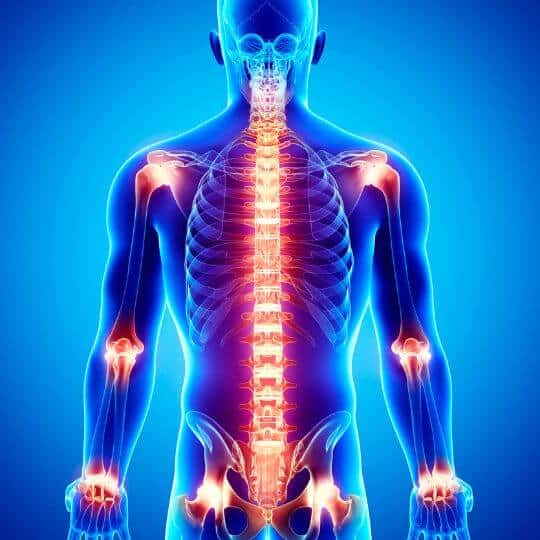
1. Chronic Pain (e.g., Arthritis and Joint Pain)
- Why It Happens: As we age, cartilage wears down, and inflammation in the joints can lead to conditions like osteoarthritis. This causes stiffness, swelling, and pain.
- How CBD Helps:
CBD has anti-inflammatory and pain-relieving properties that can help reduce joint inflammation and ease discomfort. Topical CBD creams or oils can be applied directly to affected areas, while oral CBD products can provide systemic relief.
2. Sleep Disorders (e.g., Insomnia)
- Why It Happens: Changes in sleep patterns, medical conditions, and medications can disrupt sleep, leading to difficulty falling or staying asleep.
- How CBD Helps:
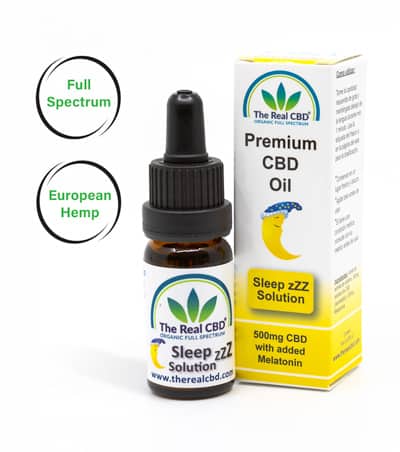
CBD interacts with receptors in the brain that regulate sleep and wake cycles. It can promote relaxation, making it easier to fall asleep and improve the quality of sleep. Products like CBD oils or sleep drops (e.g., CBD with melatonin) are ideal for this purpose.
3. Anxiety and Depression
- Why It Happens: Emotional stressors like retirement, health concerns, or loss of loved ones can trigger anxiety or depression in seniors.
- How CBD Helps:
CBD affects serotonin receptors in the brain, which play a role in mood regulation. It can promote a sense of calm and help manage anxiety or depressive symptoms without the side effects of some prescription drugs.
4. Memory and Cognitive Decline (e.g., Alzheimer’s, Dementia)
- Why It Happens: Aging can lead to brain inflammation and oxidative stress, contributing to memory issues and cognitive decline.
- How CBD Helps:
Studies suggest CBD may have neuroprotective properties, potentially reducing inflammation and promoting better neural health. While it’s not a cure, it may slow down the progression of cognitive decline and improve focus.
5. Bone Health (e.g., Osteoporosis)
- Why It Happens: As we age, bones lose density, making them more prone to fractures.
- How CBD Helps:
CBD may support bone health by promoting bone cell repair and reducing inflammation associated with bone loss. Combined with a healthy diet and exercise, it can be a helpful addition for maintaining strong bones.
6. Cardiovascular Health (e.g., High Blood Pressure)

- Why It Happens: The heart and blood vessels naturally stiffen with age, increasing the risk of hypertension and heart-related issues.
- How CBD Helps:
CBD has been shown to help lower blood pressure in some cases, thanks to its calming and vasodilatory effects, which improve blood flow and reduce stress.
7. Immune System Weakness
- Why It Happens: The immune system becomes less efficient at fighting infections and diseases as we age.
- How CBD Helps:
CBD has anti-inflammatory and immune-modulating properties that can help balance an overactive or underactive immune response. This is especially helpful in managing autoimmune conditions and promoting overall wellness.
8. Digestive Issues (e.g., Constipation, IBS)
- Why It Happens: The digestive system slows down with age, leading to issues like constipation or irritable bowel syndrome (IBS).
- How CBD Helps:
CBD interacts with the gut’s endocannabinoid system, helping regulate motility and reduce inflammation. It may ease symptoms like bloating, cramping, and discomfort.
9. Skin Conditions (e.g., Dry Skin, Eczema)
- Why It Happens: Aging skin becomes thinner, drier, and more prone to conditions like eczema.
- How CBD Helps:
CBD has moisturizing and anti-inflammatory properties that can soothe irritated skin and reduce redness. Topical CBD creams or balms are effective for targeting specific skin concerns.
10. Neuropathic Pain (e.g., Peripheral Neuropathy)
- Why It Happens: Nerve damage or age-related health issues like diabetes can cause tingling, burning, or sharp nerve pain.
- How CBD Helps:
CBD’s interaction with pain receptors and its anti-inflammatory effects may provide relief from neuropathic pain, helping seniors feel more comfortable.
11. Appetite Loss
- Why It Happens: Medical conditions, medications, or changes in the digestive system can reduce appetite.
- How CBD Helps:
CBD can stimulate appetite indirectly by improving mood, reducing nausea, and calming the digestive system, helping seniors maintain a healthy diet.
12. Eye Conditions (e.g., Glaucoma)
- Why It Happens: Increased intraocular pressure and age-related degeneration can lead to vision issues like glaucoma.
- How CBD Helps:
CBD may reduce intraocular pressure and relieve discomfort associated with glaucoma, although this should be used under medical supervision.
13. Fatigue
- Why It Happens: Chronic health conditions, poor sleep, or stress can leave seniors feeling constantly tired.
- How CBD Helps:
CBD can improve sleep quality and reduce stress, helping to restore energy levels. Additionally, it promotes overall balance in the body, which can alleviate feelings of exhaustion.
More from our blog section:
How CBD Interacts with Medications
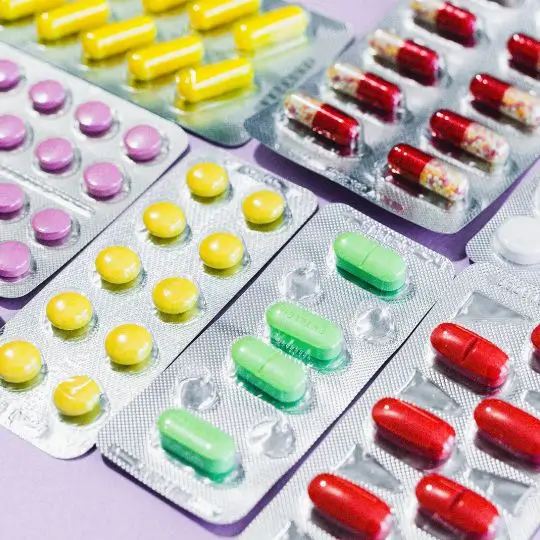
Here’s an important point: CBD can interact with medications. CBD can interact with several medications, primarily because it affects the liver enzymes responsible for metabolizing many drugs. The liver’s cytochrome P450 enzyme system plays a key role here, as CBD can inhibit or alter its activity, potentially leading to higher or lower levels of certain medications in the bloodstream. This can either increase the risk of side effects or reduce the medication’s effectiveness.
Here are some categories of medications that may interact with CBD:
1. Blood Thinners (Anticoagulants)
Medications like warfarin (Coumadin) and clopidogrel (Plavix) can be affected by CBD, increasing the risk of excessive bleeding. CBD may enhance the blood-thinning effects by slowing the breakdown of these drugs.
2. Anti-Seizure Medications
Drugs like clobazam and valproate are sometimes prescribed for epilepsy. While CBD is known to reduce seizures, it may increase the levels of these medications in the blood, potentially leading to side effects like sedation.
3. Cholesterol Medications (Statins)
CBD can interact with statins such as atorvastatin (Lipitor) or simvastatin (Zocor) by slowing their metabolism. This may lead to higher drug concentrations and an increased risk of side effects, including muscle pain and liver damage.
4. Antidepressants
Some SSRIs (e.g., sertraline or fluoxetine) and tricyclic antidepressants can interact with CBD. This might either amplify or diminish their effects, potentially impacting mood regulation.
5. Blood Pressure Medications
CBD’s relaxing properties may lower blood pressure, which can be beneficial, but when combined with medications like amlodipine or metoprolol, it might cause blood pressure to drop too much, leading to dizziness or fainting.
6. Immunosuppressants

Drugs like cyclosporine and tacrolimus, often prescribed after organ transplants, may be metabolized more slowly when taken with CBD. This could increase the risk of toxicity.
7. Painkillers
Opioids like morphine or oxycodone can have their effects amplified by CBD, potentially causing excessive sedation or respiratory depression.
8. Antipsychotic Medications
Medications like risperidone or haloperidol may interact with CBD, potentially increasing sedative effects or altering drug concentrations.
How to Use CBD Safely if Taking Medications
- Consult Your Doctor: Always discuss CBD use with your healthcare provider, especially if you’re on prescription medications.
- Start Low and Monitor: Begin with a low dose of CBD and watch for any unusual side effects.
- Be Aware of Timing: Taking CBD and medications at different times of the day may reduce interactions, but this should be guided by a doctor.
- Look for Signs of Interaction: Symptoms like dizziness, excessive sedation, or other unusual changes should be reported immediately.
While CBD offers many potential benefits, being cautious about drug interactions is essential for safe use.
Choosing the Right CBD Products for age-related discomfort
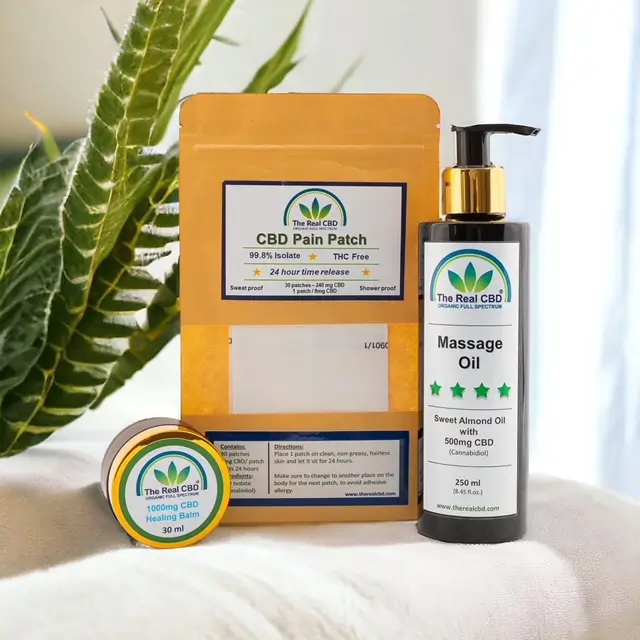
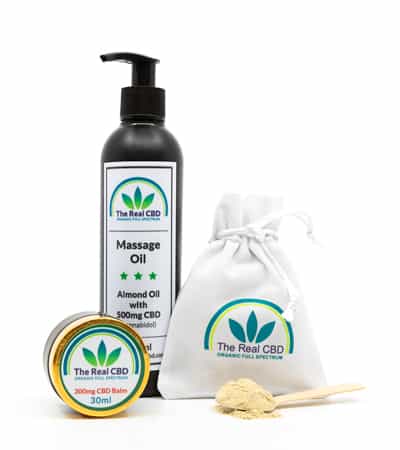
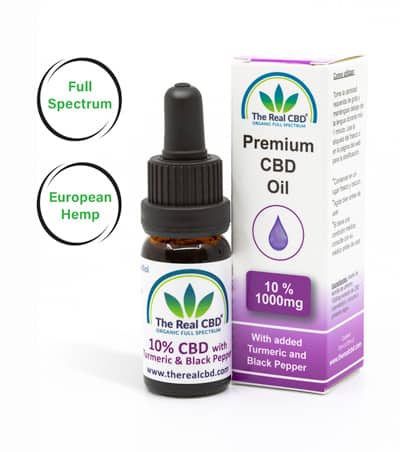
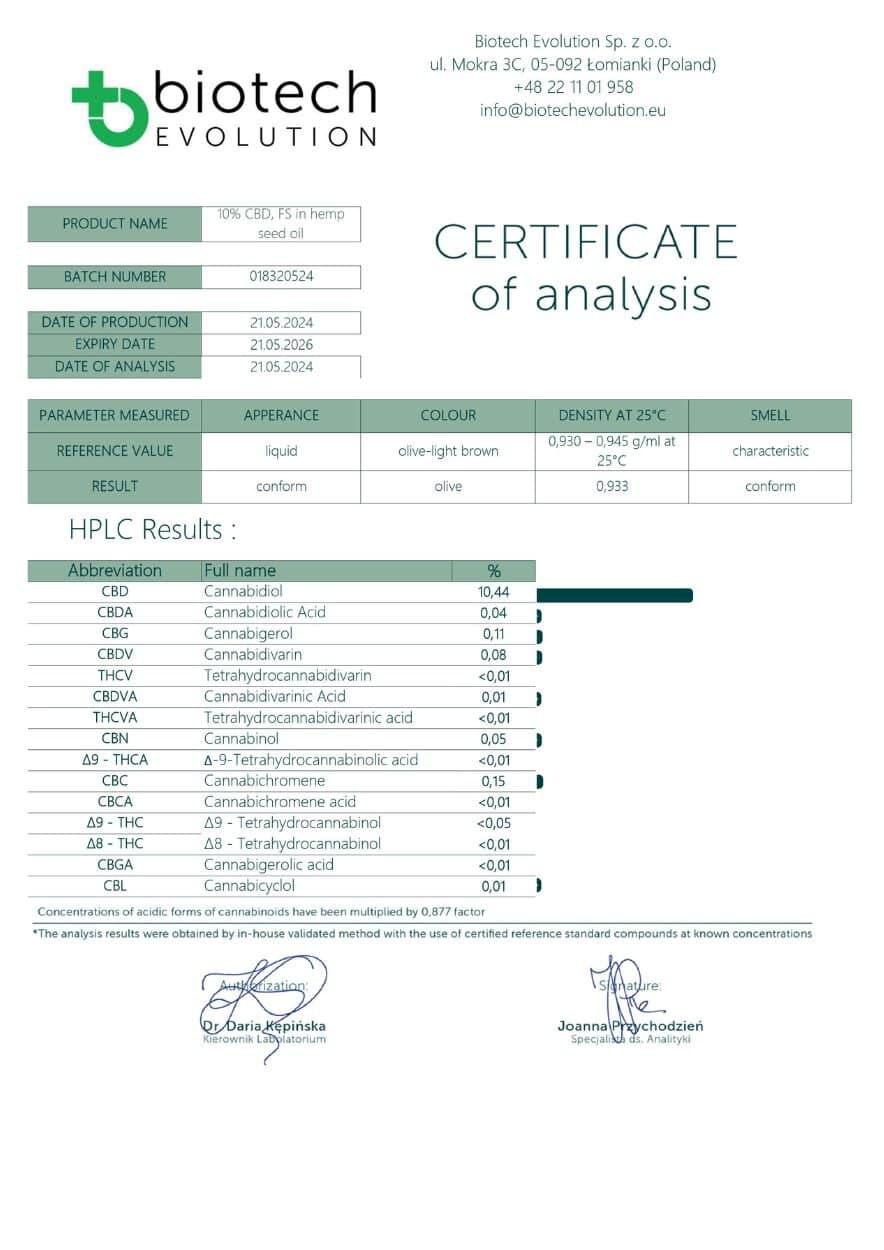
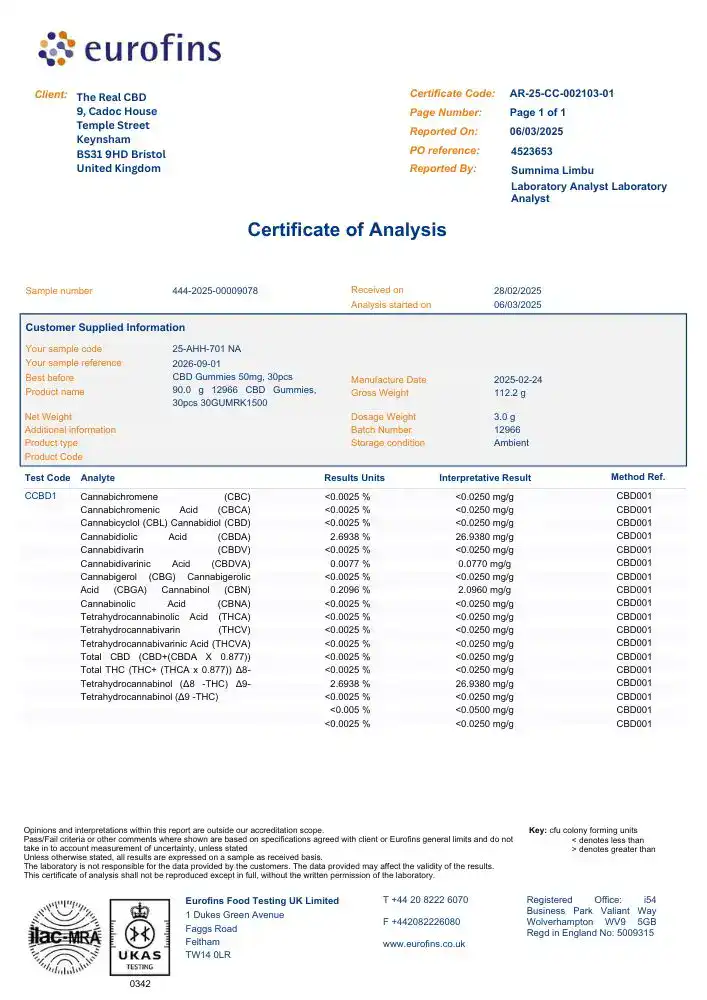
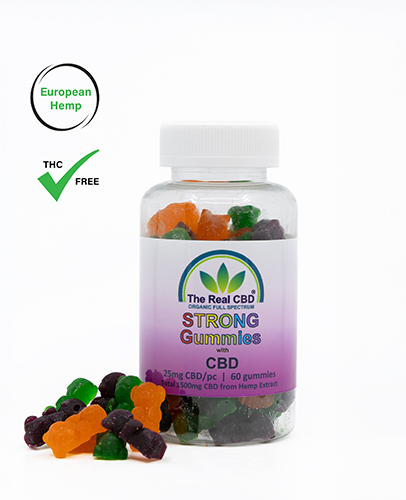
Not all CBD products are created equal. Look for high-quality, third-party tested products. The Real CBD offers an extensive range of trustworthy options, ensuring you get what the label promises. Whether it’s oils, capsules, or creams, choosing the right product can make all the difference.
The Real CBD’s Top Products for Seniors
- Full Spectrum CBD Oil – Ideal for overall wellness.
- CBD Pain Cream – Perfect for targeting sore joints.
- Sleep Drops – A blend of CBD and melatonin for better sleep.
- CBD Capsules – Easy-to-dose and travel-friendly.
- Immune Support Drops – A boost for your body’s defenses.
Tips for Safe CBD Use
- Start Low, Go Slow: Begin with a small dose and adjust as needed.
- Consult Your Doctor: Especially if you’re on medication.
- Choose Quality Products: Stick to trusted brands like The Real CBD.
- Be Patient: CBD takes time to work, so give it at least a week or two.
Conclusion
Aging may bring discomfort, but that doesn’t mean you have to live with it. CBD offers a natural, effective way to manage common age-related issues like pain, sleep problems, and cognitive challenges. By choosing high-quality products like those from The Real CBD, seniors can enjoy a better quality of life without relying solely on pharmaceuticals.
Frequently Asked Questions – CBD for age-related discomfort
No, CBD is non-psychoactive and won’t make you feel high.
It varies, but most people start noticing effects within 30 minutes to a week.
Yes, when used responsibly and under a doctor’s guidance, CBD is generally safe.
Yes, many seniors report relief from joint pain and inflammation with CBD use.
Some may experience mild side effects like dry mouth or drowsiness, but these are rare.
By embracing CBD, seniors can take a proactive step toward comfort and wellness in their golden years. Why not give it a try?
The Real CBD for age-related discomfort





I am a certified expert in Medicinal Cannabis. We are all about giving correct and trustworthy information. We know how important it is to learn about CBD and cannabis, which is why we want to be your go-to source for trustworthy information. We help you improve your health by using our knowledge and experience as a starting point.












Leave a Reply
Want to join the discussion?Feel free to contribute!