
Senior Memory Support with CBD
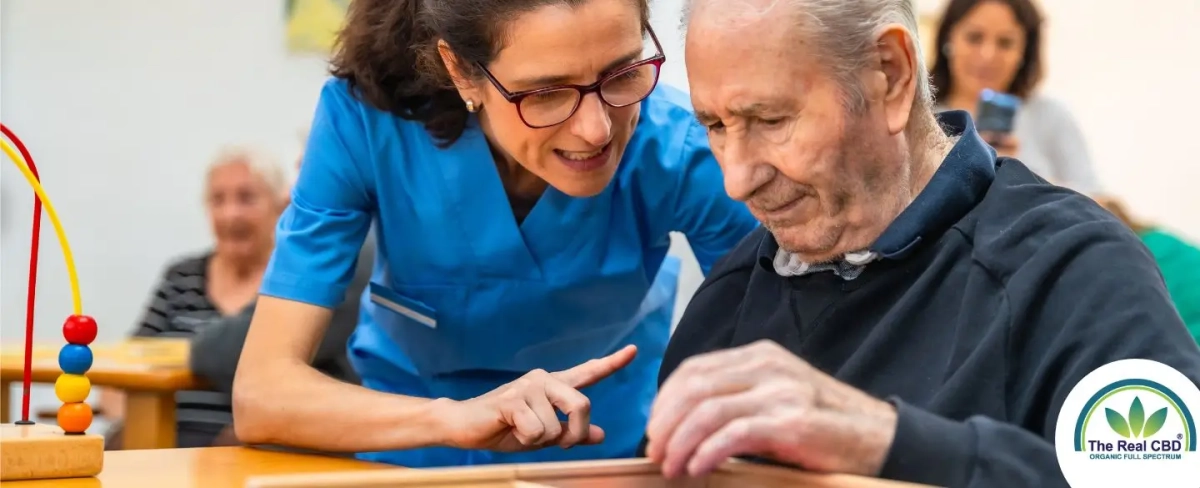
Imagine your brain as a vast library where memories are carefully stored books. As we age, some of these books start to gather dust, becoming harder to reach and read. What if there was a natural way to help keep this library organized and accessible? Enter CBD, a compound that’s generating excitement in the world of senior health and cognitive support. Let’s take a closer look at Senior Memory Support with CBD.
Estimated reading time: 10 Minuten
- What Happens to Our Memory as We Age?
- The Connection between Aging and Memory Decline
- The Science Behind CBD and Brain Health
- Research on CBD for senior memory support
- CBD’s Potential Role in Supporting Memory Retention
- Choosing the Right CBD for Senior memory support
- Important Considerations for Senior Users
- Lifestyle Factors That Support Cognitive Health
- Senior Memory Support with CBD: Conclusion
- Frequently Asked Questions – Memory support with CBD
- The Real CBD for Senior Memory Support
What Happens to Our Memory as We Age?
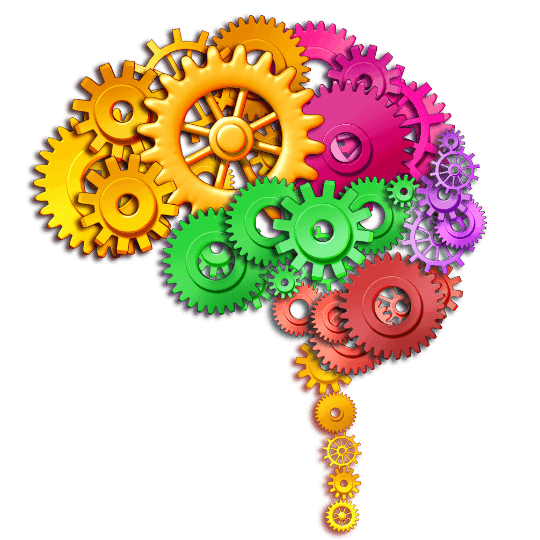
Our brains undergo significant changes as we grow older. Think of your brain like a well-used smartphone – over time, it starts to process information a bit slower, and some apps (memories) don’t run as smoothly as they used to. This natural aging process can lead to:
- Slower information processing
- Difficulty recalling recent events
- Challenges with multitasking
- Reduced ability to learn new skills quickly
The Connection between Aging and Memory Decline
As we age, the brain undergoes structural and functional changes. Neurons shrink, connections weaken, and the production of critical brain chemicals decreases. These changes can lead to forgetfulness and slower cognitive processing.
Common Causes of Memory Issues in Seniors
Memory decline isn’t always a result of aging alone. Factors like chronic stress, poor sleep, and underlying conditions such as Alzheimer’s disease can exacerbate cognitive decline.
The Science Behind CBD and Brain Health
CBD, or cannabidiol, isn’t just another health trend. Research suggests it might be a powerful ally in maintaining cognitive function. Unlike its cousin THC, CBD doesn’t produce a “high” but offers potential neurological benefits that could be particularly interesting for seniors.
Key Mechanisms of CBD for senior memory support
- Reduces Inflammation: Chronic inflammation can damage brain cells
- Supports Neurogenesis: May help create new neural connections
- Antioxidant Properties: Protects brain cells from oxidative stress
Research on CBD for senior memory support
Studies that CBD can reduce oxidative stress and inflammation
Cannabidiol (CBD), has garnered significant attention for its potential therapeutic properties, particularly its antioxidative and anti-inflammatory effects. Research indicates that CBD may mitigate oxidative stress and inflammation, which are implicated in various diseases.
Antioxidative Properties of CBD
Oxidative stress results from an imbalance between free radicals and antioxidants in the body, leading to cellular damage. CBD has demonstrated antioxidative capabilities by modulating oxidative stress markers. A review in the journal Antioxidants highlights that CBD can reduce oxidative stress by interacting with the endocannabinoid system and other receptors, thereby enhancing the body’s antioxidant defense.

Anti-Inflammatory Effects of CBD
Chronic inflammation is a contributing factor in numerous health conditions. CBD exhibits anti-inflammatory effects by influencing various molecular pathways. It can inhibit the production of pro-inflammatory cytokines and reduce the activation of immune cells involved in inflammation. Studies have shown that CBD’s interaction with cannabinoid receptors, particularly CB2 receptors, plays a role in its anti-inflammatory actions.
CBD in Neuroinflammation and Neurodegenerative Diseases
Neuroinflammation and oxidative stress are critical components in the pathogenesis of neurodegenerative diseases like Alzheimer’s. CBD’s neuroprotective properties are attributed to its ability to modulate oxidative stress and neuroinflammation. Research suggests that CBD can reduce markers of Alzheimer’s disease pathology, inflammation, and oxidative stress, indicating its potential as a therapeutic agent in such conditions.
Mechanisms of Action
CBD’s antioxidative and anti-inflammatory effects are mediated through several mechanisms:
- Modulation of Receptors: CBD interacts with cannabinoid receptors (CB1 and CB2) and other receptors, influencing inflammatory responses.
- Inhibition of Pro-Inflammatory Mediators: CBD can suppress the production of pro-inflammatory cytokines, thereby reducing inflammation.
- Reduction of Oxidative Stress: By enhancing antioxidant defenses, CBD helps in neutralizing free radicals, thus protecting cells from oxidative damage.
CBD’s Potential Role in Supporting Memory Retention
Preliminary findings show CBD might support memory retention by promoting neurogenesis (the growth of new brain cells) and enhancing synaptic plasticity, critical for learning and memory.
Choosing the Right CBD for Senior memory support

What to Look for When Selecting CBD
Not all CBD products are created equal. Seniors should consider:
- Source of CBD: Prefer organic, US-grown hemp
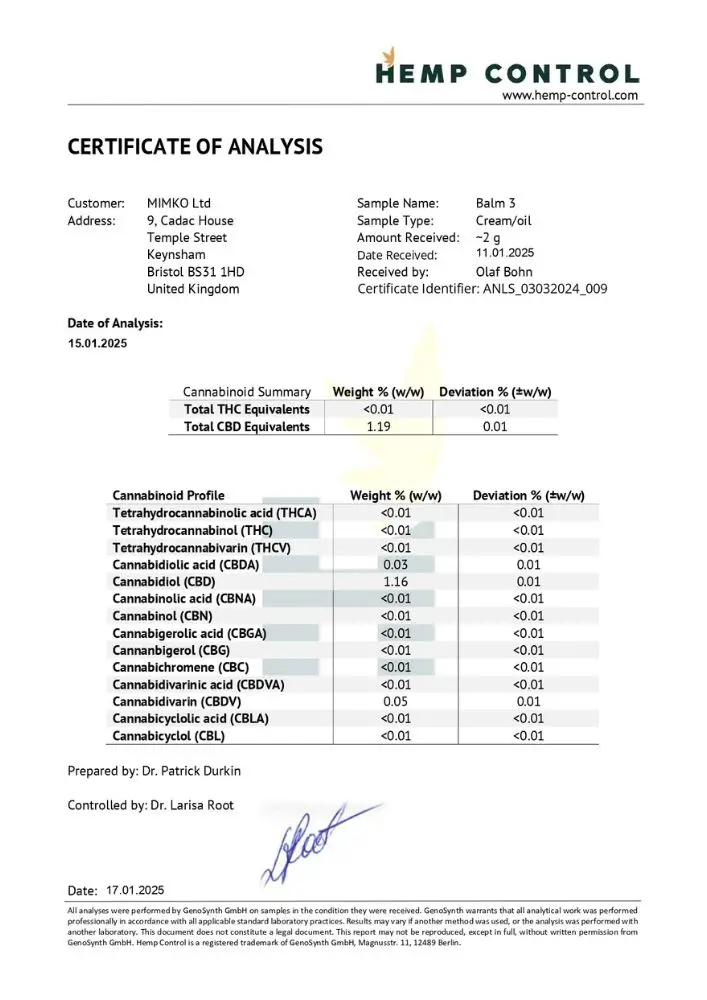
- Third-Party Testing: Ensure purity and potency
- Consumption Method:
Dosage and Safety Considerations – Finding the Right Balance
Start low and go slow. Experts recommend:
- Begin with 5-10mg daily
- Gradually increase if needed
- Consult with healthcare provider
Important Considerations for Senior Users
CBD can interact with:
- Blood thinners
- Certain blood pressure medications
- Some antidepressants
Always consult your doctor before starting any new supplement regimen.
Safety and Side Effects of CBD for Seniors
While CBD is generally well-tolerated, some seniors may experience side effects like dry mouth, dizziness, or mild digestive issues. These effects are usually mild and temporary.
How to Minimize Risks When Using CBD
Starting with a low dose and gradually increasing it can help minimize risks. Consulting a healthcare professional is crucial, especially for seniors taking other medications.
More about CBD
Lifestyle Factors That Support Cognitive Health

Aging is a natural process, but maintaining a sharp mind and a healthy brain can make all the difference in enjoying life’s golden years. While CBD is gaining popularity as a brain-support supplement, there are plenty of other natural and lifestyle-based alternatives to promote anti-aging for the brain. Here are some effective options:
1. Brain-Boosting Foods
Your diet plays a significant role in brain health. Incorporating nutrient-rich foods can protect the brain from aging and boost cognitive function.
- CBD: A daily CBD supplement will help your brain to age slower
- Omega-3 Fatty Acids: Found in fish like salmon, walnuts, and flaxseeds, omega-3s support brain structure and function.
- Antioxidant-Rich Foods: Blueberries, spinach, and dark chocolate combat oxidative stress, a key factor in aging.
- Healthy Fats: Avocados and olive oil improve brain cell communication and reduce inflammation.
- Vitamin E: Nuts, seeds, and green leafy vegetables are excellent for protecting the brain from free-radical damage.
2. Regular Physical Activity
Exercise isn’t just for the body—it’s a powerful anti-aging tool for the brain.
- Aerobic Exercise: Activities like walking, swimming, or dancing improve blood flow to the brain, enhancing memory and reducing the risk of cognitive decline.
- Strength Training: Lifting weights can promote the release of brain-derived neurotrophic factor (BDNF), a protein that supports neuron growth.
- Yoga and Tai Chi: These practices combine physical movement with mindfulness, helping to reduce stress and improve brain function.
3. Mental Stimulation
Keeping the brain engaged and challenged helps maintain neuroplasticity—the brain’s ability to adapt and grow.
- Brain Games: Puzzles, crosswords, and apps designed for cognitive training keep your mind sharp.
- Learning New Skills: Picking up a new language, musical instrument, or hobby can stimulate brain activity.
- Reading and Writing: Regularly engaging in these activities improves comprehension and analytical thinking.
4. Sleep Optimization

Sleep is essential for brain health, as it allows the brain to repair itself and consolidate memories.
- Establish a Routine: Go to bed and wake up at the same time every day.
- Create a Sleep-Friendly Environment: Keep the bedroom cool, dark, and quiet.
- Limit Screen Time: Reduce exposure to blue light from screens an hour before bedtime.
5. Stress Management
Chronic stress accelerates brain aging and damages memory.
- Meditation and Mindfulness: These practices reduce stress and enhance focus.
- Deep Breathing Exercises: Regularly practicing deep breathing calms the nervous system and reduces cortisol levels.
- Nature Walks: Spending time outdoors has been shown to lower stress and boost mental clarity.
6. Herbal and Natural Supplements
Certain herbs and natural compounds are known for their brain-protective properties.
- Ginkgo Biloba: Supports circulation to the brain and enhances memory.
- CBD:Supports cognitive function and healing of the brain
- Turmeric (Curcumin): An anti-inflammatory powerhouse that may reduce brain aging.
- Ashwagandha: An adaptogen that combats stress and promotes mental clarity.
- Lion’s Mane Mushroom: Promotes the growth of new brain cells and improves cognitive function.
7. Hydration and Detoxification
Dehydration and toxin buildup can impair brain function.
- Stay Hydrated: Drink plenty of water throughout the day to support cellular health.
- Detoxify Naturally: Incorporate foods like cilantro and lemon water to help eliminate toxins from the body.
8. Social Connections
Loneliness and isolation can negatively impact brain health.
- Stay Connected: Spend time with friends and family regularly.
- Join Clubs or Groups: Participating in activities with others fosters social interaction and mental engagement.
- Volunteer: Helping others gives a sense of purpose and keeps the brain active.
9. Cognitive Therapy
For those at risk of cognitive decline, professional cognitive therapy can be an effective tool.
- Cognitive Behavioral Therapy (CBT): Helps manage thought patterns and reduce mental strain.
- Neurofeedback: A technique that trains the brain to function more efficiently.
10. Avoiding Toxins
Exposure to certain substances can accelerate brain aging.
- Limit Alcohol Consumption: Excessive drinking impairs brain health over time.
- Stop Smoking: Smoking damages blood vessels, reducing oxygen flow to the brain.
- Reduce Processed Foods: Avoid additives, artificial sweeteners, and preservatives that can harm the brain.
11. Regular Health Check-Ups

Underlying health conditions can affect brain health. Regular medical check-ups help identify and address issues like:
- Hypertension: High blood pressure can increase the risk of stroke and cognitive decline.
- Diabetes Management: Uncontrolled blood sugar levels can damage brain cells.
- Thyroid Function: An underactive thyroid can lead to memory issues.
12. Combining Strategies for Maximum Effect
The best results often come from a combination of lifestyle changes. Integrating diet, exercise, mental stimulation, and stress management creates a holistic approach to brain health.
By adopting these alternative strategies, you can take significant steps toward slowing brain aging and maintaining cognitive vitality. Whether it’s through better nutrition, active living, or mindfulness practices, these methods empower you to age gracefully and stay sharp for years to come.
Senior Memory Support with CBD: Conclusion
CBD holds great promise for seniors seeking natural support for memory and overall brain health. While it’s not a miracle cure, its neuroprotective and calming properties make it a valuable addition to a healthy lifestyle. Always consult a healthcare professional before starting CBD.
While CBD shows promise for senior memory support, it’s not a miracle cure. Think of it as one tool in your cognitive health toolkit – powerful when used alongside a holistic approach to wellness.
Frequently Asked Questions – Memory support with CBD
CBD effects can vary, but most seniors notice improvements within a few weeks of consistent use.
CBD can interact with certain medications. Consult your doctor before starting.
While CBD may slow memory decline, it’s not a cure-all. Lifestyle and overall health also play significant roles.
Oils, tinctures, and gummies are popular and easy to dose for seniors.
Omega-3 supplements, brain exercises, and a balanced diet are excellent complementary strategies.
Look for third-party lab tests, clear labelling, and reputable brands.
See our extensive FAQ – FAQ – CBD for Seniors
The Real CBD for Senior Memory Support
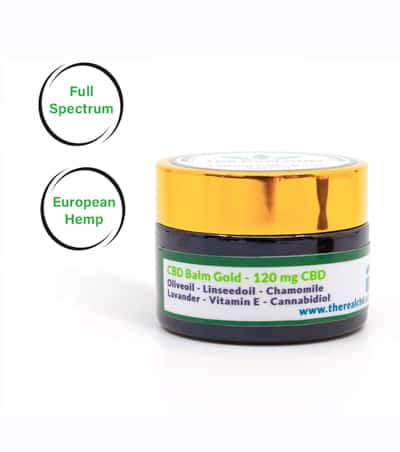
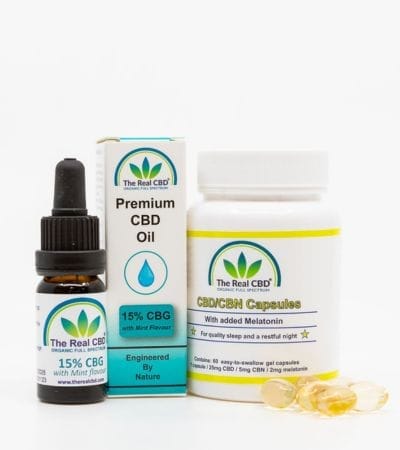
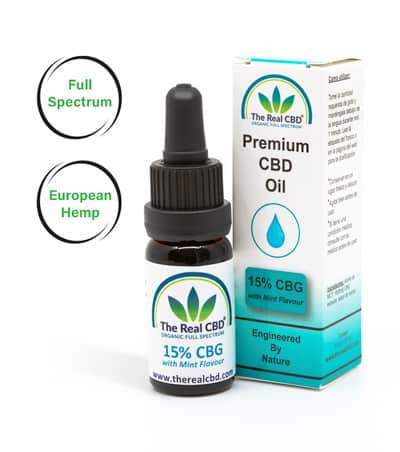
CBD Anti Anxiety Pack
CBD Crystals – 500mg
CBD Crystals -1000mg

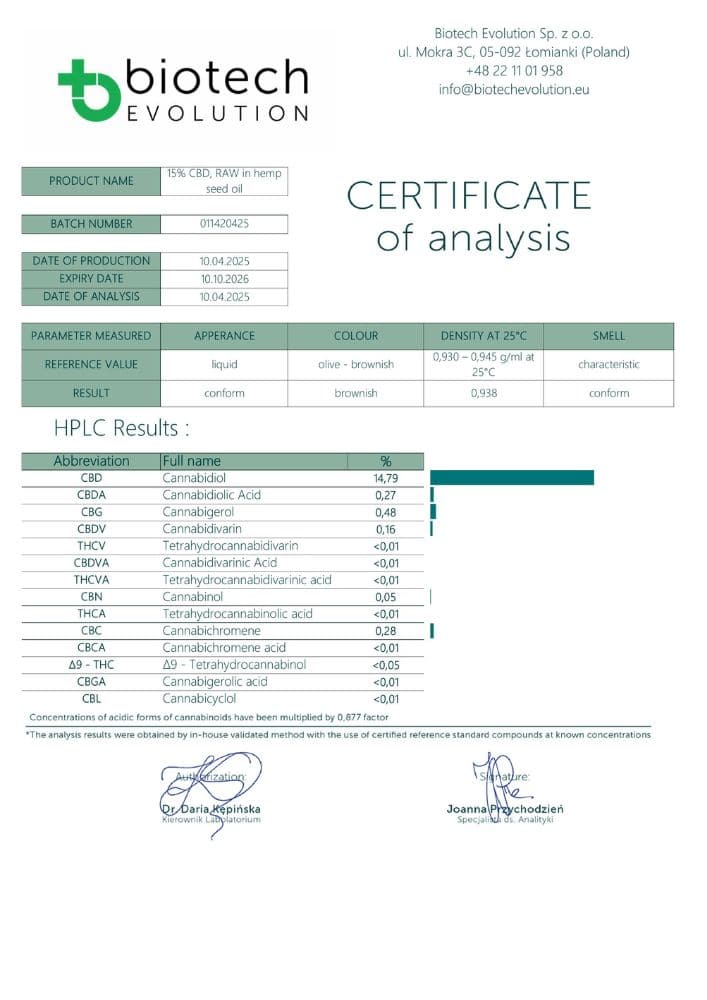
15% Pure CBD oil

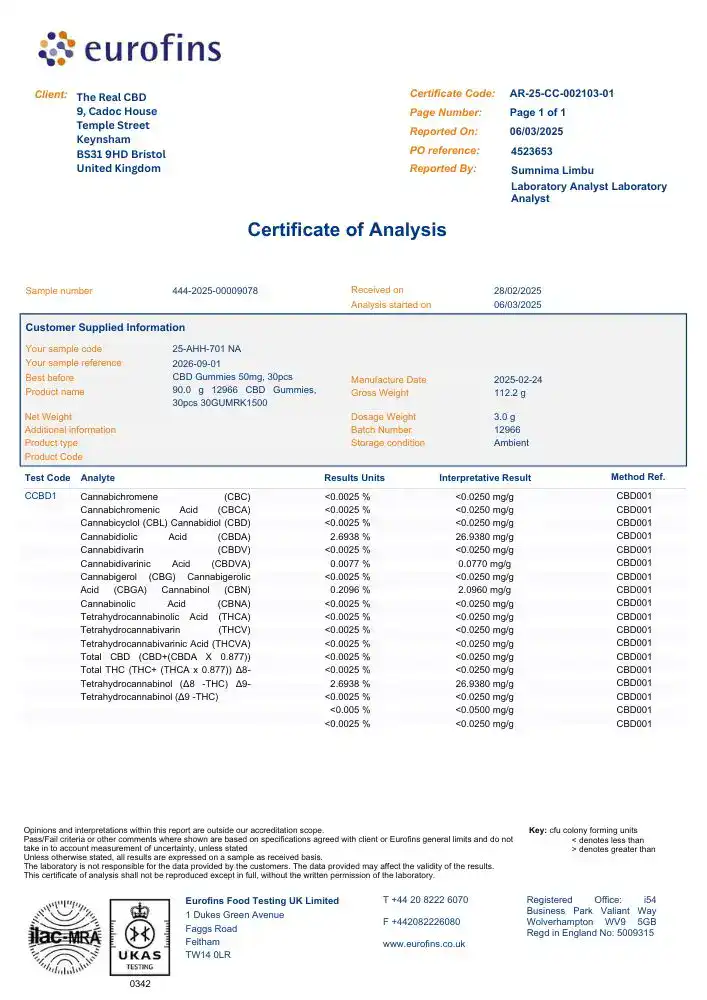
CBD gummies – 50mg CBD
Disclaimer: This article is for informational purposes only and is not intended as medical advice.

I am a certified expert in Medicinal Cannabis. We are all about giving correct and trustworthy information. We know how important it is to learn about CBD and cannabis, which is why we want to be your go-to source for trustworthy information. We help you improve your health by using our knowledge and experience as a starting point.













Leave a Reply
Want to join the discussion?Feel free to contribute!