
CBD Oil for Costochondritis: Natural Relief for Chest Pain
Have you ever felt a sharp, stabbing pain in your chest that made you wonder if you were having a heart attack? If so, you might have experienced costochondritis, a condition that can be as alarming as it is uncomfortable. But what if I told you there’s a natural remedy that might help soothe this pain and improve your quality of life? Enter CBD oil – a potential game-changer for those suffering from costochondritis.
In this article, we’ll explore how CBD oil might be the ally you never knew you needed in your fight against costochondritis. We’ll delve into what costochondritis is, how it affects your daily life, and most importantly, how CBD oil could potentially offer relief. So, let’s embark on this journey to understand the promising world of CBD oil for costochondritis.
Estimated reading time: 16 Minuten
- Understanding Costochondritis: More Than Just Chest Pain
- The Impact of Costochondritis on Daily Life
- CBD Oil: A Brief Overview
- How CBD Oil Works in the Body
- The Potential Benefits of CBD Oil for Costochondritis
- CBD Oil vs. Traditional Treatments for Costochondritis
- Different Forms of CBD for Costochondritis Relief
- Dosage and Application: Using CBD Oil Effectively
- Potential Side Effects and Precautions
- Combining CBD Oil with Other Therapies
- Conclusion: Is CBD Oil Right for Your Costochondritis?
- Frequently Asked Questions
- The Real CBD for Costochondritis
Understanding Costochondritis: More Than Just Chest Pain

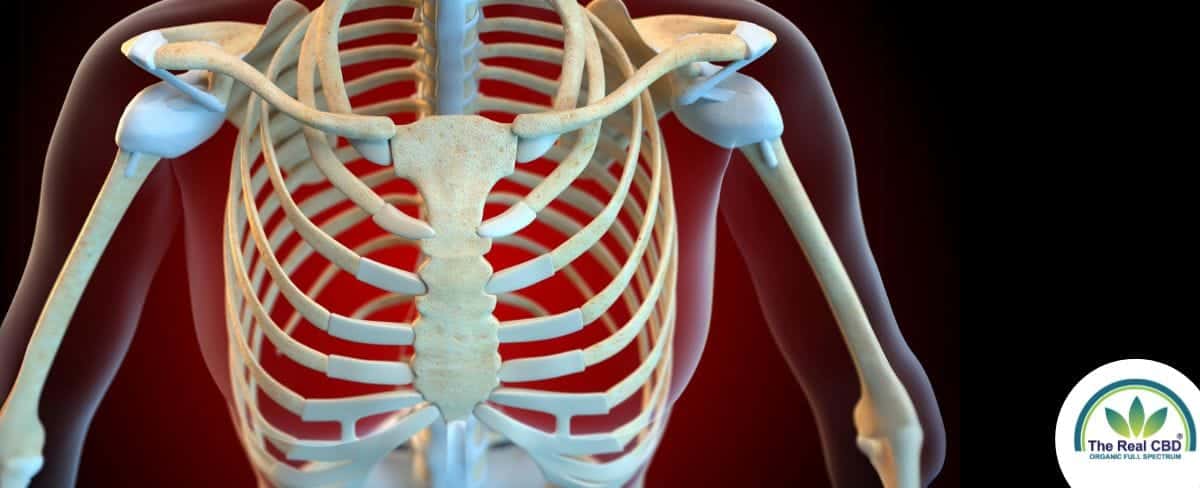
Imagine your ribcage as a well-oiled machine, with each part working in harmony. Now, picture a wrench being thrown into that machine, causing friction and discomfort with every movement. That’s essentially what happens with costochondritis.
Costochondritis is an inflammation of the cartilage that connects your ribs to your breastbone (sternum). This inflammation can cause sharp chest pain that might be mistaken for a heart attack, leading to unnecessary panic and stress.
The condition typically causes:
- Sharp, aching pain in the chest
- Pain that worsens with movement or deep breathing
- Tenderness when pressing on the affected area
While the exact cause isn’t always clear, costochondritis can be triggered by:
- Physical strain or injury
- Certain viral or bacterial infections
- Arthritis
Understanding costochondritis is the first step in finding relief. And that’s where CBD oil enters the picture, offering a potential natural solution to this painful condition.
The Impact of Costochondritis on Daily Life
Living with costochondritis is like carrying an invisible burden on your chest. The impact on daily life can be significant and far-reaching. Let’s break down how this condition can affect various aspects of your everyday routine:
Physical Activities:

- Simple tasks like lifting groceries or reaching for items on high shelves can become painful ordeals.
- Exercise routines may need to be modified or temporarily abandoned.
Sleep Disruption:
- Finding a comfortable sleeping position can be challenging.
- Pain may wake you up at night, leading to fatigue and irritability during the day.
Work Performance:
- Sitting at a desk for long periods or performing manual labor can exacerbate the pain.
- Concentration may suffer due to constant discomfort.
Emotional Well-being:
- Chronic pain can lead to stress, anxiety, and even depression.
- The fear of the pain being something more serious (like a heart condition) can cause constant worry.
Social Life:
- You might find yourself cancelling plans or avoiding social gatherings due to pain and discomfort.
- Explaining your condition to others who can’t “see” your pain can be frustrating.
Daily Chores:
- Household tasks like vacuuming, doing laundry, or even cooking can become challenging.
Living with costochondritis is like navigating through life with an unwelcome companion that makes its presence known with every breath and movement. But there’s hope on the horizon, and it comes in the form of a natural remedy: CBD oil.
CBD Oil: A Brief Overview

Before we dive into how CBD oil might help with costochondritis, let’s take a moment to understand what CBD oil actually is. Think of CBD as the calm, collected cousin in the cannabis family – it wants to help you feel better without any of the psychoactive effects associated with marijuana.
CBD, or cannabidiol, is a compound found in the cannabis plant. Unlike its famous relative THC (tetrahydrocannabinol), CBD doesn’t get you “high.” Instead, it’s been gaining attention for its potential therapeutic benefits.
CBD oil is made by extracting CBD from the cannabis plant and diluting it with a carrier oil like coconut or hemp seed oil. It’s this concentrated form that many people are turning to for various health concerns, including inflammatory conditions like costochondritis.
Some key points about CBD oil:
- It’s non-psychoactive, meaning it won’t alter your state of mind.
- It’s derived from hemp, a variety of cannabis with very low THC content.
- It interacts with your body’s endocannabinoid system, which plays a role in regulating pain and inflammation.
As we explore the potential benefits of CBD oil for costochondritis, keep in mind that while research is promising, it’s still ongoing. CBD oil isn’t a miracle cure, but rather a potential tool in managing the symptoms of this painful condition.
How CBD Oil Works in the Body

To understand how CBD oil might help with costochondritis, we need to take a quick journey through the fascinating world of the endocannabinoid system (ECS). Don’t worry – I promise to keep things simple and jargon-free!
The ECS is like your body’s internal balance keeper. It helps regulate various functions, including pain sensation, immune response, and inflammation. Here’s how CBD interacts with this system:
CBD and ECS Receptors:
- The ECS has receptors throughout your body. Think of these as locks, and CBD as a key that can influence how these locks behave.
- By interacting with these receptors, CBD may help modulate pain and inflammation.
Inflammation Reduction:
- CBD has shown potential anti-inflammatory properties. For costochondritis, this could mean less inflammation in the cartilage connecting your ribs to your breastbone.
Pain Modulation:
- CBD might alter the way your body perceives pain, potentially providing relief from the discomfort of costochondritis.
Stress and Anxiety Relief:
- By interacting with receptors in the brain, CBD may help reduce stress and anxiety, which can be significant factors in chronic pain conditions.
Imagine CBD as a conductor, helping to orchestrate a more harmonious symphony within your body. By influencing the ECS, it may help create an environment more conducive to healing and pain relief.
The Potential Benefits of CBD Oil for Costochondritis
Now that we understand how CBD works in the body, let’s explore the specific ways it might benefit those suffering from costochondritis. While research is still ongoing, early studies and anecdotal evidence suggest several potential advantages:
Pain Relief:
- CBD’s interaction with the endocannabinoid system may help reduce the intensity of pain associated with costochondritis.
- This could mean less discomfort during daily activities and improved sleep quality.
Inflammation Reduction:

- The anti-inflammatory properties of CBD might help decrease swelling in the cartilage, potentially speeding up the healing process.
- Less inflammation could lead to improved mobility and reduced pain.
Muscle Relaxation:
- CBD may help relax tense muscles around the chest area, which often tighten up as a protective response to costochondritis pain.
- This relaxation could lead to improved breathing and less discomfort during movement.
Stress and Anxiety Management:
- Living with chronic pain can be stressful. CBD’s potential calming effects might help manage the anxiety that often accompanies costochondritis.
- Reduced stress could lead to better overall well-being and potentially even faster healing.
Improved Sleep:
- By addressing pain and anxiety, CBD might help improve sleep quality for those with costochondritis.
- Better sleep can contribute to faster healing and improved pain management during waking hours.
Potential Long-term Benefits:
- Some studies suggest that CBD might have long-term anti-inflammatory effects, which could be beneficial for preventing future flare-ups of costochondritis.
Remember, while these benefits are promising, everyone’s experience with CBD can be different. It’s not a one-size-fits-all solution, but rather a potential tool in your costochondritis management toolkit.
Study confirming CBDs positive impact on inflammation
CBD Oil vs. Traditional Treatments for Costochondritis
When it comes to managing costochondritis, there are several traditional approaches. Let’s compare these with CBD oil to see how they stack up:

Over-the-counter Pain Relievers:
- Traditional: NSAIDs like ibuprofen can offer temporary relief but may have side effects with long-term use.
- CBD Oil: Potentially offers pain relief without the risk of gastrointestinal issues associated with NSAIDs.
Prescription Anti-inflammatory Drugs:
- Traditional: Stronger than OTC options but can have more severe side effects.
- CBD Oil: May provide anti-inflammatory effects without the risks associated with long-term use of prescription drugs.
Physical Therapy:
- Traditional: Helps improve posture and strengthen chest muscles but can be time-consuming and expensive.
- CBD Oil: Could complement physical therapy by potentially reducing pain and inflammation, making exercises more tolerable.
Corticosteroid Injections:
- Traditional: Can provide significant short-term relief but aren’t suitable for long-term use.
- CBD Oil: Offers a natural alternative that can be used more consistently over time.
- Rest and Ice/Heat Therapy:
- Traditional: Simple and effective but may not provide enough relief for severe cases.
- CBD Oil: Can be used alongside these methods for potentially enhanced pain relief.
While CBD oil shows promise, it’s crucial to remember that it shouldn’t replace professional medical advice or prescribed treatments. Always consult with your healthcare provider before making changes to your treatment plan.
Different Forms of CBD for Costochondritis Relief
CBD comes in various forms, each with its own advantages for managing costochondritis symptoms. Let’s explore some of the most popular options:
CBD Oils and Tinctures:
- Fast-acting when taken sublingually (under the tongue)
- Easy to adjust dosage
- Can be added to food or drinks
Topical CBD Creams and Balms:
- Applied directly to the chest area
- May provide localized relief
- Often combined with other soothing ingredients like menthol or arnica
Capsules and Pills:

- Convenient and discreet
- Provide consistent dosing
- Effects may take longer to onset but can last longer
CBD Patches:
- Deliver a steady dose over time
- Convenient for all-day relief
- Less mess than creams or oils
Edibles:
- Tasty and easy to incorporate into your routine
- Effects are typically long-lasting
- Dosage can be less precise
The choice of CBD form often comes down to personal preference and the specific symptoms you’re trying to address. For costochondritis, a combination of oral CBD for overall pain and inflammation management, along with a topical application for localized relief, might be particularly effective.
Dosage and Application: Using CBD Oil Effectively
When it comes to using CBD oil for costochondritis, finding the right dosage and application method is key. Here are some tips to help you use CBD oil effectively:
Start Low and Go Slow:
- Begin with a low dose and gradually increase until you find the right amount for you.
- This is often referred to as the “titration” method.
Read more about CBD dosage here

Be Consistent:
- Use CBD regularly for at least a few weeks to truly gauge its effects.
- Keep a journal to track your dosage and symptoms.
Combine Methods:
- For example, you might use a topical CBD cream on your chest and take CBD oil orally for overall pain and inflammation management.
Time Your Dosage:
- Consider taking CBD before bed to potentially improve sleep quality.
- You might also find it helpful to use CBD before activities that typically exacerbate your costochondritis symptoms.
Quality Matters:
- Choose high-quality, third-party tested CBD products to ensure you’re getting what you pay for.
- Look for full-spectrum or broad-spectrum CBD products, which contain other beneficial compounds from the hemp plant.
Consult a Professional:
- While CBD is generally considered safe, it’s always best to consult with a healthcare professional before starting any new supplement regimen.
How to talk to ypour doctor about CBD
Remember, there’s no one-size-fits-all approach to CBD dosage. What works for one person may not work for another, so patience and experimentation are key.
Potential Side Effects and Precautions

While CBD is generally well-tolerated, it’s important to be aware of potential side effects and take necessary precautions:
Possible Side Effects:
- Dry mouth
- Drowsiness
- Changes in appetite
- Diarrhea
- Fatigue
Precautions:
- Drug Interactions: CBD can interact with certain medications, particularly those metabolized by the liver. Always consult your doctor if you’re on any medications.
- Pregnancy and Breastfeeding: The effects of CBD during pregnancy and breastfeeding are not well-studied. It’s best to avoid use during these times.
- Liver Health: High doses of CBD may affect liver function. If you have liver issues, consult your doctor before using CBD.
- Quality Control: Ensure you’re buying from reputable sources to avoid contaminants or mislabeled products.
While these side effects are generally mild, it’s always best to err on the side of caution and consult with a healthcare professional before starting any new supplement regimen.
More about CBD
Combining CBD Oil with Other Therapies

CBD oil doesn’t have to be a standalone treatment for costochondritis. In fact, it can potentially complement other therapies quite effectively:
Physical Therapy:
- CBD might help reduce pain and inflammation, making physical therapy exercises more tolerable and potentially more effective.
Heat and Cold Therapy:
- Using CBD topicals in conjunction with heat or cold treatments might enhance their soothing effects.
Massage:
- Incorporating CBD oil into massage techniques could potentially amplify the relaxation and pain-relieving benefits.
Acupuncture:
- Some people find that using CBD alongside acupuncture enhances its effects on pain and inflammation.
Mindfulness and Relaxation Techniques:
- CBD’s potential calming effects might complement practices like meditation or deep breathing exercises.
Remember, it’s crucial to inform all your healthcare providers about your use of CBD to ensure it doesn’t interfere with other treatments or medications.
The Future of CBD in Treating Inflammatory Conditions
The potential of CBD in treating conditions like costochondritis has caught the attention of researchers and medical professionals alike. As we look to the future, several exciting developments are on the horizon:
- Increased Research:
- More clinical trials are being conducted to scientifically validate the effects of CBD on various inflammatory conditions.
Targeted Formulations:
- Researchers are working on developing CBD formulations specifically designed for inflammatory conditions like costochondritis.
- These may include combinations of CBD with other anti-inflammatory compounds for enhanced effects.
Improved Delivery Methods:
- New technologies are being developed to improve the absorption and effectiveness of CBD.
- This could lead to faster-acting and longer-lasting relief for costochondritis sufferers.
Personalized Treatment Plans:
- As we learn more about how different individuals respond to CBD, we may see more personalized approaches to using it for conditions like costochondritis.
- This could involve genetic testing to determine the most effective CBD regimen for each individual.
Integration with Traditional Medicine:
- There’s growing interest in integrating CBD into conventional treatment plans for inflammatory conditions.
- This could lead to more holistic approaches to managing costochondritis and similar conditions.
While the future looks promising, it’s important to approach these developments with cautious optimism and always rely on scientifically backed information.
Conclusion: Is CBD Oil Right for Your Costochondritis?

As we’ve explored throughout this article, CBD oil shows promising potential in managing the symptoms of costochondritis. From pain relief and reduced inflammation to improved sleep and stress reduction, CBD oil might offer a natural complement to traditional treatments.
However, it’s crucial to remember that CBD is not a miracle cure. While many people have found relief using CBD oil for their costochondritis, everyone’s experience can be different. What works wonders for one person might have minimal effect on another.
If you’re considering trying CBD oil for your costochondritis, here are some final thoughts:
- Consult Your Doctor: Always talk to your healthcare provider before starting CBD, especially if you’re on other medications.
- Do Your Research: Choose high-quality products from reputable sources.
- Be Patient: CBD may take time to show effects. Give it a fair trial period before deciding if it’s right for you.
- Combine Approaches: Consider using CBD as part of a comprehensive treatment plan that includes other doctor-recommended treatments.
- Listen to Your Body: Pay attention to how your body responds and adjust your usage accordingly.
Remember, the journey to managing costochondritis can be a long one, but with the right combination of treatments and a bit of patience, you can work towards finding relief. CBD oil might just be the natural ally you’ve been looking for in your fight against costochondritis pain.
Frequently Asked Questions

The time it takes for CBD oil to show effects can vary from person to person. Some individuals report feeling relief within a few days, while others may need several weeks of consistent use. It’s important to be patient and consistent with your CBD regimen. If you don’t notice improvements after 4-6 weeks, consult with your healthcare provider about adjusting your approach.
CBD oil is not a cure for costochondritis. While it may help manage symptoms like pain and inflammation, it doesn’t address the underlying cause of the condition. Costochondritis often resolves on its own over time, but CBD oil may help make the recovery process more comfortable. Always combine CBD use with other treatments recommended by your healthcare provider.
CBD can interact with certain medications, particularly those metabolized by the liver. It’s crucial to consult with your doctor before using CBD oil if you’re taking any other medications. They can advise you on potential interactions and help you determine if CBD is a safe option for you.
No, CBD oil derived from hemp (containing less than 0.3% THC) will not make you feel high. CBD is non-psychoactive, meaning it doesn’t produce the intoxicating effects associated with marijuana use. However, always ensure you’re purchasing CBD products from reputable sources to guarantee they contain the advertised amount of CBD and no more than the legal limit of THC.
Remember, while these answers provide general information, it’s always best to consult with a healthcare professional for advice tailored to your specific situation.
The Real CBD for Costochondritis
-
 CBD Sleep Gummy Bears€22.00
 -
 CBD Sleep Gummies€29.00
 -
Product on sale
 Multivitamin gummiesLe prix initial était : €15.00.€10.00Le prix actuel est : €10.00.
 -
Product on sale
 40% Pain Relief oilLe prix initial était : €155.00.€99.95Le prix actuel est : €99.95.
 -
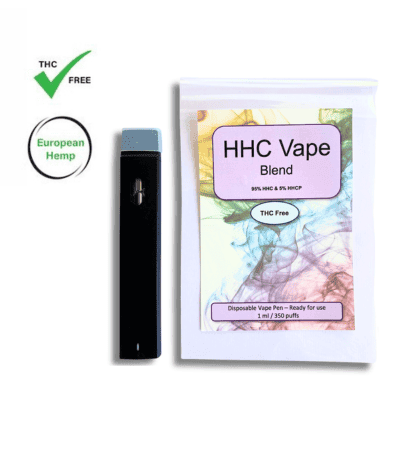 HHC Vape€35.00
 -
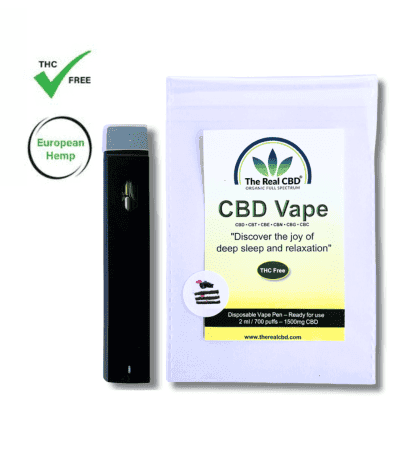 CBD Vape – Broad Spectrum€35.00
 -
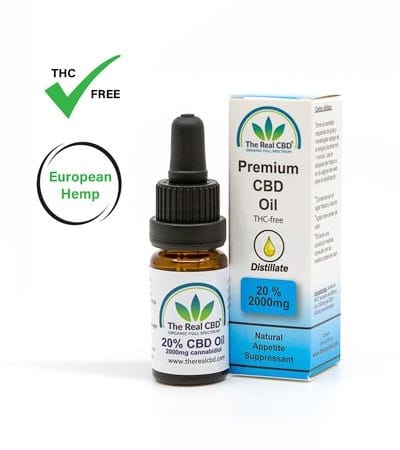 20% CBD oil – Distillate€72.00
 -
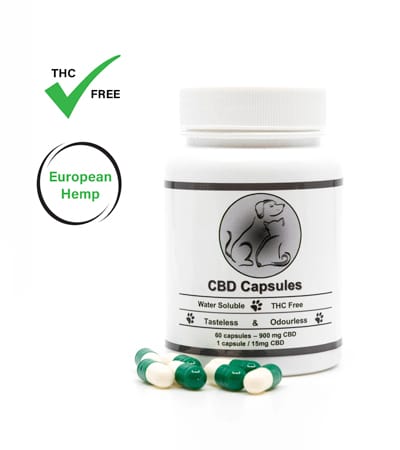 5% CBD Capsules for Pets€55.00
 -
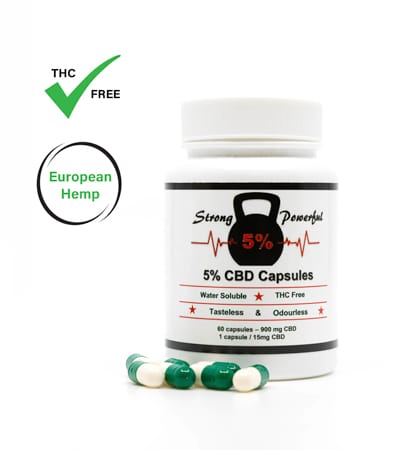 CBD Capsules for Athletes€55.00
 -
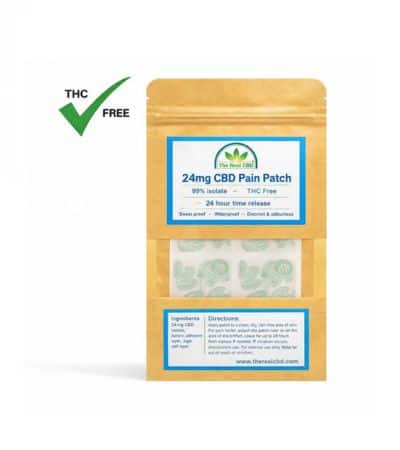 CBD Pain Patch 24mg€45.00
 -
 CBD Rub€17.50
 -
 CBD Sleep Support Pack€93.75

I am a certified expert in Medicinal Cannabis. We are all about giving correct and trustworthy information. We know how important it is to learn about CBD and cannabis, which is why we want to be your go-to source for trustworthy information. We help you improve your health by using our knowledge and experience as a starting point.














Leave a Reply
Want to join the discussion?Feel free to contribute!