
Can Dogs Take CBD With Other Medications?
As pet parents, we’re always on the lookout for ways to improve our furry friends’ quality of life, especially when they’re dealing with health challenges. In recent years, CBD oil has emerged as a popular supplement for dogs suffering from various conditions ranging from anxiety to chronic pain. But what happens when your pup is already taking prescribed medications? Is it safe to add CBD to their regimen, or could it lead to harmful interactions?
This question—”Can I give my dog CBD oil with other medications?”—is one that veterinarians are hearing with increasing frequency. The answer isn’t straightforward and requires understanding how CBD works in a dog’s body, how it might interact with conventional medications, and what precautions you should take before introducing this supplement.
In this comprehensive guide, we’ll explore everything you need to know about giving CBD oil to dogs who are already on medication. We’ll dive into the science behind potential interactions, discuss which medications might pose higher risks, and provide practical advice for pet owners considering CBD as a complementary therapy.
Estimated reading time: 24 Minuten
- Understanding CBD Oil for Dogs
- How CBD Interacts with a Dog’s Body
- Potential Benefits of CBD for Dogs
- The Science Behind Drug Interactions
- Common Medications That May Interact with CBD
- CBD and Pain Medications in Dogs
- Opioid pain medications
- CBD’s Effect on Seizure Medications
- Heart Medications and CBD Interactions
- Anxiety Medications and CBD: Compatible or Not?
- What does the vets think?
- Signs of Adverse Reactions to Watch For
- How to Safely Introduce CBD to Your Dog’s Regimen
- Talking to Your Veterinarian About CBD
- Conclusion
- Frequently Asked Questions
- The Real CBD for dogs on Medication
Understanding CBD Oil for Dogs
CBD (cannabidiol) is a naturally occurring compound found in cannabis plants, including hemp. Unlike THC (tetrahydrocannabinol), CBD doesn’t produce psychoactive effects—in other words, it won’t get your dog “high.” This crucial difference has made CBD an appealing option for pet owners seeking natural remedies for their dogs’ ailments.
CBD oil specifically formulated for dogs typically comes from hemp plants, which contain high levels of CBD and minimal THC (less than 0.2%). These products come in various forms, including oils, treats, capsules, and topical applications.
What makes CBD so interesting from a therapeutic perspective is its potential versatility. Research suggests it may help with conditions ranging from anxiety and stress to chronic pain, inflammation, seizures, and even certain neurological disorders. However, it’s important to note that while anecdotal evidence is abundant, scientific research specifically on CBD use in dogs is still evolving.
How CBD Interacts with a Dog’s Body
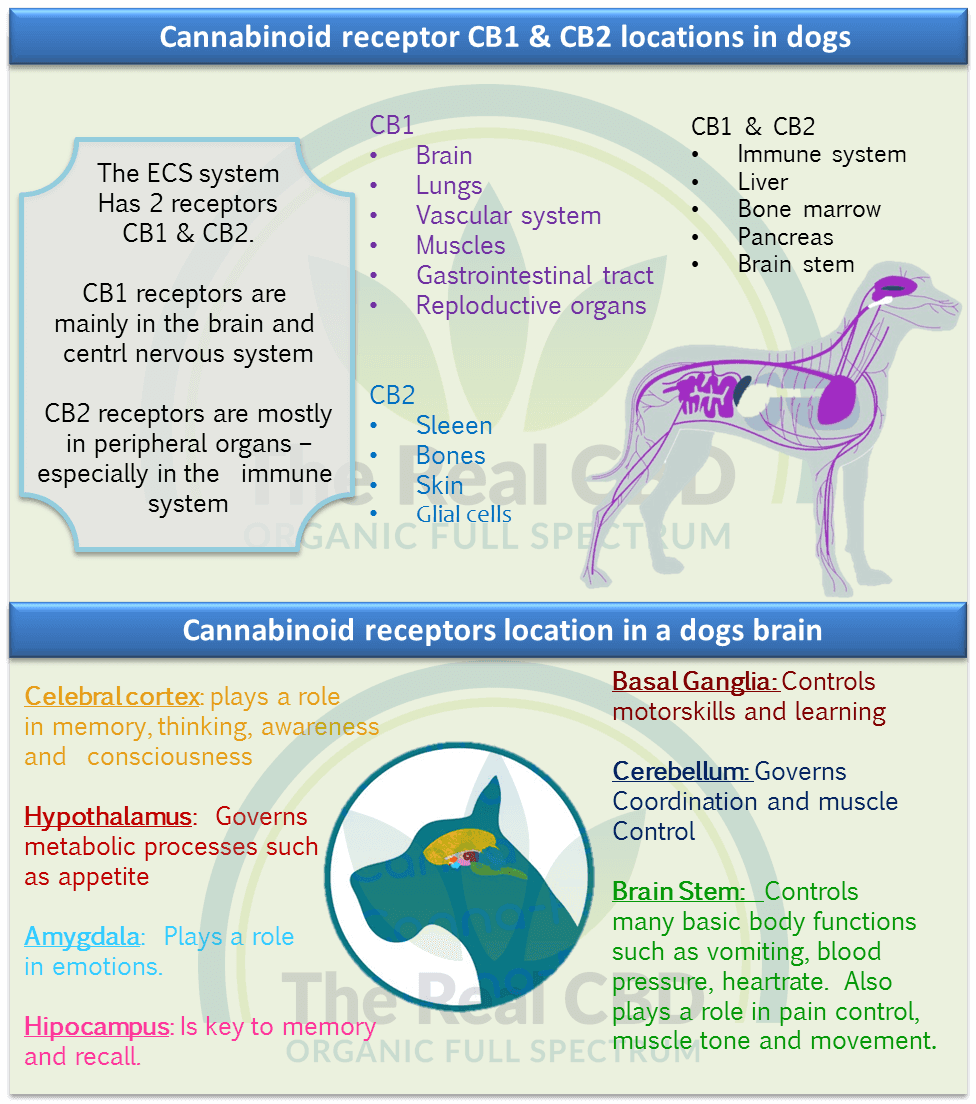
To understand potential medication interactions, we first need to grasp how CBD functions within your dog’s body. Like humans, dogs have an endocannabinoid system (ECS), a complex cell-signaling network that helps maintain balance across various bodily functions including mood, memory, pain perception, immune response, and more.
The ECS consists of three primary components:
- Endocannabinoids: Molecules naturally produced by the body
- Receptors: Found throughout the body that endocannabinoids bind to
- Enzymes: Break down endocannabinoids once they’ve served their purpose
When CBD enters your dog’s system, it doesn’t bind directly to ECS receptors like other cannabinoids might. Instead, it appears to work by inhibiting the enzymes that break down naturally occurring endocannabinoids, allowing them to have a more pronounced effect.
What’s particularly relevant to our discussion about medication interactions is that CBD is metabolized in the liver by a set of enzymes known as the cytochrome P450 enzyme system. This is the same enzyme system responsible for processing many drugs, including common medications prescribed to dogs. When CBD and these medications compete for the same metabolic pathways, it can alter how each substance affects the body.
Think of your dog’s liver enzymes as highway toll booths. Only so many vehicles (medications) can pass through at once. When CBD enters the picture, it can either slow down or speed up this traffic, potentially changing how much medication enters your dog’s bloodstream and how long it stays active in their system.
Prednisone and CBD Oil for Dogs: What Every Pet Parent Should Know
Potential Benefits of CBD for Dogs
Before we dive deeper into medication interactions, let’s briefly outline why pet owners consider CBD in the first place. Understanding the potential benefits provides context for why someone might want to add CBD to their dog’s treatment plan, even when the dog is already taking other medications.
- Pain management is perhaps the most common reason pet owners turn to CBD. Dogs with arthritis, hip dysplasia, or recovering from surgery might benefit from CBD’s anti-inflammatory properties. Many pet owners report noticeable improvements in their dog’s mobility and comfort levels after starting CBD.
- Anxiety and stress reduction is another major application. Whether it’s separation anxiety, noise phobias (like thunderstorms or fireworks), or general nervousness, CBD appears to have calming effects on many dogs without the sedation that might come with prescription anxiolytics.
- For dogs with seizure disorders, some studies suggest CBD may help reduce the frequency and severity of episodes. In fact, the FDA has approved a CBD-based medication called Epidiolex for certain types of seizures in humans, though there’s no equivalent approved specifically for dogs yet.
Other reported benefits include help with digestive issues, appetite stimulation, and general immune system support. Some pet owners even use it as part of a palliative care approach for dogs with cancer, though it’s important to note CBD is not a cure for any condition.
These potential benefits explain why a pet owner might want to add CBD to their dog’s regimen, even when the dog is already taking other medications. However, this is precisely where caution is needed, as these beneficial effects must be weighed against possible interaction risks.
Related content
The Science Behind Drug Interactions
To understand why CBD might interact with your dog’s medications, we need to explore the concept of drug metabolism. When your dog takes any medication—or supplement like CBD—it undergoes processing by the body through several phases before being eliminated.

First-pass metabolism occurs primarily in the liver, where specialized enzymes transform drugs into metabolites that can be more easily excreted. The most important enzyme family in this process is the cytochrome P450 (CYP450) system, which includes dozens of different enzymes responsible for metabolizing approximately 60% of all medications.
CBD has been shown to temporarily inhibit several of these CYP450 enzymes. When these enzymes are inhibited, they can’t process other medications as efficiently, potentially leading to higher-than-expected levels of those drugs in the bloodstream. It’s somewhat like trying to exit through a revolving door while someone else is pushing from the other side—progress slows down considerably.
Interaction that can result in two primary concerns
- Medication buildup: If CBD causes your dog’s body to metabolize other medications more slowly, those drugs may accumulate to higher levels than intended, potentially causing side effects or even toxicity.
- Reduced efficacy: Conversely, if CBD somehow accelerates the metabolism of certain medications (which can happen with some drug interactions), the medication might be cleared from the body too quickly to be effective.
The scientific term for these types of interactions is pharmacokinetic interactions—where one substance affects the absorption, distribution, metabolism, or excretion of another substance. CBD can also cause pharmacodynamic interactions, where it directly enhances or opposes the effects of another drug by acting on the same or related biological targets.
Understanding these mechanisms helps explain why certain medication combinations with CBD warrant extra caution. Not all medications will interact significantly with CBD, but those that do could potentially cause problems if not properly managed.
Common Medications That May Interact with CBD
When considering adding CBD to your dog’s regimen, it’s crucial to know which medications might present interaction risks. While this list isn’t exhaustive, it covers many commonly prescribed medications that have known or potential interactions with CBD:
NSAIDs (Non-Steroidal Anti-Inflammatory Drugs):
These anti-inflammatory pain relievers are frequently prescribed for dogs with arthritis or post-surgical pain. CBD may increase the concentration of these drugs in the bloodstream, potentially increasing the risk of side effects like gastrointestinal upset or even GI ulceration.
Corticosteroids:
Commonly used for allergies, inflammation, and autoimmune conditions, these medications might interact with CBD through similar liver metabolism pathways.
Anticonvulsants/Seizure Medications:
These medications require precise dosing to control seizures effectively. Any interaction that alters their concentration could potentially affect seizure control.
Heart and Blood Pressure Medications:
CBD may potentiate some of the effects of these medications, potentially leading to excessive blood pressure reduction.
Anxiety Medications:

Since both CBD and these medications affect neurotransmitter systems involved in mood regulation, there’s potential for additive effects.
Thyroid Medications:
Thyroid medications require precise dosing and absorption. Any substance that affects metabolism could potentially impact thyroid medication effectiveness.
Antibiotic/Antifungal Medications:
Some of these medications strongly inhibit the same liver enzymes affected by CBD, potentially creating significant interaction concerns.
Chemotherapy Drugs
Virtually all chemotherapy agents have narrow therapeutic windows and could potentially interact with CBD.
The severity of these interactions can vary widely based on dosages, individual metabolism, the specific formulations used, and your dog’s overall health status. This complexity is why consulting with a veterinarian before combining CBD with any medication is absolutely essential.
CBD and Pain Medications in Dogs
Pain management is one of the most common reasons pet owners consider adding CBD to their dog’s treatment plan. Many dogs, especially seniors, are already taking prescribed pain medications when owners begin researching CBD as a complementary option.
NSAIDs (Non-Steroidal Anti-Inflammatory Drugs) like carprofen, meloxicam, and deracoxib are standard treatments for managing chronic pain in dogs, particularly from conditions like arthritis.

CBD also appears to have anti-inflammatory properties, but it works through different mechanisms—primarily through the endocannabinoid system and other non-endocannabinoid receptors. This difference in mechanism might make CBD seem like a perfect complementary therapy to NSAIDs.
However, there’s a potential concern: both CBD and NSAIDs are metabolized by the CYP450 enzyme system in the liver. When used together, CBD might slow the metabolism of NSAIDs, leading to higher blood levels of the pain medication than intended. This could potentially increase the risk of side effects including:
- Gastrointestinal upset or ulceration
- Kidney stress or damage
- Liver enzyme elevations
- Bleeding problems
It’s like turning up the volume on both the beneficial effects and the potential side effects of the pain medication. Some dogs might actually benefit from this interaction if it allows for lower doses of NSAIDs while maintaining pain control. Others might experience more adverse effects.
Opioid pain medications
Opioids like tramadol or hydrocodone, sometimes prescribed for severe pain in dogs, present another consideration. CBD might enhance the pain-relieving effects of opioids—potentially allowing for lower doses—but could also potentially enhance side effects like sedation or respiratory depression.
For corticosteroids like prednisone, which are sometimes used for inflammatory conditions, CBD might either enhance their anti-inflammatory effects or interfere with their metabolism, depending on various factors including dosages and individual dog characteristics.
This doesn’t mean CBD can’t be used alongside pain medications, but it does mean careful monitoring and potential dosage adjustments may be necessary. Many veterinarians who are knowledgeable about CBD will start with lower doses of both the conventional medication and CBD, then adjust based on the dog’s response.
CBD’s Effect on Seizure Medications

For dogs with epilepsy or other seizure disorders, anticonvulsant medications are often lifelong necessities. When considering adding CBD to an existing seizure medication protocol, there are several important factors to understand.
CBD itself has demonstrated anticonvulsant properties. In fact, research suggests it may help reduce seizure frequency and severity in both humans and dogs. This potential benefit makes CBD particularly interesting as a complementary therapy for dogs with seizures that aren’t fully controlled by conventional medications.
However, the interaction between CBD and anticonvulsant drugs is complex and not fully understood. Phenobarbital and other anticonvulsants are predominantly metabolized by the liver’s CYP450 enzyme system—the same system affected by CBD. This creates potential for significant interactions:
- CBD may raise blood levels of certain anticonvulsants by competing for the same metabolic pathways
- This could potentially enhance seizure control but also increase the risk of side effects
- Alternatively, in some cases, CBD might lower the effectiveness of certain anticonvulsants
- Zonisamide is metabolized by the CYP450 system and might have significant interactions
For dogs with well-controlled seizures, adding CBD without veterinary supervision could disrupt that balance. For dogs with poorly controlled seizures, CBD might offer benefits but requires careful monitoring and possibly medication adjustments.
If you’re considering CBD for a dog on seizure medications, working with a veterinarian experienced in CBD use is especially important. They may recommend:
- Regular blood monitoring of anticonvulsant levels
- Starting with very low CBD doses and gradually increasing
- Keeping a detailed seizure journal to track any changes in frequency or severity
- Being alert for signs of medication toxicity or breakthrough seizures
Heart Medications and CBD Interactions
When it comes to dogs with cardiovascular conditions, medication interactions require particularly careful consideration. Heart medications often have narrow therapeutic windows—meaning the difference between an effective dose and a potentially harmful one can be small. CBD’s impact on these medications could have significant consequences for dogs with heart disease.
Blood pressure medications
are commonly prescribed to dogs with heart conditions. These include ACE inhibitors like enalapril or benazepril, beta-blockers like atenolol, and calcium channel blockers. CBD itself appears to have mild blood-pressure-lowering effects in some studies. When combined with prescription blood pressure medications, this could potentially lead to additive effects and excessive blood pressure reduction.

Imagine your dog’s blood pressure regulation as a thermostat system. Blood pressure medications turn the temperature down, and CBD might also turn it down a bit further. Together, they could potentially make the room too cold, so to speak.
Diuretics
like furosemide (Lasix) are often prescribed to dogs with congestive heart failure to reduce fluid buildup. CBD may influence how these medications are metabolized and could potentially affect electrolyte balance when combined with diuretics.
Heart rhythm medications
such as diltiazem or sotalol require precise dosing to maintain proper cardiac function. Any substance that alters their metabolism—as CBD potentially could—might affect their efficacy or safety.
For dogs taking blood thinners or anticoagulants, there’s another consideration. Some research suggests CBD may have mild anticoagulant properties of its own. Combined with prescription anticoagulants, this could theoretically increase bleeding risk, though clinical evidence in dogs is limited.
Dogs with heart conditions typically undergo regular monitoring including blood pressure checks, bloodwork, and sometimes ECGs or echocardiograms. If CBD is added to their regimen, this monitoring becomes even more crucial to ensure the combination is both safe and effective.
Good News
The good news is that for some cardiac patients, the anti-inflammatory and anxiety-reducing properties of CBD might actually complement their cardiac care. Stress and inflammation can exacerbate heart conditions, so addressing these factors could potentially be beneficial—but only if done safely with proper medical supervision.
Some veterinary cardiologists are beginning to incorporate CBD into treatment plans for certain patients, but they do so with careful attention to potential interactions and with frequent reassessment of the dog’s condition and medication needs.
Anxiety Medications and CBD: Compatible or Not?
Anxiety disorders are remarkably common in dogs, and many canine patients take prescription medications to manage conditions ranging from separation anxiety to noise phobias to generalized anxiety. When considering adding CBD to an existing anxiety medication regimen, there are several important factors to evaluate.
Selective Serotonin Reuptake Inhibitors (SSRIs)
like fluoxetine (Prozac) and sertraline (Zoloft) are frequently prescribed for canine anxiety. These medications work by increasing serotonin levels in the brain. CBD appears to interact with serotonin receptors as well, though through somewhat different mechanisms. This overlap creates potential for both beneficial and problematic interactions.
On one hand, some dog owners report enhanced anxiety relief when combining CBD with conventional anxiety medications. On the other hand, there’s a theoretical risk of “serotonin syndrome”—a condition caused by excessive serotonin activity—though this appears to be rare in practice when CBD is used at appropriate doses.
Tricyclic antidepressants
like clomipramine and amitriptyline are another class of medications used for anxiety in dogs. These medications affect multiple neurotransmitter systems and are metabolized through pathways that CBD might influence. The potential for interactions is significant and might include:
- Enhanced sedation
- Potential cardiac effects
- Changes in efficacy due to altered metabolism
Benzodiazepines

like alprazolam (Xanax) or diazepam (Valium), sometimes prescribed for acute anxiety episodes in dogs, work on GABA receptors in the brain. CBD may amplify the sedative effects of these medications, potentially causing excessive drowsiness or even coordination problems.
Here’s where the comparison becomes helpful: If anxiety medications are like putting a dimmer switch on your dog’s stress response, adding CBD is like adjusting a second dimmer on the same circuit. This could create just the right lighting atmosphere, or it could make the room too dark, depending on how both dimmers are set.
What does the vets think?
Interestingly, some veterinary behaviorists are exploring whether CBD might allow for lower doses of conventional anxiety medications while maintaining or even improving anxiety control. This approach—sometimes called “adjunctive therapy”—could potentially reduce side effects from conventional medications while still providing effective anxiety management.
For dogs with situation-specific anxieties (like thunderstorms or fireworks), some owners use CBD on an as-needed basis alongside their regular anxiety medications. This approach requires particular caution to avoid overlapping peak effects of multiple anxiety-reducing compounds.
The bottom line? CBD and anxiety medications aren’t necessarily incompatible, but their combination requires thoughtful consideration, appropriate dosing, and regular monitoring for both efficacy and side effects.
Signs of Adverse Reactions to Watch For
When introducing CBD to a dog already taking medication, vigilant monitoring becomes essential. Knowing what warning signs might indicate a problematic interaction can help you catch issues early before they become serious. Here are the key symptoms that should prompt immediate veterinary attention:
- Excessive sedation or lethargy beyond what would be expected from either medication alone is often the first sign of an interaction. If your normally active dog becomes unusually sluggish, sleepy, or difficult to rouse, this could indicate that CBD is enhancing the sedative effects of other medications or that metabolism changes are causing medication buildup.

- Digestive disturbances such as vomiting, diarrhea, decreased appetite, or abdominal pain might signal GI irritation from enhanced NSAID effects or other medication interactions. While mild digestive upset can sometimes occur when starting CBD alone, persistent or severe symptoms warrant veterinary evaluation.
- Ataxia (uncoordinated movement) or difficulty walking may indicate neurological effects from medication interactions, particularly with seizure medications, anxiety medications, or pain medications. Watch for stumbling, swaying while standing, or reluctance to move.
- Changes in seizure patterns in epileptic dogs—whether increased frequency, increased severity, or breakthrough seizures in previously controlled patients—could signal an interaction with anticonvulsant medications.
- Bleeding abnormalities might occur if CBD enhances the effects of medications that affect blood clotting. Signs include unusual bruising, bleeding gums, nosebleeds, blood in urine or stool, or prolonged bleeding from minor wounds.
- Behavioral changes beyond the expected calming effect of CBD, such as unusual aggression, disorientation, or extreme lethargy, could indicate neurological effects from drug interactions.
- Drinking or urinating more than usual might indicate kidney stress or altered effects of medications like diuretics or corticosteroids.
- Changes in gum color to very pale, bluish, or bright red could indicate cardiovascular effects that require immediate attention.
- Allergic reactions are possible with any new supplement. Watch for facial swelling, hives, intense itching, or difficulty breathing, which require emergency veterinary care.
Remember that these signs can range from subtle to obvious, and early intervention is always preferable. It’s particularly important to monitor your dog closely during the first few weeks after adding CBD, as this is when interaction effects are most likely to emerge.
Many pet owners find it helpful to keep a simple journal noting their dog’s behavior, activity level, appetite, medication timing, and CBD administration. This information can be invaluable to your veterinarian if concerns arise and can help establish patterns that might not be obvious in day-to-day observation.
How to Safely Introduce CBD to Your Dog’s Regimen

If you’ve consulted with your veterinarian and decided to move forward with adding CBD to your dog’s medication protocol, following a careful introduction strategy can help minimize risks and maximize potential benefits. Here’s a step-by-step approach to safely incorporating CBD:
- Start with veterinary approval. Before adding CBD, share the specific product you’re considering with your veterinarian. Bring the product information, including concentration (mg of CBD per mL or per treat), full ingredient list, and third-party testing results if available.
Choose high-quality products.
Look for CBD products specifically formulated for pets that provide:
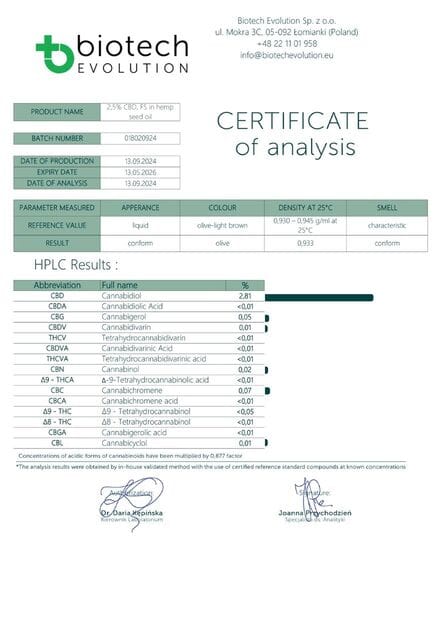
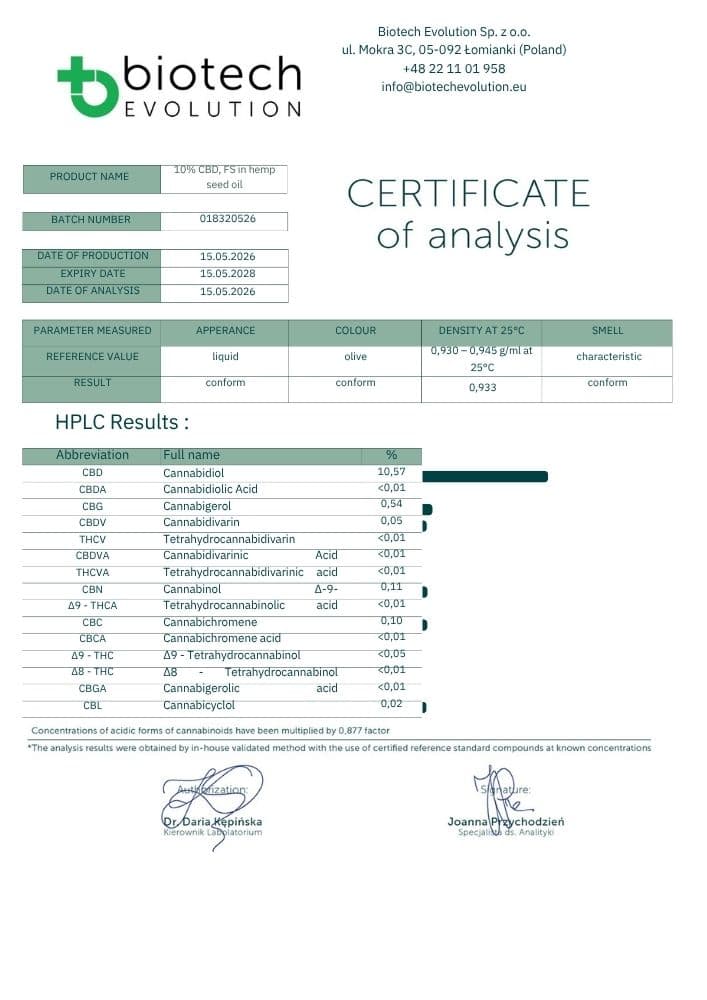
- Certificate of Analysis (COA) from independent laboratory testing
- Verification of CBD content that matches the label
- Confirmation of less than 0.3% THC
- Testing for contaminants like pesticides, heavy metals, and mold
- Begin with a very low dose. The general principle of “start low and go slow” is particularly important when your dog is already taking other medications. Many veterinarians recommend starting with about 0.1-0.2 mg of CBD per kg of your dog’s body weight, given twice daily. This is significantly lower than typical recommended doses for CBD used alone.
- Create separation between medications. When possible, administer CBD at least 1-2 hours apart from other medications to minimize direct interaction. This separation gives your dog’s body time to begin processing one substance before introducing another.
- Gradually increase if needed. If you don’t observe desired effects after a week at the starting dose, you can gradually increase the amount—but do so in small increments (25-50% increases) with several days between adjustments to allow your dog’s system to adapt.
Document everything
Keep a detailed log that includes:

- Times and amounts of all medications and CBD administration
- Changes in symptoms you’re treating with CBD
- Any side effects or new symptoms
- Changes in eating, drinking, sleeping, or activity level
- Specific observations about your dog’s condition
- Schedule regular veterinary check-ups. Depending on your dog’s conditions and medications, your vet may recommend more frequent visits, blood tests to check drug levels, liver and kidney function tests, or other monitoring while introducing CBD.
- Be prepared to adjust conventional medications. In some cases, your veterinarian might recommend reducing doses of certain medications as CBD is introduced, particularly if the medications have sedative effects or if CBD is known to increase their blood levels.
- Consider a “drug holiday” approach. For situation-specific uses (like storm anxiety), some veterinarians recommend temporarily suspending CBD use if your dog needs certain medications for acute conditions, to minimize interaction risks.
- Know when to step back. If you notice any concerning symptoms after starting CBD, be prepared to discontinue it and consult your veterinarian promptly. In some cases, a different CBD product, different dosing schedule, or different approach entirely might be needed.
Remember that this process is highly individualized. What works perfectly for one dog might not be appropriate for another, even with similar conditions and medications. Patience and careful observation are essential parts of safely introducing CBD to your dog’s healthcare regimen.
Talking to Your Veterinarian About CBD

Having an open, honest conversation with your veterinarian about CBD is crucial when your dog is taking other medications. However, this conversation can sometimes feel challenging due to varying veterinary perspectives on CBD and, in some areas, legal or professional constraints on what veterinarians can discuss or recommend.
Prepare for your appointment
By gathering information about:
- Your dog’s complete medication list, including supplements and over-the-counter products
- Specific symptoms you hope CBD might help address
- Any research you’ve done or products you’re considering
- Questions about potential interactions with your dog’s specific medications
Approach the conversation without assumptions.
Begin by asking if your veterinarian is comfortable discussing CBD as a complementary option for your dog. If they explain they have legal or professional limitations on discussing CBD, respect these boundaries while still seeking the guidance you need.
Be completely transparent.
If you’re already giving your dog CBD, be honest about it, even if you’re unsure of your veterinarian’s stance. This information is critical for your dog’s safety, especially regarding medication interactions. Remember that veterinarians are primarily concerned with your pet’s wellbeing, not judging your choices.
Ask specific questions
Somthing like:
- “Based on my dog’s current medications, are there particular concerns about adding CBD?”
- “Would we need to adjust any of his current medication doses if we tried CBD?”
- “What monitoring would you recommend if we decided to try CBD?”
- “Are there specific signs of drug interactions I should watch for?”
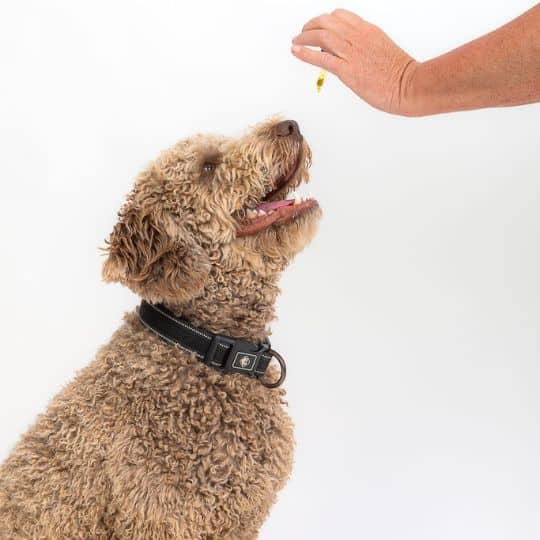
Seek specialist input when appropriate. If your regular veterinarian isn’t comfortable or knowledgeable about CBD, you might consider consulting with a veterinarian who specializes in integrative medicine, cannabis medicine, or who has specific experience with CBD in pets. Many offer remote consultations that can complement your primary vet’s care.
Request medication monitoring
if you do proceed with CBD. Depending on your dog’s conditions and medications, your vet might recommend:
- Blood tests to check levels of certain medications
- Liver enzyme monitoring
- Kidney function assessment
- Blood pressure checks
- More frequent physical examinations
Remember that veterinary perspectives on CBD are evolving as more research emerges. A veterinarian who was hesitant about CBD a few years ago might have a different view today based on new studies and clinical experience. Similarly, a veterinarian who seems dismissive of CBD might simply be expressing appropriate caution given your dog’s specific health conditions or medications.
The ideal outcome is finding a veterinarian who can work with you as a partner in your dog’s care—someone who respects your interest in exploring complementary options like CBD while helping you navigate potential risks, especially regarding medication interactions.
Conclusion
Navigating the intersection of conventional medications and CBD for your dog requires careful consideration, open communication with veterinary professionals, and vigilant monitoring. While current research suggests CBD may offer valuable benefits for many canine conditions, these benefits must be weighed against potential interaction risks when your dog is already taking medications.
The key takeaway is that CBD isn’t inherently incompatible with most medications, but its introduction requires a thoughtful, individualized approach. The same properties that make CBD potentially beneficial—its wide-ranging effects on multiple body systems—also create various possibilities for drug interactions that must be managed carefully.
Frequently Asked Questions
In most cases, no. CBD should generally be viewed as a complementary therapy rather than a replacement for prescribed medications, especially for serious conditions like epilepsy, heart disease, or severe pain. Some dogs may eventually require lower doses of certain medications when CBD is added to their regimen, but this should only happen under veterinary supervision with appropriate monitoring. Abruptly stopping prescribed medications can be dangerous and potentially life-threatening for conditions like epilepsy or heart disease.
For most medications, veterinarians typically recommend separating CBD administration by at least 1-2 hours from other medications to minimize direct interactions. However, this timing can vary based on specific medications and your dog’s individual metabolism. Some medications might require longer separation, while others might have minimal interaction concerns. Discuss optimal timing with your veterinarian based on your dog’s specific medication protocol.
Distinguishing therapeutic benefits from interaction effects requires careful observation and documentation. Remember that finding the optimal approach for your dog may require time, patience, and adjustments to both CBD and conventional medications under professional guidance. The goal is always to maximize benefits while minimizing risks for your canine companion.
The Real CBD for dogs on Medication
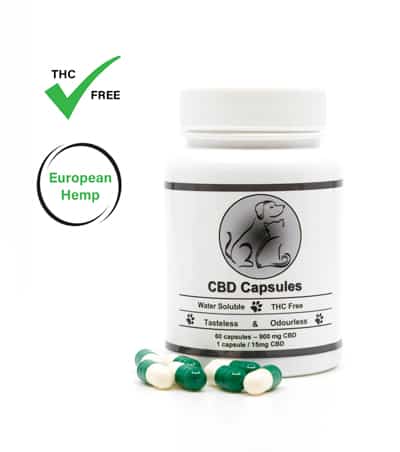
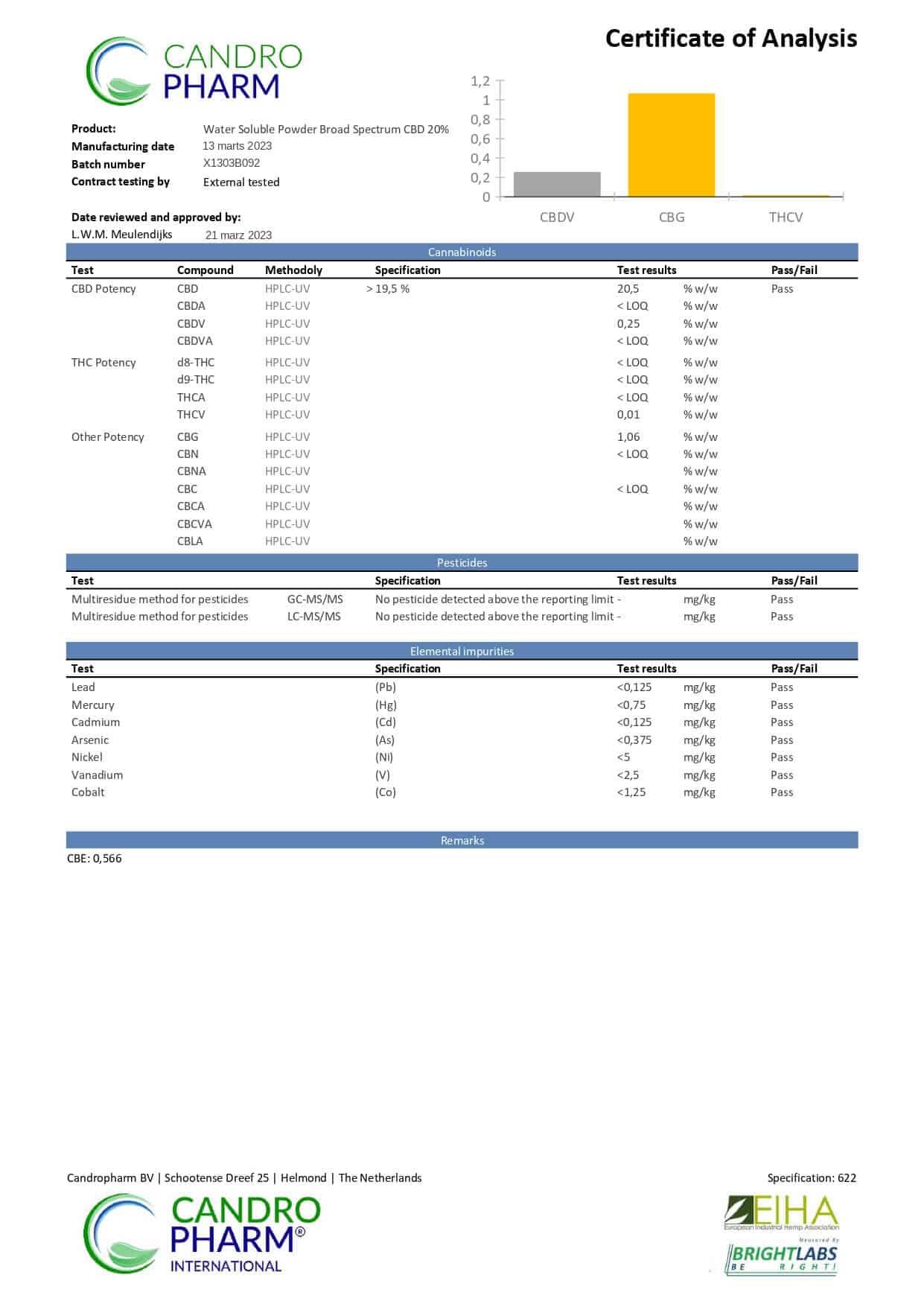

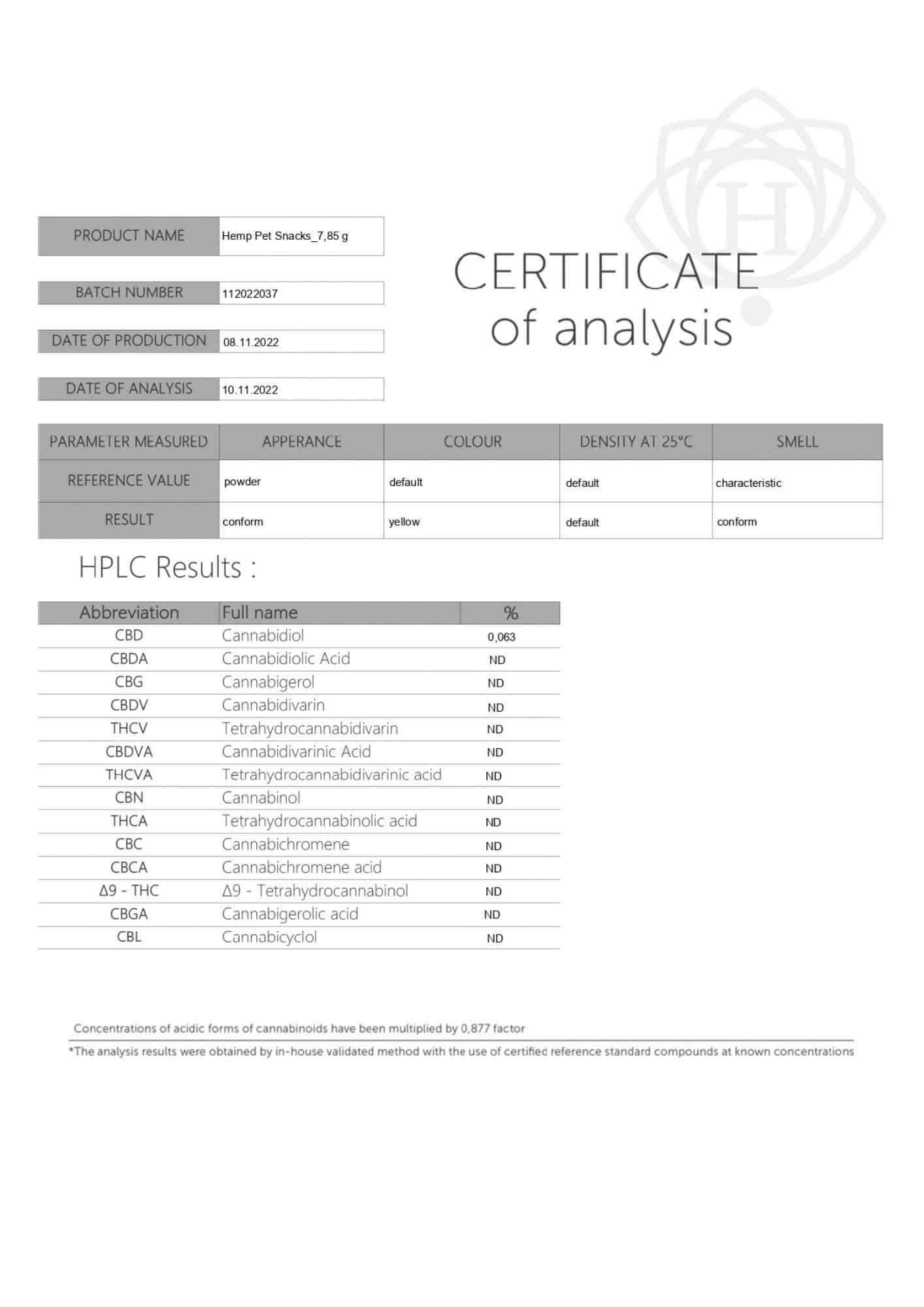


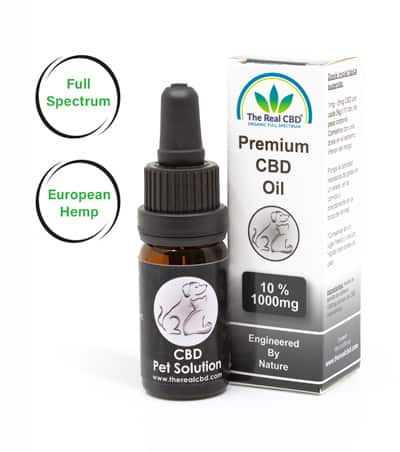
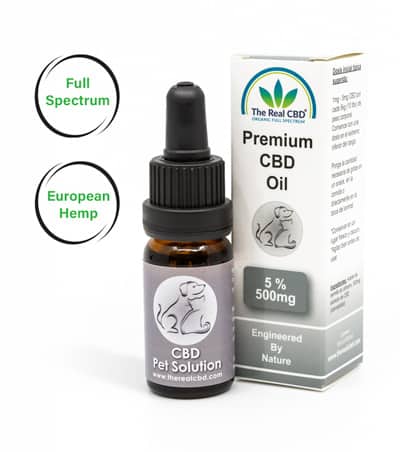


I am a certified expert in Medicinal Cannabis. We are all about giving correct and trustworthy information. We know how important it is to learn about CBD and cannabis, which is why we want to be your go-to source for trustworthy information. We help you improve your health by using our knowledge and experience as a starting point.












Leave a Reply
Want to join the discussion?Feel free to contribute!