
CBD Oil for Vestibular Disease in Dogs

One morning, your happy, tail-wagging dog suddenly starts stumbling, tilting its head, and looking at you with confused eyes. You panic — is it a stroke? Is your dog in pain? This frightening scenario is familiar to many pet parents who’ve experienced vestibular disease in dogs.
While it can look alarming, vestibular disease is often treatable, and most dogs recover well. Alongside veterinary care, many pet owners are turning to CBD oil for vestibular disease in dogs as a natural way to ease symptoms like dizziness, nausea, and anxiety.
In this guide, we’ll break down everything you need to know — from what vestibular disease is and how it affects your dog, to conventional treatments, natural remedies, and how The Real CBD’s 10% CBD Pet Solution can be a safe, supportive option for recovery.
Estimated reading time: 10 Minuten
- 1. Understanding Vestibular Disease in Dogs
- 2. How the Vestibular System Works
- 3. Types of Vestibular Disease
- 4. Common Causes in Dogs
- 5. Symptoms You Might See
- 6. How Vets Diagnose It
- 7. The Emotional Impact on Dogs and Owners
- 8. Conventional Veterinary Treatments
- 9. Why Pet Owners Consider CBD Oil
- 10. The Science Behind CBD for Dogs
- 11. Benefits of CBD Oil for Vestibular Disease in Dogs
- 12. The Real CBD’s 10% CBD Pet Solution
- 13. Real-Life Success Story – Max’s Recovery
- 14. How to Give CBD Oil to Dogs Safely
- 15. Dosage Guidelines for Vestibular Disease
- 16. Combining CBD with Other Treatments
- 17. Home Care Tips for Dogs with Vestibular Disease
- 18. Potential Risks and Precautions
- 19. Long-Term Outlook and Prevention
- 20. Conclusion – Helping Your Dog Back on Their Paws
- FAQs
- The Real CBD for Dogs
1. Understanding Vestibular Disease in Dogs
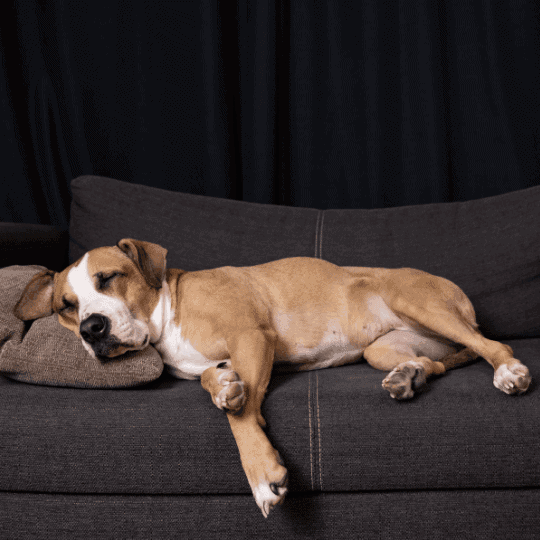
Vestibular disease affects a dog’s balance system, making them appear dizzy, unsteady, or even drunk-like in their movements. It’s sometimes called “Old Dog Vestibular Syndrome” when it appears in senior pets, but it can occur at any age.
The good news? Many cases are temporary, and with the right support — including CBD oil for vestibular disease in dogs — your pet can feel more comfortable during recovery.
2. How the Vestibular System Works
Think of your dog’s vestibular system as its internal gyroscope. Located in the inner ear and connected to the brain, it constantly monitors movement and position.
When functioning normally, it keeps your dog balanced and coordinated. But if something disrupts this system, the brain receives mixed signals — causing dizziness, head tilts, and loss of balance.
3. Types of Vestibular Disease
- Peripheral vestibular disease – affects the inner ear or vestibular nerve.
- Central vestibular disease – affects the brainstem or cerebellum.
Peripheral cases are more common and usually have a better prognosis. Central cases can be linked to more serious issues like tumours or infections.
4. Common Causes in Dogs
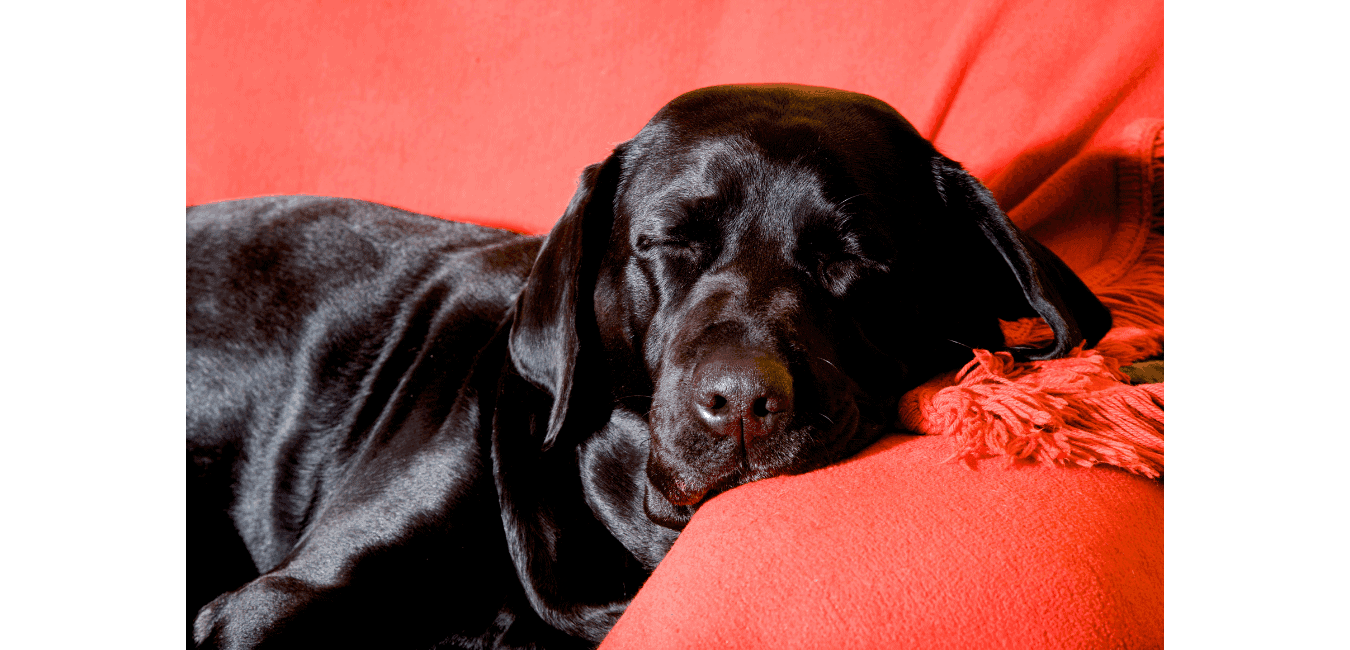
Vestibular disease can stem from:
- Ear infections (especially deep inner ear infections)
- Age-related degeneration
- Head injuries
- Tumours
- Toxin exposure
- Idiopathic (unknown cause)
5. Symptoms You Might See
- Head tilt
- Loss of balance
- Walking in circles
- Rapid eye movement (nystagmus)
- Nausea or vomiting
- Reluctance to move
- Disorientation
These signs can appear suddenly and often cause distress to both the dog and the owner.
6. How Vets Diagnose It
Vets will typically:
- Perform ear and neurological exams
- Check reflexes and eye movement
- Recommend imaging (MRI, CT scans) if needed
- Rule out stroke, brain tumours, or other causes
7. The Emotional Impact on Dogs and Owners
Dogs can become anxious when they lose their balance. They may avoid moving altogether, leading to frustration and confusion. For owners, seeing a once-active dog suddenly unable to stand or walk straight is heartbreaking.
This is where calming, natural remedies like CBD oil can play an important role — helping your pet relax while their body heals.
8. Conventional Veterinary Treatments
Treatment depends on the cause:
- Antibiotics for infections
- Anti-nausea medication
- Steroids or anti-inflammatories
- IV fluids if the dog isn’t eating or drinking
- Surgery for tumours (rare)
Recovery can take days to weeks, but most dogs improve significantly with proper care.
9. Why Pet Owners Consider CBD Oil
CBD (cannabidiol) is a natural compound from the hemp plant. While it’s not a cure, CBD oil for vestibular disease in dogs can:
- Ease nausea and vomiting
- Reduce anxiety from disorientation
- Support brain and nerve health
- Help with mild pain or inflammation
10. The Science Behind CBD for Dogs
CBD works with the endocannabinoid system (ECS), which regulates balance, mood, appetite, and inflammation. By interacting with ECS receptors in the brain and nervous system, CBD can help restore a sense of calm and reduce discomfort.
Related Content
11. Benefits of CBD Oil for Vestibular Disease in Dogs
- Anti-nausea effects – helps dogs eat and drink again
- Calming properties – reduces anxiety and fear
- Neuroprotective support – may help protect nerve cells
- Anti-inflammatory action – reduces swelling in the ear or brain
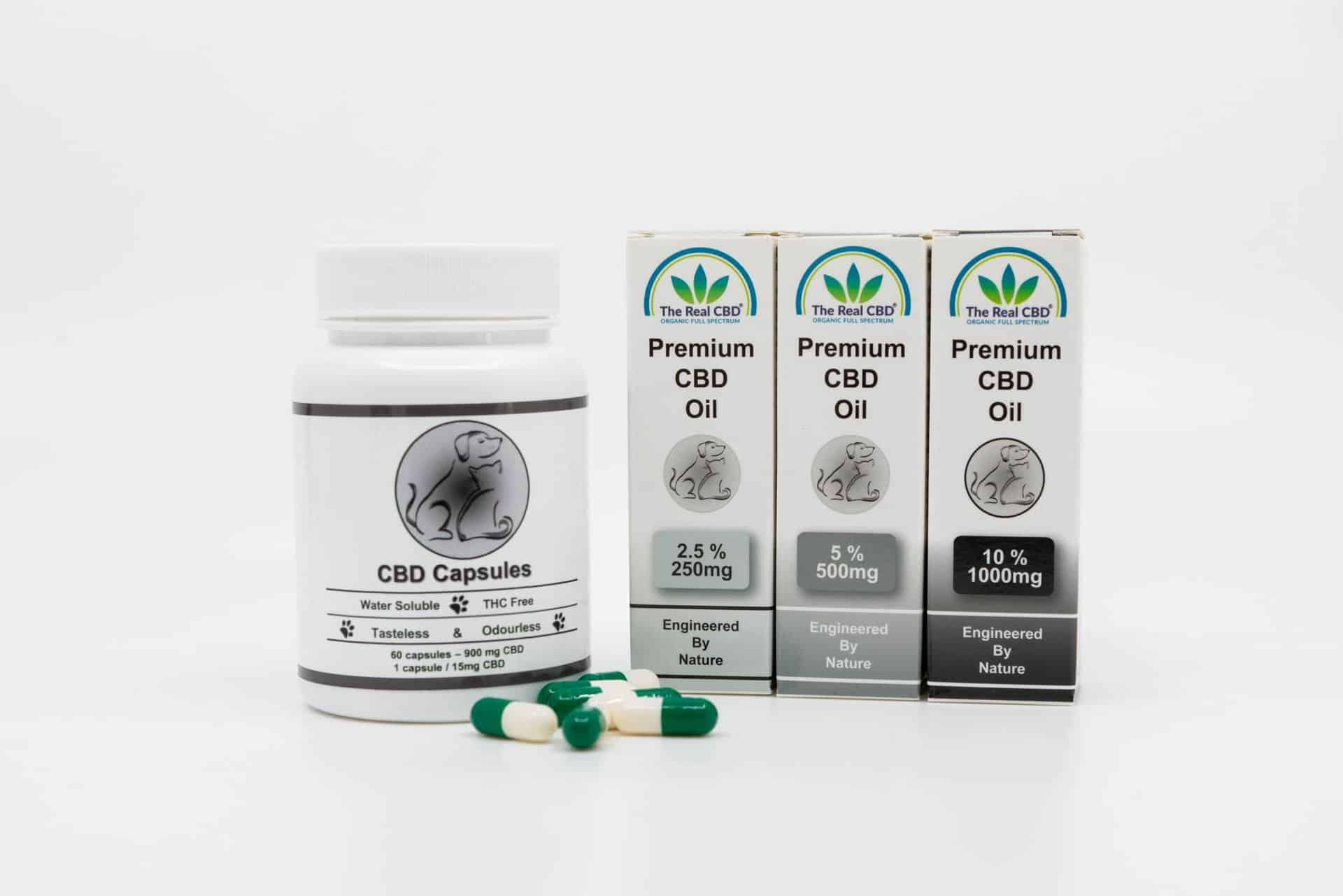
12. The Real CBD’s 10% CBD Pet Solution
Specially made for pets, The Real CBD’s 10% CBD Pet Solution:
- Uses organic, full-spectrum hemp extract
- Has a mild taste pets tolerate well
- Is easy to dose with a dropper
It’s designed for maximum bioavailability so your dog absorbs more of the beneficial compounds.
13. Real-Life Success Story – Max’s Recovery
Max, a 12-year-old Golden Retriever, woke up one morning unable to walk straight. His owner, Sarah, rushed him to the vet, who diagnosed idiopathic vestibular disease.
While Max received anti-nausea medication, Sarah also started him on The Real CBD’s 10% CBD Pet Solution. Within three days, Max was less anxious, his appetite returned, and he was able to stand without toppling over. By week two, his head tilt had improved, and he was back to short walks in the garden.
Sarah believes the CBD oil made his recovery smoother and far less stressful for both of them.
14. How to Give CBD Oil to Dogs Safely
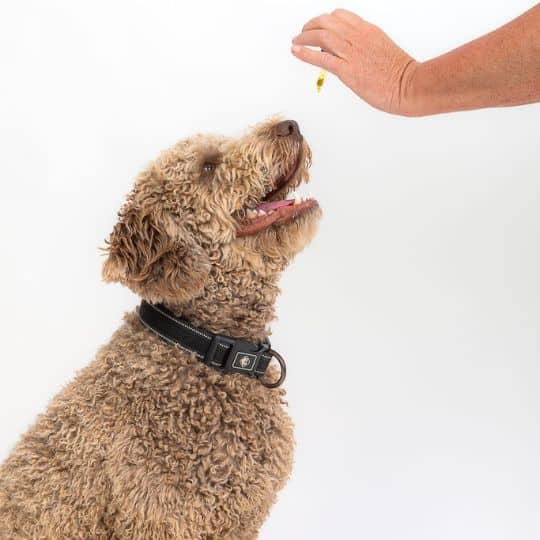
- Use a dropper directly in the mouth for fast absorption
- Mix with food for picky eaters
- Try in a spoonful of peanut butter for easy dosing
15. Dosage Guidelines for Vestibular Disease
A good starting point: 1–2mg CBD per 5kg body weight, twice daily. Adjust slowly based on results.
Example:
- 10kg dog → 2–4mg CBD twice daily
16. Combining CBD with Other Treatments
CBD can be used alongside:
- Antibiotics
- Anti-nausea drugs
- Physiotherapy
- Omega-3 supplements
- Acupuncture or massage therapy
17. Home Care Tips for Dogs with Vestibular Disease
- Use non-slip rugs
- Block stair access
- Keep the environment calm
- Offer small, frequent meals
- Be patient — recovery takes time
18. Potential Risks and Precautions
- Only use THC-free CBD oil
- Avoid overdosing
- Monitor for drowsiness or diarrhoea
- Store safely away from pets and children
19. Long-Term Outlook and Prevention

For most dogs, vestibular disease is not a life sentence. Many recover fully within a few weeks, especially when the cause is peripheral and not linked to a serious underlying condition. In fact, plenty of dogs go on to live happy, active lives with no recurring symptoms.
However, some dogs — particularly seniors — may experience:
- A slight, permanent head tilt (which, let’s be honest, can make them look even more endearing).
- Occasional balance “wobbles,” especially when tired or stressed.
- Mild anxiety in unfamiliar environments after their recovery.
Recurrence – Can It Happen Again?
Yes, vestibular disease can recur, especially if it was triggered by chronic ear infections, ongoing inflammation, or an underlying health issue like hypothyroidism. Idiopathic cases (where no cause is found) are less predictable — some dogs never have another episode, while others may experience one again months or years later.
Supporting Long-Term Brain and Balance Health
Just like humans, dogs benefit from proactive wellness habits to keep their nervous system strong. Here are some strategies to help reduce the risk of recurrence and support recovery:
1. Maintain Ear Health
- Regularly check and gently clean your dog’s ears (only as advised by your vet).
- Watch for signs of infection such as redness, odour, or excessive scratching.
2. Boost Brain Health with Nutrition
- Feed a high-quality diet rich in Omega-3 fatty acids (found in fish oil) to support brain and nerve function.
- Include antioxidant-rich foods or supplements to combat oxidative stress.
3. Use CBD Oil as a Preventive Wellness Tool
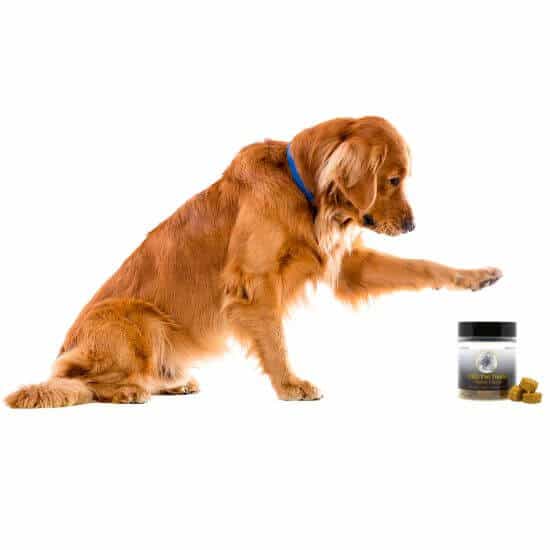
CBD isn’t just for symptom relief — its neuroprotective and anti-inflammatory properties may help keep the nervous system in better shape long term. Many pet owners continue a low, maintenance dose of The Real CBD’s 10% CBD Pet Solution after recovery to help:
- Reduce inflammation in the ear and brain.
- Keep anxiety at bay.
- Support overall wellness.
4. Keep Your Dog Physically and Mentally Active
- Gentle walks, balance exercises, and play help keep coordination sharp.
- Puzzle toys and training sessions keep the brain engaged and responsive.
5. Minimise Toxin Exposure
- Avoid certain medications or chemicals known to be toxic to the vestibular system.
- Store household cleaners safely away from curious noses.
When to Keep an Extra Eye on Your Dog
Even after recovery, contact your vet promptly if you notice:
- New or worsening head tilt
- Reappearance of rapid eye movements
- Trouble standing or walking
- Sudden changes in appetite or mood
Catching a relapse early means faster treatment and a better outcome.
20. Conclusion – Helping Your Dog Back on Their Paws
Vestibular disease is scary but often temporary. With veterinary care and supportive options like CBD oil for vestibular disease in dogs, you can help your furry friend stay calm, comfortable, and on the road to recovery. The Real CBD’s 10% CBD Pet Solution offers a safe, natural way to support balance, ease nausea, and bring peace of mind — for both you and your dog.
FAQs
No, but it can help ease symptoms and support comfort during recovery.
Some effects, like calming, may be seen within 30–60 minutes. Others, like reduced inflammation, may take a few days.
Yes, as long as it’s THC-free and properly dosed.
Yes, it’s often well-tolerated and can help older dogs feel more comfortable.
It may cause mild drowsiness, especially at higher doses.
Often yes, but check with your vet first.
Symptoms often improve within 1–3 weeks, but recovery can be slower in seniors.
It can’t prevent it entirely, but its neuroprotective benefits may support long-term brain health.
The Real CBD for Dogs


I am a certified expert in Medicinal Cannabis. We are all about giving correct and trustworthy information. We know how important it is to learn about CBD and cannabis, which is why we want to be your go-to source for trustworthy information. We help you improve your health by using our knowledge and experience as a starting point.











Leave a Reply
Want to join the discussion?Feel free to contribute!