
CBD for Anxiety After Quitting Nicotine

Quitting nicotine is one of the best things you can do for your body—and one of the toughest. If you’ve ever tried to stop smoking or vaping, you already know the drill: irritability, racing thoughts, restlessness, and that gnawing anxiety that seems to come out of nowhere. It can feel like your mind is a room full of buzzing bees 🐝.
That’s why so many people are now asking the same question: Can CBD help with anxiety after quitting nicotine?
Short answer (without the science lecture): it might help take the edge off.
In this guide, we’re going to break it all down in plain English. No jargon. No hype. Just an honest, human look at CBD for anxiety after quitting nicotine, how it may help, how to use it sensibly, and what to realistically expect.
Think of this article as a calm chat over a cup of tea while your nervous system catches its breath ☕.
Estimated reading time: 12 Minuten
- What Happens to Your Mind After Quitting Nicotine
- Why Anxiety Is So Common During Nicotine Withdrawal
- What Is CBD in Simple Terms
- How CBD May Support Anxiety Relief
- CBD vs Nicotine: How They Affect the Brain
- Can CBD Help With Nicotine Cravings
- Where CBD Comes In
- CBD and Stress-Driven Cravings
- CBD and Habit Loops
- Best Way to Use CBD for Cravings
- Best Types of CBD for Anxiety After Quitting Nicotine
- How to Use CBD Safely During Nicotine Withdrawal
- How Long CBD Takes to Work
- What CBD Can and Can’t Do
- Is CBD Safe and Non-Addictive?
- Common Mistakes People Make With CBD
- Lifestyle Tips to Boost CBD’s Calming Effects
- Who Should Be Careful With CBD
- Conclusion
- Frequently Asked Questions
- Best selling CBD for quitting nicotine
What Happens to Your Mind After Quitting Nicotine
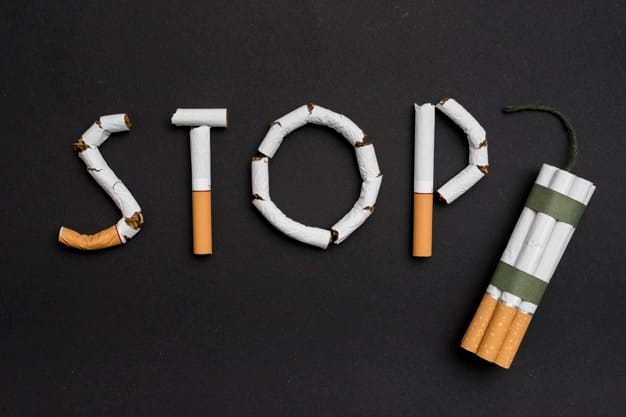
When you quit nicotine, your brain throws a bit of a tantrum. Nicotine has been artificially boosting feel-good chemicals for years (or months). When it suddenly disappears, your brain says, “Hey… where did my shortcut go?”
That’s when symptoms show up:
- Anxiety
- Low mood
- Irritability
- Trouble focusing
- Restlessness
It’s not weakness—it’s chemistry resetting itself.
Why Anxiety Is So Common During Nicotine Withdrawal
Nicotine trained your brain to relax on command. Stressful moment? Smoke. Bored? Vape. Feeling overwhelmed? Nicotine.
Once it’s gone, your nervous system feels like a car missing its shock absorbers—every bump feels bigger than it should 🚗.
Anxiety during withdrawal is your body learning how to self-regulate again. This is where CBD enters the conversation.
What Is CBD in Simple Terms
CBD (short for cannabidiol) is a natural compound from the hemp plant. It does not get you high and does not replace nicotine.
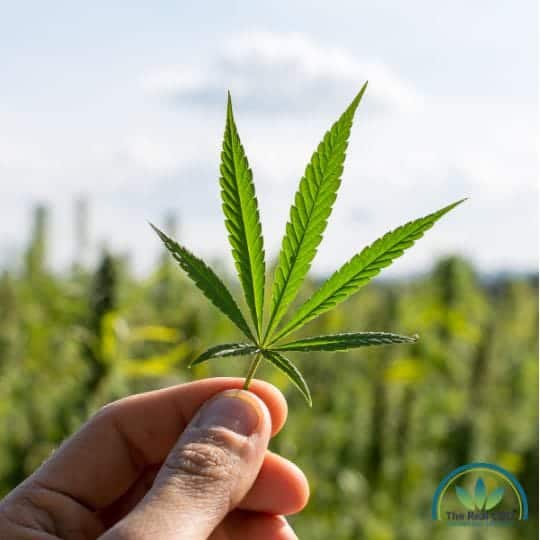
Think of CBD like a dimmer switch, not an on/off button. It doesn’t knock you out—it gently turns the volume down on stress and tension.
How CBD May Support Anxiety Relief
CBD works by interacting with your body’s internal balancing system (often called the endocannabinoid system—but we’ll keep it simple).
What matters to you:
- It may help calm racing thoughts
- It may support emotional balance
- It may help your body feel less “on edge”
People often describe it as feeling more steady, not sedated.
CBD vs Nicotine: How They Affect the Brain
Here’s a helpful analogy:
- Nicotine is like borrowing energy on a credit card—you feel good fast, but pay later with anxiety.
- CBD is more like a savings account—slow, steady, and supportive.
Nicotine overstimulates the brain. CBD encourages balance. That’s a big reason CBD is being explored for anxiety after quitting nicotine.
Can CBD Help With Nicotine Cravings
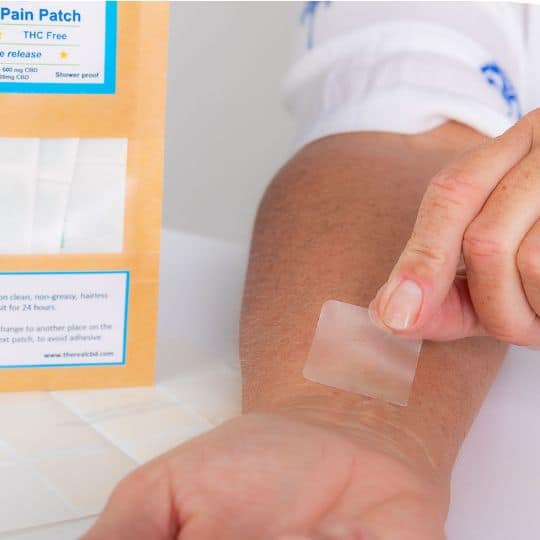
Let’s get this out of the way first: CBD doesn’t magically switch cravings off. If anyone promises that, they’re overselling it.
But here’s the good news—CBD may make cravings easier to handle, and that can be a game-changer when you’re quitting nicotine.
Why Nicotine Cravings Feel So Intense
Nicotine cravings aren’t just about wanting a cigarette or a vape. They’re usually a mix of:
- Stress
- Habit
- Emotional comfort
- Routine (coffee + smoke, break time, social moments)
When you quit, your brain is basically saying:
“I don’t like this feeling—fix it now.”
That’s why cravings can feel urgent, emotional, and sometimes overwhelming.
Where CBD Comes In
CBD doesn’t replace nicotine. Instead, it may help calm the background noise that makes cravings feel louder than they need to be.
Many people report that CBD helps with:
- Feeling less on edge
- Reduced stress during trigger moments
- Less emotional intensity around cravings

So instead of a craving feeling like a five-alarm fire, it might feel more like a passing thought you can ride out.
CBD and Stress-Driven Cravings
A big chunk of nicotine cravings are actually stress cravings, not chemical ones.
You’re not craving nicotine—you’re craving relief.
CBD may help by supporting a calmer nervous system, which can reduce that “I need something right now” feeling. When stress drops, cravings often follow.
Think of it like turning the volume down on a noisy room. The craving might still be there—but it’s no longer shouting.
CBD and Habit Loops
Nicotine habits are deeply wired. Same time, same place, same action.
CBD won’t break habits on its own, but it can make it easier to pause instead of react. That pause is powerful—it’s where new habits are built.
For example:
- Instead of reaching for a cigarette, you take CBD and go for a short walk
- Instead of vaping, you take a few deep breaths and let the urge pass
CBD supports the pause. You make the choice.
Best Way to Use CBD for Cravings
CBD works best for cravings when:
- Taken regularly, not just in panic moments
- Used alongside coping strategies (breathing, movement, hydration)
- Seen as support, not a cure
Many people find that cravings pass more quickly when their stress levels are lower overall—and that’s where CBD may really shine.
Best Types of CBD for Anxiety After Quitting Nicotine

Not all CBD is equal. Here’s a quick breakdown:
CBD Oil (Tinctures)
- Fast-acting
- Easy to adjust dose
- Great for anxiety support
- Convenient
- Slower onset
- Good for steady daily support
- Taste great
- Slower effects
- Helpful for mild anxiety
Most people quitting nicotine start with CBD oil for flexibility.
Related Content
How to Use CBD Safely During Nicotine Withdrawal
When you’re quitting nicotine, your body and mind are already doing a lot of heavy lifting. The goal with CBD isn’t to overwhelm your system—it’s to support it gently. Think of CBD like stabilisers on a bike: helpful while you’re finding your balance, but not something you need to overdo.
Start Low and Take It Slow
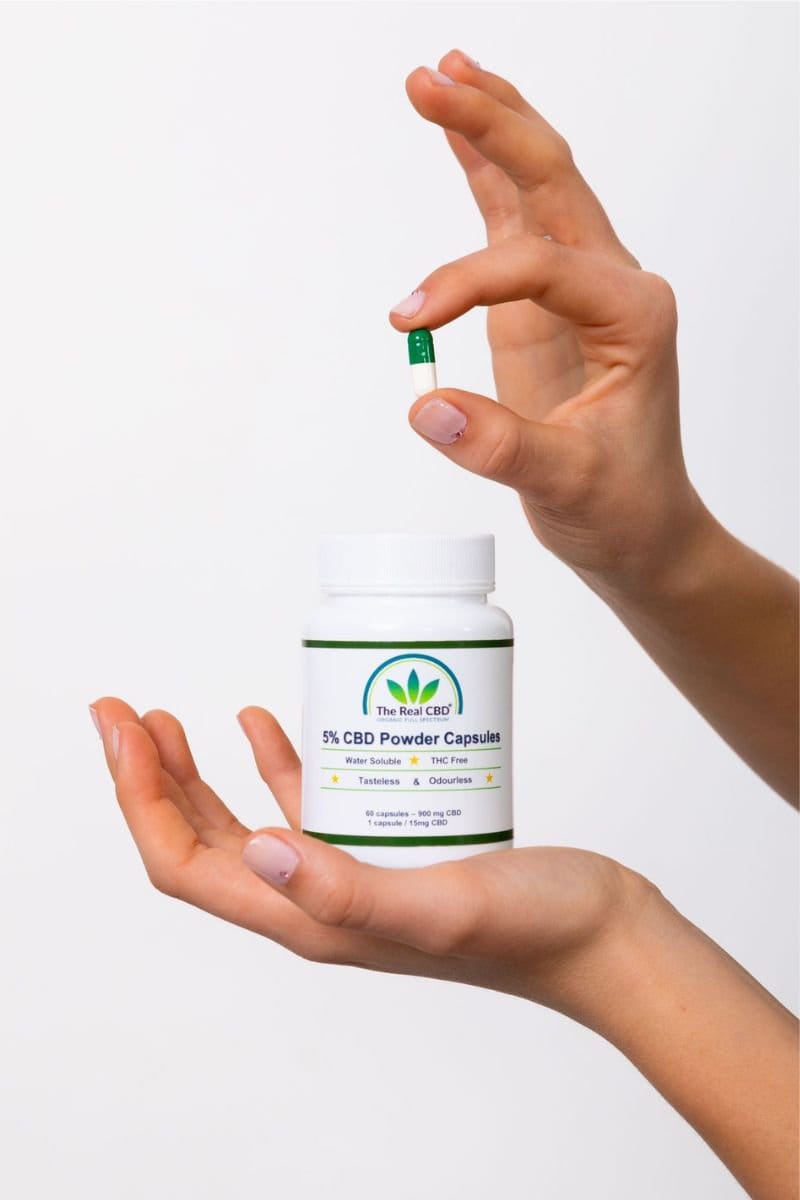
This is the golden rule with CBD—especially during nicotine withdrawal.
Your nervous system is already sensitive right now, so jumping in with a high dose can feel uncomfortable rather than calming. A small amount allows your body to get used to CBD without feeling overstimulated or sluggish.
Many people find that:
- A low daily dose is enough at the start
- Consistency matters more than quantity
- You can slowly increase if needed over time
If you don’t feel anything on day one, that’s normal. CBD isn’t a “hit you instantly” type of thing—it builds gently.
Choose the Right Time of Day
Timing can make a real difference.
- Morning use may help take the edge off daytime anxiety and irritability
- Evening use can be helpful if anxiety spikes at night or sleep feels unsettled
Some people split their dose—half in the morning, half in the evening—to keep things steady. There’s no strict rule here; it’s about listening to your body.
Pick a CBD Form That Fits Your Lifestyle
Not all CBD products work the same way, and during nicotine withdrawal, ease and reliability matter.
- CBD oil (drops under the tongue):
Absorbs relatively quickly and allows you to adjust the dose easily. This is often the go-to choice for anxiety support. - CBD capsules or gummies:
Slower to kick in but longer-lasting. Good if you prefer routine and convenience.
If anxiety hits suddenly, oil is usually more practical. If you’re supporting general mood throughout the day, capsules can work well.
Be Consistent (Even on “Good” Days)
One common mistake is only using CBD when anxiety feels intense.
CBD tends to work better when taken regularly, because it supports balance over time rather than acting like an emergency switch. Even on calmer days, staying consistent can help prevent anxiety spikes before they start.
Think of it like watering a plant—you don’t wait until it’s completely wilted 🌱.
Don’t Use CBD as a Nicotine Replacement

This part is important.
CBD isn’t meant to replace smoking, vaping, or nicotine patches. It doesn’t mimic nicotine’s effects, and that’s actually a good thing. Instead of creating another dependency, CBD supports your body while it learns to function without nicotine.
If you catch yourself reaching for CBD every time you crave a cigarette, pause and pair it with a healthy habit instead—deep breathing, a short walk, or a glass of water.
Pay Attention to How Your Body Responds
Everyone’s body reacts differently.
Keep an eye on:
- Mood changes
- Energy levels
- Sleep quality
- Digestive comfort
If you feel too tired, spaced out, or uncomfortable, that’s usually a sign to lower the dose, not push through it.
CBD should feel like a soft exhale—not a fog.
Check Medications and Health Conditions
If you’re taking prescription medication or managing a health condition, it’s smart to check with a healthcare professional before using CBD. This isn’t about fear—it’s just about being sensible and informed.
Use CBD as Part of a Bigger Plan
CBD works best when it’s part of a bigger picture, not the whole solution.
Pair it with:
- Reduced caffeine
- Better sleep routines
- Gentle movement
- Stress-management habits
CBD can support your quit journey—but you are still the one steering the ship 🚢.
How Long CBD Takes to Work
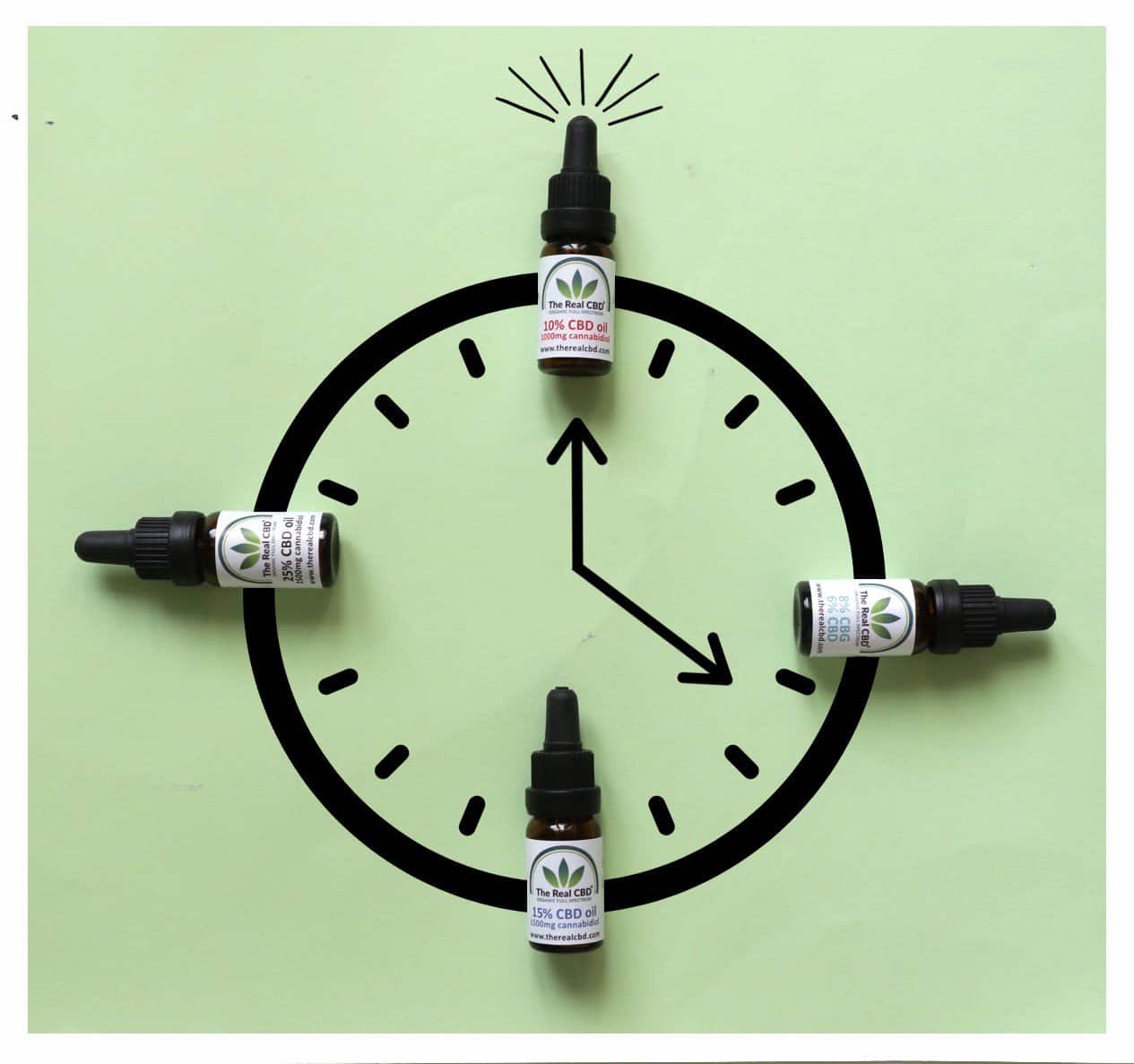
This depends on the form:
- Oil under the tongue: 20–40 minutes
- Capsules/gummies: 1–2 hours
Some effects are subtle. Don’t expect fireworks. Expect calm clarity.
What CBD Can and Can’t Do
CBD can:
- Support emotional balance
- Help you feel calmer
- Reduce stress-related anxiety
Cannabidiol can’t:
- Cure addiction
- Replace personal effort
- Eliminate withdrawal overnight
CBD is a support tool, not a miracle cure.
Is CBD Safe and Non-Addictive?
CBD is non-addictive and non-intoxicating. It does not activate reward pathways the way nicotine does.
That’s why many people feel comfortable using CBD while quitting nicotine—it doesn’t replace one dependency with another.
Common Mistakes People Make With CBD

Avoid these:
- Taking too much too soon
- Using it inconsistently
- Buying poor-quality products
- Expecting it to do all the work
Quality and patience matter.
Lifestyle Tips to Boost CBD’s Calming Effects
CBD works best when paired with:
- Deep breathing
- Light exercise
- Better sleep habits
- Reduced caffeine
Think teamwork, not shortcuts 🤝.
Who Should Be Careful With CBD
If you:
- Take prescription medication
- Are pregnant or breastfeeding
- Have liver conditions
Always speak to a healthcare professional first.
Conclusion

Quitting nicotine isn’t just about breaking a habit—it’s about giving your body and mind the chance to reset after years of being pushed and pulled by a powerful stimulant. The anxiety, restlessness, and emotional ups and downs that show up along the way don’t mean you’re failing. They mean your system is healing and learning how to function on its own again.
This is where CBD for anxiety after quitting nicotine may offer meaningful support. Not by masking feelings or replacing one dependency with another, but by helping your nervous system calm down while the hard work happens in the background. Many people find that CBD takes the sharp edges off anxiety, making cravings feel less urgent and emotions easier to manage. It doesn’t do the quitting for you—but it can make the journey feel less overwhelming.
IMPORTANT!
It’s important to stay realistic. CBD isn’t a magic fix, and it won’t remove every uncomfortable moment. What it can do is create breathing room—those small pockets of calm where you can pause, think clearly, and choose not to go back to nicotine. And those moments add up. One calm choice becomes a better day, which becomes momentum.
Used consistently, sensibly, and alongside healthy habits like good sleep, movement, hydration, and stress management, CBD can be a helpful ally during this transition. Think of it as emotional scaffolding—temporary support while you rebuild stronger foundations.
Most importantly, remember this: quitting nicotine is one of the most powerful decisions you can make for your long-term health. Anxiety during the process is temporary. Your progress is real. And every day you stay nicotine-free, your body is thanking you—even if it doesn’t feel like it yet.
Go gently. Stay patient. You’re not just quitting something—you’re reclaiming your balance.
Frequently Asked Questions
It may help reduce stress and nervous tension, making anxiety easier to manage during withdrawal.
No, but it may make cravings feel less intense and more manageable.
No. CBD is non-addictive and does not cause dependence.
Start low and adjust gradually. There’s no one-size-fits-all dose.
Many people use it for a few weeks to months while their nervous system stabilises.
Best selling CBD for quitting nicotine
-
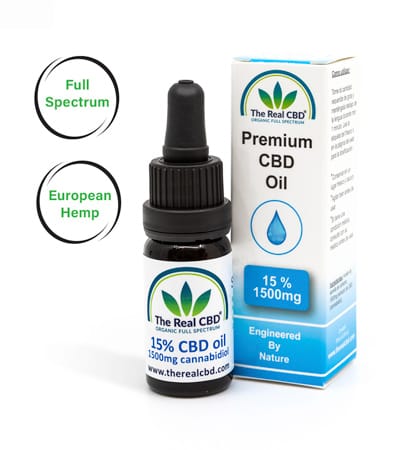
15% Pure CBD oil
€55.00 €65.00Preisspanne: €55.00 bis €65.00 -
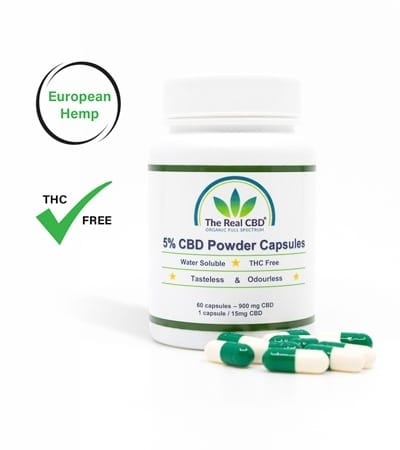
CBD Capsules – Water Soluble 5%
€55.00 -

5% Pure CBD oil
€22.00 -
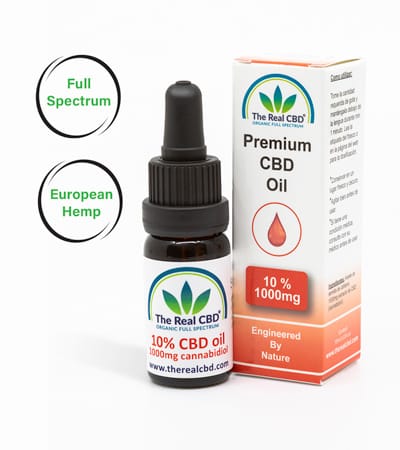
10% CBD oil
€45.00 -
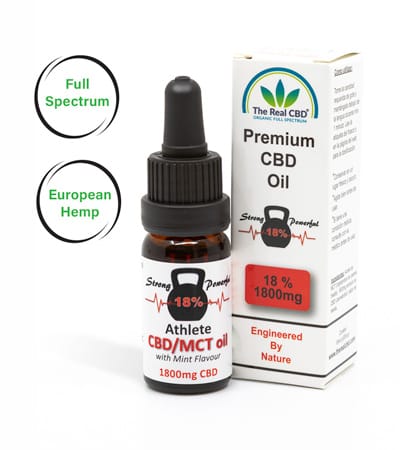
Athlete MCT/CBD oil 18%
€75.00

I am a certified expert in Medicinal Cannabis. We are all about giving correct and trustworthy information. We know how important it is to learn about CBD and cannabis, which is why we want to be your go-to source for trustworthy information. We help you improve your health by using our knowledge and experience as a starting point.












Leave a Reply
Want to join the discussion?Feel free to contribute!