
CBD for Dog Seizures

If your dog has ever suffered from seizures, you know how terrifying and helpless it can make you feel. Watching your beloved pet go through such a distressing episode is heart breaking, and naturally, you want to do everything in your power to help them. You may have heard of CBD as a potential treatment for seizures in dogs, but what exactly is it? How does it work, and more importantly, can it really help?
In this article, we’ll explore how CBD for dog seizures can be a beneficial option. We’ll look at the different kinds of seizures dogs can experience, how CBD works within their bodies, and the clinical research supporting its use. By the end of this post, you’ll have a solid understanding of CBD as an option for managing your dog’s seizures and how it may improve their quality of life.
Estimated reading time: 10 Minuten
- 1. Introduction to Dog Seizures
- 2. What Causes Seizures in Dogs?
- 3. Types of Seizures in Dogs
- 4. How Seizures Affect Dogs
- 5. Conventional Treatments for Dog Seizures
- 6. What is CBD?
- 7. How Does CBD Work in a Dog’s Body?
- 8. CBD for Seizure Disorders: Does It Really Work?
- 9. Scientific Studies
- 10. How to Choose the Right CBD for Your Dog
- 11. Dosage Guidelines: How Much CBD Should You Give Your Dog?
- 12. Are There Any Risks or Side Effects?
- 13. How Long Does CBD Take to Work for Seizures?
- 14. Conclusion: Is CBD Right for Your Dog?
- 15. FAQs
- The Real CBD for dogs with seizures
1. Introduction
Seizures in dogs are not just stressful for the dog, but for the pet owner as well. They are caused by abnormal electrical activity in the brain, leading to uncontrollable shaking, twitching, and in some cases, loss of consciousness. It can be alarming to witness, and while most seizures aren’t life-threatening on their own, they can point to underlying health issues that need attention.

One of the newer potential solutions to help manage dog seizures is CBD (cannabidiol). But what exactly are seizures, and why might CBD be useful in managing them? Let’s start by understanding the different types of seizures and their causes.
2. What Causes Seizures in Dogs?
Just like in humans, seizures in dogs can stem from a variety of causes. Some of the most common causes include:
- Epilepsy: This is one of the most frequent causes of seizures in dogs. It’s a neurological disorder that can be either idiopathic (no known cause) or symptomatic (linked to brain lesions or abnormalities).
- Genetic predispositions: Certain breeds are more prone to seizures, such as Beagles, German Shepherds, and Border Collies.
- Liver disease: When the liver isn’t functioning properly, it can lead to an accumulation of toxins in the bloodstream, which can cause seizures.
- Head trauma: A serious injury to the brain can trigger seizures.
- Toxins: Ingesting toxic substances like certain plants, pesticides, or chemicals can cause seizures.
- Low blood sugar: This is more common in puppies or small breeds but can result in seizures if blood sugar drops too low.
- Brain tumours: In older dogs, a seizure can sometimes indicate a brain tumour.
3. Types of Seizures in Dogs
Not all seizures look the same. In fact, there are several different types of seizures that dogs can experience, each with its own set of symptoms.
- Generalized seizures (Grand Mal): These are the most dramatic type of seizures, where the dog loses consciousness and experiences full-body convulsions.
- Focal seizures: These seizures affect only a part of the brain, causing localized symptoms such as twitching in a specific limb or facial area.
- Psychomotor seizures: These are less obvious, with the dog displaying unusual behaviours like chasing its tail, snapping at invisible objects, or running around frantically.
- Cluster seizures: This is when a dog experiences multiple seizures within a 24-hour period. This type requires immediate veterinary attention.
- Status epilepticus: A serious condition where the seizure lasts for more than five minutes or the dog has repeated seizures without regaining consciousness. This is a medical emergency.

Understanding the type of seizure your dog is experiencing can help you and your vet decide the best course of treatment, including whether CBD might be a good option.
4. How Seizures Affect Dogs
Seizures are physically and mentally exhausting for dogs. After a seizure, dogs often go through a recovery period known as the post-ictal phase, where they may seem confused, disoriented, or extremely tired. Frequent or prolonged seizures can cause brain damage, especially if not managed properly.
This is where CBD may offer relief. Some studies suggest that CBD could help in reducing the severity and frequency of seizures in dogs, making it a promising natural option.
5. Conventional Treatments
Traditionally, seizures in dogs are treated with anti-epileptic drugs (AEDs) such as phenobarbital or potassium bromide. While these medications can be effective in controlling seizures, they often come with side effects like lethargy, weight gain, and liver damage over long-term use.
For this reason, many pet owners are turning to alternative treatments, such as CBD for dog seizures, as a more natural approach to managing their dog’s condition.
6. What is CBD?
CBD, or cannabidiol, is a naturally occurring compound found in the hemp plant. It’s a non-psychoactive substance, meaning it won’t get your dog “high.” Instead, CBD interacts with your dog’s endocannabinoid system (ECS), a network of receptors responsible for regulating various bodily functions like pain, mood, and even seizures.
CBD is different from THC, the compound in marijuana that causes intoxication. When used correctly, CBD is safe for dogs and may have therapeutic benefits, including reducing the frequency of seizures.

7. How Does CBD Work in a Dog’s Body?
CBD works by interacting with the endocannabinoid system, which plays a crucial role in maintaining balance within the body. Specifically, CBD influences the CB1 and CB2 receptors, which are responsible for managing various neurological functions, including the prevention of excessive electrical activity in the brain that leads to seizures.
Think of the endocannabinoid system as your dog’s internal “thermostat.” When things go awry, like during a seizure, CBD helps to “reset” the system and bring it back to balance.
8. CBD for Seizure Disorders: Does It Really Work?
There’s growing evidence that CBD could be effective in reducing the severity and frequency of seizures in dogs, especially in cases where conventional medications aren’t fully controlling the condition.
Many pet owners have reported success stories, where dogs who were previously experiencing frequent seizures saw a significant reduction after being introduced to CBD. While this anecdotal evidence is compelling, it’s essential to consider the science behind it.
9. Scientific Studies
Several studies have shown promising results when it comes to using CBD for dog seizures. A 2019 study conducted by Colorado State University found that 89% of the dogs treated with CBD experienced a reduction in seizure frequency.
Additionally, the FDA has approved a CBD-based drug called Epidiolex for the treatment of epilepsy in humans, which has led researchers to believe that CBD may have similar benefits for dogs. While more research is needed to fully understand how CBD affects canine epilepsy, the early results are promising.
More about CBD
10. How to Choose the Right CBD for Your Dog

When choosing a CBD product for your dog, there are a few things to keep in mind:
- Quality matters: Look for high-quality, organic CBD products that are free from pesticides and heavy metals.
- Full-spectrum vs. isolate: Full-spectrum CBD contains other beneficial compounds from the hemp plant, which can enhance the effects of CBD. Isolate, on the other hand, is pure CBD.
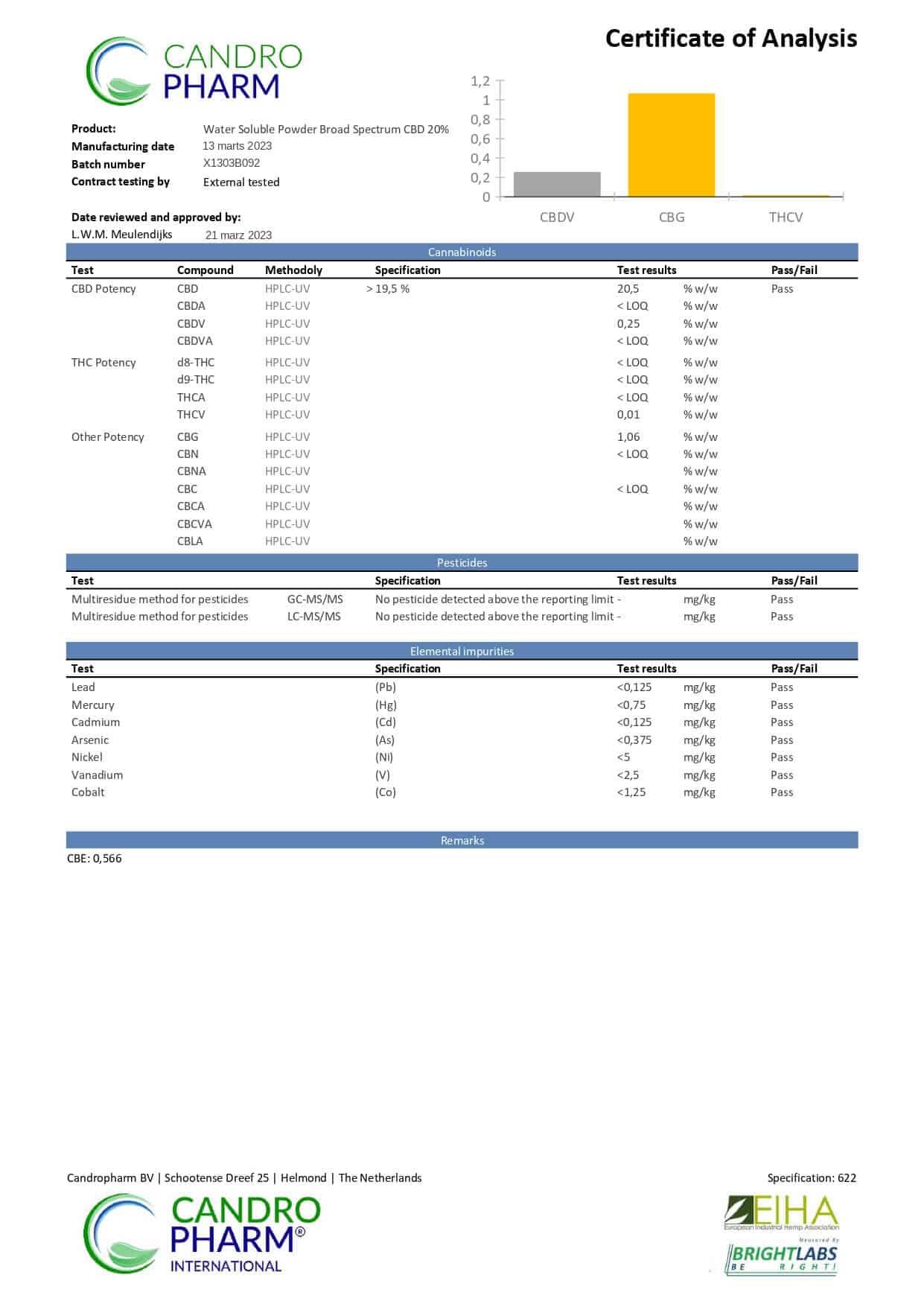
- Third-party testing: Always choose a CBD product that has been tested by a third-party lab to ensure purity and potency.
- Dosage form: CBD for dogs comes in various forms, including oils, treats, and capsules. Oils are often preferred for seizure treatment because they can be more easily dosed.
11. Dosage Guidelines: How Much CBD Should You Give Your Dog?
Getting the right dosage is essential when it comes to using CBD for dog seizures. Dosage will depend on your dog’s weight, the severity of their seizures, and the concentration of the CBD product you’re using. As a general rule:
- Start with a low dose (around 0.2mg per pound of body weight) and gradually increase based on your dog’s response.
- Monitor your dog closely for any changes in behaviour or seizure frequency.
- Always consult with your vet before starting CBD, especially if your dog is on other medications.
12. Are There Any Risks or Side Effects?
While CBD is generally considered safe for dogs, it’s not entirely without risks. Some dogs may experience mild side effects such as:

- Drowsiness
- Dry mouth
- Lowered blood pressure
These side effects are typically mild and go away after a few days of use. However, if your dog has any underlying health conditions or is on other medications, it’s crucial to consult with your vet before trying CBD.
13. How Long Does CBD Take to Work for Seizures?
The time it takes for CBD to start working can vary depending on the method of administration. Typically, CBD oil taken sublingually (under the tongue) can start to take effect within 30 minutes to an hour. For ongoing seizure management, it may take a few weeks of consistent use before you see a noticeable reduction in seizure frequency.
14. Conclusion: Is CBD Right for Your Dog?
If your dog suffers from seizures and conventional treatments aren’t providing adequate relief, CBD could be worth considering. While more research is needed, the current evidence suggests that CBD has the potential to help reduce seizure frequency and improve your dog’s overall well-being.
However, it’s important to consult with your vet before starting any new treatment, especially if your dog is already on medication. By working together, you can create a treatment plan that best supports your dog’s health.
15. FAQs
Yes, in most cases, CBD can be given alongside traditional anti-epileptic drugs. However, it’s essential to consult with your vet to ensure there are no interactions.
Most pet owners notice a reduction in seizure frequency within a few weeks of starting CBD. However, it may vary depending on the severity of the condition and dosage.
Full-spectrum CBD is often recommended as it contains additional compounds that may enhance its effectiveness. Always choose a high-quality product tested for purity.
While CBD may reduce the frequency and severity of seizures, it may not completely eliminate them. It’s best used as part of a comprehensive treatment plan.
Most dogs tolerate CBD well over the long term. However, it’s important to monitor your dog and regularly consult with your vet to ensure they continue to respond well to treatment.
The Real CBD for dogs with seizures











I am a certified expert in Medicinal Cannabis. We are all about giving correct and trustworthy information. We know how important it is to learn about CBD and cannabis, which is why we want to be your go-to source for trustworthy information. We help you improve your health by using our knowledge and experience as a starting point.














Leave a Reply
Want to join the discussion?Feel free to contribute!