
The Real Cost of CBD Oil – What Cheap Prices Hide
Why does one bottle of CBD-olie go for €1.50 while another identical-looking vial stretches to €30.00 — despite both boasting the same milligram count? On the surface, you’d be forgiven for assuming it’s all about flashier logos or snazzy packaging. But peel back the label, and the real cost of CBD oil lies not just in what’s bottled — but in the invisible scaffolding holding it up.
CBD oil has exploded onto the wellness scene, with promises of calming anxiety, easing pijn, improving sleep, and even boosting general wellbeing. You’ve probably seen a vast range of options online or in shops—from high-end premium products to surprisingly cheap bottles that seem like a total bargain. But have you ever stopped to wonder what’s behind those low prices?
Geschatte leestijd: 11 minuten
- Why CBD Oil Isn’t Always What It Seems
- The Real Price of Growing and Extracting CBD
- The Pitfalls of Price Wars in the CBD Space
- What’s Really in That Bottle? The Ingredients Tell All
- The Invisible Price of Going “Cheap”
- Third-Party Lab Tests – Or Lack of Them
- The Dangers of Contaminated CBD Oil
- Full-Spectrum vs Isolate – You Get What You Pay For
- How to Spot a High-Quality CBD Product
- Why Some CBD Brands Can Afford to Be Cheaper
- The Importance of Transparency and Customer Support
- How to Dissect CBD Oil Quotes Like a Pro
- CBD Pricing: The Final Equation
- Investing in Your Health vs. Chasing a Bargain
- Conclusion: Know What You’re Putting in Your Body
- FAQs – The Real cost of CBD oil
- De echte CBD-olie
Why CBD Oil Isn’t Always What It Seems
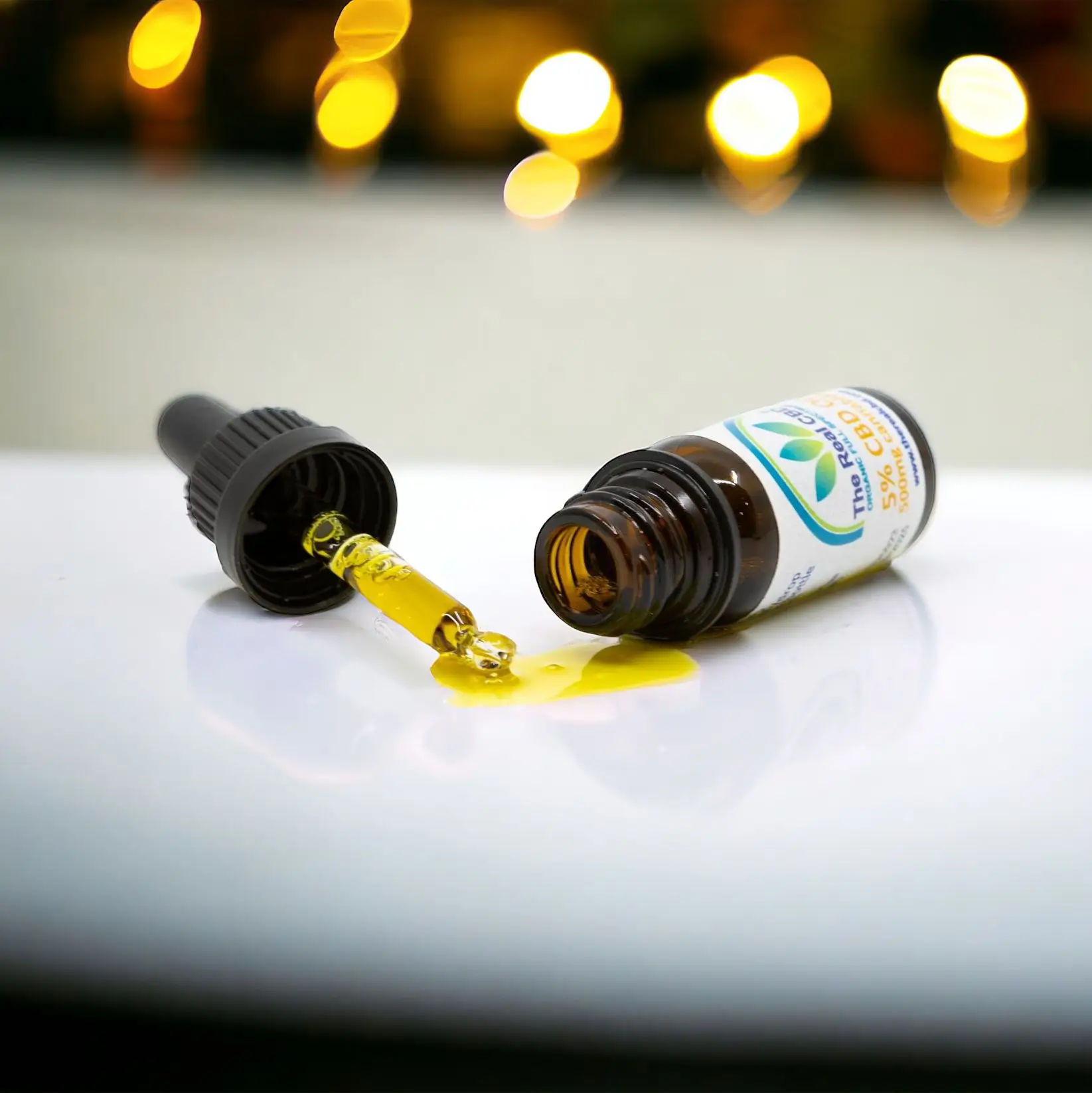
Let’s get one thing straight—CBD oil is not all created equal. Just because two products look the same and both claim to contain CBD doesn’t mean they’ll give you the same results.
Some manufacturers cut corners in ways that reduce quality, safety, and effectiveness—and sadly, it’s usually the cheaper products that are the biggest offenders. It’s easy to be tempted by a €10 bottle of CBD, but the reality is: if it sounds too good to be true, it probably is.
The Real Price of Growing and Extracting CBD
First off, growing high-quality hemp is not cheap. It takes a lot of effort to cultivate organic, pesticide-free plants on regulated farmland. Farmers must also go through strict compliance testing to meet quality standards, especially in Europe or the UK.
Then comes the extraction process—the method used to pull CBD and other beneficial compounds from the plant. The best method? CO2 extraction, which preserves all the cannabinoïden without using toxic solvents. It’s safe, clean—and expensive. Cheaper methods may use butane or propane, which can leave dangerous residues behind.
So when you see a bottle of CBD oil selling for less than the cost of lunch, ask yourself: how are they making it so cheap?
The Pitfalls of Price Wars in the CBD Space
Healthy competition keeps markets honest — but an unrestrained race to the bottom has rarely birthed excellence. Slashing costs often means slicing corners: cheap hemp, patchy lab work, or watered-down formulations. The fallout? Inferior products that erode consumer faith and threaten the very stability of the CBD movement itself.
What’s Really in That Bottle? The Ingredients Tell All
Label reading is your superpower when it comes to choosing CBD oil. Quality products will tell you everything: hoeveel CBD is in it, whether it’s full-spectrum or isolate, what carrier oil is used, and more.
But many cheap CBD-producten hide behind vague or misleading labels:
- No CBD content listed per dose
- No lab reports or testing info
- Unknown origin of hemp
- Terms like “hemp extract” or “hemp seed oil” to confuse buyers
Quick tip: hemp seed oil contains zero CBD. It’s great for salad dressing, not so much for pain relief.
Many buyers obsess over the cost per bottle or kilo but never ask, “What’s embedded within that number?” Here’s the harsh truth — cheap quotes often exclude everything except the liquid itself.
Compare that to a full-circle white-label partner like De echte CBD, and the chasm becomes obvious:
| Feature or Support | Discount Supplier | De echte CBD |
| Third-Party Lab Reports (COAs) | ❌/partial | ✅ Always Free |
| Design Consultation (Label/Box) | ❌ | ✅ Included |
| Ingredient Vetting & Sourcing | ❌ | ✅ Included |
| Basic Product Development | ❌ | ✅ Complimentary or low fee |
| Custom Formulation Help | ❌ | ✅ Yes |
| Packaging & Printing Logistics | ❌ | ✅ Yes |
| Cosmetic Registration (CPNP) | ❌ | ✅ Optional |
| CPSR Safety Dossiers | ❌ | ✅ Optional |
| Shelf-Life & Stability Testing | ❌ | ✅ Yes |
| Regulatory Navigation | ❌ | ✅ Yes |
| Transport & Customs Compliance | ❌ | ✅ Yes |
Gerelateerde inhoud:
The Invisible Price of Going “Cheap”
What you save upfront often leaks out in back-end hassles and unforeseen detours. Here’s where bargain CBD bites back:
- Packaging Chaos: If the supplier leaves you juggling label design and box sourcing, expect costly time black holes.
- Regulatory Roadblocks: No valid COAs or Novel Food data? Your product might be stopped dead at customs.
- Stale or Incomplete Lab Data: Cheap suppliers often recycle lab tests or skip full-spectrum panels — leaving your brand exposed if a test flags contaminants or mislabelled potency.
- Freight & Compliance Fumbles: Documentation and legal declarations aren’t always baked into budget deals — but you’ll be footing the bill when things go sideways.
- No Tech Support: Need a shelf-stable, water-compatible formula? Budget suppliers don’t have the answers — so you’re hiring specialists to reverse-engineer solutions later.
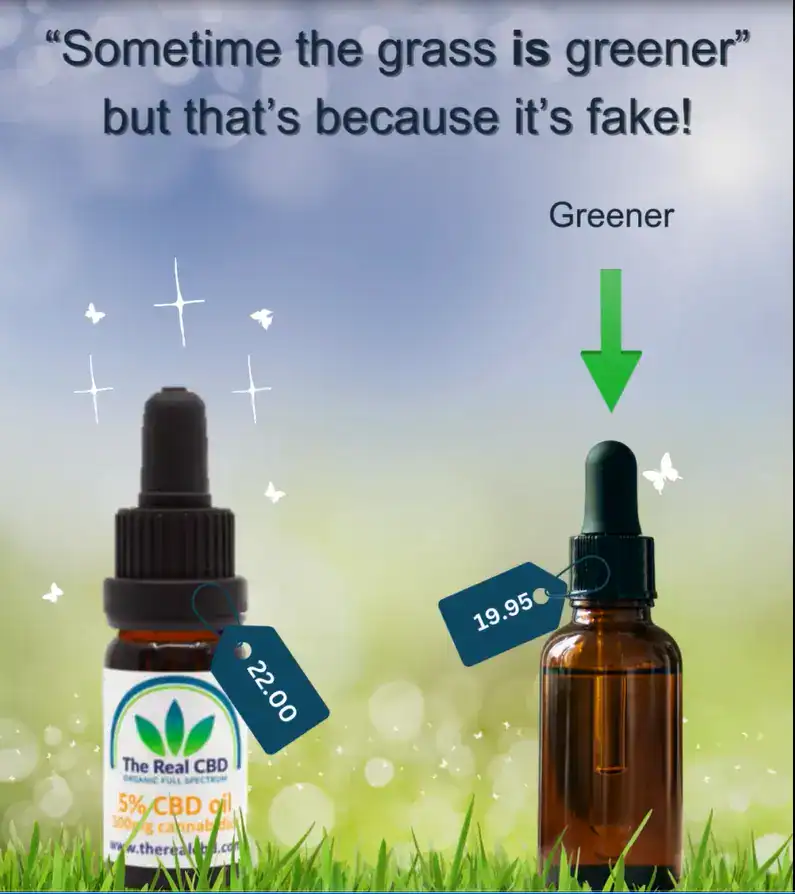
Lowball quotes often come shackled with high-friction workflows, burnout from problem-solving, and missed opportunities for scale. Seasoned buyers know to look beyond the invoice and ask: “What’s the real cost of cutting this corner?”
Third-Party Lab Tests – Or Lack of Them
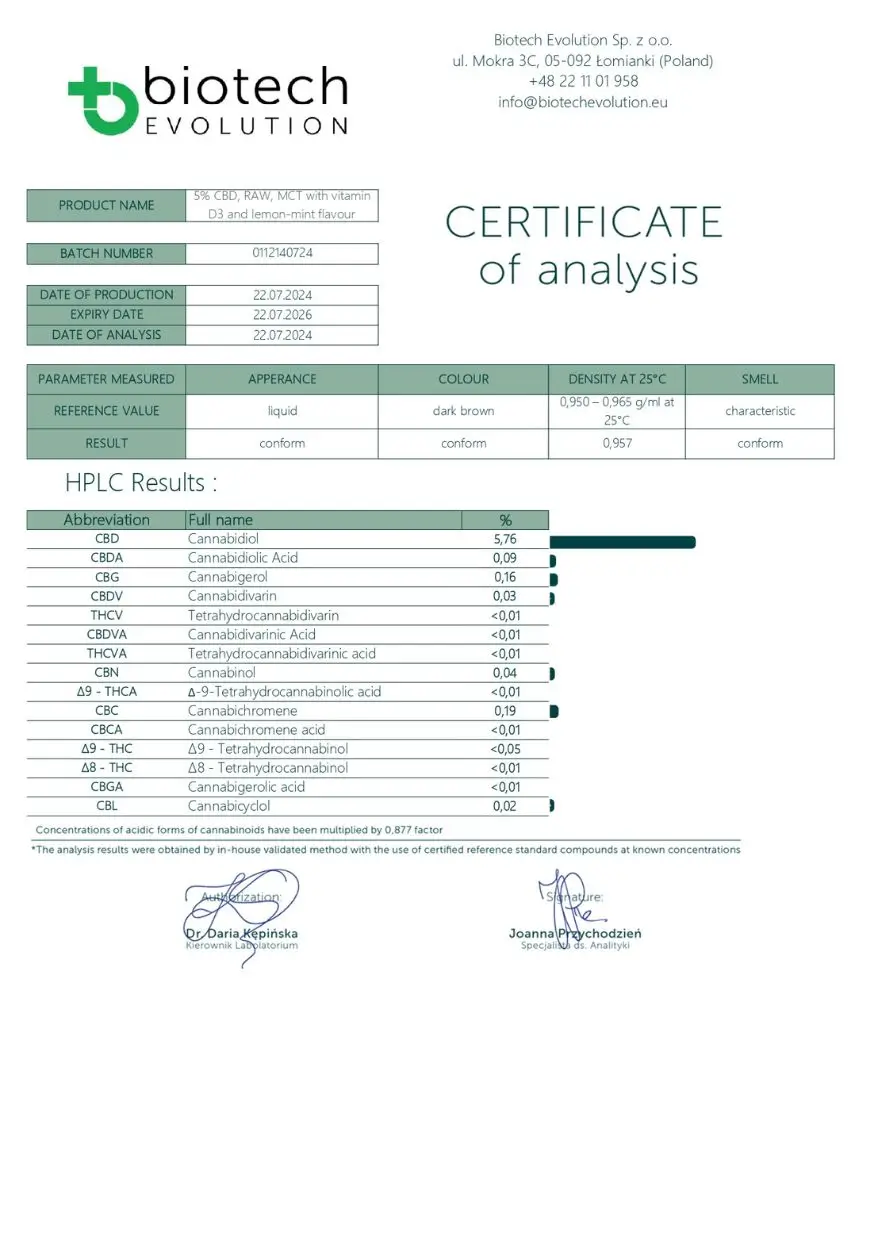
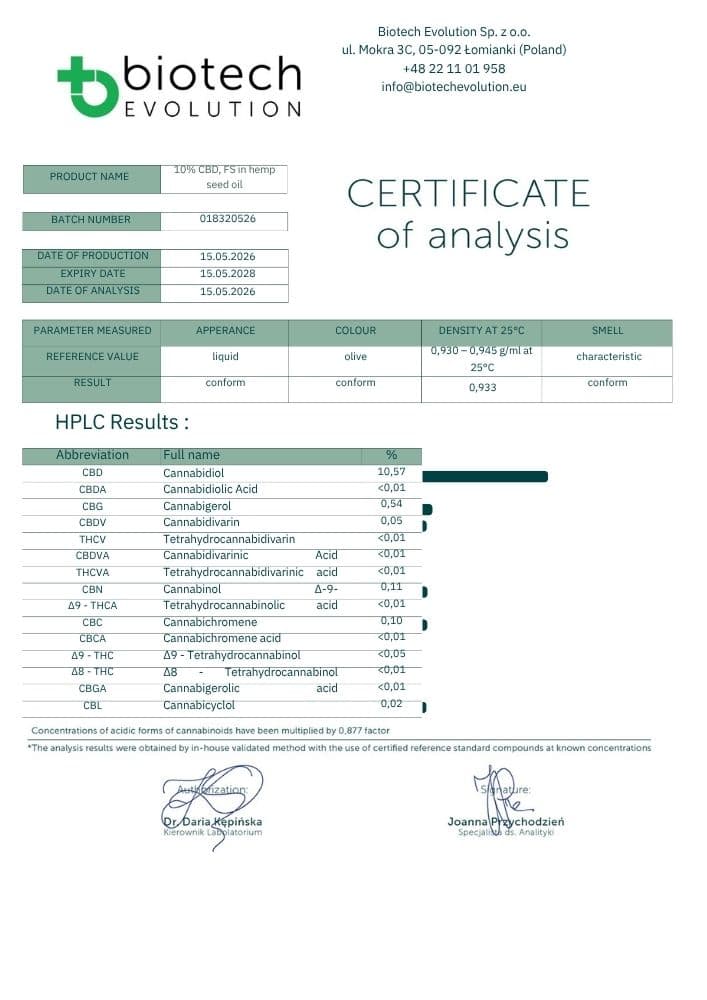
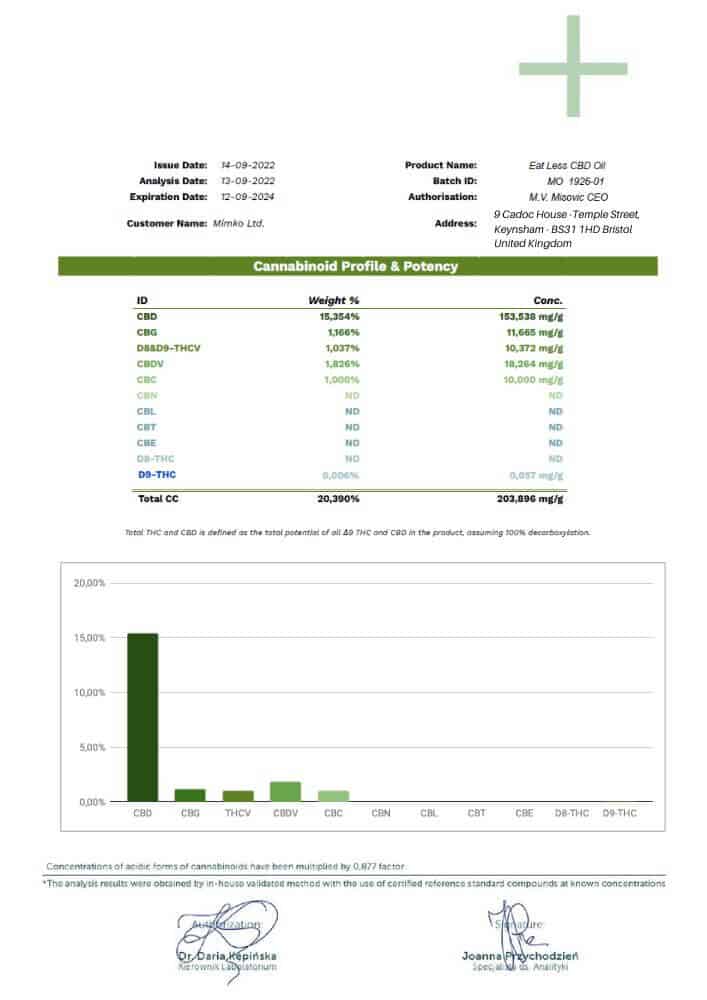
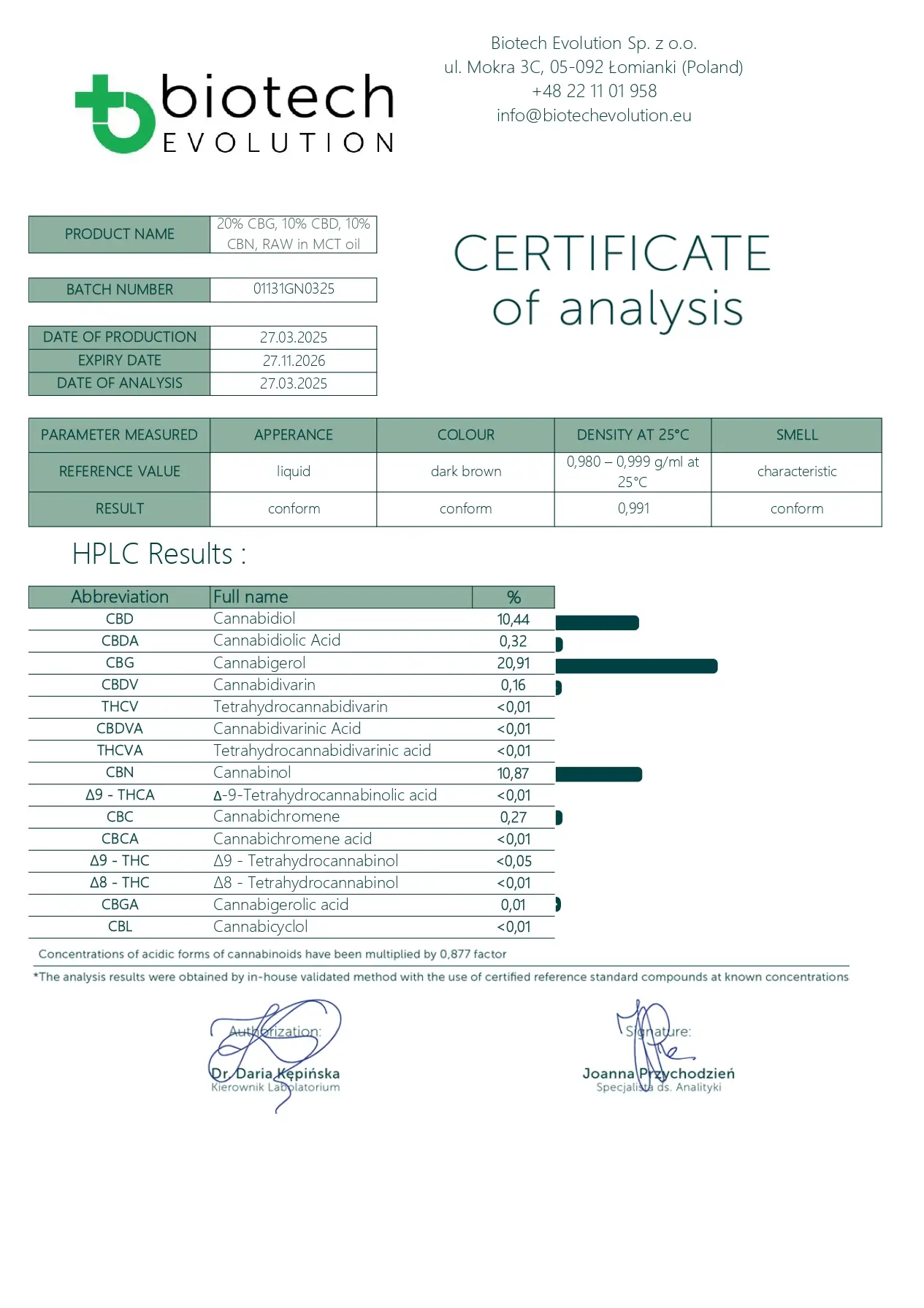
One of the most crucial signs of a quality CBD oil is the presence of third-party laboratoriumtest results. These reports (often called COAs or Certificates of Analysis) verify:
- De hoeveelheid CBD in the product matches the label
- It’s free from harmful substances like heavy metals, moulds, and pesticides
- It contains legal levels of THC
Goedkoop CBD-oliën? Most don’t provide these reports. And if they do, they’re often outdated, fake, or missing key data. No lab report = no trust.
The Dangers of Contaminated CBD Oil
Let’s be blunt: cheap CBD can be risky. Without proper quality control, there’s no telling what might be lurking in that bottle.
Some common dangers include:
- Pesticide residue from unregulated hemp farms
- Heavy metals from polluted soil
- Solvent residue from dodgy extraction methods
- Synthetisch cannabinoïden that mimic CBD but can be dangerous
Using these kinds of oils can actually do more harm than good. You’re trying to improve your health—not gamble with it.
Full-Spectrum vs Isolate – You Get What You Pay For
Another hidden cost in cheap CBD oil is what you’re niet getting. Volledig-spectrum CBD contains a range of beneficial cannabinoids, terpenen, and flavonoids that work together in what’s called the entourage effect—boosting each other’s impact.
Cheaper products often use CBD-isolaat, which is just the single CBD molecule—no entourage-effect, no extra benefits.
So while full-spectrum may cost a little more, it also offers a lot more value in terms of potential benefits.
How to Spot a High-Quality CBD Product

Let’s flip the script and talk about what to look for in a CBD oil that’s worth your money.
Here’s your checklist:
✅ Clearly labelled CBD content
✅ Full-spectrum or broad-spectrum extracts
✅ Organically grown hemp (preferably EU or USA origin)
✅ Clean extraction methods (CO2 is best)
✅ Third-party lab testing with easy access
✅ Transparent company with a solid reputation
✅ Real customer reviews and testimonials
If a product ticks all these boxes, chances are it’s worth paying a bit more for.
Why Some CBD Brands Can Afford to Be Cheaper
Now, not every affordable CBD oil is trash. Some brands lower costs by:
- Using larger-scale production (more efficient)
- Keeping packaging and marketing simple
- Selling direct-to-consumer without middlemen
- Offering lower doses in their starter products
However, these brands still provide lab results and maintain transparency. Cheap isn’t always bad—but secretive and vague always is.
The Importance of Transparency and Customer Support
You can tell a lot about a CBD brand by how they talk to their customers. Are they:
- Offering free consultations or guidance?
- Sharing educational content on their website?
- Responding to customer questions and reviews?
The best brands want you to understand what you’re using and how to use it. Cheap brands? Often silent after the sale.
Transparency builds trust. And when it comes to your health, trust is everything.
How to Dissect CBD Oil Quotes Like a Pro

Price per bottle is a start — but it’s hardly the full picture. Savvy operators assess total ecosystem value.
Here’s how sharp-eyed buyers scrutinize CBD proposals:
✅ Critical Questions to Ask:
- Are up-to-date, per-batch COAs included?
- Is packaging help or compliance consultation part of the deal?
- Who manages customs, freight, and document hoofdpijn?
- Will they adapt formulations if legal tides shift?
- Do you get a real human on the line when problems arise?
Think in Value, Not Numbers
That €1.00, ready-to-roll bottle often beats the €1.20 “bargain” that demands another €1.50 in outsourced services, backtracking, and delays.
The brands scaling fastest aren’t just buying oil — they’re investing in frictionless execution, legal compliance, and long-term viability. Partners over vendors. Peace of mind over penny-pinching.
CBD Pricing: The Final Equation
In a market brimming with noise and price-point theatrics, it’s easy to get duped by digits. But savvy brands know better: the cheapest CBD often exacts the highest toll once hidden chaos surfaces. Be it expired COAs, botched packaging, or missed customs deadlines — the real headaches rarely appear on quotes.
The smart play? Ask not “how much is this bottle?” but “what isn’t this price covering — and what will I bleed later to fix it?”
Op De echte CBD, we believe in transparent pricing tethered to genuine value. You’re not just buying CBD — you’re investing in an entire infrastructure: formulation intelligence, lab-tested integrity, design wisdom, regulatory foresight, and global logistics fluency.
Because success isn’t born from cut corners. It’s built on solid ground.
Investing in Your Health vs. Chasing a Bargain
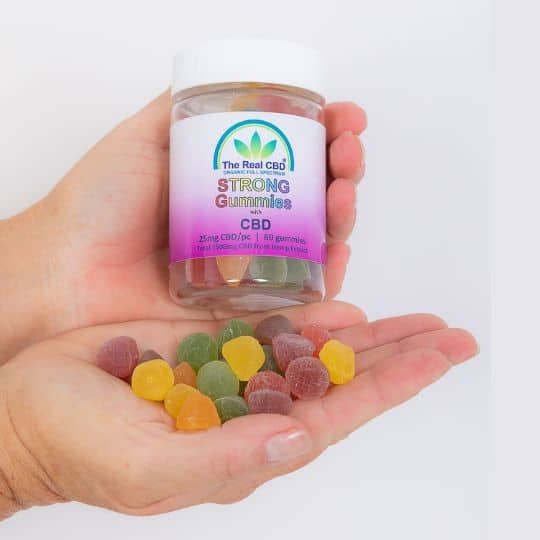
At the end of the day, CBD oil is a wellness product, not a discount bin item. Think of it like supplements or huid care—you get what you pay for. A quality CBD oil can genuinely improve your wellbeing, but only if it’s safe, effective, and made with integrity.
Yes, you might save a few quid on a cheap bottle—but what are you really getting? Weak effects? Contaminants? Wasted money? That’s not a bargain; that’s a bad investment.
You Get What You Pay For
CBD is an investment in your health. While cheap oil may save money short-term, it rarely delivers lasting value. Worse, it could harm your health or cause side effects.
High-quality CBD costs more because it’s safe, potent, and well-tested. It’s produced responsibly and backed by science. That peace of mind is worth every penny.
Conclusion: Know What You’re Putting in Your Body
So, what’s the real cost of CBD oil? It’s not just about price—it’s about value, safety, and trust. Cheap CBD products often cut corners in ways that could leave you disappointed at best, or in danger at worst.
If you’re taking CBD for something important—whether it’s chronische pijn, anxiety, or better sleep—don’t skimp on quality. Look for transparency, lab results, and companies that genuinely care.
Your health is worth more than a cheap bottle. Choose wisely.
FAQs – The Real cost of CBD oil
Cheap CBD oils often use low-quality hemp, poor extraction methods, and lack proper lab testing—reducing both safety and effectiveness.
Not always, but high-quality CBD usually costs more because it’s made with clean ingredients, safe extraction, and thorough testing for purity.
Look for lab-tested products with clear CBD content, full-spectrum extract, CO2 extraction, organic hemp, and transparent labeling.
No, hemp seed oil comes from the seeds and contains no CBD. CBD oil is made from the flowers and leaves where cannabinoids are found.
Yes, some low-cost CBD oils may contain harmful contaminants like pesticides, heavy metals, or residual solvents due to poor production practices.
De echte CBD-olie
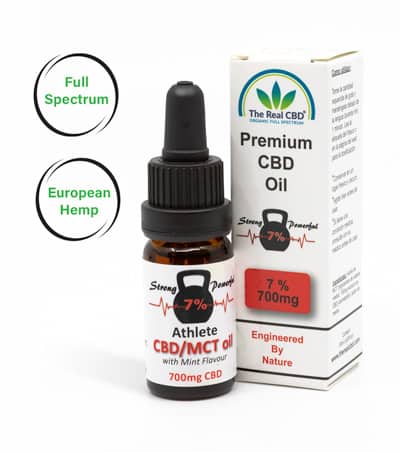
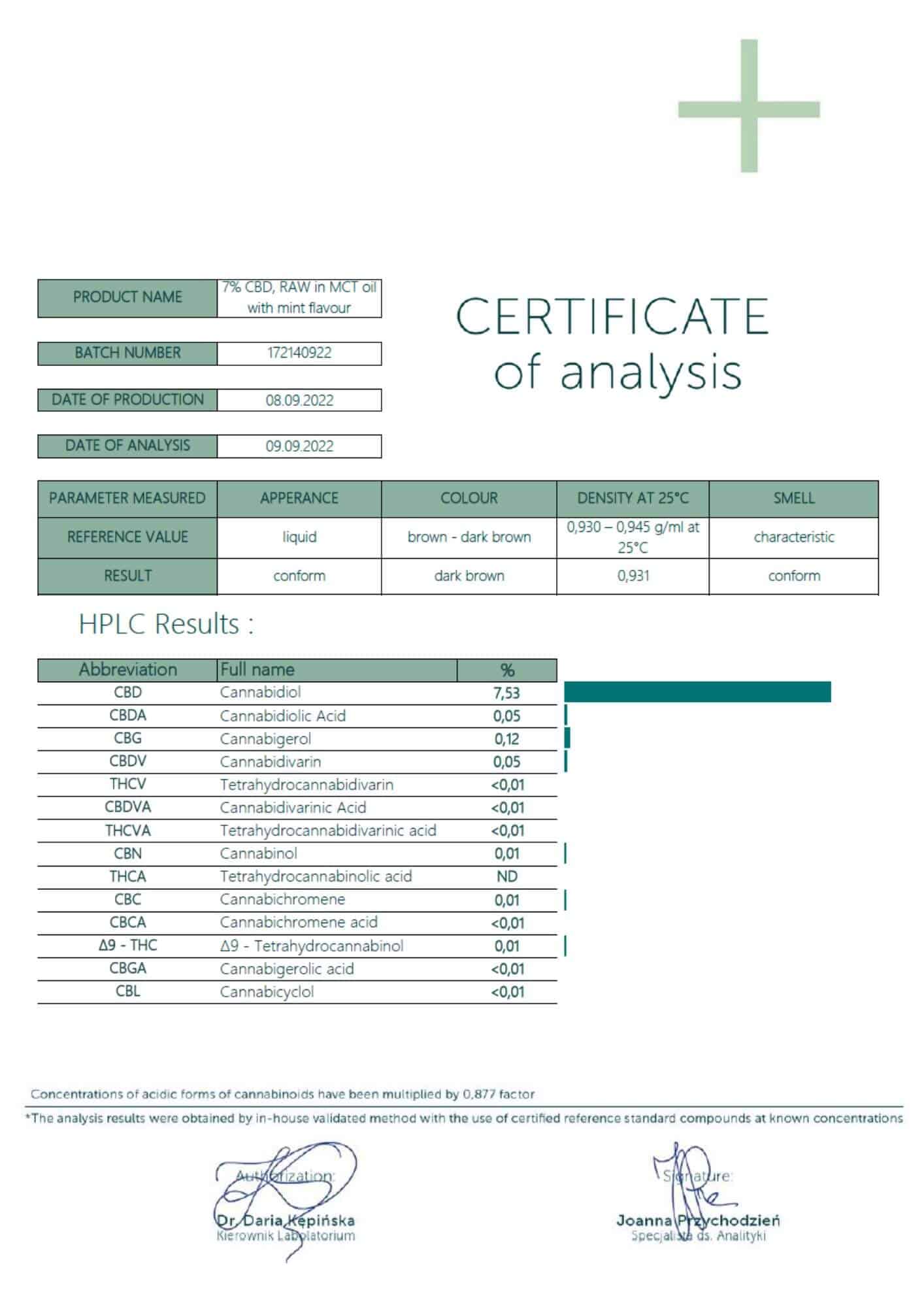
Atleet MCT/CBD-olie 7%
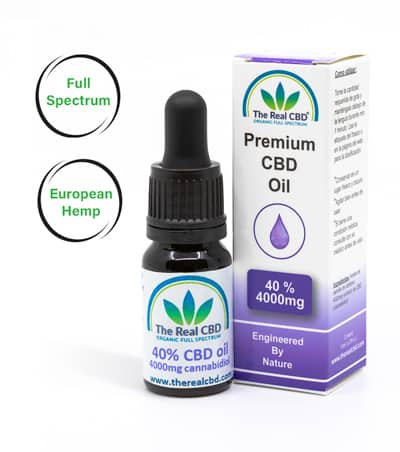
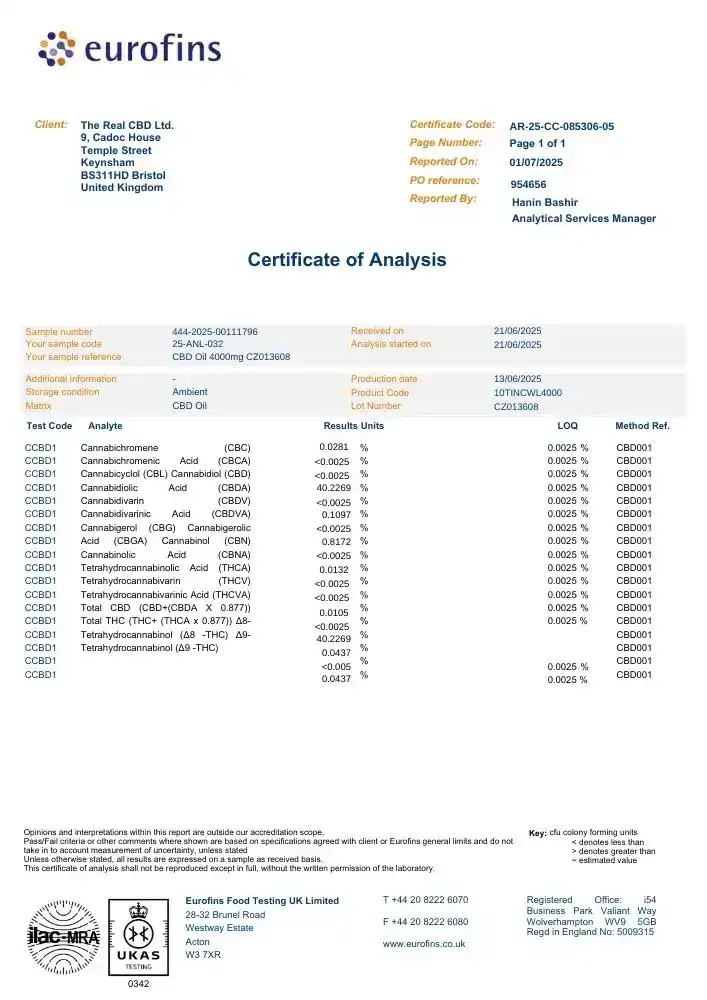
40% Ruwe CBD-olie
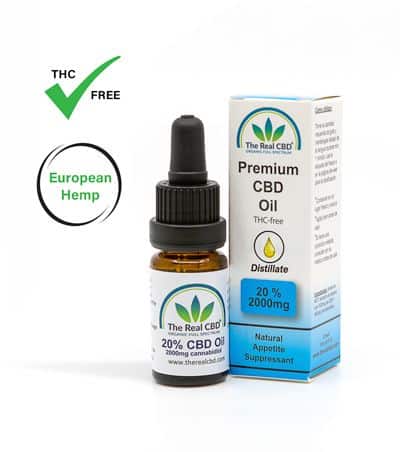

40% Pijnstillende olie

Ik ben een gecertificeerd expert in Medicinale cannabis. Bij ons draait alles om het geven van correcte en betrouwbare informatie. We weten hoe belangrijk het is om meer te weten te komen over CBD en cannabis, en daarom willen we de bron zijn waar je terecht kunt voor betrouwbaar informatie. We helpen je om je gezondheid te verbeteren door onze kennis en ervaring als uitgangspunt te nemen.










Plaats een Reactie
Meepraten?Draag gerust bij!