FAQ CBD for High Blood Pressure (Hypertension) – Frequently Asked Questions
Welkom bij onze FAQ CBD voor hoge bloeddruk. If you’re exploring natural ways to support your hartgezondheid and manage blood pressure, you may have heard about the potential voordelen van CBD. You’re not alone – more people are turning to CBD as part of a balanced approach to wellness, especially for stress-related conditions like hypertension.
CBD (short for cannabidiol) is a natural, non-intoxicating compound found in the hemp plant. It’s known for its calming and anti-inflammatory properties, which could play a role in supporting cardiovascular health. While it’s not a replacement for prescribed medication, some studies and personal experiences suggest CBD kan stress helpen verminderen and promote relaxation – both of which are important for keeping blood pressure in check.
This FAQ page is here to answer your top questions in a clear and straightforward way. We’ll look at how CBD might help with high blood pressure, how to use it safely, and what to consider before adding it to your daily routine.
Let’s take a closer look at how CBD could support your journey to better heart health – naturally and gently.
FAQ CBD for High Blood Pressure (Hypertension)
CBD (cannabidiol) is a non-psychoactive compound derived from cannabis plants. It may help lower blood pressure through its potential vasodilatory effects, anti-inflammatory properties, and ability to reduce stress and anxiety, which are contributing factors to hypertension.
Several small studies suggest CBD may temporarily reduce blood pressure, particularly in stress-induced situations. A notable 2017 study found that a single dose of CBD reduced resting blood pressure and blood pressure increases during stress tests in healthy volunteers. However, large-scale clinical trials are still needed.
CBD werkt samen met de endocannabinoïde systeem which has receptors throughout the cardiovascular system. It may promote vasodilation (widening of blood vessels), reduce ontsteking in arterial walls, and influence heart rate through complex interactions with these receptors.
No, CBD should not replace prescribed hypertension medications. Always consult your healthcare provider before making any changes to your treatment plan. CBD may be considered as a complementary approach under medical supervision, not as a replacement for proven medications.
Optimal dosing for blood pressure management is not well-established. Studies showing cardiovascular effects have used doses ranging from 300-600mg daily, though many commercial products recommend much lower doses (10-50mg). Starting with a low dose and gradually increasing while monitoring effects is generally advised.
Volledig spectrum CBD-producten met een reeks van cannabinoïden en terpenen may offer enhanced benefits through the “entourage effect” compared to CBD-isolaat. However, specific formulations targeting cardiovascular health are not yet validated by research.
Acute effects of CBD on blood pressure may occur within 1-2 hours after ingestion, particularly with sublingual oils or vaping. However, sustained blood pressure management would likely require regular use over weeks, and effects may vary significantly between individuals.
Yes, CBD can potentially interact with many blood pressure medications by affecting liver enzymes (particularly CYP450) that metabolize these drugs. This could increase or decrease the medication’s effectiveness or side effects. Common interactions include those with beta-blockers, calcium channel blockers, and ACE inhibitors.
While generally considered safe, CBD may cause side effects including changes in heart rate, lightheadedness, and potential drug interactions. People with existing heart conditions should exercise caution and consult healthcare providers before using CBD.
Administration methods affect absorption rate and bioavailability. Sublingual oils provide relatively fast effects (15-45 minutes) with good absorption. Oral capsules have delayed onset (1-2 hours) but longer duration. Vaporized CBD works quickly but effects may be shorter-lasting. Topical products typically have minimal systemic effects on blood pressure.
CBD may be particularly helpful for stress-induced hypertension due to its anxiolytic (anxiety-reducing) properties. Studies suggest CBD can blunt blood pressure increases that occur during stressful situations by modulating the body’s stress response systems.
The chemical composition of CBD is identical regardless of source, but legal hemp-derived CBD products (<0.2% THC) minimize psychoactive effects and legal concerns. Marijuana-derived CBD products may contain higher THC levels, which could potentially increase heart rate and blood pressure in some individuals.
If using CBD for potential blood pressure effects, consider monitoring more frequently, particularly after starting CBD or changing dosage. Track readings at consistent times daily, noting any correlations with CBD administration. Share these records with your healthcare provider.
CBD’s anti-inflammatory properties might theoretically address inflammatory contributions to hypertension. Chronic inflammation can damage blood vessels and increase resistance in the circulatory system. By reducing inflammatory processes, CBD might indirectly benefit blood pressure regulation.
Several terpenes found in CBD met volledig spectrum products may complement CBD’s cardiovascular effects. Beta-caryophyllene may have anti-inflammatory benefits, while myrcene and linalool have relaxant properties that might help reduce stress-related hypertension. However, research specifically on terpenes and blood pressure remains limited.
CBD is generally considered safer than THC for people with hypertension. THC can cause acute increases in heart rate and blood pressure, particularly in naive users, followed by potential hypotension with regular use. CBD doesn’t produce these biphasic effects and appears to have a more favorable cardiovascular risk profile.
Limited research exists on CBD’s effects on nocturnal blood pressure. CBD’s potential anxiolytic and sleep-promoting properties might help maintain healthy nighttime blood pressure dipping, but specific studies on this phenomenon are lacking. Slaapkwaliteit improvements from CBD might indirectly benefit nocturnal blood pressure patterns.
There’s insufficient evidence to recommend CBD for resistant hypertension. While CBD’s multiple mechanisms of action differ from conventional antihypertensives, its effects are typically modest. People with resistant hypertension should work with specialists on comprehensive treatment approaches rather than relying primarily on CBD.
Zwanger of borstvoeding women, individuals with severe liver disease, people taking multiple medications, those with unstable cardiovascular conditions, and patients scheduled for chirurgie should generally avoid CBD. Additionally, those with hypotension (low blood pressure) should use CBD cautiously as it may further lower blood pressure.
CBD’s effects may be enhanced by complementary lifestyle approaches including regular exercise, Mediterranean or DASH diet, stress management practices, adequate sleep, and sodium restriction. Conversely, poor lifestyle choices may diminish potential benefits. CBD should be considered one component of a comprehensive approach to cardiovascular health.
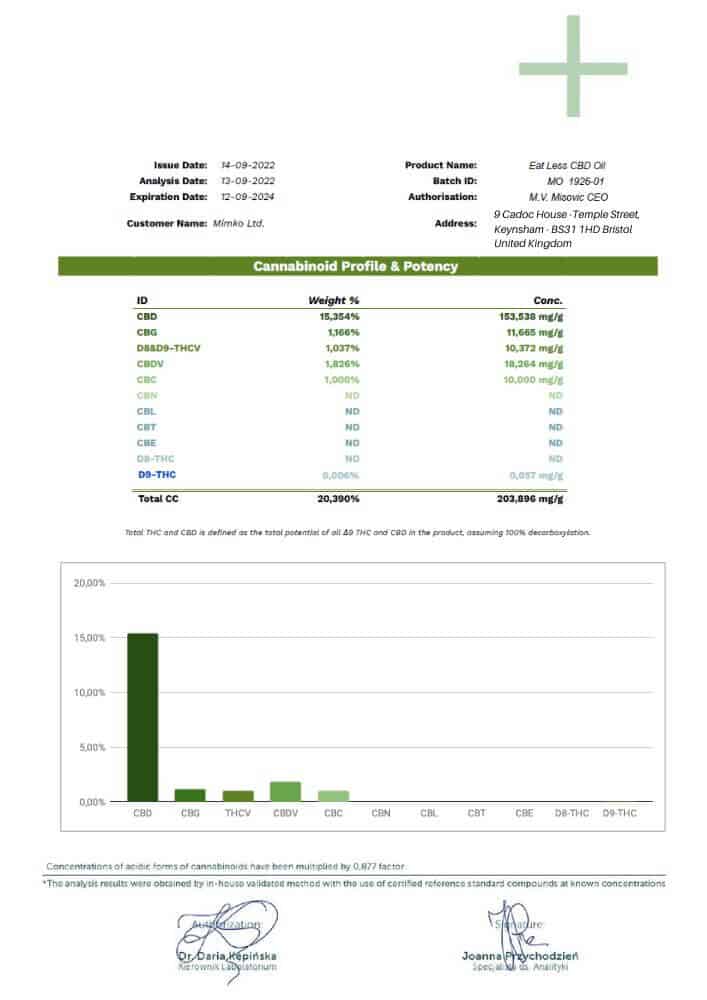
Look for products with comprehensive third-party testing verifying cannabinoid content and absence of contaminants. Choose companies that provide certificates of analysis, use organic cultivation practices, employ clean extraction methods (CO2 or ethanol preferred), and clearly disclose all ingredients. Pharmaceutical-grade products may offer more reliable dosing.
CBD is unlikely to directly interfere with blood pressure measurement techniques. However, its potential anxiolytic effects might reduce “white coat hypertension” during medical visits. Some CBD products contain ingredients like caffeine that could influence readings, so it’s important to disclose CBD usage to healthcare providers when monitoring blood pressure.
Limited research addresses optimal timing, but theoretical considerations suggest taking CBD 1-2 hours before stressful situations may help blunt stress-induced blood pressure increases. For general management, consistent daily dosing may be more important than specific timing. Evening administration might leverage CBD’s potential sleep benefits.
Older adults may experience more pronounced blood pressure effects from CBD due to age-related changes in endocannabinoid system function, diminished drug metabolism capacity, and greater baseline cardiovascular vulnerability. Seniors should start with lower doses and monitor effects carefully, particularly if taking multiple medications.
Inform your doctor about your interest in CBD, current blood pressure readings and treatment, other medications and supplements, any previous CBD or cannabis use, and specific hypertension concerns. Ask about potential drug interactions, appropriate monitoring, and whether CBD might complement your current treatment plan. Bring any research you’ve found for discussion.
Q
Meer veelgestelde vragen
Als je meer algemene vragen hebt over Cannabidiol, ga dan naar onze hoofdpagina FAQ-pagina and see if you find your answers there. In case you have a more specific question, maybe related to your ailment or something else, feel free to reach out to one of our cannabis experts, and they will help you.
Je kunt ook een kijkje nemen in een van onze gespecificeerde artikelen. We hebben meer dan 500 artikelen beschikbaar en garanderen je dat je zult vinden wat je zoekt.
Meer specifieke FAQ
Hulp nodig bij het kiezen van het product voor u?
Wij bieden gratis advies met onze Cannabis-experts. Neem contact op om het beste product voor jouw behoeften te vinden.
De echte CBD-producten
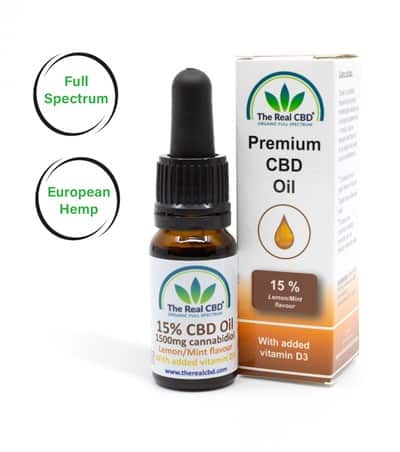
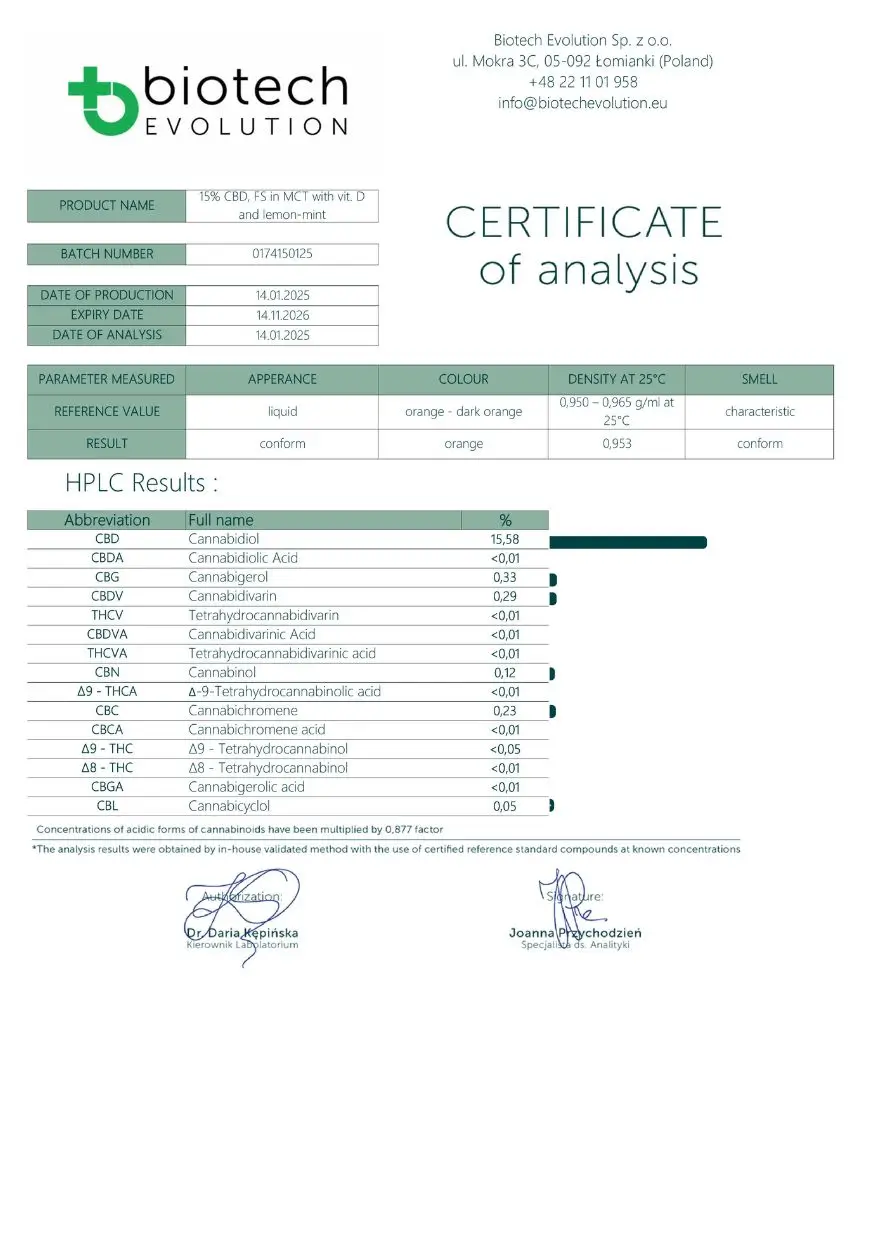
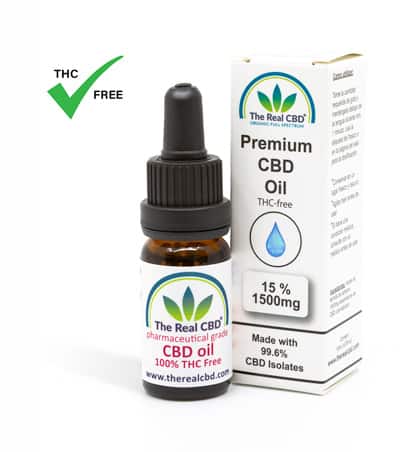

15% CBD olie - THC Vrij

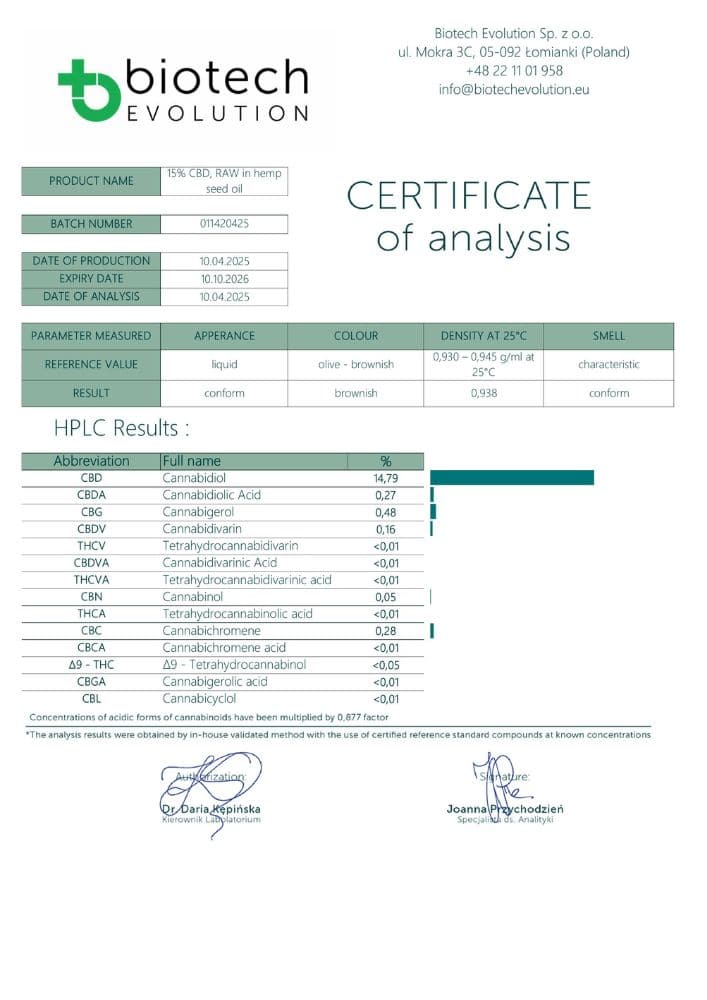
15% Zuivere CBD-olie

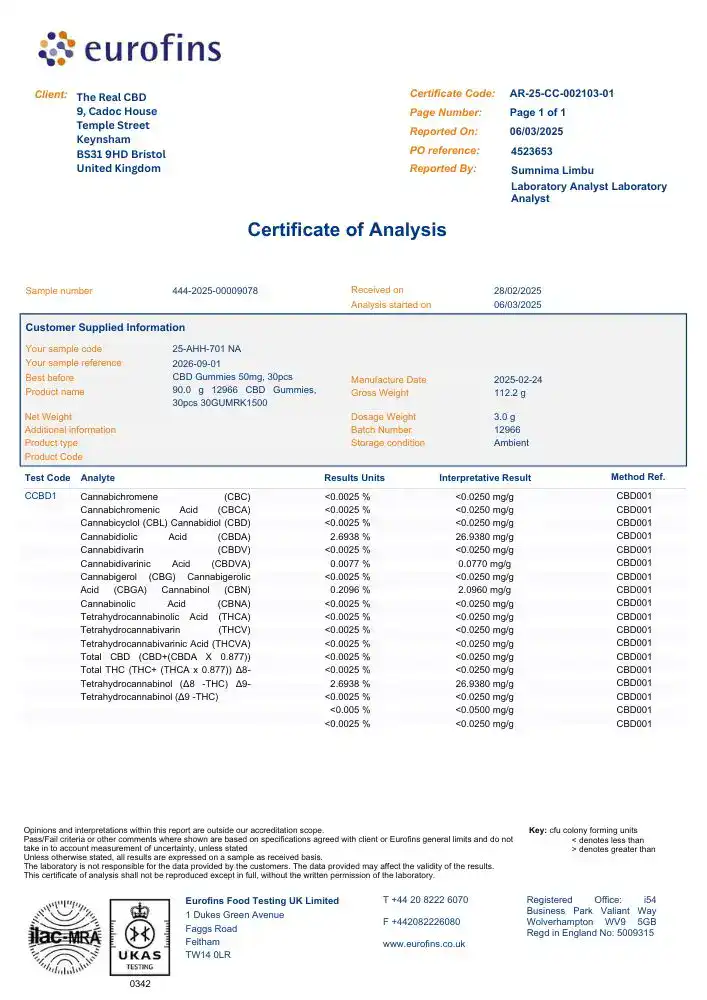
CBD gummies - 50mg CBD