
How Can CBD Improve HRV?
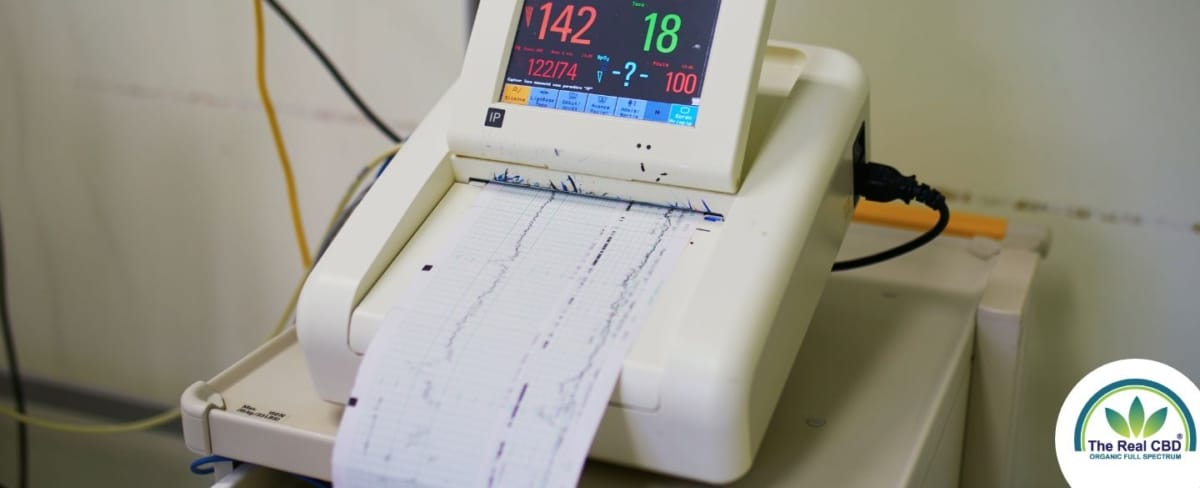
When it comes to heart health and overall well-being, most of us focus on the basics—like keeping cholesterol in check and getting enough exercise. However, have you ever heard of heart rate variability (HRV)? It’s an important marker of your body’s resilience and longevity. And now, there’s growing interest in how CBD might be able to improve it. Nevertheless, what exactly is HRV, and how can CBD and HRV work together to enhance your health?
If you’ve heard of heart rate variability (HRV), you probably know it’s an indicator of how well your heart can adapt to different circumstances. It’s gaining recognition as a key health metric, closely linked to stress resilience, longevity, and even mental well-being. But can CBD—a popular wellness supplement—actually help improve HRV? In this article, we’ll break down what HRV is, why it matters for your long-term health, and how CBD may be able to improve it.
Estimated reading time: 0 Minuten
- What Is HRV?
- How Can CBD Influence HRV?
- The Science Behind CBD and HRV
- Choosing the Right CBD Product for HRV
- Dosage Guidelines for CBD and HRV
- How to Track HRV While Using CBD
- Other Lifestyle Factors That Boost HRV Along with CBD
- Monitoring Progress: How to Track Your HRV Effectively
- Conclusion: Should You Use CBD to Improve HRV?
- FAQs About CBD and HRV
- The Real CBD for HRV
What Is HRV?
HRV stands for heart rate variability, which measures the variation in time between each heartbeat. While that might sound complicated, it’s essentially a sign of how flexible your heart is. Instead of beating at a steady rate, your heart adjusts to what’s going on around you.
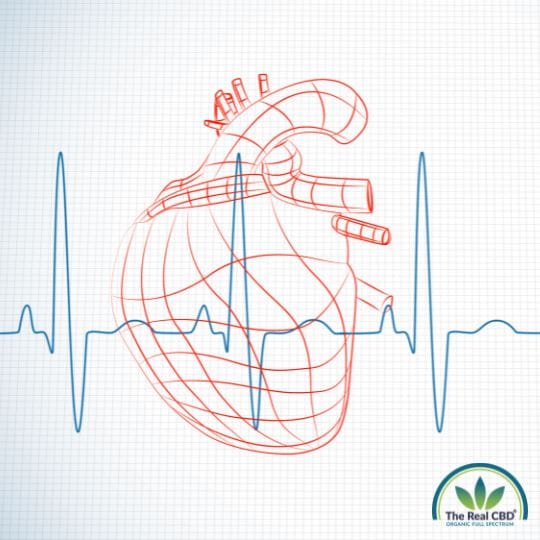
For instance, your heart beats faster when you’re exercising or stressed and slows down when you’re relaxing. The amount of variation between beats shows how well your body is responding to changes, and a higher HRV is generally considered better because it indicates more adaptability.
Why Is HRV Important?
HRV is like your body’s internal gauge for how balanced you are. When your HRV is high, it means your body can quickly switch between states of stress and relaxation. Think of it like a car that can easily shift gears depending on the road conditions. If you have a high HRV, your body can adapt to challenges more efficiently, making you more resilient.
A low HRV, on the other hand, might suggest that your body is under chronic stress or not recovering as well from physical exertion. Long-term, low HRV is associated with health issues like heart disease, diabetes, and even anxiety or depression.
HRV and Longevity: What’s the Connection?
You may be wondering: what does HRV have to do with longevity? Well, research suggests that people with higher HRV tend to live longer and have a lower risk of developing chronic diseases. This is because HRV is a reflection of your autonomic nervous system (ANS), which controls everything from your heart rate to your digestion and immune system.
A balanced ANS—reflected by high HRV—means that your body can efficiently manage stress, recover from illness, and maintain overall health. Simply put, a high HRV could be an indicator of a longer, healthier life.
Factors That Affect HRV
There are many factors that can influence your HRV, including:
- Stress levels: High stress lowers HRV, while relaxation increases it.
- Physical fitness: Regular exercise can improve HRV, particularly aerobic activities.
- Sleep quality: Poor sleep often results in lower HRV.
- Diet and hydration: Eating healthy and staying hydrated can positively impact HRV.
- Age: HRV tends to decrease as we get older.
By improving these factors, you can naturally boost your HRV, but could CBD also play a role?
How Can CBD Influence HRV?
CBD, or cannabidiol, is known for its calming and anti-inflammatory properties, making it a popular natural supplement for managing stress and improving overall wellness. But how does CBD tie into HRV?
CBD interacts with your body’s endocannabinoid system (ECS), which plays a crucial role in regulating many processes, including stress response, sleep, and immune function—all of which impact HRV. By balancing the ECS, CBD may help improve your body’s ability to handle stress and enhance recovery, leading to a potential increase in HRV.
Study: Therapeutic Applications of Cannabinoids in Cardiomyopathy and Heart Failure
The Science Behind CBD and HRV

Research into how CBD and HRV are connected is still relatively new, but some studies suggest that CBD can positively influence HRV by reducing stress and improving sleep, two major factors that affect HRV.
One small study found that participants who used CBD experienced lower stress levels and better sleep quality, both of which are linked to increased HRV. Though more studies are needed to fully understand the relationship, this evidence suggests that CBD might have a beneficial effect on HRV.
Stress Reduction and HRV: How CBD Helps
One of the most significant ways CBD may improve HRV is through stress reduction. Stress, whether it’s physical or mental, is a major factor in lowering HRV. When you’re stressed, your body enters “fight or flight” mode, which causes your heart rate to become more rigid and less variable.
CBD’s calming effects can help reduce anxiety and stress, allowing your body to shift back into a more relaxed state. By reducing the constant state of stress, CBD can help your heart become more adaptable, naturally increasing HRV over time.
CBD and Sleep: Improving HRV Overnight
Good sleep is essential for maintaining a high HRV. When we sleep, our bodies repair themselves, and our nervous systems get the chance to reset. But if your sleep is disrupted or you’re not getting enough of it, your HRV can take a hit.
CBD is often used to improve sleep quality by helping people fall asleep faster and stay asleep longer. By enhancing your sleep, CBD can indirectly boost your HRV, giving your body the recovery time it needs to keep your heart healthy.
Choosing the Right CBD Product for HRV
Not all CBD products are created equal, and choosing the right one can make all the difference when you’re trying to improve your HRV. CBD comes in various forms, including oils, capsules, gummies, and topical creams.
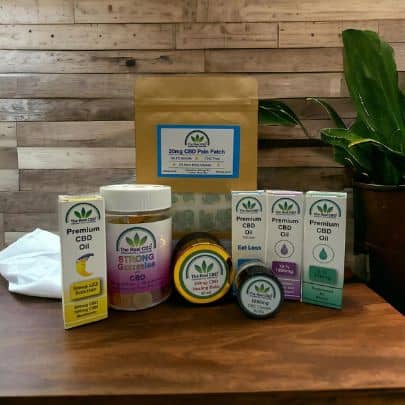
For improving HRV, it’s generally recommended to use an oral product like CBD oil or capsules, as these deliver a consistent dose to your system. Look for full-spectrum CBD products, which contain other beneficial cannabinoids that can enhance the effects of CBD.
Dosage Guidelines for CBD and HRV
When using CBD to improve HRV, the key is to start with a low dose and gradually increase it. Each person’s body reacts differently to CBD, so there’s no universal dosage.
A typical starting dose might be 10-20 mg of CBD per day, but it’s essential to listen to your body and adjust accordingly. Some people may find they need higher doses to see improvements in HRV, while others may benefit from smaller amounts.
How to Track HRV While Using CBD
If you’re serious about improving your HRV, it’s a good idea to track it while using CBD. Many modern fitness trackers and smartwatches, like those from Garmin, Whoop, or Apple, can monitor your HRV throughout the day.
By tracking your HRV, you can see how your body responds to CBD over time. Pay attention to trends in your HRV readings and adjust your CBD dosage or usage habits accordingly.
Potential Side Effects and Considerations
While CBD is generally considered safe, there are some potential side effects to be aware of, including drowsiness, dry mouth, and lightheadedness. It’s also important to note that CBD can interact with certain medications, so if you’re taking any prescriptions—especially for heart conditions—it’s essential to consult with your doctor before adding CBD to your routine.
Additionally, it’s crucial to use high-quality CBD products from reputable brands to ensure you’re getting a safe and effective supplement.
More about CBD from our blog section
Other Lifestyle Factors That Boost HRV Along with CBD
While CBD can be a great supplement for improving HRV, it’s essential to remember that it’s not a magic bullet. You’ll get the best results when you combine CBD with other healthy lifestyle habits. Here are some additional factors that can help you naturally boost your HRV:
1. Regular Exercise
Physical activity is one of the best ways to increase your HRV. Engaging in aerobic exercise like walking, running, or swimming can strengthen your heart and improve your body’s ability to adapt to stress. Even moderate exercise, like brisk walking for 30 minutes a day, can lead to noticeable improvements in HRV over time.
For those looking to fine-tune their HRV, yoga and deep-breathing exercises can also be particularly effective as they directly target the autonomic nervous system, which controls heart rate variability.
2. Stress Management
Stress is one of the biggest factors that lower HRV. So, finding ways to manage stress effectively is crucial. In addition to taking CBD, incorporating mindfulness practices like meditation, journaling, or spending time in nature can do wonders for reducing stress levels and improving your HRV. CBD can complement these practices by helping your body enter a more relaxed state, making it easier to manage stressful situations.
3. Quality Sleep
Good sleep hygiene is essential for keeping your HRV high. A lack of sleep or poor-quality sleep can severely lower HRV, as your body isn’t getting the rest it needs to recover and reset. To improve your sleep:
- Stick to a regular sleep schedule by going to bed and waking up at the same time every day.
- Create a relaxing bedtime routine, like taking a warm bath, practicing deep breathing, or drinking a calming herbal tea.
- Limit exposure to screens (phones, TVs, computers) at least an hour before bed, as blue light can interfere with your natural sleep cycles.
As we’ve covered, CBD can be beneficial for improving sleep quality, helping you achieve deeper, more restorative sleep, which can have a direct impact on your HRV.
Monitoring Progress: How to Track Your HRV Effectively
Tracking your HRV can be a valuable way to monitor your progress when using CBD or making lifestyle changes. With advancements in technology, HRV tracking is easier than ever. Here’s how you can effectively monitor your HRV:

1. Use Wearable Devices
There are several wearable devices on the market that can monitor your HRV in real-time, including:
- Whoop Strap: A fitness tracker specifically designed for HRV tracking, sleep, and recovery metrics.
- Apple Watch: Newer models of the Apple Watch can monitor your heart rate variability through built-in health apps.
- Oura Ring: A smart ring that tracks HRV alongside other health metrics like sleep, readiness, and body temperature.
By wearing these devices, you can get daily updates on your HRV and see how it fluctuates based on stress, sleep quality, and even CBD usage.
2. Keep a Journal
In addition to using technology, keeping a journal can help you track your HRV trends. Record how you feel physically and mentally, your CBD dosage, and other lifestyle factors like diet, exercise, and sleep. Over time, you’ll start to notice patterns that can help you fine-tune your approach to improving HRV.
Conclusion: Should You Use CBD to Improve HRV?
To wrap up, improving HRV is an excellent way to boost your overall health and longevity, and CBD may offer a natural and effective way to do just that. By reducing stress, enhancing sleep quality, and supporting recovery, CBD can positively influence your HRV, helping your body become more adaptable and resilient.
However, CBD isn’t a miracle cure, and it works best when used alongside other healthy habits like regular exercise, proper stress management, and good sleep hygiene. If you decide to give CBD a try, make sure to choose high-quality products, start with a low dose, and monitor your progress over time—whether through a wearable device or simply by paying attention to how you feel.
And as always, consult with your doctor, especially if you have existing health conditions or are taking any medications. With the right approach, you may find that CBD is a helpful tool in improving your HRV and supporting your long-term well-being.
This concludes our in-depth look into how CBD may help improve HRV and, by extension, your overall health. By using CBD alongside other healthy habits, you can work toward a higher HRV and a more resilient, adaptable body.
FAQs About CBD and HRV
While CBD may improve HRV by enhancing sleep and reducing stress, changes in HRV usually take time. It’s best to monitor your HRV over weeks or months to notice improvements.
Full-spectrum CBD oils or capsules are typically the best option for improving HRV, as they provide consistent dosages and contain other beneficial cannabinoids.
Most people will notice the calming effects of CBD within 30-60 minutes, but improvements in HRV may take days or weeks of consistent use.
It’s essential to consult your doctor before using CBD if you’re on any heart medication, as CBD can interact with certain drugs.
Yes, higher HRV is generally associated with better health, stress resilience, and longevity. It’s a sign that your body is more adaptable to stress and recovery.
The Real CBD for HRV

I am a certified expert in Medicinal Cannabis. We are all about giving correct and trustworthy information. We know how important it is to learn about CBD and cannabis, which is why we want to be your go-to source for trustworthy information. We help you improve your health by using our knowledge and experience as a starting point.














Leave a Reply
Want to join the discussion?Feel free to contribute!