
CBD and DNA: The Genetic Connection
Have you ever wondered if the things we consume could tinker with the very building blocks of our being? Well, buckle up, because we’re about to embark on a fascinating journey into the world of CBD and its potential influence on our DNA. It’s like imagining your genetic code as a complex musical score, and CBD as a guest conductor – could it really change the tune of our biological symphony?
Cannabidiol, or CBD as it’s commonly known, has been making waves in the wellness world. From oils to gummies, it seems like CBD has found its way into every corner of our lives. But what if I told you that this compound might be doing more than just helping you relax or ease that nagging back pain? What if it could actually interact with the very essence of who we are – our DNA?
In this article, we’ll dive deep into the current research, separate fact from fiction, and explore the potential ways CBD might be influencing our genetic makeup. So, whether you’re a CBD enthusiast, a science buff, or just plain curious, there’s something here for everyone. Let’s unravel this genetic mystery together!
Estimated reading time: 14 Minuten
- Understanding CBD: A Brief Overview
- The Basics of DNA: Our Genetic Blueprint
- The Endocannabinoid System: CBD’s Playground
- CBD and Epigenetics: Changing the Game Without Changing the Rules
- How CBD might influence epigenetics:
- Direct DNA Interaction: Can CBD Alter Our Genes?
- CBD’s Influence on Gene Expression
- Potential areas of CBD’s influence on gene expression:
- The Role of CBD in DNA Repair Mechanisms
- Possible health areas impacted by CBD’s genetic influence:
- CBD and Personalized Medicine: A Genetic Approach
- Debunking Myths: What CBD Can and Can’t Do to Your DNA
- CBD as part of a holistic approach:
- Conclusion: Unraveling the CBD-DNA Connection
- Frequently Asked Questions (FAQs)
- The Real CBD Best Selling Products
Understanding CBD: A Brief Overview

Before we dive into the genetic deep end, let’s take a moment to understand what CBD actually is. Cannabidiol, or CBD, is one of over 100 cannabinoids found in the cannabis plant. Unlike its famous cousin THC, CBD doesn’t get you high. Instead, it’s gained popularity for its potential therapeutic benefits.
Key points about CBD:
- Non-psychoactive compound
- Derived from hemp or marijuana plants
- Used in various forms like oils, edibles, and topicals
- Claimed benefits include pain relief, anxiety reduction, and improved sleep
But how does this plant-derived compound potentially interact with something as fundamental as our DNA? To answer that, we first need to understand a bit about DNA itself.
The Basics of DNA: Our Genetic Blueprint
Think of DNA as the instruction manual for your body. It’s a long, complex molecule that contains all the information needed to build and maintain you.
DNA basics:
- Stands for deoxyribonucleic acid
- Composed of four bases: adenine (A), guanine (G), cytosine (C), and thymine (T)
- Organized into genes, which provide instructions for making proteins
- Can be influenced by external factors, a concept known as epigenetics
Understanding DNA is crucial because it sets the stage for how CBD might interact with our genetic material. But there’s another player in this biological drama that we need to introduce: the endocannabinoid system.
The Endocannabinoid System: CBD’s Playground
Discovered in the 1990s, the endocannabinoid system (ECS) is like the body’s own cannabis network. It plays a crucial role in maintaining balance, or homeostasis, in various bodily functions.
Key components of the ECS:
- Endocannabinoids: Molecules produced by your body that are similar to cannabinoids
- Receptors: CB1 and CB2 receptors found throughout the body
- Enzymes: Break down endocannabinoids once they’ve served their purpose
CBD interacts with this system, but not in the way you might think. Instead of binding directly to receptors, it influences the ECS indirectly. This interaction is what potentially leads to CBD’s effects on our body – and possibly our DNA.

CBD and Epigenetics: Changing the Game Without Changing the Rules
Now, here’s where things get really interesting. While CBD doesn’t directly alter your DNA sequence, it might influence how your genes are expressed. This is where epigenetics comes into play.
Epigenetics is like the director of a play. The script (your DNA) remains the same, but how it’s interpreted and performed can change. These changes can be influenced by various factors, including environmental ones – like the compounds we introduce to our body.
How CBD might influence epigenetics:
- DNA methylation: CBD could potentially affect the addition or removal of methyl groups to DNA, influencing gene expression
- Histone modification: CBD might impact how DNA is wrapped around histones, affecting which genes are “readable”
- Non-coding RNA: CBD could influence the production of RNA molecules that regulate gene expression
While research in this area is still in its early stages, some studies have shown that CBD might indeed have epigenetic effects. For instance, a 2020 study published in the journal “Cells” suggested that CBD could influence DNA methylation patterns in certain types of cells.
Direct DNA Interaction: Can CBD Alter Our Genes?

The short answer? Probably not directly. CBD doesn’t have the ability to rewrite your genetic code like some sci-fi super serum. However, that doesn’t mean it can’t influence our genes in other ways.
What CBD can’t do:
- Directly change your DNA sequence
- Insert new genes into your genome
- Remove existing genes from your DNA
What CBD might do:
- Influence how genes are expressed
- Interact with proteins that regulate gene activity
- Potentially protect DNA from damage (more on this later)
It’s important to understand that while CBD can’t fundamentally alter who you are at a genetic level, its influence on gene expression could still have significant impacts on your body’s functioning.
CBD’s Influence on Gene Expression
Gene expression is like turning on a light switch. Your DNA contains all the “switches” for various traits and functions, but not all of them are “on” all the time. Various factors, including environmental ones, can flip these switches on or off.
Research suggests that CBD might be one such factor. A 2019 study published in “Frontiers in Molecular Neuroscience” found that CBD could alter the expression of more than 1,000 genes in the brain. Many of these genes were involved in functions like synaptic plasticity and neuroprotection.
More about CBD
Potential areas of CBD’s influence on gene expression:
- Inflammation-related genes: CBD might help regulate genes involved in the inflammatory response
- Mood-related genes: Some studies suggest CBD could influence the expression of genes linked to stress and anxiety (2022 Study: Regulation of DNA Methylation by Cannabidiol and Its Implications for Psychiatry)
- Cell cycle regulation: CBD might affect genes involved in cell growth and division
While these findings are exciting, it’s crucial to remember that most of this research is still in its early stages, often conducted on animal models or in vitro. More human studies are needed to fully understand the implications.
The Role of CBD in DNA Repair Mechanisms
One of the most intriguing areas of CBD research relates to its potential role in DNA repair. Our DNA is constantly under attack from various sources – UV radiation, environmental toxins, even normal cellular processes. Fortunately, our bodies have mechanisms to repair this damage.
Some studies suggest that CBD might support these repair processes. A 2019 study published in the “Journal of Cellular Biochemistry” found that CBD could enhance the expression of genes involved in DNA repair in skin cells exposed to UV radiation.
How CBD might support DNA repair:
- Antioxidant properties: CBD’s antioxidant effects could help protect DNA from oxidative stress
- Gene regulation: CBD might influence the expression of genes involved in DNA repair pathways
- Cell cycle modulation: CBD could potentially help regulate cell division, giving cells more time for DNA repair
While these findings are promising, it’s important to note that more research is needed to fully understand CBD’s role in DNA repair and its potential therapeutic applications.
Potential Health Implications of CBD’s Genetic Influence
If CBD can indeed influence gene expression and support DNA repair, what does this mean for our health? While it’s too early to make definitive claims, the potential implications are fascinating.
Possible health areas impacted by CBD’s genetic influence:

- Cancer prevention: By potentially supporting DNA repair, CBD might help prevent mutations that lead to cancer
- Neurodegenerative diseases: CBD’s influence on neuroprotective genes could have implications for conditions like Alzheimer’s or Parkinson’s
- Inflammatory disorders: CBD’s impact on inflammation-related genes might benefit conditions like arthritis or inflammatory bowel disease
- Mental health: The influence on mood-related genes could have implications for anxiety and depression
However, it’s crucial to approach these potential benefits with cautious optimism. While the early research is promising, we’re still far from fully understanding the long-term effects of CBD on our genetic functioning.
Current Research and Future Directions
The field of CBD research is rapidly evolving, with new studies emerging regularly. However, when it comes to CBD’s impact on our DNA, we’re still in the early stages of understanding.
Current state of research:
- Most studies are preclinical, conducted on cell cultures or animal models
- Human studies are limited and often small-scale
- Research focuses mainly on CBD’s effects on gene expression rather than direct DNA interaction
Future research directions:
- Larger, long-term human studies to understand CBD’s genetic effects
- Investigation into CBD’s potential in personalized medicine based on genetic profiles
- Exploration of CBD’s interaction with specific genes related to various health conditions
As research progresses, we’ll likely gain a more nuanced understanding of how CBD interacts with our genetic material and what this means for human health.
Ethical Considerations and Regulatory Landscape
As with any substance that potentially influences our genetic functioning, CBD’s growing popularity raises some ethical questions and regulatory challenges.

Ethical considerations:
- Long-term effects: What are the potential long-term consequences of regular CBD use on our genetic health?
- Generational impacts: Could CBD use have epigenetic effects that are passed down to future generations?
- Informed consent: How can we ensure consumers understand the potential genetic implications of CBD use?
Regulatory challenges:
- Quality control: Ensuring CBD products are pure and accurately labeled
- Dosage guidelines: Establishing safe dosage ranges based on genetic research
- Medical claims: Regulating claims about CBD’s genetic or health benefits
As our understanding of CBD’s genetic influences grows, these ethical and regulatory considerations will likely become increasingly important.
CBD and Personalized Medicine: A Genetic Approach
One exciting potential application of CBD’s genetic interactions is in the field of personalized medicine. Just as our DNA is unique, our response to CBD might also be influenced by our genetic makeup.
Potential applications of CBD in personalized medicine:
- Tailored dosages: Genetic testing could help determine optimal CBD dosages for individuals
- Targeted therapies: Understanding how CBD interacts with specific genes could lead to more targeted treatments
- Predicting responsiveness: Genetic profiles might help predict who is most likely to benefit from CBD-based therapies
While we’re still a long way from being able to prescribe CBD based on genetic profiles, this represents an exciting frontier in both CBD research and personalized medicine.
Debunking Myths: What CBD Can and Can’t Do to Your DNA
As with any popular health trend, there’s a lot of misinformation out there about CBD and its effects on our DNA. Let’s clear up some common misconceptions:

Myth 1: CBD can alter your DNA sequence
Reality: CBD doesn’t change your genetic code. It may influence gene expression, but it can’t rewrite your DNA.
Myth 2: CBD’s effects on DNA are permanent
Reality: While CBD might have epigenetic effects, these are generally reversible and don’t permanently alter your genetic makeup.
Myth 3: CBD can “fix” genetic disorders
Reality: While CBD might have therapeutic potential for some conditions with genetic components, it can’t correct genetic mutations or cure genetic disorders.
Myth 4: All CBD products will have the same genetic effects
Reality: The quality, purity, and composition of CBD products can vary widely, potentially influencing their effects on gene expression.
It’s crucial to approach claims about CBD’s genetic effects with a critical eye and rely on reputable, scientific sources for information.
CBD in the Context of Lifestyle and Environment
While CBD’s potential influence on our DNA is fascinating, it’s important to remember that it’s just one piece of a much larger puzzle. Our genetic expression is influenced by a multitude of factors, including diet, exercise, stress levels, and environmental exposures.
CBD as part of a holistic approach:

- Lifestyle factors: CBD’s effects might be enhanced or mitigated by other lifestyle choices
- Environmental context: The impact of CBD on gene expression could vary depending on environmental factors
- Individual variations: Genetic differences between individuals could lead to varied responses to CBD
In other words, CBD shouldn’t be viewed as a magic bullet, but rather as one potential tool in a comprehensive approach to health and wellness.
Conclusion: Unraveling the CBD-DNA Connection
As we’ve explored in this deep dive, the relationship between CBD and our DNA is complex and still not fully understood. While CBD doesn’t directly alter our genetic code, its potential influence on gene expression and DNA repair mechanisms opens up exciting possibilities for health and wellness applications.
From its interaction with the endocannabinoid system to its potential role in personalized medicine, CBD continues to surprise researchers with its wide-ranging effects. However, it’s crucial to approach these findings with a balanced perspective. While the potential is exciting, we’re still in the early stages of understanding CBD’s long-term impacts on our genetic functioning.
As research progresses, we’ll undoubtedly learn more about how this fascinating compound interacts with our body at the most fundamental level. In the meantime, if you’re considering using CBD, it’s always best to consult with a healthcare professional and stay informed about the latest research.
Remember, our DNA is just one part of what makes us who we are. CBD, like any other compound we introduce to our bodies, plays a role in the complex symphony of our biology. As we continue to unravel this genetic mystery, one thing is clear: the story of CBD and our DNA is far from over.
Frequently Asked Questions (FAQs)

No, CBD cannot permanently alter your DNA sequence. It may influence gene expression through epigenetic mechanisms, but these changes are generally reversible and do not modify your genetic code.
While CBD has shown potential benefits for some conditions with genetic components, it’s crucial to consult with a healthcare professional before using CBD if you have a genetic disorder. They can provide personalized advice based on your specific condition and medical history.
The timeframe for CBD’s effects on gene expression can vary depending on factors like dosage, method of consumption, and individual biology. Some studies have shown changes in gene expression within hours of CBD administration, while others observe effects over longer periods. More research is needed to establish definitive timelines.
While CBD may have epigenetic effects, there’s currently no evidence to suggest these changes are heritable. However, research in this area is limited, and long-term, multi-generational studies would be needed to fully answer this question.
The purity and composition of CBD products can significantly influence their effects, including potential impacts on gene expression. High-quality, lab-tested CBD products are more likely to provide consistent effects. Always choose reputable brands and consult third-party lab reports when available.
The Real CBD Best Selling Products
-
Product on sale
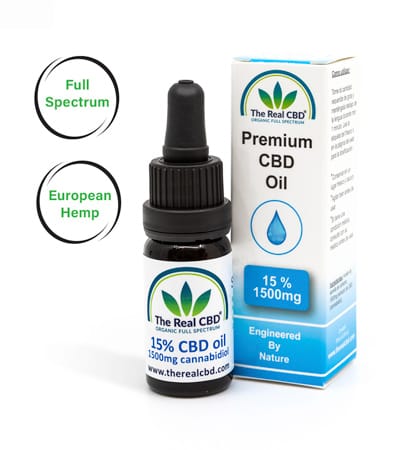 15% Pure CBD oil€43.95 €49.95Preisspanne: €43.95 bis €49.95
 -
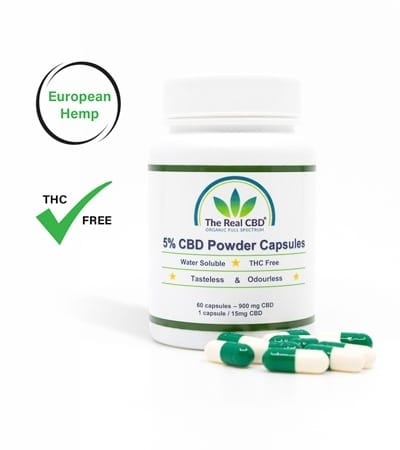 CBD Capsules – Water Soluble 5%€55.00
 -
Product on sale
 5% Pure CBD oil€19.95 €22.00Preisspanne: €19.95 bis €22.00
 -
Product on sale
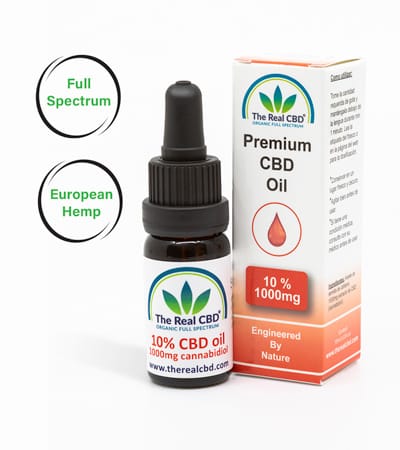 10% CBD oilLe prix initial était : €45.00.€39.95Le prix actuel est : €39.95.
 -
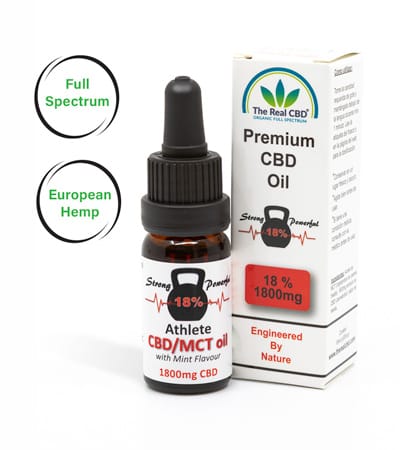 Athlete MCT/CBD oil 18%€75.00
 -
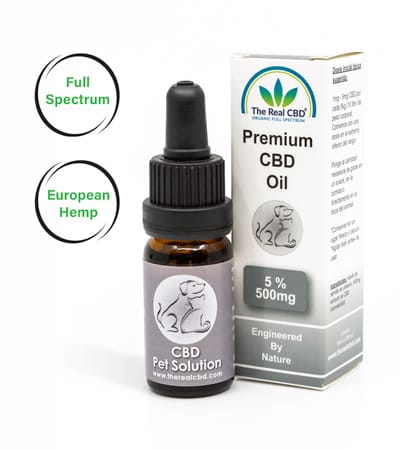 5% CBD oil for Pets€22.00
 -
Product on sale
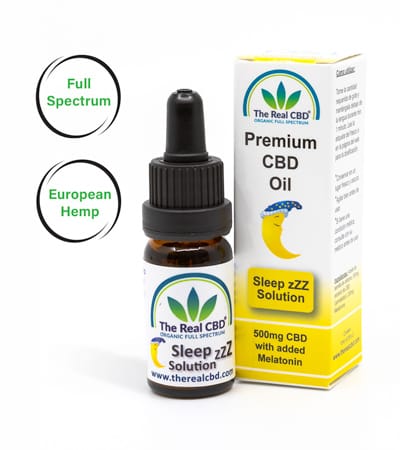 CBD Sleep Solution 10%Le prix initial était : €50.00.€43.95Le prix actuel est : €43.95.
 -
Product on sale
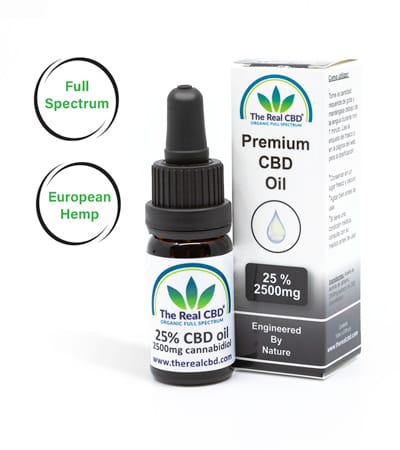 25% Pure CBD oilLe prix initial était : €99.00.€79.95Le prix actuel est : €79.95.
 -
Product on sale
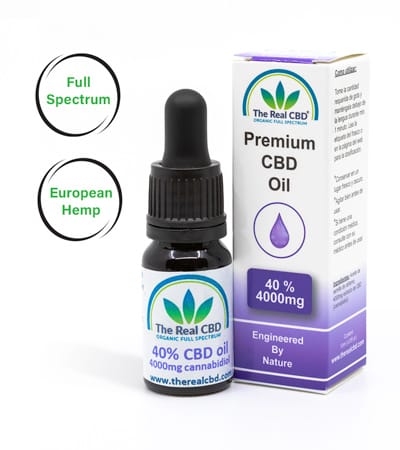 40% Raw CBD OilLe prix initial était : €145.00.€95.50Le prix actuel est : €95.50.
 -
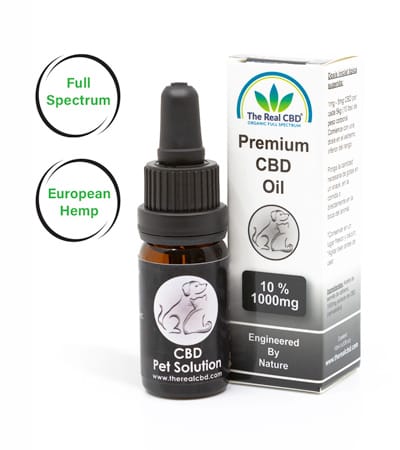 10% CBD oil for Pets€45.00
 -
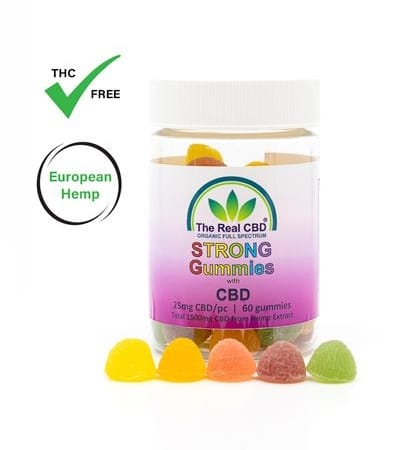 CBD gummies – 25mg CBD€35.00
 -
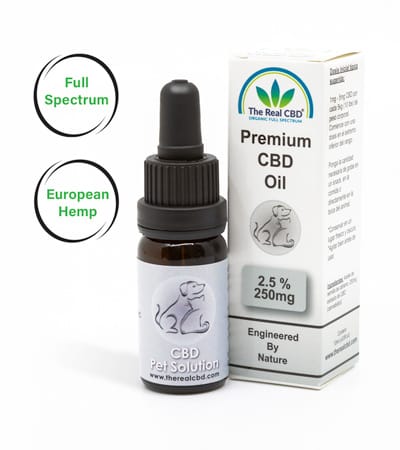 2.5% CBD oil for Pets€15.00

I am a certified expert in Medicinal Cannabis. We are all about giving correct and trustworthy information. We know how important it is to learn about CBD and cannabis, which is why we want to be your go-to source for trustworthy information. We help you improve your health by using our knowledge and experience as a starting point.











Leave a Reply
Want to join the discussion?Feel free to contribute!