
CBD Oil for Knee Cartilage Degeneration Pain
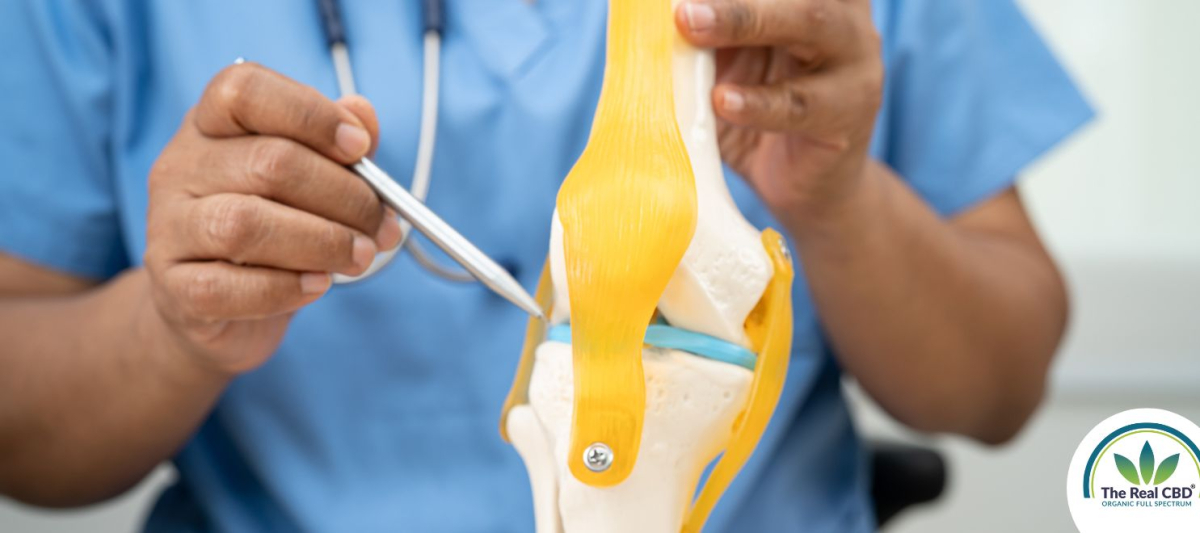
Knee pain has a way of quietly taking over daily life. Simple things like walking upstairs, standing up from a chair, or going for a short walk can suddenly feel uncomfortable. For many people, this pain is linked to knee cartilage degeneration—a gradual wearing down of the protective cushioning inside the knee joint.
This condition often develops slowly, which makes it easy to ignore at first. But when left unsupported, it can lead to ongoing discomfort and reduced mobility. That’s why more people are exploring natural ways to support their joints, including CBD oil for knee cartilage degeneration pain.
In this article, we’ll look at the symptoms to watch for, what can happen if nothing is done, and how CBD oil—particularly The Real CBD 25% CBD Raw Oil—may help support everyday knee comfort.
Estimated reading time: 9 Minuten
- 1. What Is Knee Cartilage Degeneration?
- 2. Why Knee Cartilage Is So Important
- 3. Common Causes of Knee Cartilage Degeneration
- 4. Early Symptoms You Shouldn’t Ignore
- 5. Advanced Symptoms as Degeneration Progresses
- 6. How Knee Cartilage Degeneration Affects Daily Life
- 7. What Happens If Nothing Is Done?
- 8. Traditional Treatment Options and Their Limits
- 9. Why People Are Turning to Natural Alternatives
- 10. How CBD Oil Works in the Body (Simply Explained)
- 11. CBD Oil for Knee Cartilage Degeneration Pain: What We Know
- 12. Why Full-Spectrum CBD Makes a Difference
- 13. The Real CBD 25% CBD Raw Oil: Product Overview
- 14. How to Use CBD Oil for Knee Comfort
- 15. Lifestyle Tips to Support Knee Health
- Conclusion
- Frequently Asked Questions
1. What Is Knee Cartilage Degeneration?
Think of knee cartilage like the rubber padding on a car’s suspension. It’s smooth, flexible, and designed to absorb shock. Over time, that padding can thin, crack, or wear away. This process is known as knee cartilage degeneration.
Cartilage doesn’t have its own blood supply, which means it heals very slowly. Once damage begins, it often progresses unless steps are taken to support the joint.
2. Why Knee Cartilage Is So Important
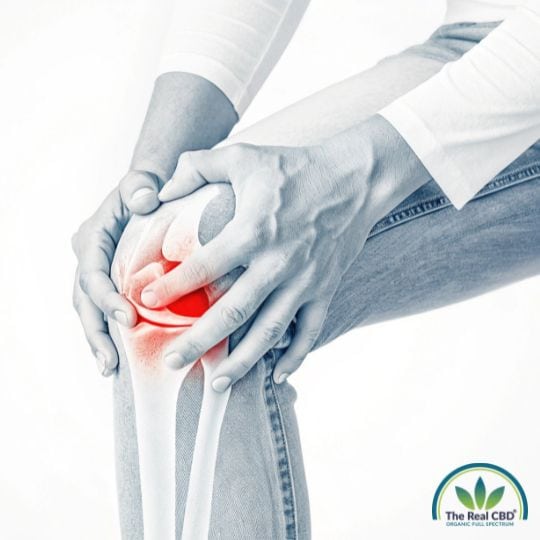
Cartilage allows your knee joint to glide smoothly. Without it, bones rub against each other like sandpaper. That friction leads to stiffness, swelling, and pain.
Healthy cartilage helps with:
- Smooth movement
- Shock absorption
- Joint stability
- Pain-free walking and bending
When cartilage breaks down, every movement can feel harder than it should.
3. Common Causes of Knee Cartilage Degeneration
There’s rarely just one cause. Usually, it’s a mix of factors working together over time.
Common contributors include:
- Age-related wear and tear
- Previous knee injuries
- Excess body weight
- Repetitive strain from work or sport
- Poor joint alignment
- Inflammation over long periods
It’s a bit like wearing down the tread on tyres—once it’s gone, grip and comfort disappear fast.
4. Early Symptoms You Shouldn’t Ignore
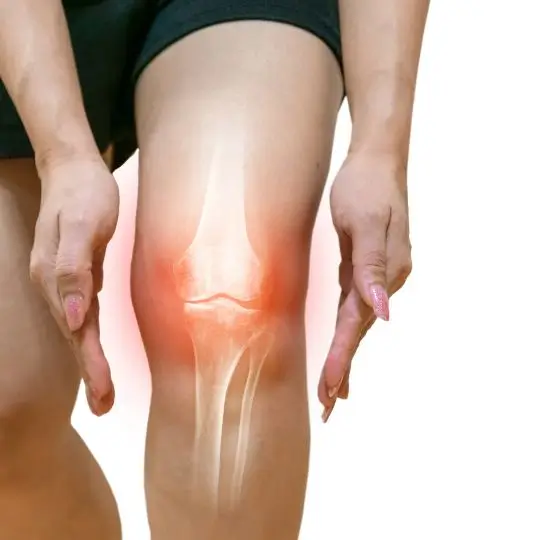
The early signs are often subtle, which is why many people ignore them.
Early symptoms may include:
- Mild knee pain after activity
- Stiffness in the morning
- Clicking or popping sounds
- Reduced flexibility
At this stage, the knee may still function “well enough,” but it’s quietly asking for support.
5. Advanced Symptoms as Degeneration Progresses
As cartilage continues to break down, symptoms become harder to ignore.
More advanced signs include:
- Ongoing knee pain, even at rest
- Swelling and warmth around the joint
- Grinding sensations
- Reduced range of motion
- Difficulty climbing stairs or standing up
This is often when people start searching seriously for relief options like CBD oil for knee cartilage degeneration pain.

6. How Knee Cartilage Degeneration Affects Daily Life
Knee discomfort doesn’t just affect movement—it affects mood, sleep, and confidence.
You might:
- Avoid walking long distances
- Stop exercising altogether
- Feel frustrated or low
- Rely heavily on painkillers
Over time, this can lead to weaker muscles and even more joint stress.
7. What Happens If Nothing Is Done?
Ignoring cartilage degeneration is like driving on a flat tyre—it only gets worse.
Possible outcomes include:
- Increased pain and inflammation
- Bone-on-bone contact
- Loss of independence
- Reduced mobility
- Potential need for surgery

Early support can make a huge difference to long-term comfort.
8. Traditional Treatment Options and Their Limits
Doctors often recommend:
- Painkillers
- Anti-inflammatory drugs
- Steroid injections
- Physical therapy
While these can help manage symptoms, they don’t always address long-term joint health and may come with side effects when used continuously.
Related Content
9. Why People Are Turning to Natural Alternatives

People are turning to natural help for a few very down-to-earth reasons — it’s less about trends and more about real-life experience.
First, many people feel fed up with temporary fixes. Painkillers and anti-inflammatory drugs can dull discomfort, but they don’t always feel like a long-term answer. Some people also worry about taking them every day and the strain that can put on the stomach, liver, or kidneys over time.
Second, there’s a growing desire to support the body rather than fight it. Natural options are often seen as working with the body’s own systems instead of overriding them. For joint issues like knee cartilage degeneration, people want something they can use consistently without feeling they’re “masking” the problem.
Another big reason is control and choice.
Natural approaches allow people to be more involved in their own wellbeing — adjusting lifestyle, movement, diet, and supplements to suit their body, not just following a one-size-fits-all solution.
There’s also the long-term mindset. Knee cartilage wear doesn’t happen overnight, so many people prefer gentle, ongoing support rather than short bursts of stronger interventions. Natural options fit better into daily routines and long-term plans.
Finally, awareness has grown. People are more informed than ever and actively research alternatives. As understanding improves around things like the body’s internal balancing systems, options such as CBD oil are being explored as part of a broader, more natural approach to joint comfort and mobility.
In short, people aren’t rejecting conventional care — they’re simply adding natural support to feel more balanced, confident, and in control of their day-to-day comfort.
10. How CBD Oil Works in the Body (Simply Explained)
Your body has something called the endocannabinoid system—think of it as a balancing network. It helps regulate comfort, inflammation, mood, and sleep.
CBD works with this system, helping the body find balance again. It doesn’t “force” change—it supports natural processes already there.
11. CBD Oil for Knee Cartilage Degeneration Pain: What We Know

Many people use CBD oil to support:
- Joint comfort
- Mobility
- Daily stiffness
- Recovery after activity
While CBD doesn’t rebuild cartilage, it may help create a more comfortable environment for movement and daily living.
12. Why Full-Spectrum CBD Makes a Difference
Full-spectrum CBD makes a difference because it uses the whole plant, not just one isolated part of it. Instead of focusing on CBD alone, it keeps all the naturally occurring compounds working together, the way nature intended.
Think of it like an orchestra. One instrument can sound nice on its own, but when the whole orchestra plays together, the result is fuller, richer, and more powerful. Full-spectrum CBD works in a similar way. Alongside CBD, it contains small amounts of other cannabinoids, natural oils, and plant compounds that support each other.
This teamwork is often called the “entourage effect.” In simple terms, the compounds help each other do their jobs better. For people dealing with joint discomfort or stiffness, this can mean more balanced, noticeable support compared to CBD on its own.
Another reason people prefer full-spectrum CBD is that it tends to feel more well-rounded and natural. Instead of a sharp or one-dimensional effect, many users describe it as smoother and longer-lasting, which suits ongoing issues like knee discomfort.
Finally, full-spectrum products are often less processed. Keeping the plant closer to its natural state helps preserve its original character, which appeals to people looking for a more natural approach to daily wellbeing.
In short, full-spectrum CBD stands out because it’s not about doing more — it’s about working better together.
13. The Real CBD 25% CBD Raw Oil: Product Overview
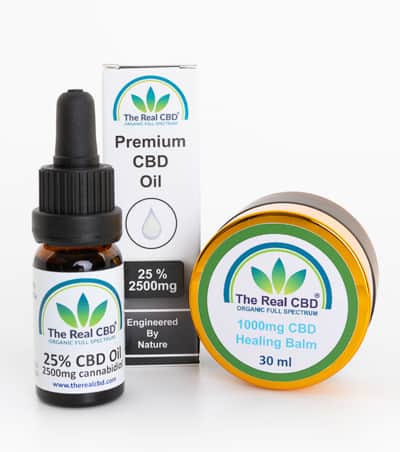
The Real CBD 25% CBD Raw Oil is a strong, full-spectrum option designed for people who want serious support.
Key features include:
- High-strength 25% CBD
- Full-spectrum whole plant extract
- Minimal processing (raw oil)
- Clear, transparent lab testing
It’s a popular choice among those managing ongoing joint discomfort.
14. How to Use CBD Oil for Knee Comfort
Most people use CBD oil under the tongue, holding it for around 60 seconds before swallowing.
Tips for best results:
- Start low and build slowly
- Use consistently
- Combine with gentle movement
- Listen to your body
Consistency matters more than quick fixes.
15. Lifestyle Tips to Support Knee Health
CBD works best as part of a bigger picture.
Helpful habits include:
- Maintaining a healthy weight
- Low-impact exercise (like swimming)
- Strengthening leg muscles
- Eating anti-inflammatory foods
- Getting enough sleep
Think of it as giving your knees a supportive daily routine.
Conclusion
Knee cartilage degeneration doesn’t happen overnight—and neither does improvement. Ignoring the problem can lead to increasing discomfort and limited mobility. Supporting your joints early, naturally, and consistently can make a real difference.
For many, CBD oil for knee cartilage degeneration pain has become a valuable part of that support system. Products like The Real CBD 25% CBD Raw Oil offer a full-spectrum, high-strength option for those serious about daily joint comfort.
Your knees carry you through life. Looking after them now is an investment in future freedom of movement.
Frequently Asked Questions
CBD oil does not cure cartilage degeneration, but many people use it to support comfort, mobility, and daily joint ease.
Some people notice changes within days, while others need several weeks of consistent use.
High-quality CBD oil is generally well tolerated when used responsibly and according to guidance.
Many people do, but it’s always sensible to discuss this with a healthcare professional.
Higher-strength oils like 20% are often chosen by people with more persistent discomfort who want stronger daily support.

I am a certified expert in Medicinal Cannabis. We are all about giving correct and trustworthy information. We know how important it is to learn about CBD and cannabis, which is why we want to be your go-to source for trustworthy information. We help you improve your health by using our knowledge and experience as a starting point.













Leave a Reply
Want to join the discussion?Feel free to contribute!