FAQ CBD for High Cholesterol– Frequently Asked Questions
FAQ – CBD for high cholesterol. Welcome to our FAQ page all about CBD and high cholesterol. If you’re looking for a more natural way to support your heart health and manage cholesterol levels, you might be wondering whether CBD could help. The good news? You’re not alone – many people are exploring the potential of CBD as part of a healthy lifestyle.
CBD, short for cannabidiol, is a natural compound found in the hemp plant. While it’s best known for its calming and anti-inflammatory effects, there’s growing interest in how it might support overall heart and metabolic health – including cholesterol balance. It’s not a cure or a replacement for prescribed treatment, but it could be a helpful addition to a wellness routine focused on diet, exercise, and stress management.
On this page, we’ll answer the most common questions about how CBD interacts with the body, what research says about its effects on cholesterol, and how to use it safely. Whether you’re just curious or seriously considering CBD, we’ve got simple, honest answers to help guide you.
Let’s explore how CBD might fit into your heart-health toolkit – the natural way.
FAQ CBD for High Cholesterol
Current research on CBD’s direct impact on cholesterol levels is limited. While some preliminary studies suggest CBD may influence lipid metabolism through its interaction with the endocannabinoid system, there is insufficient clinical evidence to conclusively state that CBD lowers cholesterol levels in humans.
Some preclinical research indicates CBD might potentially help increase HDL (“good”) cholesterol while reducing LDL (“bad”) cholesterol through its anti-inflammatory and antioxidant properties. However, these effects have primarily been observed in animal studies and require further human clinical trials for confirmation.
Yes, CBD can interact with cholesterol medications, particularly statins. CBD inhibits cytochrome P450 enzymes in the liver that metabolize many medications, including statins. This interaction could potentially increase statin concentration in the bloodstream, enhancing both therapeutic effects and side effects. Always consult your healthcare provider before combining CBD with cholesterol medications.
Neither form has been conclusively proven superior for cholesterol management. Full-spectrum products contain additional cannabinoids and terpenes that may provide enhanced benefits through the “entourage effect,” while CBD isolate offers precise dosing without THC. The choice depends on individual health needs and medication considerations.
No standardized dosage has been established for cholesterol management. Studies examining CBD’s effects on metabolism and inflammation have used widely varying doses (from 20mg to several hundred mg daily). Starting with a low dose (10-25mg daily) and gradually increasing while monitoring effects is generally recommended under healthcare supervision.
The endocannabinoid system helps regulate lipid metabolism and energy balance. Endocannabinoid receptors (CB1 and CB2) are present in tissues involved in cholesterol processing, including the liver. By modulating these receptors, CBD may potentially influence lipid metabolism, though the specific mechanisms remain under investigation.
Possibly. Chronic inflammation contributes to dyslipidemia (abnormal cholesterol levels) and atherosclerosis. CBD’s documented anti-inflammatory effects might indirectly improve cholesterol profiles by reducing systemic inflammation, potentially slowing the progression of atherosclerotic plaque formation.
Human studies specifically investigating CBD’s effects on cholesterol are limited. Most evidence comes from animal research or studies examining broader cardiometabolic effects. A few small human studies have noted changes in lipid profiles as secondary outcomes when studying CBD for other conditions, but large-scale, targeted clinical trials are needed.
Preliminary research suggests CBD may have protective effects against atherosclerosis through multiple mechanisms: reducing inflammation in arterial walls, decreasing oxidative stress, improving endothelial function, and potentially modulating cholesterol transport. However, these findings remain primarily in preclinical stages.
Cholesterol changes typically occur gradually over weeks to months, not hours or days. If CBD does meaningfully affect cholesterol metabolism, these effects would likely take consistent use over 1-3 months to become apparent in blood tests. Acute or immediate cholesterol changes from CBD are unlikely.
While some CBD products may be marketed with cardiovascular health claims, no CBD formulation has been FDA-approved specifically for cholesterol management. Consumers should be skeptical of products making explicit cholesterol-lowering claims, as these exceed current scientific evidence and may violate regulatory guidelines.
CBD itself is unlikely to directly interfere with laboratory methods for measuring cholesterol. However, if CBD genuinely affects lipid metabolism over time, these biological changes would naturally appear in test results. Always inform your healthcare provider about CBD use before cholesterol testing.
Traditional approaches like statins, diet modification, exercise, and weight management have substantial evidence supporting their effectiveness for cholesterol management. CBD should be considered experimental and complementary at best, not a replacement for established treatments with proven clinical benefits.
CBD is generally considered to have a favorable cardiovascular safety profile. However, potential risks include blood pressure changes, heart rhythm alterations, and drug interactions with cardiovascular medications. People with existing heart conditions should consult healthcare providers before using CBD.
Potentially. Chronic stress contributes to unhealthy cholesterol profiles by increasing inflammation and affecting dietary choices. CBD’s anxiolytic (anxiety-reducing) properties might indirectly support healthier cholesterol levels by reducing stress, improving sleep quality, and potentially supporting healthier lifestyle choices.
CBD should complement, not replace, heart-healthy dietary patterns. Emphasize a Mediterranean or DASH-style diet rich in fruits, vegetables, whole grains, lean proteins, and healthy fats while limiting saturated fats, trans fats, and refined carbohydrates. CBD is most appropriately viewed as a potential adjunct to established dietary recommendations.
Oral methods (oils, capsules, edibles) provide systemic distribution and liver processing, which might be more relevant for metabolic effects like cholesterol management. Vaping or smoking delivers CBD quickly but with shorter duration. Topical applications have minimal systemic absorption and are unlikely to significantly affect cholesterol levels.
Beta-caryophyllene (a terpene found in cannabis and many herbs) activates CB2 receptors and shows anti-inflammatory properties that might complement CBD’s effects. Other cannabinoids like THCV have shown promising metabolic effects in preliminary research. However, specific combinations for cholesterol management remain theoretical.
If using CBD while managing cholesterol, consider establishing a baseline lipid panel before starting CBD, then following up with testing after 3 months of consistent use. Maintain regular monitoring schedules recommended by your healthcare provider, and document your CBD regimen alongside cholesterol measurements.
Familial hypercholesterolemia is a genetic condition causing severely elevated cholesterol levels. While CBD’s anti-inflammatory properties might theoretically provide modest complementary benefits, it would not address the underlying genetic cause. Standard medical treatment remains essential for managing this serious condition.
The liver is central to cholesterol production, processing, and elimination. High doses of CBD have shown potential liver effects in some studies. By influencing liver enzyme activities, CBD could theoretically affect cholesterol metabolism, though whether these effects are beneficial or detrimental requires further research.
Quality is crucial regardless of the health concern. Choose products from reputable manufacturers that provide comprehensive third-party testing results verifying CBD content, purity, and absence of contaminants. Organic cultivation practices may reduce exposure to pesticides that could potentially affect cardiovascular health.
Pregnant or breastfeeding women, individuals with liver disease, people taking multiple medications (especially statins or other cholesterol drugs), and those with certain genetic conditions affecting drug metabolism should exercise particular caution with CBD. Patients with unstable cardiovascular conditions should also consult specialists before use.
Omega-3 fatty acids (found in fish oil, flaxseed, and hemp seeds) have established benefits for healthy cholesterol profiles and reduced inflammation. These effects might complement CBD’s potential anti-inflammatory properties. Some hemp-derived CBD oils naturally contain omega fatty acids, potentially offering synergistic benefits.
Inform your doctor about your interest in CBD, current cholesterol levels and treatments, other medications and supplements you’re taking, any previous CBD experience, and specific concerns. Ask about potential drug interactions, appropriate monitoring, and whether CBD might reasonably complement your current cholesterol management plan.
More FAQs
If you have more general questions about Cannabidiol, head over to our main FAQ page and see if you find your answers there. In case you have a more specific question, maybe related to your ailment or something else, feel free to reach out to one of our cannabis experts, and they will help you.
You can also have a look in one of our specified articles. We have 500+ articles available and can guarantee you that you will find what you are looking for.
More specific FAQ
💚 Need Help Choosing the product for You?
We offer free consultations with our Cannabis experts. Get in touch to find the best product for your needs.
The Real CBD Products
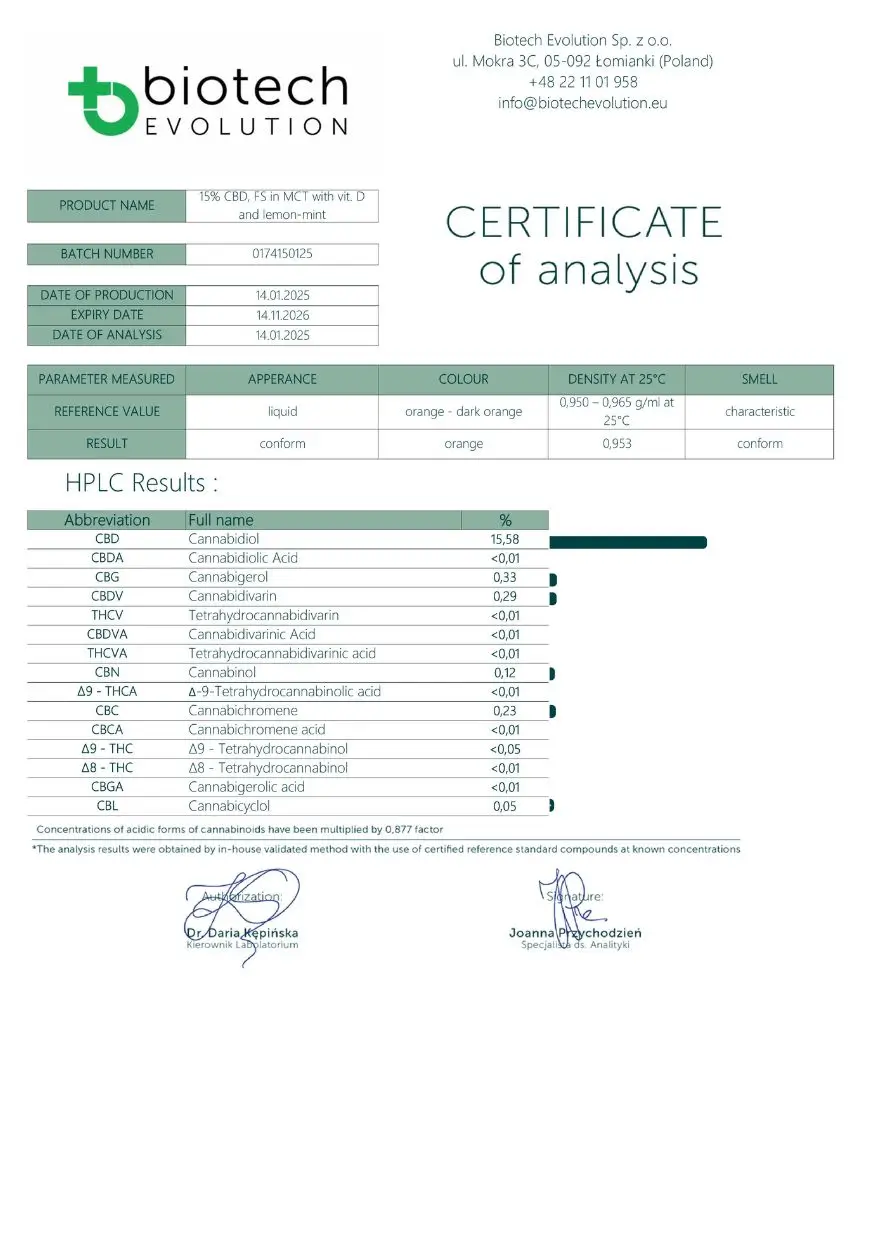
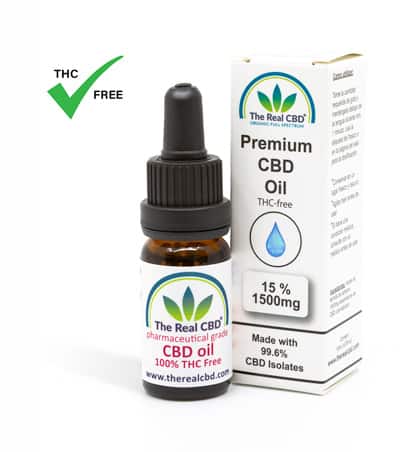

15% CBD oil – THC Free

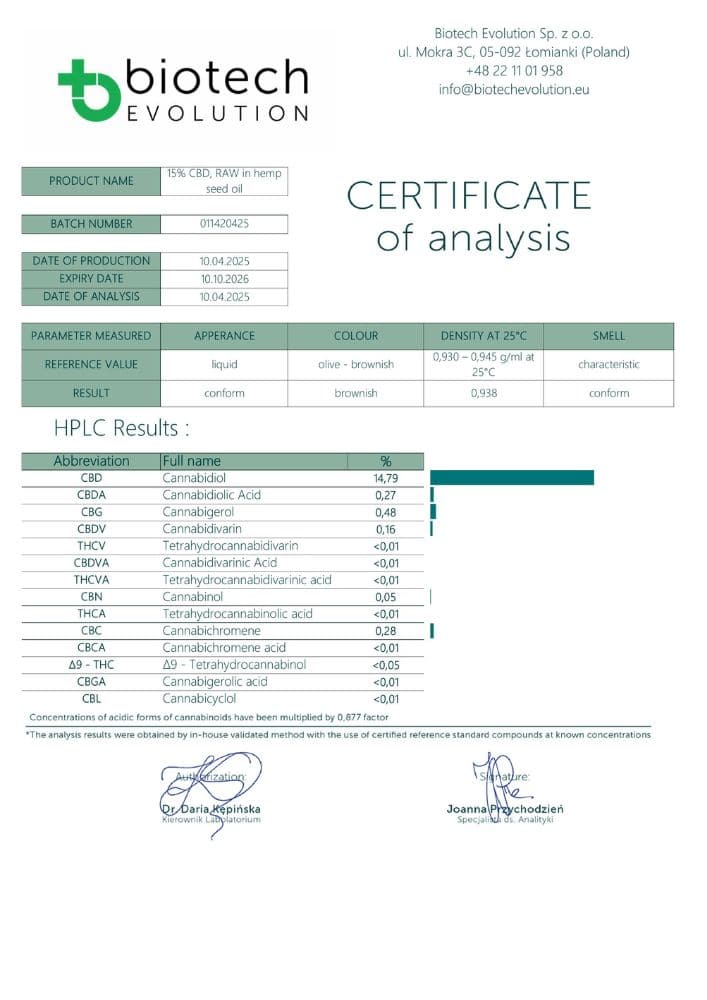
15% Pure CBD oil

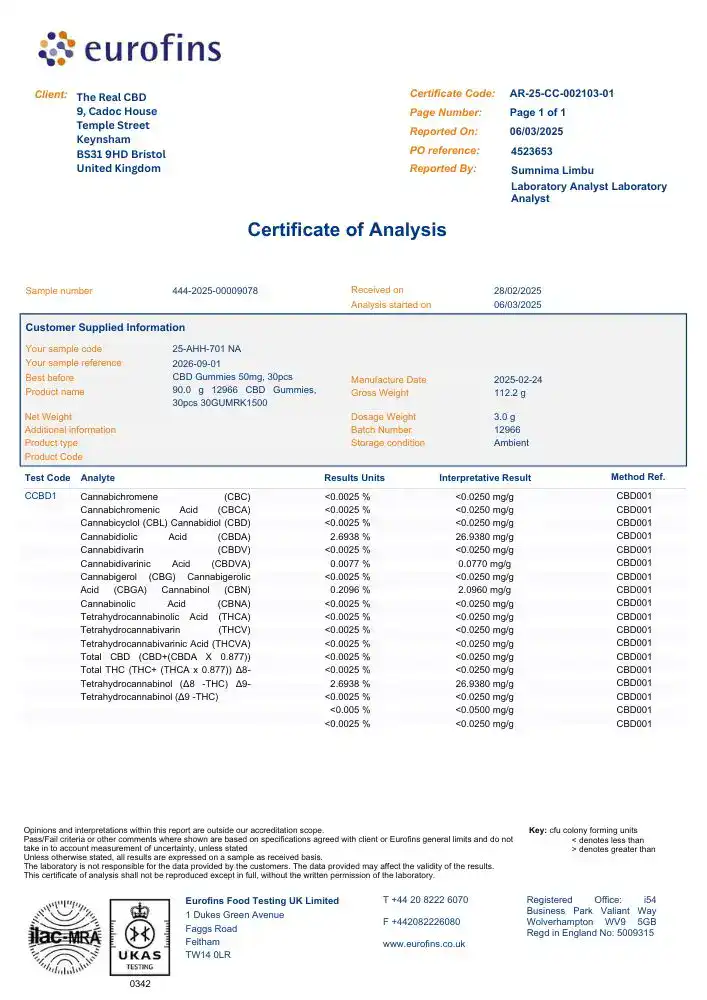
CBD gummies – 50mg CBD

40% Pain Relief oil