FAQ CBD for Cancer – Frequently Asked Questions
Welcome to our FAQ CBD for cancer page. CBD has gained a lot of attention in recent years, especially as a potential natural support for people living with cancer. While it’s not a cure, many are turning to CBD to help manage symptoms like pain, nausea, anxiety, and sleeplessness—often alongside conventional treatments. Understandably, there’s a lot of curiosity and also confusion around how CBD might help, how to use it, and whether it’s safe. This FAQ aims to answer the most common questions about using CBD during a cancer journey, offering clear, honest, and down-to-earth guidance.
No, CBD cannot cure cancer. However, some people use it as a natural support to manage symptoms and side effects from cancer or its treatments.
CBD may help ease pain, reduce nausea, improve sleep, calm anxiety, and support overall wellbeing during cancer treatment.
Many patients use CBD alongside chemotherapy, but always speak to your oncologist first to make sure it won’t interact with your treatment.
Yes – CBD has anti-nausea properties and may help reduce vomiting and queasiness caused by chemotherapy.
CBD may reduce inflammation and nerve-related pain, offering natural relief without the side effects of strong painkillers.
It’s possible. That’s why it’s important to talk to a healthcare professional before starting CBD during cancer treatment. How to speak to your doctor about CBD
Some people find that CBD helps stimulate appetite or makes eating more comfortable when going through treatment.
Yes – CBD is legal as long as it contains less than 0.2% THC and comes from approved hemp sources.
Early lab studies have shown interesting results, but human research is still limited. CBD is best seen as a supportive therapy, not a cure.
Yes – CBD has calming effects that may help reduce anxiety, improve mood, and promote better sleep.
Some believe a small amount of THC may increase CBD’s effects, but THC is not legal in most of Europe. Stick to legal, lab-tested options.
CBD oil taken under the tongue is common, but capsules, edibles, or topical creams are also available – choose what’s easiest to tolerate.
Yes – many people find CBD helps them relax and fall asleep more easily, which is essential during healing.
Side effects are usually mild – such as tiredness or dry mouth – but everyone reacts differently, especially when unwell.
Possibly, but only under medical guidance. CBD may interact with certain medications, so don’t mix without checking first.
Some believe full-spectrum works the best due to the “entourage effect” of multiple cannabinoids working together – but again, check it’s within legal THC limits.
Yes, several trials are ongoing. The research is still early, but growing interest suggests potential in supportive care.
CBD has anti-inflammatory properties that may help relieve discomfort and support the body’s natural healing process.
CBD creams can help soothe the skin, but always check with your doctor before applying anything to radiation-affected areas.
More research is needed, especially for oestrogen-sensitive cancers. It’s best to avoid any supplements without your doctor’s approval.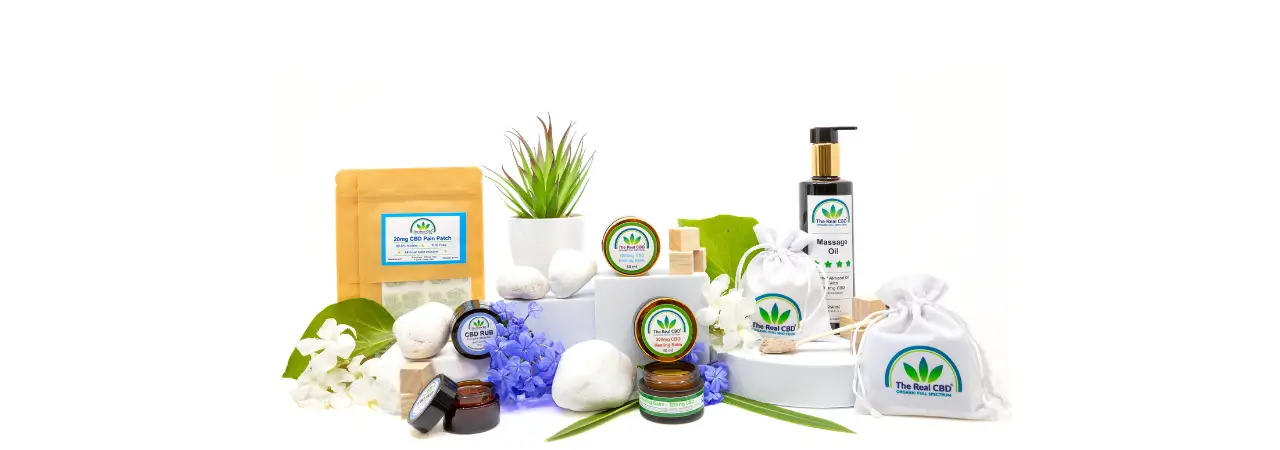
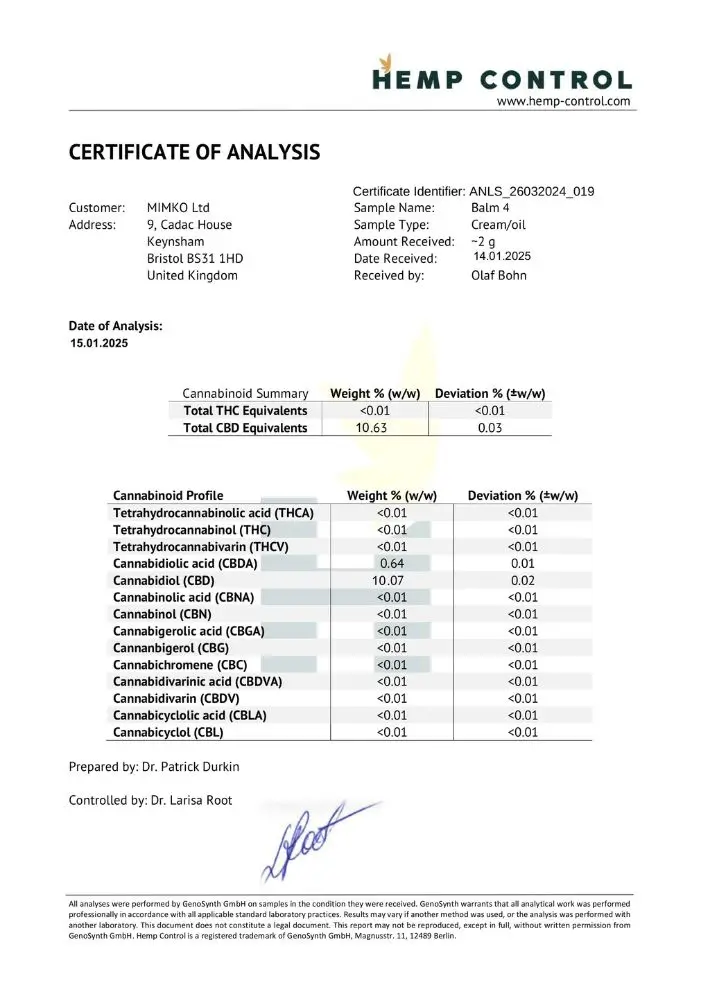
Choose a high-quality, lab-tested, organic product with no artificial additives – and go for something easy on the stomach.
Dosing varies. It’s best to start low (5–10mg) and slowly increase under supervision. Track how you feel and adjust accordingly. EXTRA: CBD dosage information
Some people feel more balanced and rested using CBD, which may ease fatigue and help improve energy levels over time.
Yes, many people use CBD in palliative care for comfort, pain relief, sleep, and peace of mind – but always consult with the care team.
Speak to a medical professional open to integrative approaches. Some cancer support charities and private clinics also offer guidance.
More FAQs
If you have more general questions about CBD, head over to our main FAQ page and see if you find your answers there. In case you have a more specific question, maybe related to your ailment or something else, feel free to reach out to one of our cannabis experts, and they will help you.
You can also have a look in one of our specified articles. We have 500+ articles available and can guarantee you that you will find what you are looking for.
More specific FAQ
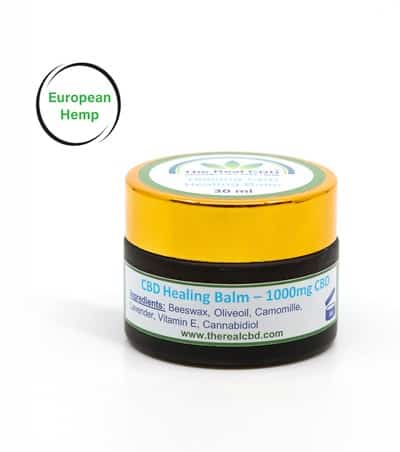
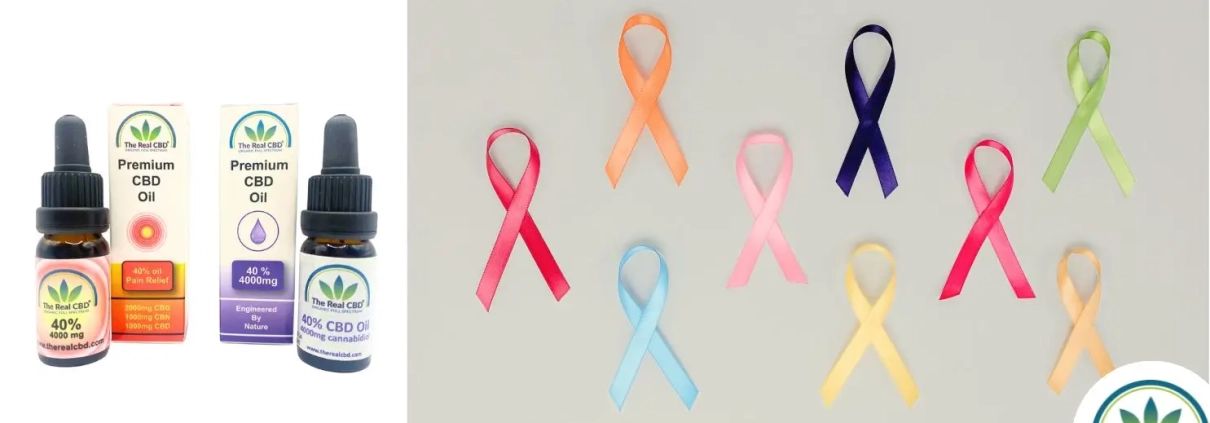
The Real CBD products – CBD for Cancer

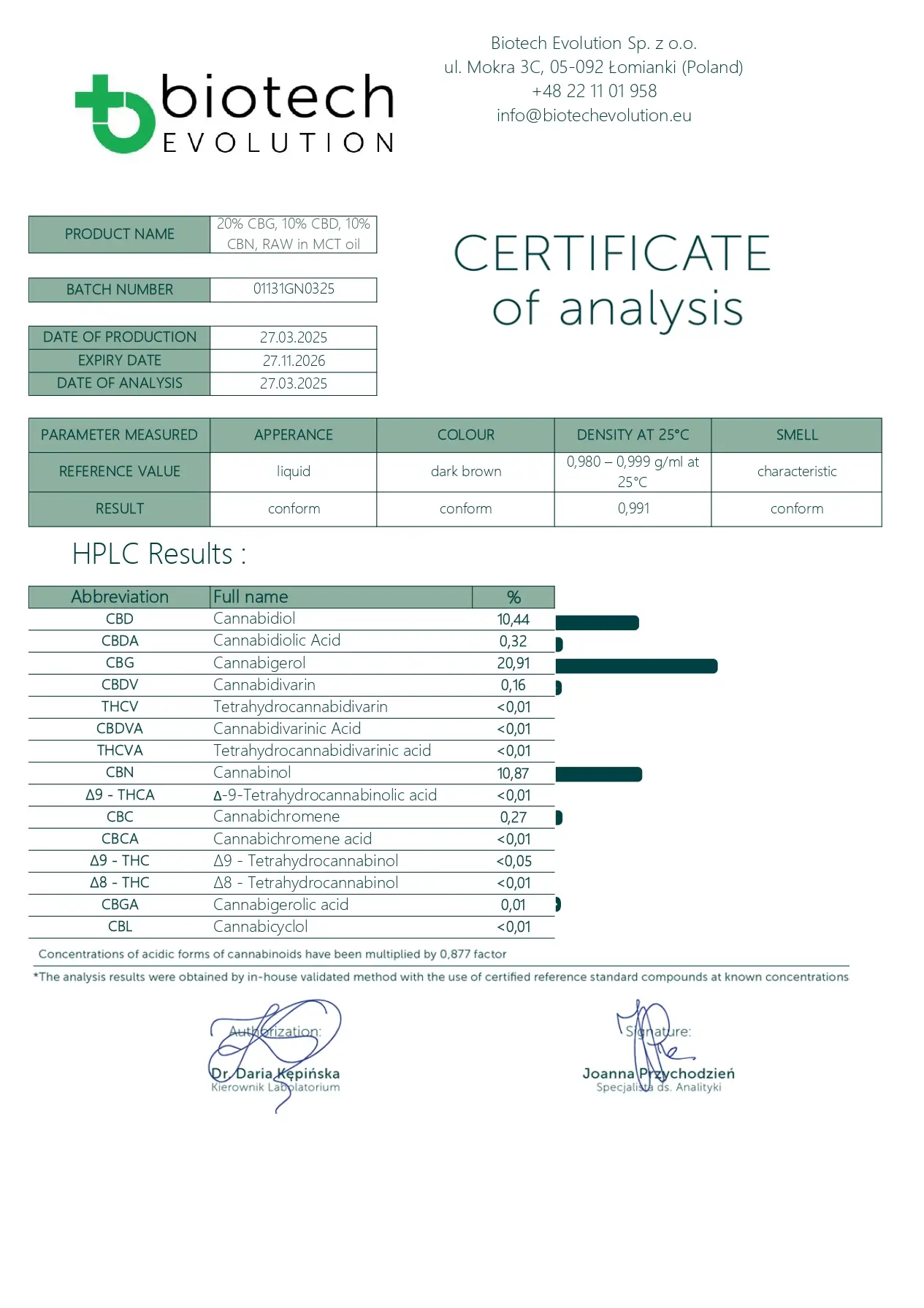
40% Pain Relief oil
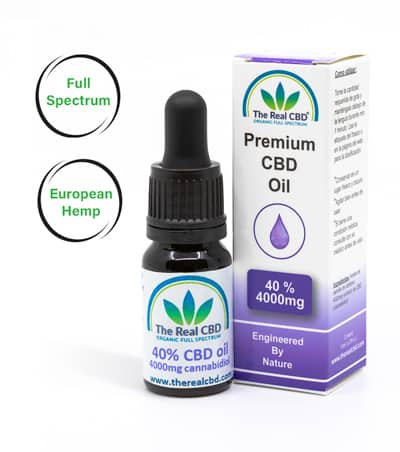
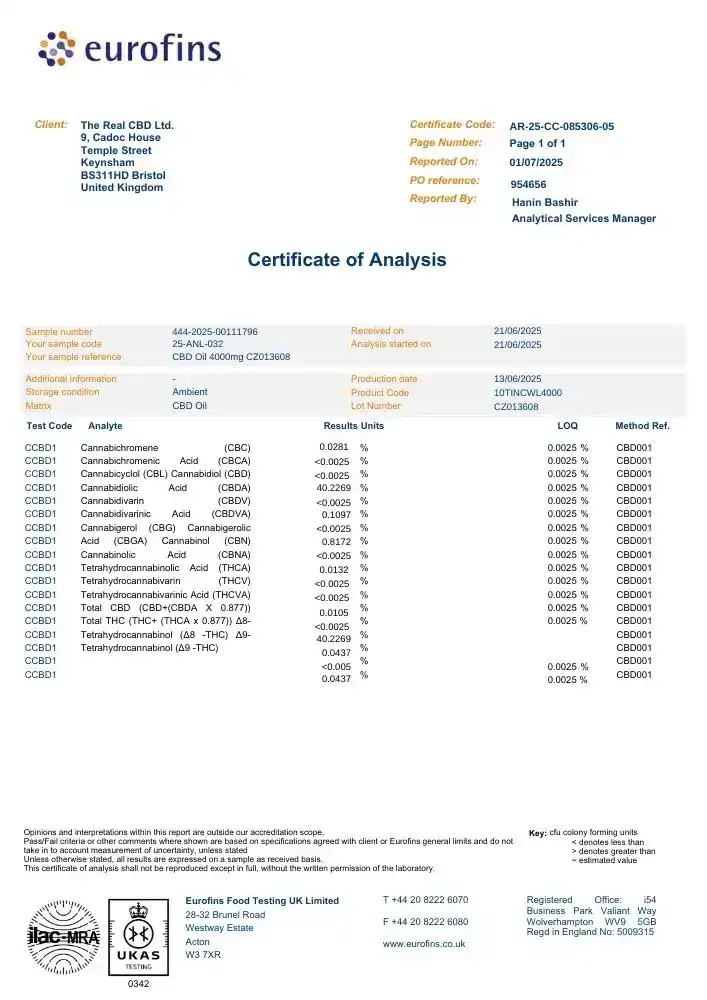
40% Raw CBD Oil
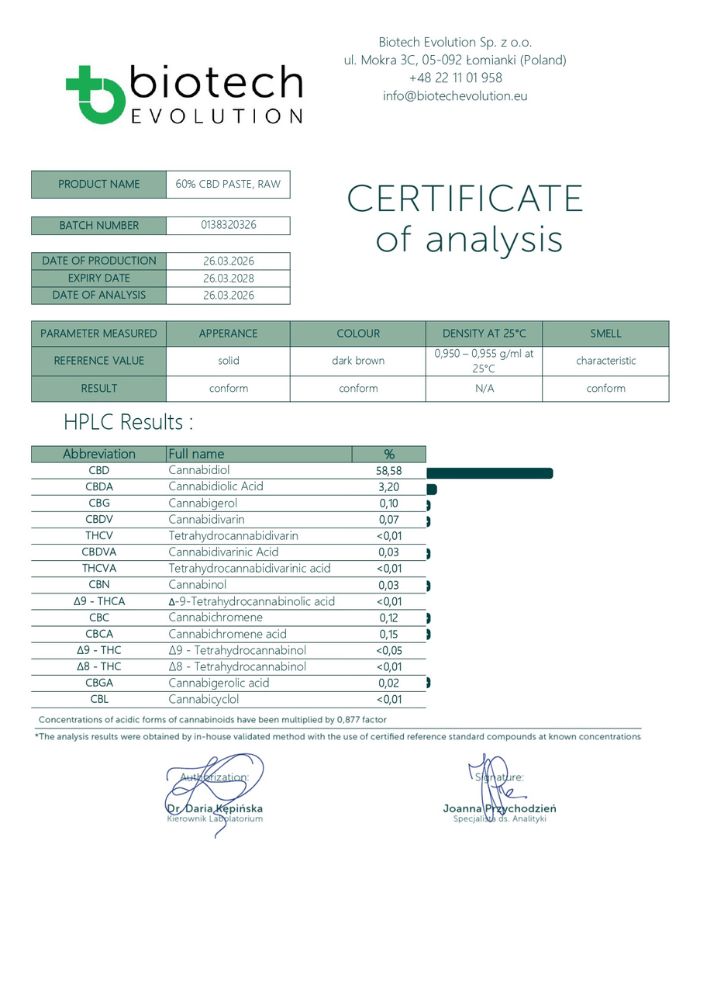
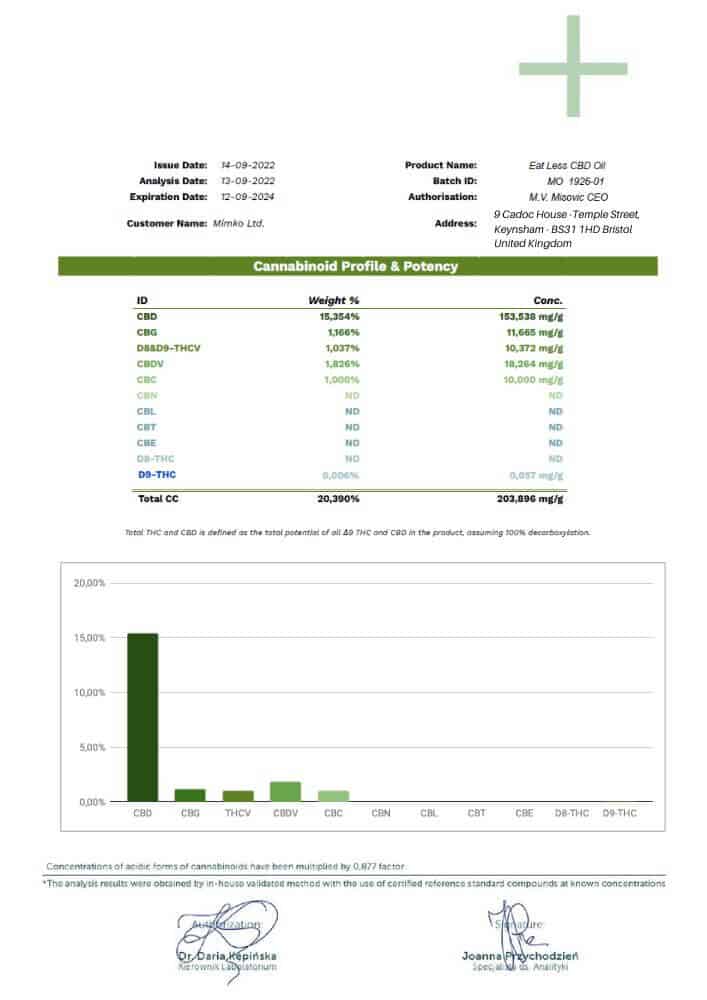
20% CBD oil – Distillate
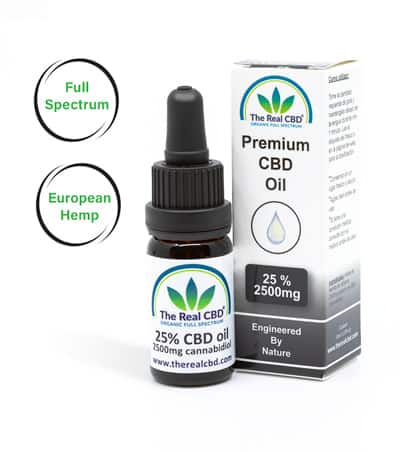
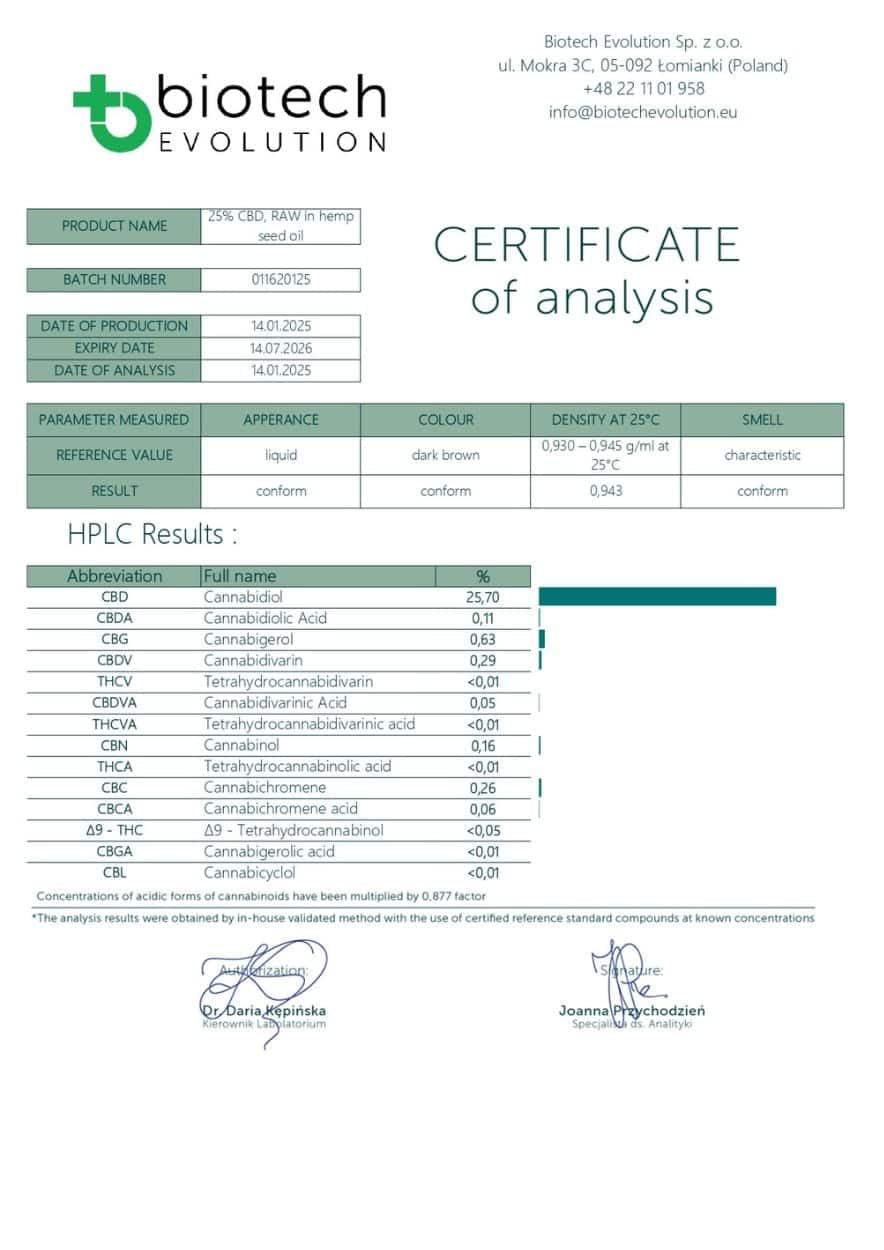
25% Pure CBD oil