
CBD for the Lymphatic System
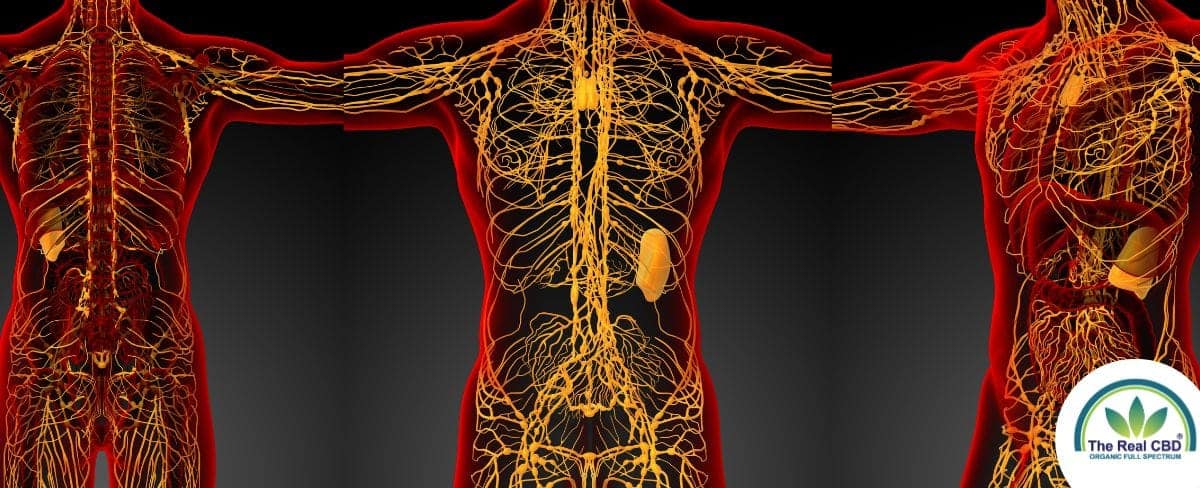
The human body is a marvel of interconnected systems, each playing a vital role in keeping us healthy and functional. One of the lesser-known but incredibly important systems is the lymphatic system—a network that acts like the body’s drainage and defense system. This complex network of tissues and organs helps to eliminate toxins, waste, and other unwanted materials from the body. But what happens when this system doesn’t work efficiently? And can CBD, a natural compound from the hemp plant, support this crucial system? Let’s dive into how CBD for the lymphatic system might offer some unique health benefits and help you better understand your body’s natural defense.
Estimated reading time: 9 Minuten
- 1. What is the Lymphatic System?
- 2. How Does the Lymphatic System Work?
- 3. Key Parts of the Lymphatic System
- 4. What Happens When the Lymphatic System is Unhealthy?
- 5. Common Lymphatic System Disorders
- 6. What is CBD and How Does it Work?
- 7. Can CBD Benefit the Lymphatic System?
- 8. Anti-Inflammatory Effects of CBD
- 9. CBD and Lymphatic Drainage
- 10. CBD’s Role in Immune Support
- 11. How to Use CBD for the Lymphatic System
- 12. The Future of CBD in Lymphatic Health
- 13. Conclusion: Taking Charge of Your Lymphatic Health
- 14. FAQs
- The Real CBD for the lymphatic system
1. What is the Lymphatic System?
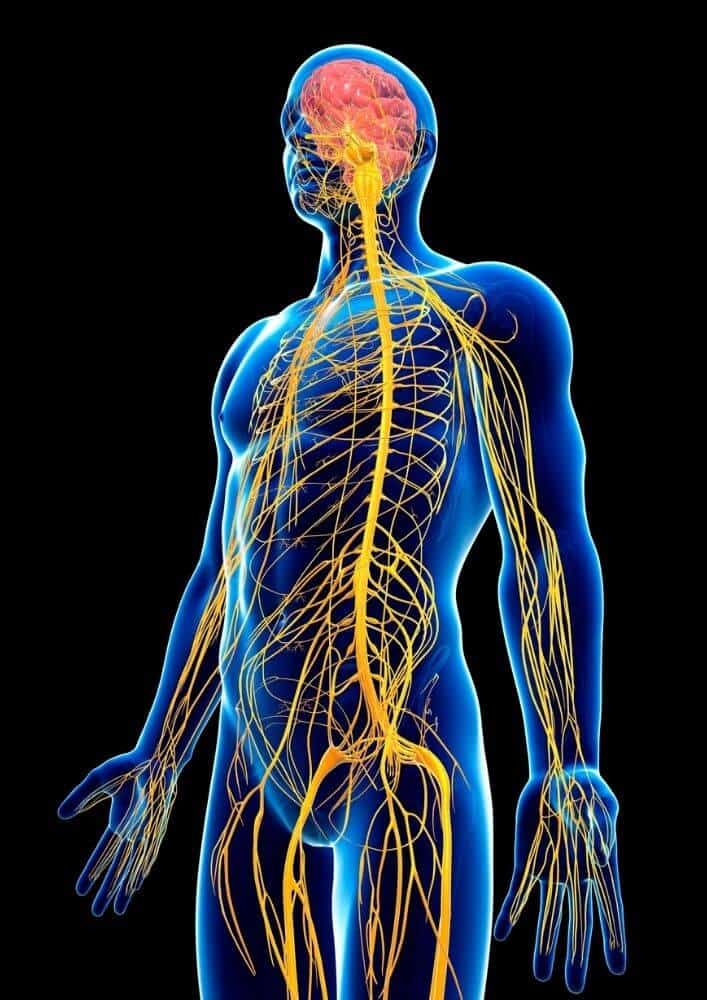
The lymphatic system is like your body’s waste management and defense crew. It’s a network made up of lymph nodes, lymph vessels, the spleen, thymus, and tonsils. These components work together to protect your body from infections, regulate fluid balance, and clear out waste. Essentially, the lymphatic system is your body’s internal cleanup and defense team.
Imagine a city’s sewage system, which clears out waste to keep the streets clean—this is similar to what your lymphatic system does inside your body. But instead of dealing with garbage, it’s cleaning out toxins, bacteria, and other harmful substances.
2. How Does the Lymphatic System Work?
The lymphatic system operates by moving a fluid called lymph through lymphatic vessels. This fluid contains white blood cells that fight infections and is filtered by lymph nodes to remove harmful substances. The lymphatic system is also responsible for absorbing fats and fat-soluble vitamins from the digestive system and transporting them into the bloodstream.
This system works alongside the circulatory system, ensuring that your tissues are nourished and free from toxins. Without it, your immune system wouldn’t be able to function properly, and your body would become a breeding ground for harmful invaders.
3. Key Parts of the Lymphatic System
The key players in the lymphatic system include:
- Lymph: A clear fluid rich in white blood cells.
- Lymph nodes: Tiny, bean-shaped structures that filter lymph and trap harmful substances like bacteria or cancer cells.
- Lymphatic vessels: A network of tubes that carry lymph throughout the body.
- Thymus: An organ that produces T-cells, which help fight infections.
- Spleen: Filters blood and helps in immune responses.
- Tonsils: Lymphoid tissues that help protect against inhaled or ingested pathogens.
Each part plays a specific role, working together to keep you healthy.
4. What Happens When the Lymphatic System is Unhealthy?
When the lymphatic system isn’t functioning correctly, your body can’t get rid of toxins as effectively, leading to swelling (known as lymphedema), weakened immunity, and even chronic infections. Think of it like a blocked drainage system in your home—without proper flow, everything backs up, leading to bigger problems down the line.

5. Common Lymphatic System Disorders
There are several diseases and conditions that can affect the lymphatic system, including:
- Lymphoma: A type of cancer that starts in the lymphocytes (white blood cells).
- Lymphedema: Swelling caused by blockages in the lymphatic system.
- Lymphadenitis: Inflammation of the lymph nodes, often due to infection.
- Autoimmune disorders: Conditions like lupus can cause lymph nodes to become swollen.
These conditions can lead to various complications such as pain, fatigue, and a compromised immune system, making it harder for the body to fend off infections.
6. What is CBD and How Does it Work?
CBD, or cannabidiol, is a compound found in the cannabis plant. Unlike THC, the psychoactive compound in cannabis, CBD doesn’t get you high. Instead, it interacts with the endocannabinoid system (ECS) in the body, which regulates various physiological functions, including mood, pain, immune response, and more.
CBD has been studied for its potential to reduce inflammation, relieve pain, and support the immune system. These effects have made CBD a popular natural remedy for many health concerns, including those related to the lymphatic system.
More about CBD
7. Can CBD Benefit the Lymphatic System?
CBD’s anti-inflammatory and immune-supporting properties make it a promising supplement for lymphatic health. Since the lymphatic system plays a vital role in immunity and inflammation, CBD might help by reducing swelling, enhancing immune responses, and promoting overall wellness.
In people with conditions like lymphedema or autoimmune diseases, CBD could potentially help manage symptoms by reducing inflammation and supporting lymphatic drainage.
8. Anti-Inflammatory Effects of CBD
Inflammation is one of the main issues when the lymphatic system is compromised. Whether it’s swollen lymph nodes due to infection or chronic inflammation from autoimmune disorders, CBD’s ability to reduce inflammation can be highly beneficial.
Research suggests that CBD inhibits certain enzymes and proteins in the body that trigger inflammation, which can help soothe swollen lymph nodes and reduce discomfort.
9. CBD and Lymphatic Drainage
When your lymphatic system becomes sluggish or clogged, it can lead to swelling and discomfort, particularly in the limbs. CBD might assist with lymphatic drainage by reducing inflammation and promoting circulation. Some users report that CBD massages help with swelling, allowing lymph to flow more freely through the body.
10. CBD’s Role in Immune Support
The lymphatic system is an essential part of your immune system. Since CBD has shown promise in supporting immune function by interacting with the ECS, it could help regulate immune responses, preventing them from becoming overactive or underactive.
For those suffering from autoimmune conditions that affect the lymphatic system, such as lupus or rheumatoid arthritis, CBD may help balance immune responses and reduce symptoms like swelling and pain.
11. How to Use CBD for the Lymphatic System
Using CBD for improved lymphatic health can be simple, but it’s important to approach it thoughtfully to get the best results. Here are some ways to use CBD for lymph health:
1. CBD Oil (Sublingual)
Taking CBD oil under the tongue is one of the most common and effective methods. By placing a few drops of CBD oil under your tongue, it absorbs directly into your bloodstream, providing quicker results. This can help reduce inflammation in lymph nodes and promote better immune function.
How to Use:
- Start with a low dose (5-10 mg) and gradually increase based on your body’s response.
- Hold the oil under your tongue for 30-60 seconds before swallowing.
2. Topical CBD (Creams or Balms)
Topical CBD products, such as creams or balms, can be applied directly to areas where you experience swelling or discomfort due to lymphatic issues. The CBD is absorbed through the skin and works locally to reduce inflammation.
How to Use:
- Apply a small amount of CBD cream to the affected area (e.g., swollen lymph nodes).
- Gently massage the area to promote lymphatic drainage and better circulation.
3. CBD Edibles or Capsules
CBD edibles, like gummies or capsules, provide a slow release of CBD into your system. This method is ideal for ongoing support and maintaining overall lymphatic health.
How to Use:
- Take as directed, usually 1-2 times a day, depending on the concentration.
- Be consistent, as edibles take longer to feel effects but provide longer-lasting relief.
4. CBD in Massage for Lymphatic Drainage

Using CBD oil during a lymphatic drainage massage can help enhance the benefits. The anti-inflammatory properties of CBD may aid in reducing swelling and improving lymph flow.
How to Use:
- Use a CBD-infused massage oil during a lymphatic drainage massage.
- Focus on areas where lymph nodes are concentrated, such as the neck, armpits, or groin.
5. CBD Tinctures in Smoothies or Teas
For those who prefer ingesting CBD in food or drink, adding CBD tinctures to smoothies or herbal teas can be a good option. This method is easy and integrates CBD into your daily wellness routine.
How to Use:
- Add a few drops of CBD tincture to your favourite smoothie or tea.
- Stir well and consume to support long-term lymph health.
General Tips:
- Consistency is key: Using CBD regularly, rather than just when symptoms arise, can provide better long-term lymphatic support.
- Consult with a professional: If you have any pre-existing conditions, it’s a good idea to speak with a healthcare provider before adding CBD to your routine, especially if you’re on other medications.
By integrating CBD into your daily routine in these ways, you may help support your lymphatic system’s health, reduce inflammation, and enhance immune function.
12. The Future of CBD in Lymphatic Health
As research into CBD’s effects on the body continues to grow, its potential to support the lymphatic system looks promising. More studies are needed to fully understand how CBD can be integrated into treatments for lymphatic disorders, but the early signs are encouraging.
Most recent study: Distribution of a highly lipophilic drug cannabidiol into
13. Conclusion: Taking Charge of Your Lymphatic Health
Your lymphatic system plays a crucial role in keeping you healthy, but like any system, it needs proper care to function well. CBD offers a natural way to support this vital network, especially for those dealing with inflammation or immune system issues. By incorporating CBD into your daily routine, you may find relief from symptoms and give your body the boost it needs to stay healthy and balanced.
14. FAQs
Yes, CBD’s anti-inflammatory properties may help reduce swelling in lymph nodes caused by infections or other conditions.
CBD interacts with the endocannabinoid system, which regulates immune responses, potentially helping to balance and support immune function.
While more research is needed, some people use CBD to manage symptoms of lymphedema, particularly for its anti-inflammatory and pain-relieving effects.
CBD is generally considered safe, but you should consult with a healthcare provider before using it, especially if you have an existing condition or take medications.
The effects of CBD can vary depending on the individual and the method of consumption. Some people may experience relief within minutes, while for others, it may take days or weeks of consistent use.
The Real CBD for the lymphatic system
-
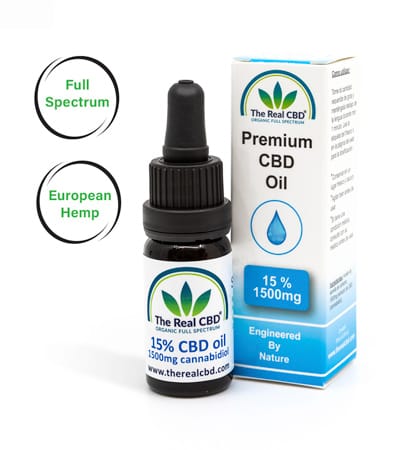
15% Pure CBD oil
£46.10 £54.48Preisspanne: £46.10 bis £54.48 -
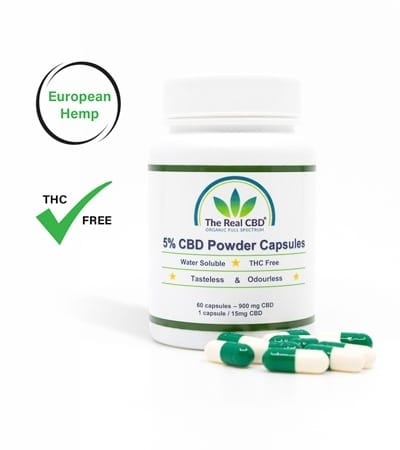
CBD Capsules – Water Soluble 5%
£46.10 -

5% Pure CBD oil
£18.44 -
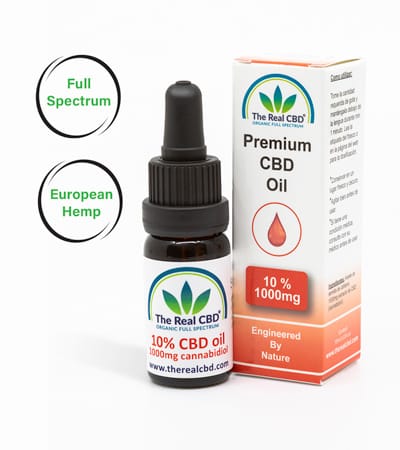
10% CBD oil
£37.72 -
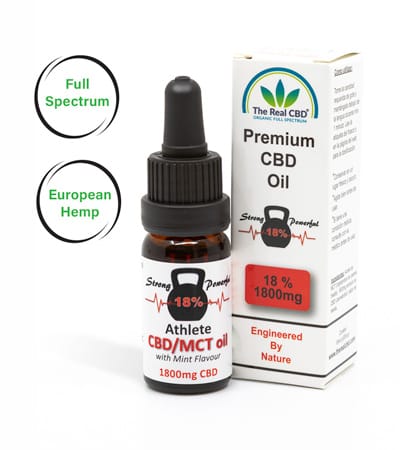
Athlete MCT/CBD oil 18%
£62.87

I am a certified expert in Medicinal Cannabis. We are all about giving correct and trustworthy information. We know how important it is to learn about CBD and cannabis, which is why we want to be your go-to source for trustworthy information. We help you improve your health by using our knowledge and experience as a starting point.














Leave a Reply
Want to join the discussion?Feel free to contribute!