
CBD in Food and Beverages: How It’s Changing Functional Foods
Estimated reading time: 13 Minuten
Key Takeaways
- CBD in Food and Beverages is gaining popularity for its potential health benefits like pain relief and stress reduction.
- Functional foods and drinks include added ingredients providing health benefits, and CBD fits perfectly into this category.
- CBD is naturally derived from cannabis and does not cause a ‘high,’ interacting with the body’s endocannabinoid system.
- Consumers embrace CBD-infused products for convenience and the growing interest in natural wellness solutions.
- Legal regulations for CBD vary across countries in Europe, so it’s crucial to understand local laws before consumption.
- CBD in Functional Foods and Beverages
- What Are Functional Foods and Beverages?
- How CBD is Infused into Food and Drinks
- The Health Benefits of CBD in Functional Foods
- Popular CBD-Infused Foods and Drinks
- Regulations and Safety Concerns – CBD in food and beverages
- Challenges in Using CBD in Food and Beverages
- Why Consumers Are Embracing CBD-Infused Foods
- CBD and the Wellness Trend
- CBD Dosage in Functional Foods and Drinks
- The Future of CBD in Food and Beverage Industry
- Can You Make CBD-Infused Foods at Home?
- How to Choose the Right CBD-Infused Products
- Conclusion and Key Takeaways
- Frequently Asked Questions (FAQs)
- The Real CBD for food and beverages
CBD, short for cannabidiol, has taken the world by storm in recent years. From wellness products to skincare, CBD has found its way into a wide range of industries. One of the most exciting and rapidly growing areas is the use of CBD in functional foods and beverages. But how exactly is CBD being used in this space? How does it impact our health, and why are so many people interested in consuming CBD-infused food and drinks?
In this article, we’ll dive deep into the role CBD is playing in functional foods and beverages. We’ll explore the benefits, challenges, and the science behind CBD’s popularity in this innovative field. Whether you’re already familiar with CBD or just starting to learn about it, this comprehensive guide will help you understand why it’s making such a splash in the world of food and beverages.
CBD in Functional Foods and Beverages
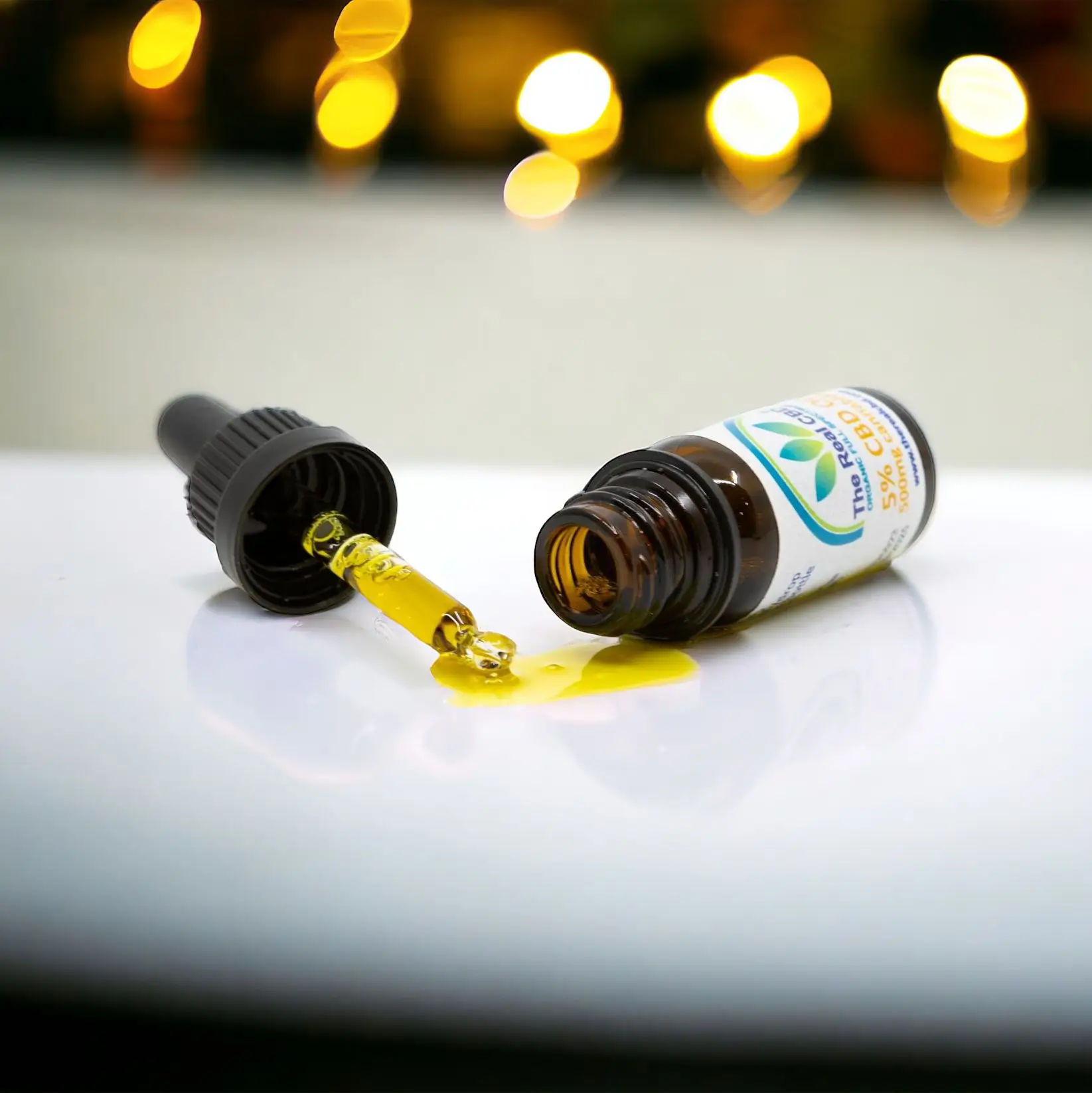
CBD has come a long way from being a niche product associated with wellness enthusiasts. Today, it’s being incorporated into a wide variety of products, especially functional foods and beverages. Functional foods, unlike regular foods, are specifically formulated to provide health benefits beyond basic nutrition, and CBD fits perfectly into this category.
Why are people so excited about CBD in their food and drinks? The answer lies in its potential health benefits, versatility, and the growing trend toward natural wellness solutions. Let’s break down what CBD is, how it’s used, and why it’s becoming a popular choice for functional foods.
What is CBD?
Before diving into how CBD is used in food and beverages, it’s important to understand what CBD actually is. CBD (cannabidiol) is a naturally occurring compound found in the cannabis plant. Unlike THC (tetrahydrocannabinol), which is known for its psychoactive effects, CBD does not cause a “high.”
CBD interacts with the body’s endocannabinoid system (ECS), which plays a role in regulating various functions such as mood, appetite, pain, and sleep. This interaction is thought to be the reason why CBD offers numerous potential health benefits, making it a great addition to functional foods and beverages.
What Are Functional Foods and Beverages?
Functional foods and beverages are products that go beyond basic nutrition to offer additional health benefits. They often include ingredients like vitamins, minerals, probiotics, or other bioactive compounds. The idea is that by consuming these foods, you’re not just satisfying hunger or thirst, but also promoting better health.
CBD has emerged as a popular ingredient in functional foods and drinks because of its potential health-promoting properties, such as reducing inflammation, improving sleep, and alleviating stress.
How CBD is Infused into Food and Drinks
CBD can be infused into food and beverages in several ways, depending on the product. One common method is through CBD oil, which is either mixed into the product or used as a cooking ingredient. CBD can also be added in the form of water-soluble powder, making it easy to incorporate into drinks like tea, coffee, and smoothies.
Some companies use nano-emulsion technology to break down CBD into smaller particles, making it more easily absorbed by the body. This technology is particularly useful in beverages, where consistency and absorption rate are critical.

The Health Benefits of CBD in Functional Foods
Many people are turning to CBD-infused foods and drinks for their potential health benefits. While research is still ongoing, studies suggest that CBD may help with a variety of conditions, including:
- Pain Relief: CBD may help reduce chronic pain by interacting with the endocannabinoid system and reducing inflammation.
- Anxiety and Stress Reduction: Many users report feeling more relaxed and less anxious after consuming CBD.
- Improved Sleep: Some studies indicate that CBD may improve sleep quality by helping to regulate sleep patterns.
- Anti-Inflammatory Properties: CBD is known for its anti-inflammatory effects, which can benefit people with conditions like arthritis or irritable bowel syndrome (IBS).
These benefits make CBD a natural fit for functional foods and beverages aimed at promoting overall well-being.
Popular CBD-Infused Foods and Drinks
The range of CBD-infused foods and drinks is expanding rapidly. Some popular options include:
- CBD-infused beverages: Such as coffee, tea, sparkling water, and even cocktails.
- CBD snacks: Like gummies, chocolates, and protein bars.
- CBD in baked goods: Brownies, cookies, and other pastries.
- CBD oils for cooking: Allowing consumers to add CBD directly to their homemade meals.
These products are designed to seamlessly integrate CBD into your daily routine, offering both convenience and potential health benefits.
Regulations and Safety Concerns – CBD in food and beverages
The legal status of CBD in Europe varies from country to country, and it’s important to understand the specific regulations in each nation before buying or selling CBD products.

General European Union (EU) Regulations
In general, the European Union (EU) does not ban CBD, but its legal classification can differ depending on the product type and its THC content. Most EU member states allow the sale of CBD products as long as they contain less than 0.2% THC (the psychoactive compound in cannabis). However, regulations can change depending on whether the CBD is used in cosmetics, supplements, or food.
In January 2019, the European Commission classified CBD as a “novel food.” This means that for CBD-infused food or supplements to be legally sold within the EU, companies need to get a special authorization confirming its safety. This regulation ensures that any CBD product classified as food is subject to safety evaluations before being marketed.
Country-Specific Laws
Germany
CBD products are legal in Germany if they contain less than 0.2% THC. However, CBD in food and beverages faces stricter regulation under the EU’s novel food guidelines, and companies must receive approval before selling such products.
United Kingdom
Post-Brexit, the UK has followed its own approach to CBD regulation. CBD products are legal, but they must not contain any THC. The UK also requires novel food authorization for CBD products intended for consumption, ensuring they meet safety standards.
Denmark

CBD products in Denmark are classified as either medicinal products or food supplements, depending on their intended use. If the product is marketed with any health claims, it is considered a medicinal product and requires approval from the Danish Medicines Agency before it can be sold. This includes CBD oils, capsules, and other forms of supplements.
Over-the-Counter CBD
Over-the-counter CBD products in Denmark, including oils or supplements, must be free of THC and can only be sold if they meet strict standards. However, the marketing and sale of CBD as a health supplement are more tightly regulated, and products that do not have approval cannot legally be sold as supplements.
In summary, CBD is legal in Denmark under specific conditions—no THC content is allowed, and products marketed as health supplements or medicinal must comply with strict regulations. For CBD-infused food and beverages, businesses must follow the EU’s novel food approval process.
France
In France, CBD is legal but only if it is extracted from the hemp plant and contains 0% THC. This means that even trace amounts of THC in a product can make it illegal. French laws are stricter compared to many other European countries.
Italy
Italy allows the sale of CBD products with THC levels below 0.6%. However, CBD-infused foods or beverages are more strictly regulated, and companies must comply with the novel food regulations to sell them legally.
Switzerland
Although Switzerland is not part of the EU, it has relatively liberal CBD laws. Products with less than 1% THC are legal to buy and sell. Switzerland also allows a broader range of CBD products, including cosmetics, food, and supplements, though safety standards apply.
Ongoing Changes
It’s important to note that CBD laws in Europe are continuously evolving, particularly as more research on CBD’s health benefits emerges and consumer demand increases. Some countries are in the process of updating their regulations, and the European Commission’s novel food authorization process continues to influence how CBD products are sold and distributed across the continent.
Consumers and businesses should always check local regulations, as they can differ not only by country but also within regions of a single country.
Challenges in Using CBD in Food and Beverages

While CBD offers many potential benefits, there are also challenges associated with its use in food and beverages. For one, CBD is sensitive to light and heat, which can degrade its potency if not handled properly. Manufacturers must carefully control the production process to maintain the effectiveness of CBD in their products.
Additionally, ensuring consistent dosage in food products can be difficult, especially when dealing with homemade CBD-infused items. Proper labeling and quality control are crucial for delivering reliable products to consumers.
Why Consumers Are Embracing CBD-Infused Foods
Consumers are drawn to CBD-infused foods and beverages for a variety of reasons. For one, these products offer an easy and convenient way to incorporate CBD into daily life. Instead of taking a supplement or oil directly, people can enjoy the experience of eating or drinking something familiar, like a cup of tea or a piece of chocolate, while still reaping the benefits of CBD.
Additionally, the growing interest in natural and plant-based wellness options has propelled CBD into the spotlight. As people become more conscious of what they put into their bodies, CBD’s potential health benefits and natural origins make it an appealing choice.
More about CBD
CBD and the Wellness Trend
CBD is closely tied to the broader wellness trend, which focuses on holistic approaches to health, including stress management, sleep improvement, and mental well-being. The wellness industry has embraced CBD because it fits into the narrative of using natural products to improve health without the need for synthetic drugs or harsh chemicals.
This trend is driving the demand for CBD-infused products, especially in the functional food and beverage market, as people seek more natural alternatives to traditional medicine.
CBD Dosage in Functional Foods and Drinks
One of the key factors consumers need to consider when using CBD in food and beverages is dosage. Since CBD affects individuals differently, finding the right amount can be tricky. Most products list the amount of CBD per serving, but it’s important to start with a low dose and gradually increase it based on how your body responds.
When consuming CBD-infused foods and beverages, it can take longer to feel the effects compared to other methods like tinctures or vaping, as the CBD must pass through the digestive system before being absorbed.
The Future of CBD in Food and Beverage Industry
The future of CBD in the food and beverage industry looks bright. As more research emerges and regulations become clearer, we can expect to see even more innovative products hit the market. Some experts predict that CBD could become as common an ingredient as vitamins or minerals in functional foods.
There is also potential for more specialized products that target specific health needs, such as CBD-infused energy drinks or snacks designed to aid with recovery after exercise.
Can You Make CBD-Infused Foods at Home?
Yes! Many people enjoy making their own CBD-infused foods at home, which gives them full control over the ingredients and dosage. You can easily add CBD oil to smoothies, salad dressings, or even baked goods. However, be mindful of how CBD reacts to heat, as cooking at high temperatures can reduce its potency.
There are plenty of recipes available online to guide you through the process of creating your own CBD-infused snacks and meals.
How to Choose the Right CBD-Infused Products

With so many CBD-infused products on the market, choosing the right one can feel overwhelming. Here are some tips to help you make an informed decision:
- Look for third-party lab testing to ensure the product contains the advertised amount of CBD and is free from contaminants.
- Check the dosage per serving to ensure it meets your needs.
- Read customer reviews to get an idea of the product’s effectiveness.
- Verify the extraction method—CO2 extraction is considered the gold standard for producing high-quality CBD oil.
By following these steps, you can ensure that you’re getting a safe and effective product.
Conclusion
CBD’s growing role in the functional food and beverage industry is no surprise, given its potential health benefits and the increasing demand for natural wellness products. Whether it’s through CBD-infused drinks, snacks, or even cooking oils, people are finding new and exciting ways to incorporate CBD into their lives.
As the market continues to expand, we can expect more innovative products that cater to specific health needs and lifestyles. However, it’s essential to stay informed about the legal landscape, dosage, and quality of CBD-infused products to ensure you’re getting the most out of them.
Frequently Asked Questions (FAQs)
CBD in food and beverages may offer benefits like pain relief, reduced anxiety, improved sleep, and anti-inflammatory effects.
Since CBD in food and beverages is absorbed through digestion, it can take 30 minutes to 2 hours to feel the effects, depending on metabolism.
The legality of CBD in food and beverages varies by region. Always check local laws and ensure the product is from a reputable source.
Yes, you can cook with CBD oil, but be mindful of heat, as high temperatures can reduce the effectiveness of CBD.
Start with a low dosage, typically 5-10 mg, and gradually increase based on how your body responds. Always follow product recommendations.
The Real CBD for food and beverages
-
Product on sale
 40% Pain Relief oilLe prix initial était : €155.00.€99.95Le prix actuel est : €99.95.
 -
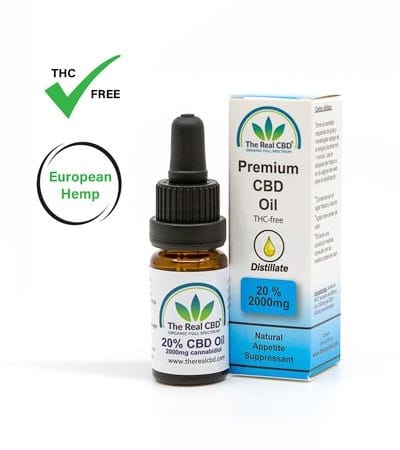 20% CBD oil – Distillate€72.00
 -
 5% CBD Capsules for Pets€55.00
 -
 CBD Capsules for Athletes€55.00
 -
 CBD 3 for 2 pack€44.00 €130.00Preisspanne: €44.00 bis €130.00
 -
 CBD Anti Anxiety Pack€135.00
 -
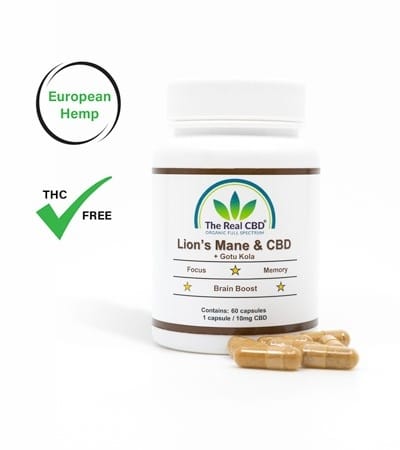 CBD and Lion’s Mane Capsules€45.00
 -
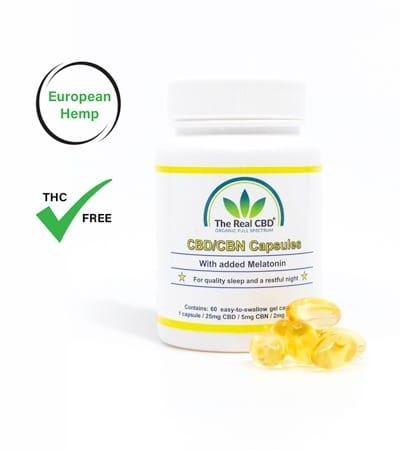 CBD/CBN and Soft Gel Capsules€60.00
 -
 CBD and Reishi Capsules€45.00
 -
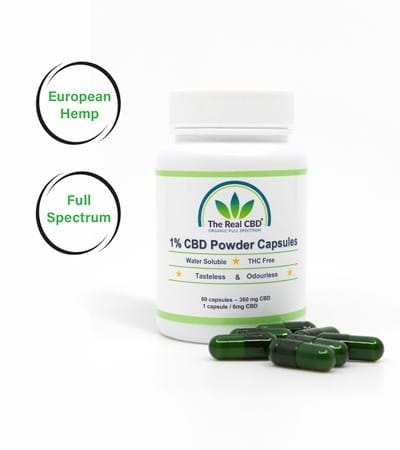 CBD Capsules – Water Soluble – 1%€29.00
 -
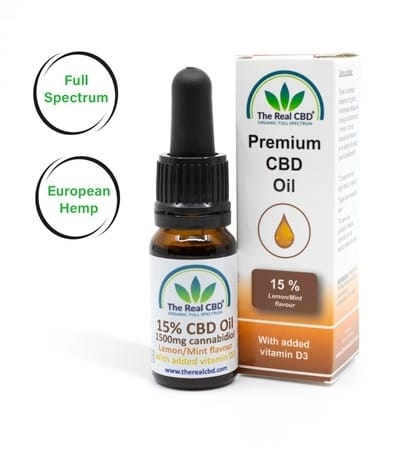 15% CBD oil with Vitamin D3€65.00
 -
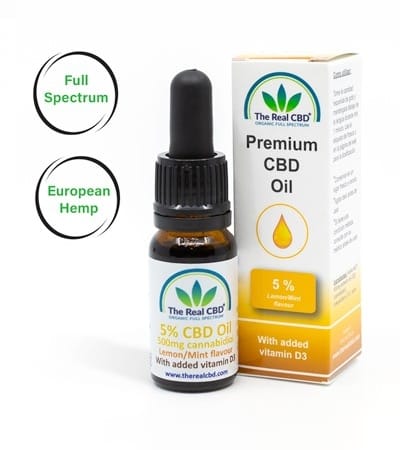 5% CBD oil with Vitamin D3€22.00

I am a certified expert in Medicinal Cannabis. We are all about giving correct and trustworthy information. We know how important it is to learn about CBD and cannabis, which is why we want to be your go-to source for trustworthy information. We help you improve your health by using our knowledge and experience as a starting point.










Leave a Reply
Want to join the discussion?Feel free to contribute!