
What is the endocannabinoid system
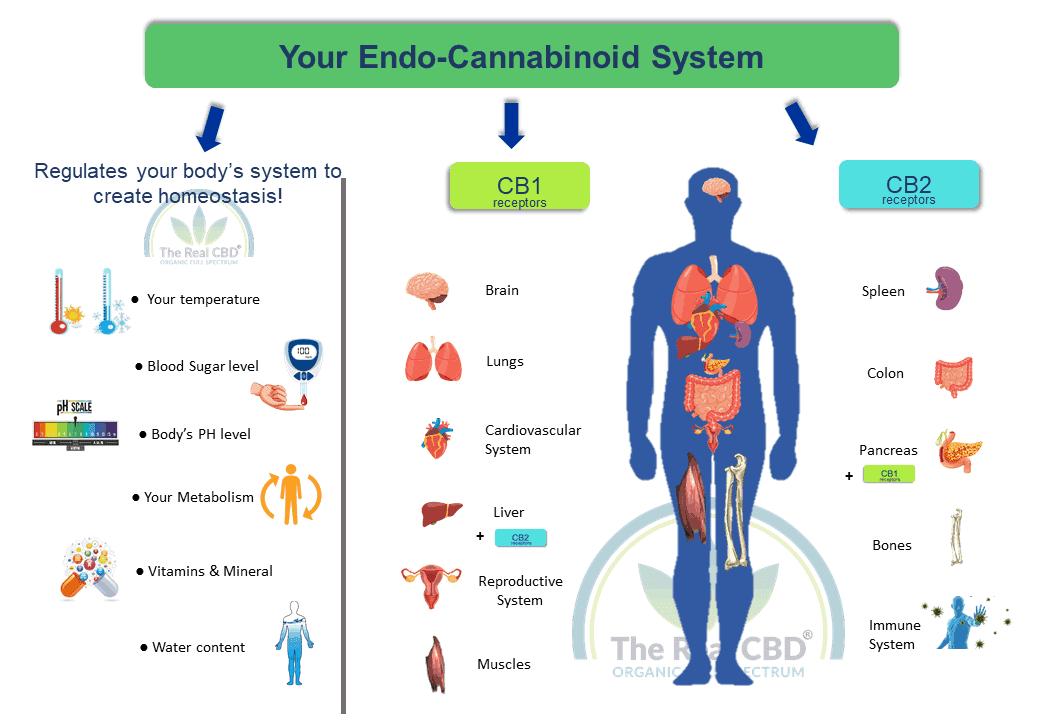
Welcome to our comprehensive guide: “What is the endocannabinoid system?” (ECS). It is a remarkable network within the human body that plays a pivotal role in maintaining balance and overall well-being. In this article, we will delve into the intricate workings of this system, exploring its functions, components, and the fascinating ways in which it interacts with various bodily processes. By the end, you’ll have a profound understanding of the endocannabinoid system and how it influences our daily lives.
Estimated reading time: 11 Minuten
- What is the endocannabinoide system?
- Understanding the Endocannabinoid System
- Functions of the Endocannabinoid System
- Harnessing the Potential of the Endocannabinoid System
- How Does the Endocannabinoid System Work?
- How does cannabis work with the Endocannabinoid System?
- Is the endocannabinoede system part of the curriculum to become a doctor?
- Conclusion – What is the Endocannabinoid System
- FAQ – Endocannabinoide system
What is the endocannabinoide system?
The endocannabinoid system (ECS) is a complex cell-signaling system found in the human body (and in animals). It plays a key role in regulating various bodily functions, including mood, sleep, appetite, pain, inflammation, and immune response. The ECS works by producing molecules called endocannabinoids. These are similar to the cannabinoids found in cannabis, like CBD and THC. These endocannabinoids bind to specific receptors throughout the body to help maintain balance (homeostasis).
There are three main parts to the ECS:
- Endocannabinoids: Naturally occurring molecules similar to cannabinoids, like anandamide and 2-AG. These are the body produces to activate the ECS when needed.
- Cannabinoid Receptors: These receptors, called CB1 and CB2, are found throughout the body. CB1 receptors are mainly found in the brain and central nervous system. CB2 receptors are more commonly found in the immune system and peripheral organs.
- Enzymes: After endocannabinoids have done their job, enzymes break them down so they don’t linger longer than needed. The key enzymes here are FAAH and MAGL.
Who discovered the endocannabinoide system?
Scientists researching THC (the psychoactive compound in cannabis) discovered the ECS in the early 1990s. Dr. Raphael Mechoulam, an Israeli researcher, played a notable role in its discovery. He is also known for his groundbreaking work in identifying THC in the 1960s. His research led to a deeper understanding of how cannabinoids interact with our bodies. Eventually revealing the existence of the endocannabinoid system.
Understanding the ECS has opened up new possibilities in medicine. Particularly in developing therapies for pain, anxiety, sleep disorders, and even some chronic illnesses.
Understanding the Endocannabinoid System

The endocannabinoid system regulates numerous bodily functions and maintains homeostasis in mammals, including humans. It comprises three main components: endocannabinoids, receptors, and enzymes. Let’s explore each of these elements in detail.
Endocannabinoids: The Messengers of Balance
Our bodies produce endocannabinoids as endogenous cannabinoids. So far, researchers have identified two primary endocannabinoids: anandamide (AEA) and 2-arachidonoylglycerol (2-AG). These molecules synthesize on-demand in response to physiological needs and act as messengers, transmitting signals throughout the ECS to regulate various processes.
Receptors: Gateways of Communication
The ECS consists of two primary types of receptors: CB1 and CB2 receptors. CB1 receptors are primarily located in the brain and central nervous system. CB2 receptors are mainly found in the peripheral organs and immune cells. These receptors are responsible for receiving endocannabinoids and other chemical compounds, triggering specific responses within the body.
Enzymes: The ECS Regulators
Enzymes play a crucial role in the proper functioning of the endocannabinoid system. Two key enzymes, fatty acid amide hydrolase (FAAH) and monoacylglycerol lipase (MAGL), are responsible for the breakdown of endocannabinoids. This is after they have fulfilled their intended functions. This breakdown process ensures that the endocannabinoid levels remain balanced, preventing an excessive buildup.
Functions of the Endocannabinoid System
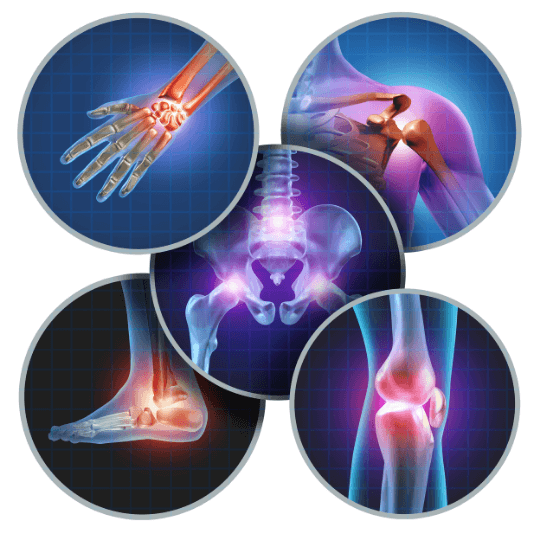
The ECS is involved in a wide array of physiological processes, and its influence extends throughout the body. Here are some of the key functions regulated by the endocannabinoid system:
Mood and Emotions
The endocannabinoid system plays a vital role in regulating mood and emotions. By modulating neurotransmitter release in the brain, it helps maintain emotional balance and stability. Proper ECS functioning is crucial for managing stress, anxiety, and depression.
Pain Perception
Endocannabinoids have analgesic properties, meaning they can alleviate pain. The ECS regulates pain signals, influencing how we perceive and respond to pain stimuli. Enhancing the endocannabinoid system’s activity can provide relief in conditions such as chronic pain, neuropathic pain, and inflammatory pain.
Sleep and Circadian Rhythms
The ECS is involved in the regulation of sleep patterns and circadian rhythms. By influencing neurotransmitters and hormonal secretion, the endocannabinoid system helps promote healthy sleep cycles and ensures optimal rest and rejuvenation.
Immune System Modulation
The endocannabinoid system exerts a profound influence on the immune system, regulating immune responses and inflammation. By modulating immune cell activity, the ECS helps maintain immune homeostasis and can contribute to managing autoimmune conditions and chronic inflammation.
Neuroprotection and Brain Health
Maintaining a healthy endocannabinoid system is crucial for promoting neuroprotection and overall brain health. ECS dysfunction has been linked to neurodegenerative disorders such as Alzheimer’s and Parkinson’s disease. Supporting the ECS through lifestyle choices and potentially, targeted supplementation, may have neuroprotective benefits.
Harnessing the Potential of the Endocannabinoid System
Given the vast implications of the endocannabinoid system on our well-being, it’s essential to explore ways to support its optimal functioning. While research is still ongoing, certain lifestyle choices and interventions may help maintain a healthy ECS:

Diet and Nutrition
Consuming a balanced diet rich in essential fatty acids, such as omega-3 and omega-6, can support endocannabinoid production. Foods like fatty fish, hemp seeds, and flaxseeds are excellent sources of these nutrients. Additionally, incorporating antioxidant-rich foods and herbs can help reduce oxidative stress, promoting ECS balance.
Exercise and Physical Activity
Engaging in regular physical activity has been shown to boost endocannabinoid levels. Exercise stimulates the production of endocannabinoids, promoting overall well-being and contributing to a healthy ECS. Whether it’s brisk walking, cycling, or yoga, finding activities you enjoy can be beneficial.
Stress Management
Chronic stress can disrupt the endocannabinoid system and lead to imbalances. Prioritizing stress management techniques, such as mindfulness meditation, deep breathing exercises, and engaging in hobbies, can help mitigate the negative impact of stress on the ECS.
Phytocannabinoids and Supplementation
Phytocannabinoids, derived from plants like hemp, interact with the endocannabinoid system and may support its optimal functioning. Cannabidiol (CBD) is one such phytocannabinoid that has gained significant attention for its potential therapeutic benefits. While further research is needed, CBD supplementation may help promote ECS balance.
More from our blog:
How Does the Endocannabinoid System Work?

What’s interesting here is that endocannabinoids can do many different “tasks” in the body. It still keeping homeostasis (balance) as their main goal. In other words, the endocannabinoid system has a single goal, even though it does a lot of different things inside the body. Its goal is to make sure that every system in the body is healthy, efficient, and working well with the other systems.
One of the best ways to show how the ECS works in the body is by looking at how it helps injured tissue heal. When a certain part of the body is hurt or damaged, anandamide and 2-AG (remember, these are the body’s main endocannabinoids) are known to reduce the release of sensitizers from the damaged area. This keeps nerve cells from firing too much, which reduces pain, and keeps immune cells from releasing substances that cause inflammation.
In the same way, the ECS has big effects on the brain, nervous system, and our overall mental and emotional health. For example, it is known that endocannabinoid pathways can directly affect how a person reacts to outside events. This has huge implications for being able to change how people react to things.
How does cannabis work with the Endocannabinoid System?
So you might be thinking, “If every person has their own endocannabinoid system, why do we even need cannabinoids?”
Well, think about this: what do you think happens when the body doesn’t have enough endocannabinoids or when the ECS doesn’t work right? You are right if you thought that a lot of things can go wrong, both physically and mentally. And this is exactly why people think that cannabis and CBD oils in general can help with a wide range of medical problems.
If endocannabinoids like 2-AG and anandamide are in charge of maintaining health and balance on every cellular level, for example, then it makes perfect sense that cannabis, with its THC and CBD molecules that work almost exactly the same, can act as a “miracle medicine” if the ECS isn’t working properly.
Also, and this is a bit of a side point, this is why CBD has become so popular in recent years. Cannabis can be good for your health, but it can also give you a high that changes your mind. This is something that a lot of people don’t want.
CBD, on the other hand, which is the second most common cannabinoid in marijuana, does not make you feel high. It has almost all of the health and healing benefits of weed, but doesn’t make you feel high.
Is the endocannabinoede system part of the curriculum to become a doctor?
As of now, the endocannabinoid system (ECS) is not widely included as a standard part of medical school curricula in most countries. While the ECS plays a crucial role in maintaining balance in the body and is relevant to areas like pain management, mental health, and inflammation, it has historically been underemphasized in medical education.
The reasons for this include:

- Relatively Recent Discovery: The ECS was only discovered in the 1990s, so it hasn’t been deeply integrated into medical teaching yet. Many medical curricula tend to focus on long-established systems like the cardiovascular or endocrine systems.
- Stigma Around Cannabis: Since the ECS is closely linked with cannabinoids found in cannabis, the historical stigma and legal restrictions surrounding cannabis use have likely contributed to a lack of focus on the ECS in medical training.
- Varying Global Approaches: Some countries and medical schools are starting to recognize the importance of the ECS and its role in health and disease. In certain regions, where medical cannabis is legal and more research is conducted, there’s been a push to include the ECS in medical education. However, it’s still not universally taught.
As interest in cannabis-based therapies grows and more research emerges, there’s a good chance that the ECS will become a more prominent part of medical training in the future. For now, doctors who want to learn more about the ECS often need to seek additional education through continuing medical education (CME) courses, research papers, or specialized seminars.
Conclusion – What is the Endocannabinoid System
Well, hopefully, your questions (or at least some of them) on what the endocannabinoid system is finally been answered. In short, it is the body’s own “naturally-occurring balancing system”. It is able to influence any range of mind/body functions in order to promote health and homeostasis on a complete, whole-body level.
So no matter what it is that you might be suffering from – whether it be a psychological condition such as insomnia or anxiety. A physical condition like pain, inflammation, or high blood pressure. CBD oil is likely able to provide safe, effective, and 100% natural relief.
The endocannabinoid system is a fascinating network within our bodies that regulates various processes and promotes overall balance. By understanding the functions of this system, we can make informed decisions to support its optimal functioning. From dietary choices to stress management techniques, there are several ways we can enhance our endocannabinoid system and unlock its potential for improved well-being.
FAQ – Endocannabinoide system

The endocannabinoid system (ECS) is a complex cell-signaling system in the body that helps regulate functions like mood, sleep, appetite, pain, and immune response, aiming to maintain balance (homeostasis).
The ECS has three main components: endocannabinoids (like anandamide and 2-AG), r
The ECS regulates pain by modulating pain signals through endocannabinoids, which reduce nerve firing and limit immune responses that cause inflammation, ultimately helping reduce pain perception.
Cannabis works with the ECS because cannabinoids like THC and CBD mimic the body’s own endocannabinoids, potentially helping when the ECS isn’t functioning properly, offering relief for various physical and mental health issues.
The ECS is not widely included in medical curricula because it was only discovered in the 1990s, and the historical stigma around cannabis has slowed its integration into mainstream medical education. However, this is changing as interest in cannabinoid-based therapies grows.

I am a certified expert in Medicinal Cannabis. We are all about giving correct and trustworthy information. We know how important it is to learn about CBD and cannabis, which is why we want to be your go-to source for trustworthy information. We help you improve your health by using our knowledge and experience as a starting point.













Leave a Reply
Want to join the discussion?Feel free to contribute!