
Can CBD Oil Shrink Tumours in Dogs?
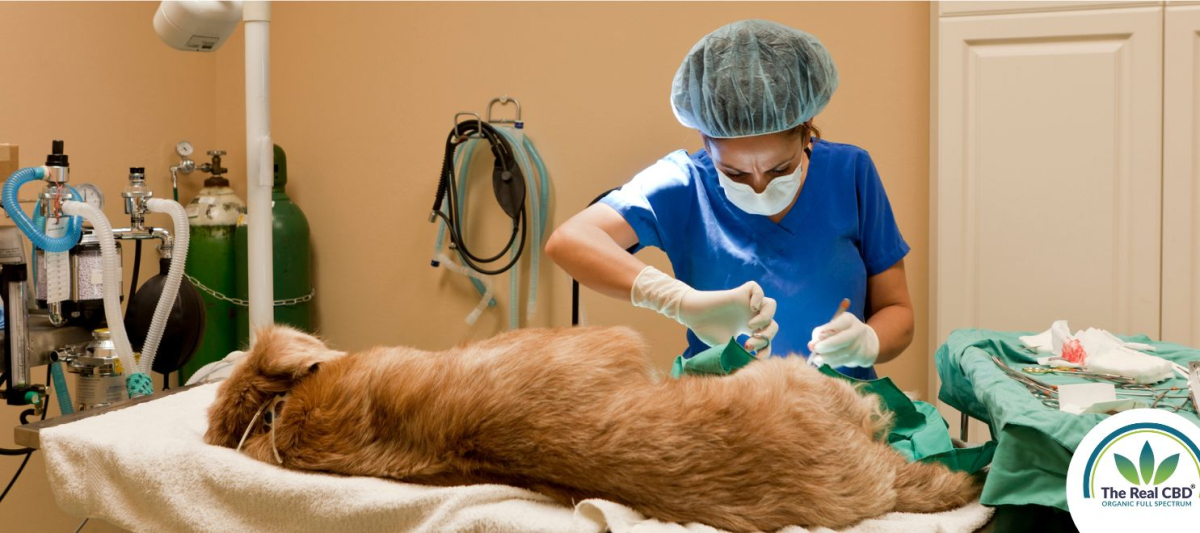
If you’re a pet parent, chances are you’ve faced some health scares with your furry friend. And if cancer has ever been part of that journey, you know how heart-wrenching and overwhelming it can be. It’s no surprise that many dog owners are now turning to natural remedies like CBD oil for dogs with cancer, hoping it might help manage symptoms—or even shrink tumours.
But let’s be real: Can CBD oil actually shrink tumours in dogs, or is it just another overhyped trend? That’s exactly what we’re about to explore—in a straightforward, no-nonsense way.
Estimated reading time: 9 Minuten
- What Is CBD Oil, and How Does It Work in Dogs?
- The Science Behind CBD and Cancer Cells
- Can CBD Oil Shrink Tumours in Dogs?
- Real-Life Success Stories
- How to Choose the Right CBD Oil for Dogs With Tumours
- Can You Use CBD Alongside Chemotherapy or Surgery?
- Are There Any Risks or Side Effects?
- How Long Before You See Results?
- What the Vets Say About CBD for Canine Tumours
- The Legal Bit: Is CBD for Dogs Legal in the UK?
- Conclusion: Should You Try CBD Oil for Your Dog’s Tumour?
- FAQs About CBD Oil and Dog Tumours
- The Real CBD for dog tumours
What Is CBD Oil, and How Does It Work in Dogs?
CBD, or cannabidiol, is a natural compound found in the cannabis plant. Unlike THC (the stuff that gets you high), CBD doesn’t cause any psychoactive effects. It’s totally safe for dogs when given in the right doses, and it interacts with your pet’s endocannabinoid system—a complex network that helps regulate things like pain, inflammation, immunity, and even cell growth.
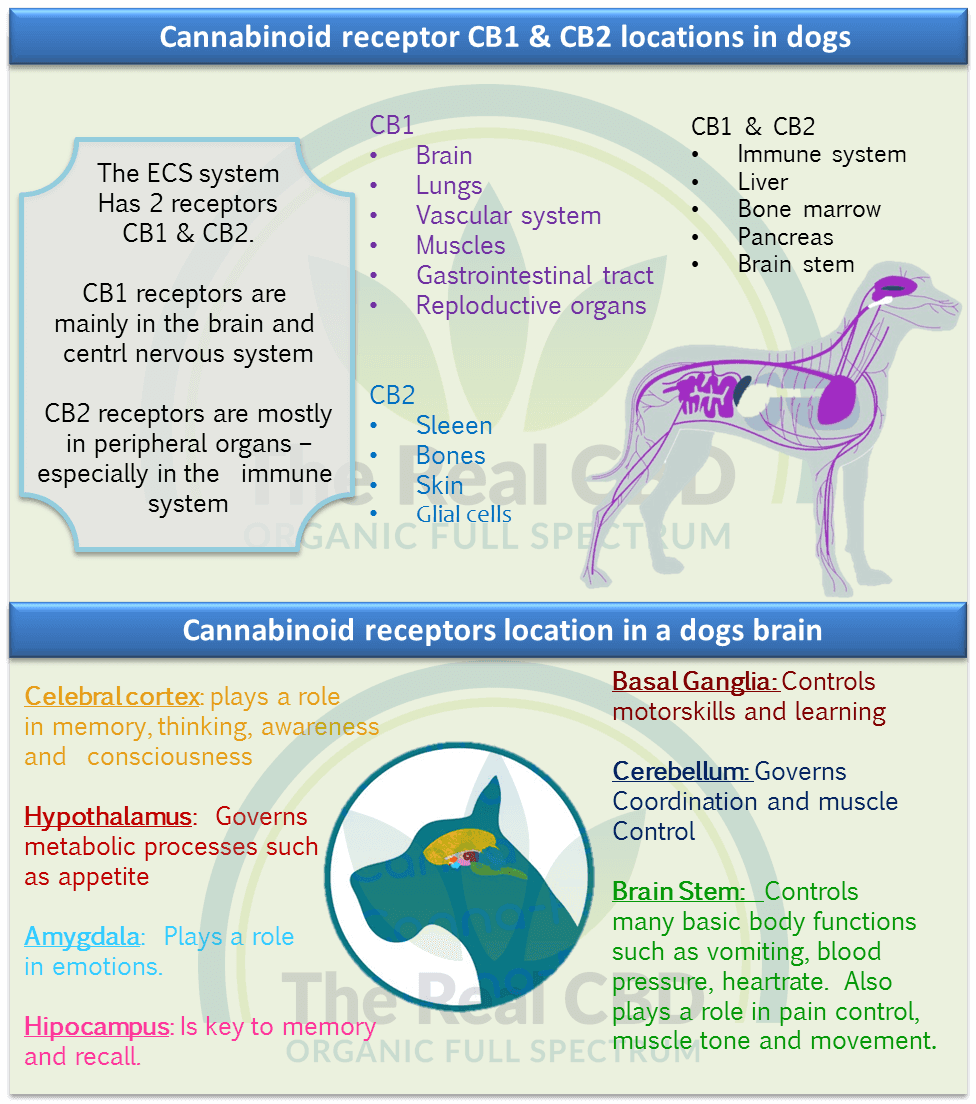
So when it comes to cancer, the idea is that CBD might help the body fight back, reduce inflammation, manage pain, and potentially slow tumour growth. Sounds pretty promising, right?
Tumours in Dogs: A Quick Breakdown
Before diving into how CBD might help, let’s quickly cover the basics of dog tumours. They generally fall into two categories:
- Benign tumours – Non-cancerous and usually harmless.
- Malignant tumours – Cancerous and can spread to other parts of the body.
The most common types of tumours in dogs include mast cell tumours, lipomas, osteosarcoma, lymphoma, and mammary gland tumours. Conventional treatments often involve surgery, chemotherapy, or radiation, but more pet owners are now adding CBD oil into the mix—for a more holistic approach.
The Science Behind CBD and Cancer Cells
Now, here’s where it gets really interesting. While we don’t yet have conclusive studies specifically on dogs, research in lab animals and test tubes has shown that CBD can:
- Slow the growth of certain cancer cells
- Trigger cancer cell death (apoptosis)
- Reduce tumour blood supply (anti-angiogenesis)
- Stop cancer from spreading (anti-metastatic)
In simpler terms: CBD may help starve the tumour, make it harder for it to spread, and even tell it to die. Pretty powerful stuff.
One 2018 study found that CBD inhibited the growth of breast cancer cells in mice, while another reported that CBD enhanced the effects of chemotherapy in pancreatic cancer models.
Again—these aren’t dog-specific studies, but they give us a clue about the potential power of CBD.
Can CBD Oil Shrink Tumours in Dogs?
Let’s get to the million-pound question: Can CBD oil shrink tumours in dogs?
The honest answer? We don’t have enough hard science—yet. However, anecdotal reports from vets and pet owners are incredibly encouraging.
Many pet parents report that after using full-spectrum CBD oil, their dog’s tumour:
- Stopped growing
- Shrank in size
- Became less inflamed or painful
- Was easier to manage with fewer vet interventions
It’s important to note that CBD isn’t a cure for cancer. But it can be a strong ally when used alongside conventional treatments or as part of a natural wellness plan.
Real-Life Success Stories
You’ll find no shortage of real-life testimonials online from dog owners who swear by CBD’s effects. Here are just a few examples:
- Buddy the Boxer was diagnosed with a mast cell tumour. His owner started him on organic, full-spectrum CBD oil alongside his vet’s recommendations. After six weeks, the tumour had shrunk noticeably, and Buddy’s energy came back.
- Luna the Labrador had a benign fatty tumour (lipoma). Her owner applied CBD balm topically and gave her CBD drops orally. The lipoma softened and reduced in size over a few months.
- Max the Collie was struggling with pain from osteosarcoma. CBD didn’t cure his cancer, but it improved his quality of life dramatically—he was able to walk, eat, and sleep better.
These aren’t medical studies, but they matter. They show what’s possible.
Related content:
How to Choose the Right CBD Oil for Dogs With Tumours
If you’re considering trying CBD oil for your dog’s tumour, here’s what to look for:
1. Full-Spectrum CBD Oil
This includes a range of cannabinoids that work together in what’s called the entourage effect—basically, they’re more powerful together than alone.
2. Organic and Third-Party Tested
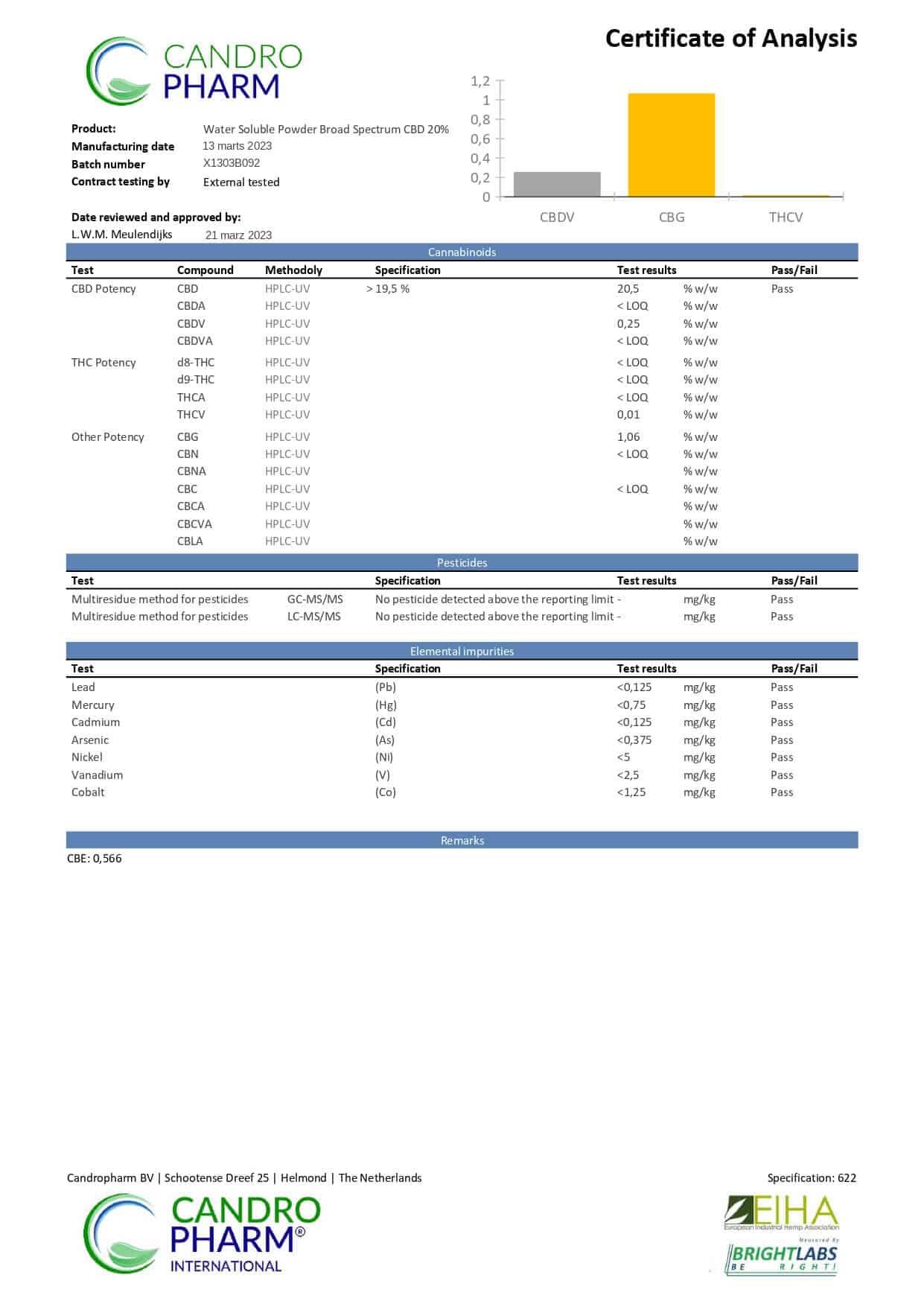
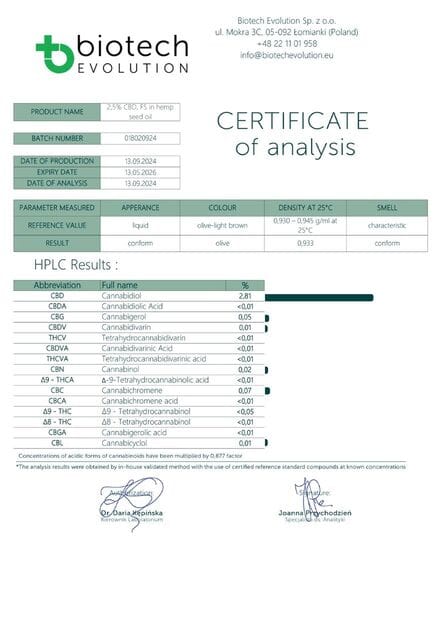
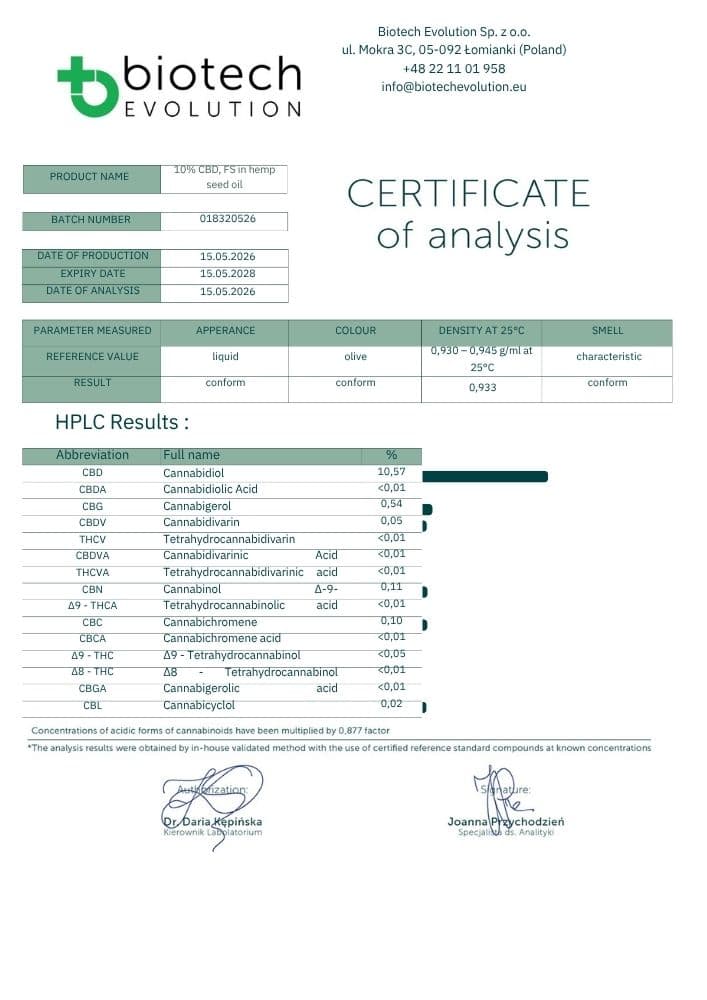
Always choose products that are organic and come with a lab report (COA). This proves there are no nasty chemicals, heavy metals, or THC beyond safe limits.
3. Proper Dosage
Start low and go slow. Dosage depends on your dog’s weight, health condition, and response. Your vet or a cannabis-savvy pet consultant can help you tailor it.
Can You Use CBD Alongside Chemotherapy or Surgery?
Yes, many dog owners do! CBD can:
- Reduce chemotherapy side effects like nausea and fatigue
- Enhance appetite
- Improve sleep and energy
- Calm anxiety before or after surgery
Just make sure your vet is in the loop. CBD can interact with some medications, so it’s best to approach it as a team effort with your veterinary professional.
Are There Any Risks or Side Effects?
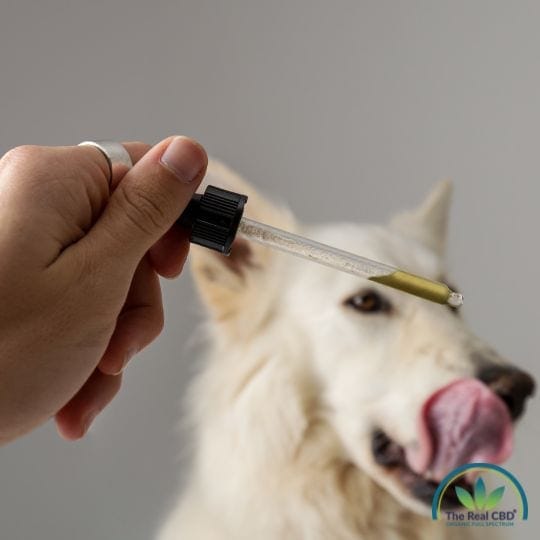
CBD is well-tolerated by most dogs, especially when given in the proper dose. However, possible side effects include:
- Drowsiness
- Dry mouth (increased thirst)
- Slight drop in blood pressure
These usually go away once the body adjusts. Still, always monitor your pup when introducing something new.
How Long Before You See Results?
Some dogs show improvement in just a few days—especially in terms of pain, appetite, or mood. When it comes to tumour shrinkage, it could take weeks or even months.
Consistency is key. Think of CBD like a supplement, not a magic pill. Stick with it, track your dog’s progress, and adjust as needed.
What the Vets Say About CBD for Canine Tumours
While some traditional vets remain cautious (largely due to the lack of large-scale studies), integrative and holistic vets are increasingly embracing CBD.
Vets who’ve used CBD in their practice report seeing:
- Better quality of life for dogs with cancer
- Reduction in tumour inflammation
- Pain management without harsh drugs
Some even recommend CBD early in the diagnosis to support overall wellbeing and recovery.
The Legal Bit: Is CBD for Dogs Legal in the UK?
Yes—CBD for pets is legal in the UK, provided it contains less than 0.2% THC and is derived from approved hemp strains. However, vets technically aren’t allowed to prescribe it yet, which is why most dog owners buy it directly from reputable CBD brands.
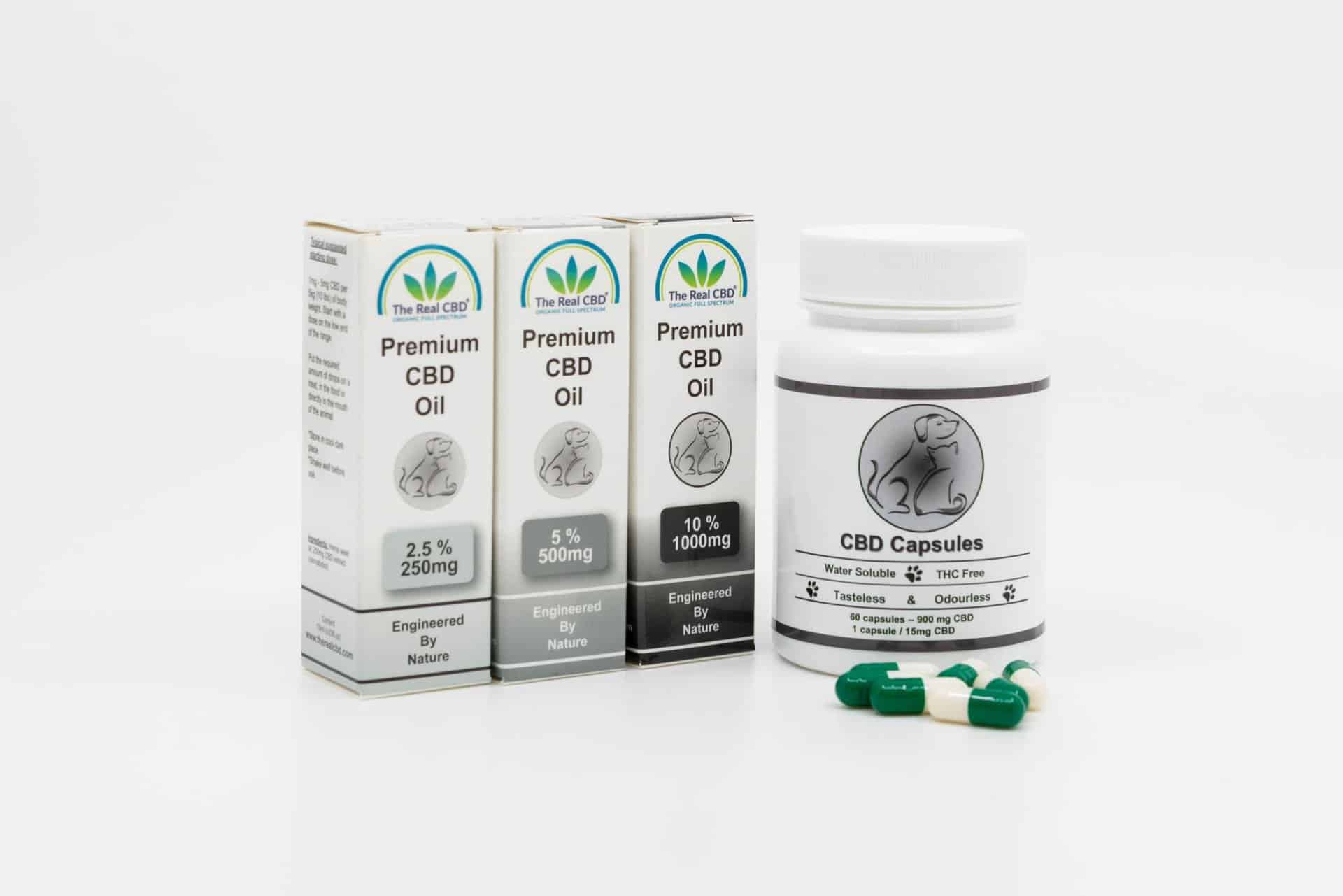
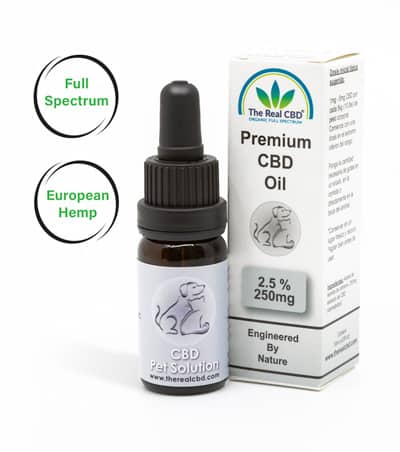
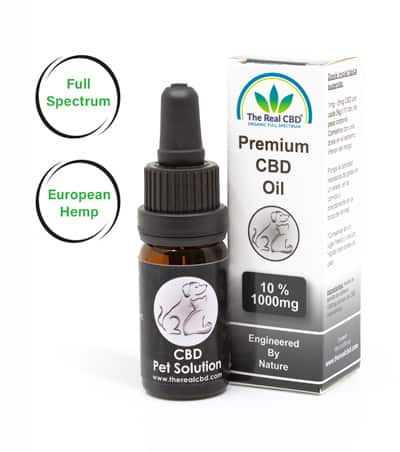
Our Top Recommendation: The Real CBD 10% CBD Pet Oil
If you’re ready to give your dog a natural boost, we highly recommend trying The Real CBD 10% Pet Oil. It’s a full-spectrum oil made from organically grown hemp, designed especially for pets.
Why we recommend it:
- Vet-formulated and pet-safe
- Free from THC
- Lab-tested for purity
- Easy-to-dose with helpful guidance
- Backed by hundreds of real reviews from happy pet owners
The Real CBD is a trusted name in natural wellness, and their pet oil is a perfect starting point for dogs dealing with tumours or chronic illness. Whether you’re hoping to reduce inflammation, manage pain, or just improve your dog’s daily comfort—this oil is a great addition to their health routine.
Conclusion: Should You Try CBD Oil for Your Dog’s Tumour?
If your dog has been diagnosed with a tumour, you’re probably doing everything you can to help them feel better—and maybe even beat the odds. While CBD oil is not a miracle cure, it may play a powerful role in supporting your dog’s body, easing discomfort, and improving their quality of life.
The science is promising, the stories are inspiring, and the risk is relatively low when you use high-quality, properly dosed CBD oil.
So, can CBD oil shrink tumours in dogs? Possibly—and certainly enough people believe in its benefits to give it a shot.
As always, speak with your vet, do your research, and choose only the best for your four-legged family member.
FAQs About CBD Oil and Dog Tumours
A good starting point is 1–2mg of CBD per 5kg of body weight, given once or twice daily. For The Real CBD 10% Pet Oil, that’s roughly 1–3 drops per dose depending on the dog’s size. Always start low and monitor your dog closely. Adjust slowly if needed.
Some dogs may feel better (more energetic, less pain) within a few days. But when it comes to actual tumour shrinkage or inflammation reduction, it could take several weeks to months of consistent use. Patience and consistency are key.
Yes, many pet owners combine CBD oil with chemotherapy, surgery, or radiation. In fact, CBD may help ease the side effects of these treatments. Just be sure to check with your vet to avoid any possible interactions with other meds.
Absolutely. When you choose a quality product like The Real CBD 10% Pet Oil and use it as directed, CBD is very safe for long-term use. It’s non-addictive, non-toxic, and generally very well-tolerated by dogs.
We strongly recommend against it. Human CBD oil may contain ingredients or carrier oils that aren’t safe for pets. Stick with a pet-specific formula, like The Real CBD’s 10% Pet Oil, which is designed to be gentle and effective for dogs.
The Real CBD for dog tumours


I am a certified expert in Medicinal Cannabis. We are all about giving correct and trustworthy information. We know how important it is to learn about CBD and cannabis, which is why we want to be your go-to source for trustworthy information. We help you improve your health by using our knowledge and experience as a starting point.










Leave a Reply
Want to join the discussion?Feel free to contribute!