
Where in Europe Is CBD Illegal? Know the laws in 2025
CBD (Cannabidiol) has taken the world by storm for its potential health benefits, but its legal status remains a grey area in some places—especially in Europe. With varying laws and regulations, it can be confusing to figure out where CBD is completely illegal and where it is only legal with a 0.0% THC limit. Let’s clear up the confusion with this detailed guide.
Discover where CBD is illegal in Europe. Learn about countries allowing CBD with 0.0% THC. Optimized for “CBD illegal.”
Disclaimer: The information provided here is accurate at the time of writing but laws and regulations regarding CBD may have changed since. It is strongly recommended to verify the current legal status of CBD in your destination or consult a legal expert to ensure compliance with the latest laws and regulations.
Estimated reading time: 12 Minuten
- CBD and Its Legalities
- What Is CBD and Why the Legal Debate?
- Understanding European Laws on CBD
- Countries Where CBD Is Illegal
- Countries With 0.0% THC Restriction
- Why Are Some Countries So Strict?
- Key EU Regulations on CBD
- Impact of Illegal CBD on Consumers
- Legal Grey Zones You Should Know
- Travelling With CBD in Europe
- General Guidelines for Travelling with CBD
- Future of CBD Laws in Europe
- Conclusion
- FAQs
CBD and Its Legalities

Cannabidiol (CBD) has gained immense popularity for its potential to relieve stress, improve sleep, and reduce pain. But while it’s widely used and praised, its legal status varies greatly across Europe. Why? Because CBD’s source—the cannabis plant—is a controversial subject in many countries.
This blog explores the intricate web of laws surrounding CBD in Europe, including countries where it’s outright illegal and those with strict 0.0% THC restrictions.
What Is CBD and Why the Legal Debate?
CBD is a natural compound found in the cannabis plant. Unlike THC, it doesn’t produce a “high.” So, why the legal drama? It all boils down to:
- The association with cannabis: Many laws don’t differentiate between CBD and THC-heavy marijuana.
- THC content: Some countries ban CBD if it contains even trace amounts of THC.
- Public perception: The stigma around cannabis often extends to CBD products.
Understanding European Laws on CBD
Europe’s CBD laws can be divided into three categories:
- Completely legal: Countries where CBD is allowed regardless of THC content.
- Conditionally legal: Countries that permit CBD but only with 0.2% or lower THC.
- Strictly prohibited: Countries where CBD is outright banned.
Each country interprets these categories differently, making it essential to understand local regulations.

Countries Where CBD Is Illegal
In some European nations, CBD is considered illegal due to its cannabis origins. Here’s a closer look:
1. Slovakia
Slovakia has one of the strictest stances in Europe. CBD is classified as a controlled substance and is entirely illegal.
2. Albania
Despite its proximity to more liberal nations, Albania prohibits all cannabis-derived products, including CBD.
3. Belarus
Belarus follows a zero-tolerance policy on cannabis, making CBD illegal regardless of THC content.
Countries With 0.0% THC Restriction
Some countries permit CBD but only if it contains absolutely no THC. This restriction makes compliance challenging for manufacturers and consumers.
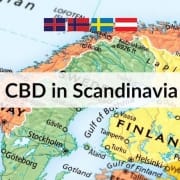
1. Sweden
Sweden’s laws mandate that CBD products must be 100% THC-free. Anything less is considered illegal.
2. Finland

While CBD is legal for medicinal purposes, Finland enforces a strict 0.0% THC rule for over-the-counter products.
3. Hungary
Hungary’s approach aligns with EU laws but demands zero THC in CBD products.
4.Norway
In Norway, CBD (cannabidiol) is considered a prescription medication. This means you can’t simply walk into a store and buy CBD products over the counter. To legally obtain CBD, you’ll need a prescription from a licensed healthcare provider, especially if you’re looking to use it for therapeutic reasons.
It’s also important to note that any CBD product in Norway must contain less than 0.2% THC (tetrahydrocannabinol). THC is the compound responsible for the psychoactive effects of cannabis. If a product contains more than this amount, it’s classified as a narcotic substance and is illegal to possess, distribute, or use.
The Norwegian Medicines Agency oversees the quality and safety of CBD products in the country. They ensure that any CBD available meets strict safety and quality standards. So, if you’re considering using CBD in Norway, it’s essential to consult with a healthcare provider to get a prescription and ensure you’re complying with local laws.
Why Are Some Countries So Strict?
The reasons for these restrictions often include:
- Historical stigmas: Cannabis has long been associated with illicit drug use.
- Regulatory challenges: Governments struggle to regulate THC levels in products.
- Public health concerns: Misuse or accidental consumption of THC-containing products is a worry.
Think of it like banning an entire fruit because one type could cause an allergic reaction.
Key EU Regulations on CBD
The European Union (EU) has some overarching guidelines:
The European Union (EU) has established several key regulations governing the production, sale, and use of CBD (cannabidiol) products. These regulations aim to ensure safety, quality, and compliance with legal standards. Here’s an overview:
1. Novel Food Regulation
CBD extracts and products containing CBD are classified as “novel foods” under EU law. This means:
- They must undergo a thorough safety assessment and approval process before being marketed.
- Manufacturers need to submit an application with detailed information about the product, including its safety, stability, and intended use.
2. THC Content
EU regulations require that hemp used for CBD production must contain less than 0.2% THC. However, individual countries may have stricter thresholds, so producers need to comply with both EU and national laws.
3. EU Cosmetics Regulation
CBD can be used in cosmetic products, provided it is derived from legally sourced hemp and does not contain THC. The ingredient must also comply with the Cosmetic Ingredient Database (Cosing), which lists cannabidiol as an acceptable component in cosmetics.
4. Medicinal Claims
CBD products cannot be marketed as having medicinal properties unless they are authorised as medicines. Any health or therapeutic claims must be supported by rigorous clinical evidence and approved by the European Medicines Agency (EMA).
5. Labelling and Transparency
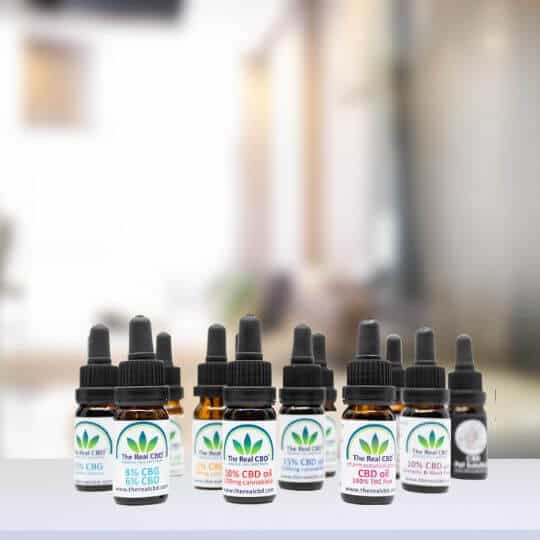
CBD products must adhere to strict labelling requirements, including:
- Accurate CBD content
- Full ingredient lists
- Warnings, if applicable
- Clear distinctions between food supplements, cosmetics, and pharmaceuticals.
6. Cultivation Rules
Hemp cultivation for CBD production must comply with EU agricultural standards. Only certain EU-certified hemp varieties are permitted for cultivation to ensure consistency and safety.
7. Cross-Border Trade
CBD products can generally be traded across EU member states, but the rules may vary slightly between countries. Manufacturers and sellers must comply with local regulations in the target market.
To ensure compliance, businesses in the CBD sector must carefully navigate both EU-wide and country-specific laws. By adhering to these regulations, they can ensure product safety, build consumer trust, and maintain legal operation within the EU.
More about CBD
Impact of Illegal CBD on Consumers
The illegality of CBD affects consumers in several ways:
1. Unregulated Quality and Safety
Illegal CBD products are not subject to strict quality control or safety regulations. This can lead to contamination with harmful substances such as pesticides, heavy metals, or bacteria, which could pose serious health risks.

2. Inaccurate Labelling
Without regulation, illegal CBD products may have inaccurate labelling. They might claim to contain a certain amount of CBD but either have much less or none at all. Worse, they may contain THC above the legal limit, leading to unintended psychoactive effects.
3. Adverse Health Effects
Poorly made illegal CBD products can cause side effects or worsen existing conditions. Contaminants or improper extraction methods may introduce harmful chemicals that could irritate or damage the body.
4. Lack of Proper Dosage Information
Illegal products often lack reliable dosage instructions. This can result in consumers taking too much or too little, reducing effectiveness or increasing the risk of side effects like drowsiness, gastrointestinal issues, or drug interactions.
5. Legal Consequences
Possession or use of illegal CBD products could lead to legal trouble, including fines or criminal charges, depending on local laws. This adds unnecessary stress and complications for consumers.
6. Damages Trust in the Industry
Illegal products tarnish the reputation of the CBD industry as a whole. They create scepticism among consumers and discourage those who might benefit from legitimate, high-quality CBD products from trying them.
To ensure safety and efficacy, consumers should always purchase CBD products from reputable sources that provide third-party lab testing and adhere to legal regulations. Consulting a healthcare professional before starting CBD is also a good practice.
Legal Grey Zones You Should Know
Even in countries where CBD is legal, grey zones exist. For example, transporting CBD across borders can be risky if THC regulations differ.
Travelling With CBD in Europe

Planning a European trip? Be cautious. Travelling with CBD in Europe requires careful planning and an understanding of the varying laws across different countries. While CBD is generally more accepted in Europe than in some other parts of the world, regulations can differ significantly from one country to another.
General Guidelines for Travelling with CBD
Check THC Levels
Ensure that your CBD product contains less than 0.2% THC, as this is the EU-wide legal limit for industrial hemp-derived products. However, some countries may have stricter rules.
Keep Products in Original Packaging
Always carry CBD products in their original packaging to clearly display the product’s ingredients and THC content. This helps demonstrate compliance with local laws.
Carry Documentation
If possible, bring any certificates of analysis or proof of legal purchase. If you’re using CBD for medical purposes, having a doctor’s prescription or note may help in case of questions at customs.
Know Local Laws
Research the laws of both your departure and destination countries, as well as any countries you may transit through. While CBD is legal in many European countries, the regulations vary:
- Countries with more relaxed rules: Germany, Austria, the Netherlands, and Switzerland generally allow CBD products with low THC levels.
- Countries with stricter regulations: Countries like Slovakia and Sweden have stricter controls, and CBD may be treated as a narcotic.
Avoid Bringing CBD Oil on Flights if Unsure

To avoid potential issues, consider purchasing legal CBD products at your destination rather than travelling with them.
Be Aware of Non-EU Countries
Some non-EU countries in Europe, such as Russia or Turkey, have much stricter laws concerning CBD, even if it contains no THC.
Country-Specific Considerations
- France: Only allows CBD products made from hemp seeds and fibre, not flowers.
- Italy: Permits CBD but restricts THC to trace levels, with stricter scrutiny on oils.
- Norway: Requires a prescription for CBD products, regardless of THC content.
Advice for Travellers
- Flying with CBD: Check with the airline and local airport regulations. CBD oils might also fall under liquid restrictions for hand luggage.
- Driving Across Borders: While travelling by car, be cautious about the rules of each country you enter, as you might pass through jurisdictions with stricter CBD laws.
Travelling with CBD in Europe is possible but requires preparation and awareness of local laws. When in doubt, consult local regulations or avoid carrying CBD altogether to ensure a hassle-free trip.
Future of CBD Laws in Europe

The legal landscape for CBD in Europe is currently experiencing significant shifts, with countries adopting diverse approaches to regulation. In 2025, the European Food Safety Authority (EFSA) began approving novel food applications for CBD products, aiming to harmonize regulations across the EU.
However, individual nations are implementing their own measures:
- Spain: The Community of Madrid plans to introduce regulations in 2025 to protect minors from cannabis-derived products, including CBD-infused items like vape oils and snacks. Proposed measures include prohibiting sales to minors, restricting vending machine sales, and limiting advertising near educational institutions. ElHuffPost
- Italy: The government is moving to ban the production and trade of all cannabis flowers, encompassing non-psychotropic industrial hemp. This initiative aims to curb recreational drug use but has raised concerns among hemp growers about its impact on the industry. Financial Times
These developments indicate a trend where, despite EU-level efforts to standardize CBD regulations, individual countries are enacting their own laws based on national priorities and public health considerations. For businesses and consumers, it’s crucial to stay informed about both EU directives and specific national regulations, as the legal status of CBD can vary significantly from one country to another.
Conclusion
The legal status of CBD in Europe is anything but straightforward. While some countries embrace it, others remain cautious or outright ban it. Understanding these laws is crucial for safe and legal CBD use. As awareness grows, we can hope for a more unified and accepting approach in the future.
FAQs
Countries like Slovakia, Albania, and Belarus have entirely banned CBD due to strict cannabis regulations.
It depends. You must ensure the THC content complies with the laws of your destination and any countries you transit through.
These countries are cautious about even trace amounts of THC, viewing it as a potential risk or loophole for recreational cannabis use.
Penalties vary but can include fines, confiscation, or even imprisonment in stricter countries.
While there’s growing pressure for unified regulations, individual countries currently have the final say on CBD legality.
Understanding Europe’s CBD laws can feel like navigating a maze, but with the right information, you can enjoy the benefits of CBD without stepping into legal trouble.

I am a certified expert in Medicinal Cannabis. We are all about giving correct and trustworthy information. We know how important it is to learn about CBD and cannabis, which is why we want to be your go-to source for trustworthy information. We help you improve your health by using our knowledge and experience as a starting point.











Leave a Reply
Want to join the discussion?Feel free to contribute!