
Spain’s Medicinal Cannabis Revolution
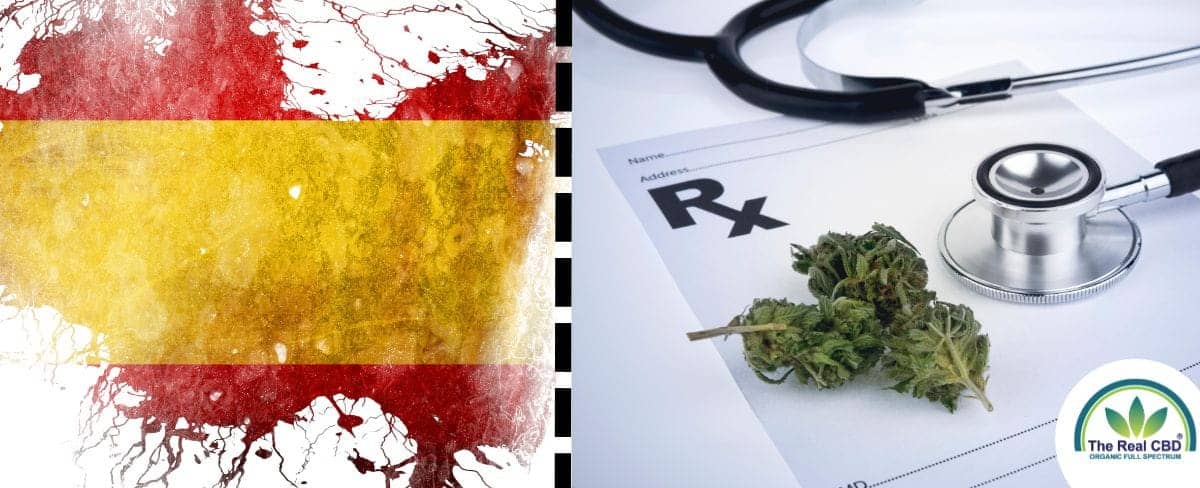
In a landmark move, Spain has taken a significant step towards regulating medicinal cannabis, marking a pivotal moment in the country’s approach to alternative therapies. However, the newly proposed regulations have sparked a heated debate among patients, medical professionals, and cannabis advocates. While some celebrate this long-awaited progress, others argue that the strict limitations may inadvertently push patients back into the shadows of the black market.
Estimated reading time: 0 Minuten
- Spain’s Medicinal Cannabis Framework
- Who Qualifies for Medicinal Cannabis in Spain?
- The Prescription Process: Navigating Red Tape and Restrictions
- The Debate: Progress or Setback?
- The Export Paradox
- New Study Reveals Promising Results
- Effective Treatments for Chronic Conditions
- Cannabidiol: A Breakthrough for Epilepsy Patients
- Mental Health and Cannabis: Limited Evidence of Benefit
- Insufficient Support for Mental Health Treatments
- Conclusion: A Bittersweet Victory for Medicinal Cannabis in Spain
- Frequently asked question about Medicinal cannabis in Spain
Spain’s Medicinal Cannabis Framework

On September 30, 2024, the Spanish Ministry of Health unveiled a draft royal decree outlining the prescription and distribution of cannabis-based medicines. This development comes after years of delays, political changes, and growing pressure from patient advocacy groups. The new framework aims to provide a regulated avenue for patients to access cannabis treatments, but the restrictive nature of the regulations has left many questioning its effectiveness.
A Decade in the Making: The Long Road to Legalization
The journey towards medicinal cannabis regulation in Spain has been fraught with obstacles. Initial recommendations were made back in June 2022, but it wasn’t until Health Minister Monica Garcia took office in January 2024 that real progress began to materialize. This protracted timeline highlights the complex political and social landscape surrounding cannabis reform in the country.
Who Qualifies for Medicinal Cannabis in Spain?
Under the new regulations, access to medicinal cannabis is limited to a select group of patients with specific conditions. The draft decree outlines four primary categories of eligibility:
- Spasticity in Multiple Sclerosis (MS)
- Refractory Epilepsy
- Chemotherapy-induced Nausea and Vomiting
- Chronic Pain Resistant to Standard Treatments
This narrow list of qualifying conditions has become a focal point of criticism, with many arguing that it excludes a significant number of patients who could potentially benefit from cannabis-based treatments.
The Prescription Process: Navigating Red Tape and Restrictions
The proposed framework places stringent controls on the prescription and distribution of medicinal cannabis. Here are the key points:
Specialist Doctors Only
Only specialist physicians will have the authority to prescribe cannabis-based medicines. This restriction raises concerns about accessibility, especially for patients in rural areas or those facing long waiting times to see specialists.

Hospital Pharmacy
Cannabis medications will be exclusively available through hospital pharmacies. This centralized approach aims to ensure quality control and patient monitoring but may create logistical challenges for those living far from major medical centres.
Detailed Documentation and Monitoring
Doctors prescribing medicinal cannabis must provide comprehensive reasoning in patient records, outlining both benefits and risks. Continuous evaluation of the treatment’s effects is also mandated, adding an extra layer of oversight to the process.
The Debate: Progress or Setback?
While the new regulations represent a step forward in recognizing the therapeutic potential of cannabis, many stakeholders argue that the framework falls short of meeting patient needs.
Criticism from Patient Advocates
Carola Pérez, president of the Spanish Observatory of Medicinal Cannabis (OECM), expresses disappointment with the restrictive nature of the decree. She warns that the limitations may force patients to seek alternative sources, potentially exposing them to legal risks and substandard products.
The Black Market Concern
Critics argue that the strict regulations could inadvertently bolster the illegal cannabis market. Patients unable to meet the narrow criteria for legal access may resort to growing cannabis at home or purchasing it on the street, risking criminalization and compromising their health.
The Research Dilemma: Evidence vs. Regulation
The Spanish government maintains that more research is needed before expanding the list of approved conditions for medicinal cannabis use. However, this stance has been met with skepticism from advocates who point to existing international studies supporting broader applications of cannabis in medicine.
The Export Paradox
Interestingly, Spanish cannabis producers have successfully built export businesses, supplying medicinal cannabis to other countries. This situation creates a paradox where Spanish-grown cannabis is more readily available to patients abroad than to those within the country’s borders.

The Path Forward: Advocacy and Adaptation
As the draft decree enters its public consultation phase, which runs until October 21, 2024, patient groups and cannabis advocates are mobilizing to push for changes. The OECM is leading efforts to expand access, calling for:
- Inclusion of cannabis flowers in the approved products
- Allowing local pharmacies to dispense cannabis medications
- Empowering general practitioners to prescribe medicinal cannabis
New Study Reveals Promising Results
The medical use of cannabis has been a topic of heated debate for years. As more countries consider legalizing its use for therapeutic purposes, researchers continue to investigate its potential benefits and risks. A recent comprehensive study has shed new light on the efficacy of cannabis-based medicines, providing valuable insights for policymakers and healthcare professionals.
Groundbreaking Meta-Analysis Supports Government’s Draft Indications
In August 2023, a landmark study published in the British Medical Journal (BMJ) reviewed 101 previous meta-analyses, offering a comprehensive overview of the current scientific evidence on medical cannabis use. This extensive research, co-authored by Eduard Vieta, the esteemed head of the psychiatry service at Barcelona’s Hospital Clínic, aligns closely with the indications mentioned in the Spanish government’s draft regulations.
Effective Treatments for Chronic Conditions

The study’s findings reveal that cannabis-based medicines show promise in treating several chronic conditions:
- Multiple Sclerosis
- Chronic Pain
- Inflammatory Bowel Disease
- Palliative Care
These results support the government’s cautious approach to medical cannabis regulation, focusing on conditions with the strongest evidence base.
Cannabidiol: A Breakthrough for Epilepsy Patients
The research also highlights the effectiveness of cannabidiol, a non-psychoactive component of cannabis, in managing epilepsy. This discovery opens new avenues for treatment-resistant epilepsy patients, offering hope where traditional medications have failed.
More from our blog section
Mental Health and Cannabis: Limited Evidence of Benefit
While the study reveals promising results for certain physical conditions, the evidence for mental health benefits remains limited. The College of Doctors of Catalonia (CoMB) published a document titled “Decalogue on Health and Cannabis,” which emphasizes the lack of substantial evidence supporting cannabis use for various mental health disorders.
Insufficient Support for Mental Health Treatments

According to the CoMB’s findings, there is little evidence to suggest that cannabinoids improve:
- Depressive disorders and symptoms
- Anxiety disorders
- Attention Deficit Hyperactivity Disorder (ADHD)
- Tourette’s syndrome
- Post-Traumatic Stress Disorder (PTSD)
- Psychosis
This information underscores the need for caution when considering cannabis-based treatments for mental health conditions.
The Need for More Rigorous Research
Despite the promising results in certain areas, experts emphasize the need for more comprehensive studies. Rafael Maldonado, a respected professor of pharmacology at the Universitat Pompeu Fabra in Barcelona, highlighted this issue during a public event organized by the CoMB on January 29.
Calls for Double-Blind, Placebo-Controlled Studies
Maldonado stressed the lack of double-blind, placebo-controlled, and randomized clinical studies in the field of medical cannabis research. These gold-standard research methods are crucial for establishing the true efficacy and safety of cannabis-based treatments.
Balancing Potential Benefits and Risks

While the BMJ study confirms the effectiveness of cannabis-based medicines for specific conditions, it also acknowledges the presence of adverse events. This highlights the importance of careful consideration and monitoring when implementing medical cannabis programs.
Weighing the Pros and Cons
Healthcare professionals and policymakers must carefully balance the potential benefits of medical cannabis against its possible risks. This approach ensures that patients receive the most appropriate and safe treatments for their conditions.
Implications for Future Research and Policy
The findings from the BMJ study and the insights from experts like Vieta and Maldonado have significant implications for the future of medical cannabis research and policy.
Targeted Research Efforts
Future studies should focus on the conditions where cannabis-based medicines have shown the most promise, such as multiple sclerosis, chronic pain, and epilepsy. Additionally, more rigorous research is needed to explore potential mental health applications.
Evidence-Based Policy Making
Policymakers should use this scientific evidence as a foundation for developing responsible and effective medical cannabis regulations. By focusing on conditions with strong supporting evidence, governments can ensure that patients receive safe and beneficial treatments.
Conclusion: A Bittersweet Victory for Medicinal Cannabis in Spain
Spain’s move to regulate medicinal cannabis represents a significant milestone in the country’s drug policy. However, the current framework’s limitations have tempered the celebration for many patients and advocates. As the debate continues and the regulations evolve, the hope remains that Spain will find a balance between ensuring patient safety and providing broader access to those who could benefit from cannabis-based treatments.
The coming months will be crucial in shaping the future of medicinal cannabis in Spain. As stakeholders engage in dialogue and push for reforms, the ultimate goal remains clear: to create a system that truly serves the needs of patients while maintaining the highest standards of medical care and safety.
By prioritizing rigorous scientific research and evidence-based policy-making, we can harness the potential benefits of medical cannabis while minimizing risks. As we move forward, ongoing collaboration between researchers, healthcare providers, and regulators will be essential in developing safe and effective cannabis-based treatments for those who need them most.
Frequently asked question about Medicinal cannabis in Spain

The study found cannabis-based medicines to be effective for multiple sclerosis, chronic pain, inflammatory bowel disease, and in palliative care. Cannabidiol (CBD) also showed effectiveness in treating epilepsy.
The meta-analysis found limited evidence supporting the use of cannabinoids for mental health conditions such as depression, anxiety, ADHD, Tourette’s syndrome, PTSD, and psychosis.
Yes, the study noted that while cannabis-based medicines can be effective for certain conditions, they are not without adverse events. Careful monitoring and consideration of potential side effects are necessary.
This study provides a roadmap for future research by identifying areas where cannabis shows promise and where more rigorous studies are needed.
By reviewing 101 previous meta-analyses, this study offers the most comprehensive and up-to-date overview of the scientific evidence on medical cannabis use, helping to guide clinical decisions and policy-making.

I am a certified expert in Medicinal Cannabis. We are all about giving correct and trustworthy information. We know how important it is to learn about CBD and cannabis, which is why we want to be your go-to source for trustworthy information. We help you improve your health by using our knowledge and experience as a starting point.














Leave a Reply
Want to join the discussion?Feel free to contribute!