
CBD and Antihistamine: Can You Take Them Together?

If you’re like most people, seasonal allergies can be a real nuisance—sneezing fits, itchy eyes, and that constant runny nose. Antihistamines are a go-to solution, but what if you’re also taking CBD for anxiety, pain relief, or better sleep?
A common question is: Can you safely take CBD and antihistamines together?
This isn’t just curiosity—it’s about making sure you’re not accidentally mixing two things that could make you feel overly drowsy, dizzy, or unwell. The good news? For most healthy adults, they can be taken together. But there are a few things you need to know first.
Think of CBD and antihistamines as two friendly neighbours. They both have their own way of helping you feel better, but if they show up at your door at the same time, you want to make sure they’re not stepping on each other’s toes.
Estimated reading time: 8 Minuten
- 1. Understanding CBD: What It Is and How It Works
- 2. What Are Antihistamines and Why Do We Use Them?
- 3. The Science Behind CBD and Antihistamine Together
- 4. Is It Safe to Combine CBD and Antihistamines?
- 5. Possible Side Effects to Watch Out For
- 6. Factors That Influence Safety and Effectiveness
- 7. How to Choose the Right CBD Product
- 8. Why The Real CBD 25% CBD Oil Stands Out
- 9. Dosage Guidelines When Taking CBD and Antihistamines
- 10. The Best Time to Take CBD and Antihistamines
- 11. Real-Life Experiences and Testimonials
- 12. Final Thoughts on CBD and Antihistamines
- 13. FAQs
- The Real CBD and Antihistamine
1. Understanding CBD: What It Is and How It Works
CBD, short for cannabidiol, comes from the cannabis plant. It’s one of over a hundred compounds called cannabinoids—but unlike THC, it doesn’t get you high.

CBD works with your endocannabinoid system (ECS), which helps keep your body balanced. The ECS plays a role in regulating:
- Mood
- Sleep
- Pain response
- Immune system function
When something throws you off balance—like stress, injury, or illness—CBD can help nudge things back toward normal. Think of it as a gentle “reset” button for your body.
Some people take CBD for anxiety, chronic pain, inflammation, migraines, and better sleep. Others use it as part of their wellness routine to keep stress levels in check.
2. What Are Antihistamines and Why Do We Use Them?
Antihistamines are medications that block histamine, a chemical your immune system releases when it detects something it thinks is harmful—like pollen or dust mites.
Histamine triggers allergy symptoms such as:
- Sneezing
- Runny nose
- Watery, itchy eyes
- Skin rashes or hives
Common antihistamines include:
- Loratadine (Claritin) – Non-drowsy
- Cetirizine (Zyrtec) – Non-drowsy but can cause mild sleepiness in some
- Fexofenadine (Allegra) – Non-drowsy
- Diphenhydramine (Benadryl) – Sedating
They work like security guards—preventing histamine from entering “the club” (your cells) and starting a party you didn’t want.
3. The Science Behind CBD and Antihistamine Together

CBD and antihistamines don’t work in the same way, but their effects can overlap.
- Antihistamines – Block histamine receptors to stop allergy symptoms
- CBD – Modulates immune responses, reduces inflammation, and supports the body’s natural balance
While antihistamines address the direct cause of allergy symptoms (histamine release), CBD works on a broader level—calming overactive immune responses and reducing the discomfort caused by inflammation.
Some early research suggests CBD might have mild antihistamine-like effects on its own, though it’s not a replacement for allergy medicine.
4. Is It Safe to Combine CBD and Antihistamines?
For most healthy adults, yes—it’s generally safe. But there are two main considerations:
- Drowsiness – Some antihistamines (like diphenhydramine) can make you sleepy. CBD can also have calming effects, so together, they might make you feel more sedated than expected.
- Metabolism – CBD is processed by the same liver enzymes that break down many medications. In rare cases, it could slightly slow the breakdown of your antihistamine, making the effects last longer.
If you’re taking a non-drowsy antihistamine (loratadine, cetirizine, fexofenadine), the risk of excessive sedation is minimal.
5. Possible Side Effects to Watch Out For

While most people tolerate CBD and antihistamines well, some may experience:
- Extra sleepiness – More common with sedating antihistamines
- Dry mouth – Both can cause this
- Mild dizziness – Especially when standing up quickly
- Slower reaction times – Important if driving
If any side effects are strong or persistent, it’s best to stop CBD temporarily and speak with a healthcare provider.
6. Factors That Influence Safety and Effectiveness
Several things can affect how you respond to CBD and antihistamines together:
- Type of antihistamine – Sedating vs. non-sedating
- CBD dose – Higher doses increase the chance of drowsiness
- Body weight and metabolism – Changes how quickly you process both
- Other medications – Especially those that are metabolised by the liver
- Time of day – Night-time use may be more comfortable if you’re worried about feeling sleepy
7. How to Choose the Right CBD Product
Choosing CBD isn’t as simple as grabbing the first bottle you see. For best results:
- Go for full-spectrum CBD for the “entourage effect” (all plant compounds working together)
- Look for third-party lab testing to verify purity and potency
- Check the concentration so you know how strong each drop is
- Avoid products with unnecessary additives or artificial flavours
Related Content
8. Why The Real CBD 25% CBD Oil Stands Out
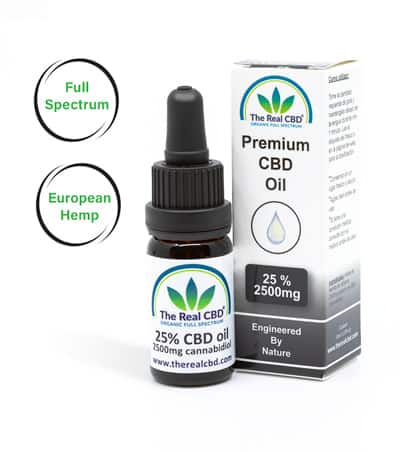
If you want a high-quality, reliable CBD product, The Real CBD 25% CBD Oil is an excellent choice.
Here’s why:
- Strong concentration – Ideal for those needing more noticeable effects
- Full-spectrum formula – Contains beneficial cannabinoids and terpenes
- Lab-tested – You get exactly what’s on the label
- 100% natural – No hidden nasties
- Trusted brand – Known for transparency and quality
Many users find that when taken with a non-drowsy antihistamine, this oil helps manage both allergy symptoms and overall wellbeing.
9. Dosage Guidelines When Taking CBD and Antihistamines
A safe approach is:
- Start low – One drop of 25% CBD oil in the evening
- Wait 2–3 days before increasing
- Monitor for side effects, especially if using a sedating antihistamine
If you feel too sleepy, either lower the CBD dose or take it at a different time of day.
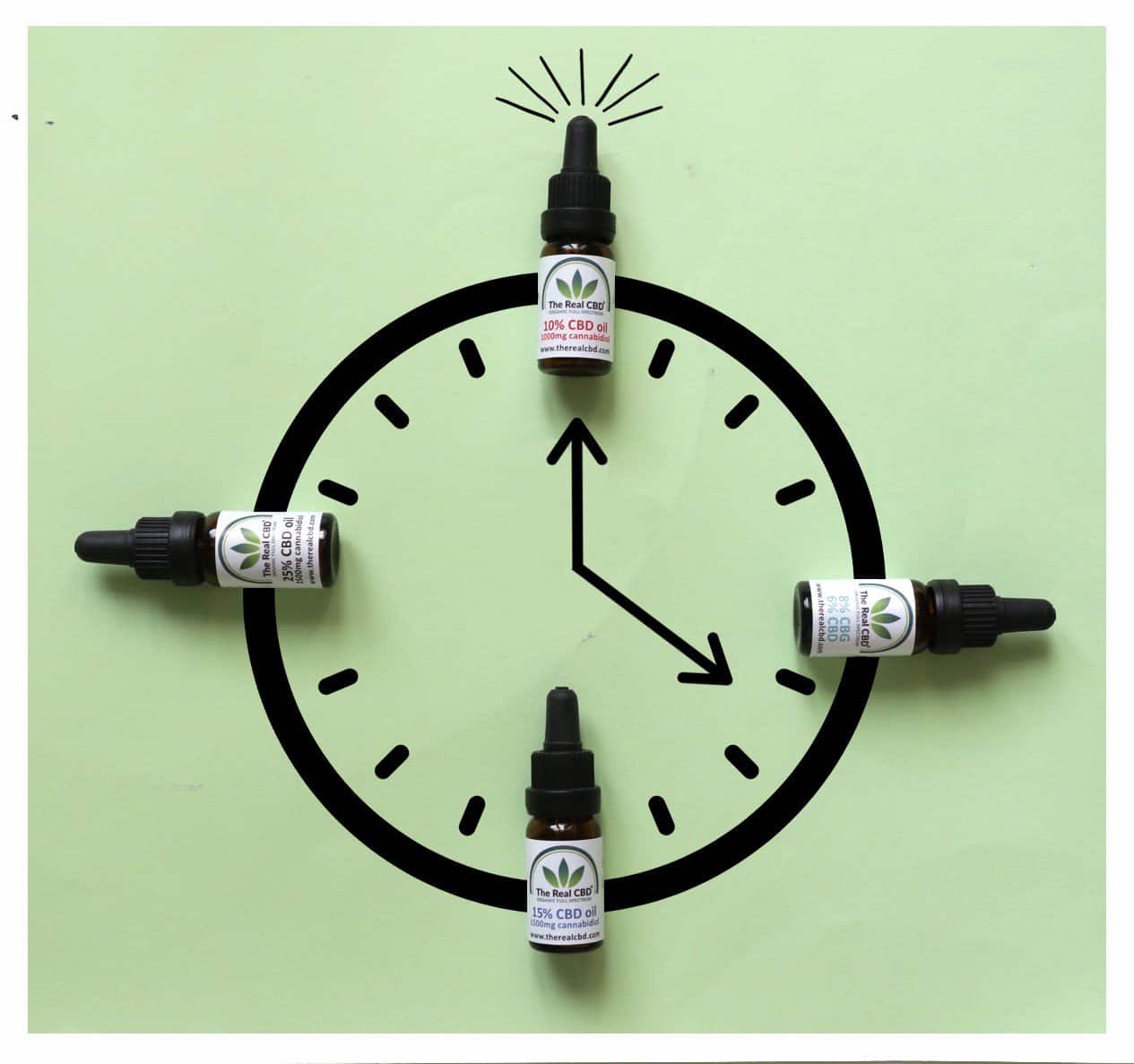
10. The Best Time to Take CBD and Antihistamines
- Sedating antihistamines – Take at night, with CBD either at the same time or earlier in the evening
- Non-drowsy antihistamines – Can be taken anytime, but many prefer CBD in the evening for relaxation
Tips for First-Time Users
- Try them together on a quiet day without big plans
- Keep a simple symptom tracker for a week
- Stay hydrated
- Avoid alcohol, as it can add to the sedative effect
What to Do if You Experience Side Effects
If you feel overly tired, dizzy, or “off”:
- Skip your next CBD dose
- Check your antihistamine packaging for warnings
- Consult your doctor or pharmacist before continuing
11. Real-Life Experiences and Testimonials
Here’s what one customer shared:
“I use The Real CBD 25% Oil with my hay fever tablets. Not only do my allergy symptoms ease, but I’m calmer and sleeping better. It’s made allergy season much more bearable.”
Many report similar results—feeling less stressed, sleeping better, and managing allergy symptoms more effectively.
12. Final Thoughts on CBD and Antihistamines
Yes — you can usually take CBD and antihistamines together safely, especially if you use non-drowsy antihistamines like loratadine, cetirizine, or fexofenadine. Both work differently: antihistamines block histamine to reduce allergy symptoms, while CBD may help calm inflammation, support immune balance, and improve overall wellbeing.
The main thing to watch for is increased drowsiness if you combine CBD with sedating antihistamines such as diphenhydramine. Always start with a low CBD dose, see how your body responds, and stick with high-quality products like The Real CBD 25% CBD Oil for consistent results.
CBD and antihistamines can work well together for many people. The key is choosing the right antihistamine type, starting with a low CBD dose, and opting for a high-quality product like The Real CBD 25% CBD Oil.
Every person is different—so listen to your body, monitor your response, and enjoy the benefits of a more balanced, comfortable allergy season.
13. FAQs
Yes. CBD and antihistamines can be taken together, but sedating antihistamines may increase drowsiness when combined with CBD.
No. CBD does not block histamine, but it may help reduce inflammation and calm overactive immune responses linked to allergies.
Not directly. CBD works differently, but it may complement antihistamines in managing allergy-related discomfort.
It’s potent, so beginners should start with just one drop and gradually adjust their dose to suit their needs.
No. CBD can support allergy management but should not replace antihistamines prescribed or recommended for blocking histamine.
The Real CBD and Antihistamine


I am a certified expert in Medicinal Cannabis. We are all about giving correct and trustworthy information. We know how important it is to learn about CBD and cannabis, which is why we want to be your go-to source for trustworthy information. We help you improve your health by using our knowledge and experience as a starting point.














Leave a Reply
Want to join the discussion?Feel free to contribute!