
Can CBD Help Macular Degeneration?
CBd for macular degeneration….Have you ever stared at the center of a beautiful photograph only to find it mysteriously blurred or distorted? This frustrating experience mirrors what millions of people with macular degeneration face every day. As our population ages, more and more individuals are confronting this challenging eye condition that impacts central vision and quality of life. While traditional treatments exist, many patients are turning to alternative options like CBD (cannabidiol) to potentially complement their care regimen.
This comprehensive guide will walk you through everything you need to know about macular degeneration, how CBD might influence this condition, and practical strategies for maintaining independence and quality of life despite vision challenges. We’ll separate fact from fiction while providing you with actionable information to discuss with your healthcare provider.
Temps de lecture estimé : 16 minutes
- Understanding Macular Degeneration
- Traditional Treatments for Macular Degeneration
- Can CBD Oil Help Macular Degeneration?
- The key properties of CBD that may benefit eye health include:
- How CBD Might Help Macular Degeneration
- Selecting the Right CBD Products
- CBD Administration Methods for Eye Health
- Effets secondaires potentiels du CBD
- What patients can expect in coming years:
- Conclusion
- FAQ – CBD for macular degeneration
Understanding Macular Degeneration
Macular degeneration, often referred to as age-related macular degeneration (AMD), represents the leading cause of severe vision loss in people over 60 in developed countries. Think of your retina as a sophisticated camera film at the back of your eye. The macula is the central, most sensitive part of this “film” that allows you to see fine details, recognize faces, read, drive, and perform countless daily tasks.
When the macula begins to deteriorate, your central vision—the part you use to look straight ahead—becomes compromised. Imagine trying to see through a foggy windshield, or having a persistent smudge in the center of your glasses that you can’t wipe away. That’s the frustrating reality for many AMD patients.
There are two primary types of macular degeneration:
- Dry AMD (atrophic): This is the most common form, accounting for approximately 85-90% of cases. It involves the gradual thinning of the macula and the accumulation of small yellow deposits called drusen beneath the retina. The progression is typically slow, occurring over years.
- Wet AMD (neovascular): Though less common (10-15% of cases), this form progresses more rapidly and can cause more severe vision loss. It occurs when abnormal blood vessels grow beneath the retina, leaking fluid and blood, which damages the macula.
The exact cause of macular degeneration remains incompletely understood, but several risk factors have been identified, including:
- L'âge: The risk increases dramatically after age 50
- Génétique: Family history plays a significant role
- Fumer: Doubles the risk of AMD
- Race: More common in Caucasians
- Maladies cardiovasculaires: Associated with higher risk
- Obesity and inactivity: Contribute to increased risk
- Hypertension artérielle et cholestérol: Associated with development of AMD
Understanding these basics creates a foundation for exploring how CBD might interact with this condition and its underlying mechanisms.
Common Symptoms and Their Impact
Macular degeneration often begins subtly, with many patients not noticing changes until the condition has progressed significantly. Early detection is crucial for preserving vision, making it important to recognize the warning signs.
Key symptoms patients commonly experience include:
- Visual distortions: Straight lines appearing wavy or bent
- Reduced central vision: Difficulty seeing objects directly in front of you
- Need for brighter light: Requiring additional illumination when reading or doing close work
- Difficulty adapting to low light levels: Challenges seeing in dimly lit environments
- Blurriness: Decreased sharpness of vision
- Color perception changes: Colors appearing less vibrant
- Difficulty recognizing faces: Trouble identifying familiar people
- A well-defined blurry or dark spot in central vision: This spot, called a scotoma, can grow larger over time
Traditional Treatments for Macular Degeneration
Before exploring CBD’s potential role, it’s important to understand the established treatment approaches for macular degeneration. Treatment options vary significantly depending on whether a patient has dry or wet AMD.
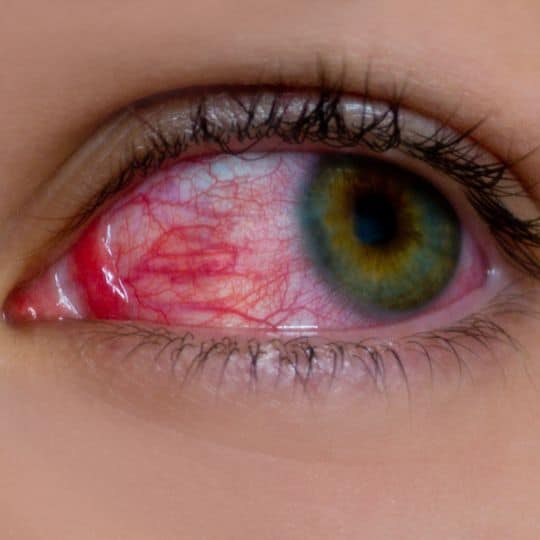
For dry AMD (the more common form):
- AREDS2 vitamin supplements: A specific formulation of vitamins and minerals (vitamins C and E, lutein, zeaxanthin, zinc, and copper) shown in large clinical trials to reduce the risk of progression in intermediate or advanced cases
- Modifications du mode de vie: Smoking cessation, dietary changes, exercise, and blood pressure management
- Regular monitoring: Tracking progression through frequent eye exams
For wet AMD (the less common but more severe form):
- Anti-VEGF injections: Medications like ranibizumab (Lucentis), aflibercept (Eylea), or bevacizumab (Avastin) injected directly into the eye to block vascular endothelial growth factor, reducing abnormal blood vessel growth
- Photodynamic therapy: A two-step treatment using a light-sensitive medication and laser to destroy abnormal blood vessels
- Laser chirurgie: Less commonly used now, but may destroy abnormal blood vessels in specific cases
Despite these options, treatment outcomes vary widely between patients. Many with dry AMD have limited medical interventions available beyond monitoring and lifestyle changes. This treatment gap is one reason many patients explore complementary approaches like CBD.
It’s worth noting that while traditional treatments may slow progression, they rarely reverse existing damage. The chronic nature of AMD means that most patients will need ongoing care throughout their lives, creating a significant burden on both individuals and the healthcare system.
Can CBD Oil Help Macular Degeneration?

Here’s the big question. Peut Huile de CBD help macular degeneration? While CBD can’t reverse the condition, studies suggest it might help manage symptoms or slow progression thanks to its anti-inflammatory and antioxidant properties.
The cannabis plant contains several key components relevant to this discussion:
- Cannabinoïdes: The primary active compounds (CBD, THC, CBG, CBN, etc.)
- Terpènes: Aromatic compounds that may have their own therapeutic effects
- Flavonoids: Plant compounds with antioxidant properties
- Fatty acids: Including omega-3 and omega-6 acids
CBD works primarily by interacting with your le système endocannabinoïde de l'organisme (ECS), a complex cell-signaling network involved in maintaining homéostasie (balance) throughout your body. Think of the ECS as your body’s master regulatory system, helping to keep various functions in optimal working order—including potentially those related to eye health.
The human body produces its own endocannabinoids (anandamide and 2-AG) that bind to cannabinoid receptors throughout the body. These receptors—primarily CB1 (concentrated in the brain and central nerveux system) and CB2 (found mainly in immune cells and peripheral tissues)—are present in ocular tissues, including the retina.
This presence of cannabinoid receptors in eye tissue has sparked interest in CBD’s potential role in eye health conditions like macular degeneration. Researchers believe CBD may influence these receptors and other molecular targets to provide anti-inflammatory, antioxidant, and neuroprotective effects—all potentially beneficial for degenerative eye conditions.
Les produits à base de CBD se présentent sous différentes formes :
- Spectre complet: Contains all cannabinoids naturally found in the cannabis plant, including trace amounts of THC (usually less than 0.3%)
- Large spectre: Contains multiple cannabinoids but no THC
- Isolat de CBD: Pure CBD with no other cannabinoids
The legal status of CBD has evolved considerably in recent years. The 2018 Farm Bill legalized hemp-derived Produits CBD containing less than 0.3% THC at the federal level, though state laws vary significantly. Always check your local regulations before purchasing or using CBD products.
The key properties of CBD that may benefit eye health include:

- Effets anti-inflammatoires: Chronique l'inflammation plays a significant role in the development and progression of AMD. CBD has demonstrated potent anti-inflammatory properties in numerous studies, potentially reducing retinal inflammation through several pathways, including inhibition of pro-inflammatory cytokines.
- Propriétés antioxydantes: Oxydation stress damages retinal cells and contributes to AMD progression. CBD is a powerful antioxidant—some research suggests it’s more potent than vitamins C and E. These properties could potentially help neutralize free radicals that damage the macula.
- Effets neuroprotecteurs: CBD may help protect neurons from damage and degeneration, potentially preserving retinal cells affected by AMD. This neuroprotection could be especially relevant for the photoreceptor cells in the macula.
- Reduction of vascular hyperpermeability: In wet AMD, abnormal blood vessels leak fluid. CBD may help reduce this permeability, potentially stabilizing vessels.
- Modulation of immune response: CBD can influence système immunitaire activity, which might help regulate the abnormal immune responses associated with drusen formation in dry AMD.
CBD’s versatility stems from its ability to interact with multiple receptors and molecular targets beyond just cannabinoid receptors. These include:
- Récepteurs TRPV1: Involved in inflammation and douleur perception
- 5-HT1A receptors: Linked to anxiety, depression, and neuroprotection
- GPR55 receptors: Associated with inflammation and bone health
- PPAR-gamma receptors: Involved in metabolism and inflammation
This multi-target approach makes CBD particularly interesting as a potential complementary therapy for complex conditions like macular degeneration that involve multiple pathological processes.
How CBD Might Help Macular Degeneration
Based on available research and understanding of CBD’s mechanisms, several pathways might explain how CBD could potentially benefit macular degeneration patients:
For Dry AMD:
- Réduire l'inflammation: Chronic inflammation contributes significantly to drusen formation and retinal damage in dry AMD. Les propriétés anti-inflammatoires du CBD might help mitigate this process, potentially slowing disease progression.
- Combating oxidative stress: The retina is highly susceptible to oxidative damage due to its high oxygen consumption and exposure to light. CBD’s antioxidant properties could help neutralize free radicals that damage retinal cells.
- Preserving retinal neurons: CBD has demonstrated neuroprotective effects in various studies, potentially helping preserve the photoreceptor cells and retinal pigment epithelium (RPE) cells that deteriorate in AMD.
- Modulating autoimmune responses: Some research suggests AMD may have autoimmune components. CBD’s immunomodulatory effects might help regulate these responses.
For Wet AMD:
- Reducing abnormal blood vessel growth: Some studies suggest cannabinoids may influence vascular endothelial growth factor (VEGF), potentially complementing anti-VEGF treatments.
- Decreasing vascular leakage: CBD may help stabilize blood vessels and reduce permeability, potentially limiting fluid accumulation under the retina.
- Protecting against glutamate toxicity: Excessive glutamate (a neurotransmitter) can damage retinal neurons. CBD may help regulate glutamate levels and protect against this excitotoxicity.
It’s important to note that these potential benefits represent theoretical mechanisms based on CBD’s known properties and early research. They don’t guarantee clinical efficacy or suggest CBD should replace conventional treatments.
Symptom management is another area where CBD might offer benefits
- Reducing anxiety: The psychological impact of vision loss can lead to anxiety and depression. CBD’s anxiolytic properties might help patients cope with these challenges.
- Amélioration qualité du sommeil: Many patients with chronic conditions struggle with sleep disturbances. CBD may help promote better sleep, which supports overall health and potentially eye health.
- Gestion de la douleur: While AMD itself isn’t typically painful, some patients experience discomfort or maux de tête from eye strain. CBD’s analgesic properties might help address these symptoms.
While these potential benefits are promising, patients should maintain realistic expectations. CBD is unlikely to reverse existing damage or restore lost vision, but it might help slow progression and improve quality of life when used as part of a comprehensive approach to eye health.
En savoir plus sur le CBD
Selecting the Right CBD Products
With thousands of CBD products on the market, choosing the right option for potential eye health benefits can be overwhelming. Here’s a practical guide to making informed decisions:

Types of CBD products to consider
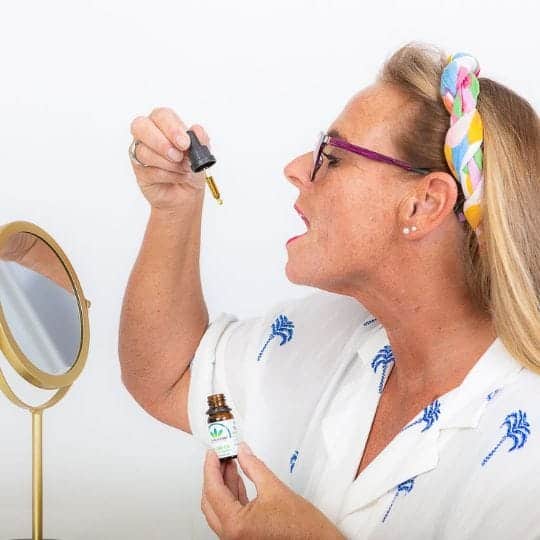
- Oral CBD oils/tinctures: Placed under the tongue for sublingual absorption, these provide good bioavailability and systemic effects that can reach ocular tissues.
- Capsules de CBD: Offer precise dosing and convenience but may have lower bioavailability due to first-pass metabolism in the liver.
- Boissons comestibles à base de CBD: Similar to capsules but often with lower and less consistent CBD content.
- CBD topique: Limited evidence suggests certain eye-specific formulations might deliver CBD to ocular tissues, though research is preliminary.
Quality factors to evaluate
- Tests effectués par des tiers: Reputable manufacturers provide certificates of analysis (COAs) from independent laboratories verifying CBD content and screening for contaminants.
- Méthode d'extraction: CO2 extraction is generally considered the gold standard, producing pure products without harmful solvent residues.
- Sourcing transparency: Companies should disclose where and how their hemp is grown. Organic, U.S.-grown hemp typically meets higher quality standards.
- Full ingredients list: Avoid products with unnecessary additives, artificial colors, or potentially harmful preservatives.
- Reputation and reviews: Research company history, customer feedback, and whether they’ve received warning letters from the FDA.
Red flags to watch for:
- Exaggerated health claims (particularly claims to “cure” or “reverse” macular degeneration)
- Significantly lower prices than market average (quality CBD is expensive to produce)
- No batch testing or quality verification
- Vague labeling or missing information about CBD content
- Products marketed specifically as “eye drops” containing CBD (these pose risks and lack sufficient safety data)
CBD Administration Methods for Eye Health
When considering CBD for potential eye health benefits, the method of administration matters significantly. Different approaches offer varying bioavailability (the proportion of CBD that enters circulation) and may target different mechanisms.
Systemic administration options:
- Sublingual tinctures: Placed under the tongue for 60-90 seconds before swallowing
- Pour: Relatively high bioavailability (20-30%), faster onset than oral methods, bypasses partial first-pass metabolism
- Cons: Taste may be unpleasant, requires holding oil under tongue, effects may last shorter than oral methods
- Typical starting dose: 10-25mg CBD quotidien
- Oral capsules/edibles: Swallowed and processed through digestion
- Pour: Convenient, precise dosing, longer-lasting effects (6-8 hours)
- Cons: Lower bioavailability (10-20%), slower onset (1-2 hours), significant first-pass metabolism
- Typical starting dose: 15-30mg CBD daily
- Vaporization: Inhaling vaporized CBD
- Pour: Highest bioavailability (up to 50%), fastest onset (minutes)
- Cons: Shortest duration, potential respiratory concerns, difficult to dose precisely
- Note: Generally not recommended for elderly patients or those with respiratory conditions
Local application considerations
While topical CBD eye products exist (including eye drops and creams), significant concerns surround their use:
- Limited research on safety for direct ocular application
- Risk of contamination and infection
- Potential for corneal irritation
- Uncertain penetration to retinal tissues
- Regulatory concerns (most ophthalmologists advise against putting non-approved substances in eyes)
Dosing guidelines
CBD dosing lacks standardization, especially for eye conditions. A conservative approach includes:
- Starting with a low dose (10-15mg daily)
- Gradually increasing by 5-10mg weekly if needed
- Maintaining a consistent schedule to evaluate effects
- Keeping a journal to track any changes in symptoms or side effects
- Finding your “minimum effective dose” to minimize potential side effects
Important considerations
- Bioavailability variations: Individual factors like metabolism, body weight, and food intake affect Quelle quantité de CBD ? reaches your bloodstream
- Delayed effects: Benefits for chronic conditions may take weeks to become noticeable
- Biphasic effects: CBD sometimes shows different effects at low versus high doses
- Consistency matters: Using CBD regularly may be more effective than occasional use
Always consult healthcare providers before starting CBD, especially if you’re taking medications for AMD or other conditions. This is particularly important because CBD can interact with many common medications by affecting liver enzymes that metabolize drugs.
Effets secondaires potentiels du CBD
- Bouche sèche
- Drowsiness or fatigue
- Diarrhea or digestive upset
- Changements d'appétit
- Potential changes in intraocular pressure (particularly relevant for patients with both glaucome and AMD)
- Temporary light sensitivity in some users
More about CBD side effects here
What patients can expect in coming years:
The field of cannabinoid medicine is evolving rapidly, with several developments likely in the next 3-5 years:
- Completion of several ongoing clinical trials specifically addressing AMD
- Better understanding of optimal dosing and formulations
- More physician education about cannabinoids for eye conditions
- Potential development of specialized ocular CBD delivery methods
- Clearer guidelines from ophthalmological associations
While we shouldn’t expect miracle breakthroughs, incremental advances could eventually establish CBD’s proper role in comprehensive eye care. Patients who wish to stay informed can follow updates from research institutions like the National Eye Institute or patient advocacy groups like the Macular Degeneration Association.
Conclusion
Living with macular degeneration presents significant challenges, but expanding knowledge and emerging options like CBD offer new avenues to explore. As we’ve seen throughout this comprehensive guide, CBD shows theoretical promise for supporting eye health through its anti-inflammatory, antioxidant, and neuroprotective properties. However, research specifically targeting macular degeneration remains in early stages.
For patients considering CBD, a balanced approach is essential. This means viewing CBD as a potential complementary tool rather than a replacement for established medical care. It also means selecting high-quality products, starting with conservative dosing, and maintaining regular communication with healthcare providers about all aspects of your eye care regimen.
The most effective strategy for managing macular degeneration likely combines multiple approaches:
- Consistent medical care and monitoring
- Evidence-based nutritional support
- Appropriate lifestyle modifications
- Practical adaptations for daily living
- Consideration of complementary options like CBD when appropriate
Remember that each person’s experience with AMD is unique. What works well for one individual may not be ideal for another, making personalized care approaches essential. While we await more definitive research on CBD for macular degeneration, patients can take an active role in their eye health through informed decision-making and open communication with their healthcare team.
The future holds promise for better understanding and managing macular degeneration. By staying informed about emerging research while maintaining realistic expectations, patients can navigate this challenging condition with greater confidence and hope.
FAQ – CBD for macular degeneration
No, current evidence doesn’t suggest CBD can cure or reverse existing damage from macular degeneration. Its potential benefits appear more related to possibly slowing progression through anti-inflammatory and neuroprotective properties. CBD should be viewed as a complementary approach rather than a cure.
Unlike medications that may work quickly, CBD’s potential benefits for chronic conditions like macular degeneration would likely develop gradually over weeks or months of consistent use. Acute effects like reduced anxiety may occur sooner, but retinal protection would be a longer-term process if it occurs. Patience and consistent use are important when evaluating any potential benefits
Absolutely. Always disclose CBD use to all healthcare providers, including your ophthalmologist. CBD can interact with certain medications and may influence how your doctor interprets your symptoms or test results. Most doctors appreciate honest communication, even about complementary approaches they might not personally recommend.
CBD eye drops are not recommended for macular degeneration. Few such products have undergone rigorous safety testing, and concerns exist about potential contamination, irritation, and uncertain delivery to retinal tissues. Additionally, the FDA has not approved any CBD-containing eye drops. Oral or sublingual CBD products are generally considered safer options if you’re exploring Le CBD pour la santé des yeux.
AREDS supplements have substantial clinical evidence supporting their use for certain stages of AMD, demonstrated through large randomized controlled trials. CBD lacks this level of evidence specifically for AMD. Many patients with intermediate or advanced AMD who explore CBD continue taking their AREDS supplements as recommended by their doctor, viewing CBD as a complementary approach rather than a replacement. Always consult your healthcare provider before combining supplements.

Je suis un expert certifié en Cannabis médicinal. Nous nous efforçons de fournir des informations correctes et fiables. Nous savons à quel point il est important de s'informer sur le CBD et le cannabis, c'est pourquoi nous voulons être votre source d'information privilégiée pour digne de confiance l'information. Nous vous aidons à améliorer votre santé en utilisant nos connaissances et notre expérience comme point de départ.













Laisser un commentaire
Rejoindre la discussion?N’hésitez pas à contribuer !