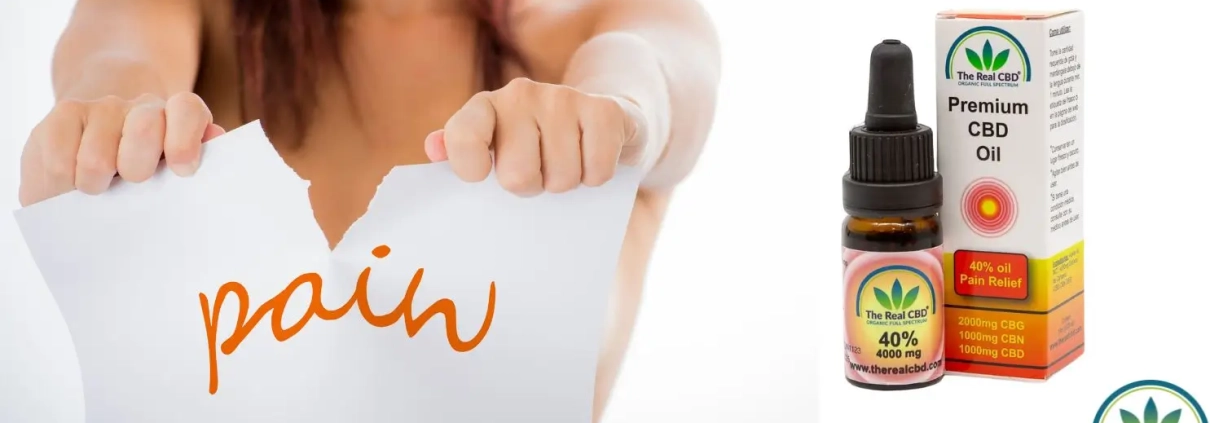
CBD for Pain – Frequently Asked Questions
Living with pain – whether it’s from an injury, a chronic condition, or just the wear and tear of everyday life – can really take a toll on your wellbeing. More and more people are turning to CBD as a natural way to manage pain without relying on heavy medication. From easing joint stiffness and muscle aches to helping with nerve pain and inflammation, CBD has shown promise as a gentle, plant-based alternative.
In this FAQ, we’ll answer the most common questions about using CBD for pain relief, so you can better understand how it works and whether it might be the right choice for you.
CBD interacts with your body’s endocannabinoid system, which helps regulate pain and inflammation. It can calm overactive pain signals and promote a more balanced response, especially with long-term conditions.
Full-spectrum CBD is often considered the most effective for chronic pain, thanks to the “entourage effect” – where cannabinoids and terpenes work better together. Oils, capsules, or gummies are great for daily use.
Yes, CBD has well-known anti-inflammatory properties. It works by calming the body’s immune response, which is often the root cause of ongoing pain in conditions like arthritis or injuries.
In most cases, yes. Full-spectrum CBD includes multiple cannabinoids and plant compounds that enhance pain-relieving effects. It’s closer to how nature intended the plant to be used.
There’s no one-size-fits-all dose, but many people start with 10–20mg per day and increase gradually. It’s best to start low and adjust based on how your body responds.
For some people, CBD reduces their reliance on over-the-counter or even prescription painkillers. However, don’t stop any medication without chatting with your doctor or pharmacist first.
EXTRA: How to speak to your doctor about CBD
CBD oil works from the inside, while CBD cream targets pain from the outside. Oils are great for general or internal pain, and creams work best for local issues like sore joints or muscles.
Many people with arthritis report less stiffness and discomfort with regular CBD use, especially when combining topical creams with CBD oil or capsules.
CBD may help soothe nerve pain by calming the nervous system. It’s been shown to be useful for conditions like sciatica, fibromyalgia, and diabetic neuropathy.
This varies depending on the product type. Oils taken under the tongue may work within 20–30 minutes. Capsules and gummies take longer, while creams may provide quick local relief.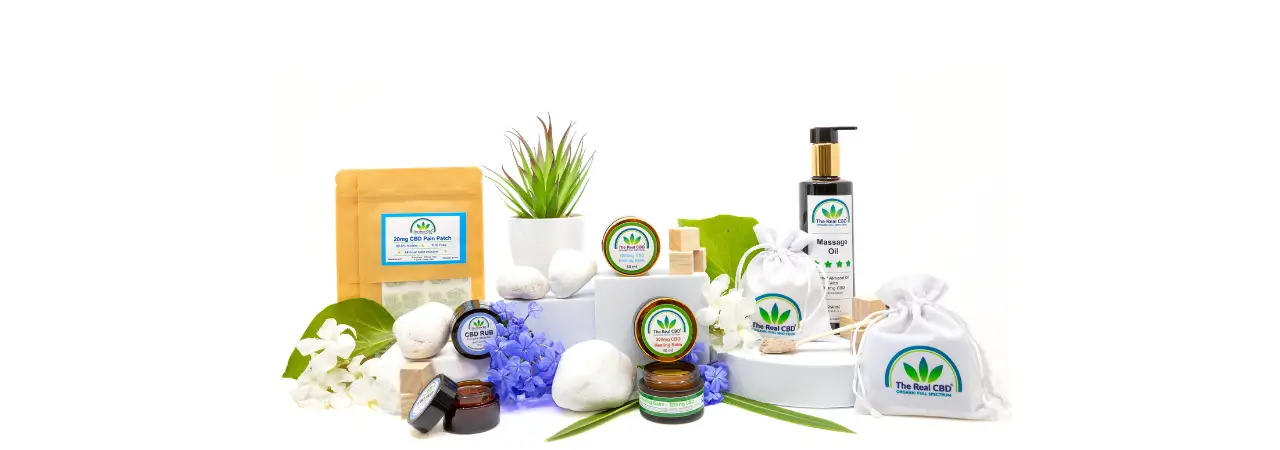
Absolutely. Consistent use is key to seeing results. Many people take a daily dose of CBD oil and apply cream to target specific areas.
Most people tolerate CBD well. Side effects, if any, are mild and may include drowsiness, dry mouth, or digestive upset – usually linked to taking too much too soon.
CBD can interact with some medications, especially blood thinners. It’s always best to check with your GP or pharmacist if you’re on regular meds.
This depends on your pain levels. Morning for daytime stiffness, evening for overnight relief, or both for round-the-clock support. Consistency matters more than the exact time.
Read more: What is the best time of the day to take CBD
CBD may help ease inflammation and pain during recovery. It’s a gentle option, but make sure to run it by your doctor, especially post-surgery.
Yes – rub it into sore spots after workouts or long days. The local action can bring quick relief to tired muscles or overworked joints.
CBD supports this natural system, which helps balance pain, mood, sleep, and more. It doesn’t block pain like harsh meds, but helps your body manage it better.
Many users say CBD helps lessen the severity or frequency of migraines. It may reduce inflammation and relax tension, which can be migraine triggers.
Not at all. CBD is non-addictive and doesn’t create a “high” or dependency. It’s a natural option that works with your body instead of against it.
Isolate is pure CBD, while full-spectrum includes a range of cannabinoids and plant compounds. Full-spectrum tends to offer stronger relief, thanks to the synergy between ingredients.
Yes – sublingual CBD oil (under the tongue) absorbs quickly into the bloodstream. Vapes are faster but less popular in wellness settings.
Definitely. Many athletes use CBD to reduce inflammation, ease sore muscles, and recover faster. Just make sure your product is THC-free if you’re tested.
Organic CBD is cleaner and free from pesticides, which is especially important for long-term use. It may not be more “potent,” but it’s definitely better for your body.
Some feel a difference in days, others take a few weeks. CBD works best when used consistently, like a supplement, rather than a one-off fix.
Many people with fibromyalgia report relief with CBD. It can help manage widespread pain, improve sleep, and reduce flare-ups – without harsh side effects.
More FAQs
If you have more general questions about CBD, head over to our main FAQ page and see if you find your answers there. In case you have a more specific question, maybe related to your ailment or something else, feel free to reach out to one of our cannabis experts, and they will help you.
You can also have a look in one of our specified articles. We have 500+ articles available and can guarantee you that you will find what you are looking for.
More specific FAQ
The Real CBD products for pain