
Daily CBD use: Benefits of Regular Cannabidiol Use

In recent years, CBD (cannabidiol) has surged in popularity, with many people incorporating it into their daily wellness routines. From oils and tinctures to gummies and topical creams, CBD products are now widely available and touted for various potential health benefits. But what exactly is CBD, and why are so many people choosing to use it regularly? In this comprehensive guide, we’ll explore the world of CBD, its potential effects on inflammation and overall health, and the different types and delivery methods available.
Estimated reading time: 11 Minuten
- Understanding CBD
- CBD and Inflammation
- How inflammation affects our health.
- Inflammation and Cancer
- Inflammation and Aging
- Inflammation and Metabolic Health
- Inflammation and Mental Health
- Inflammation and Autoimmune Disorders
- Potential Benefits of Daily CBD Use:
- Types of Daily CBD Products:
- Daily CBD Spectrum Types
- Daily CBD Delivery Methods and Bioavailability:
- Daily CBD Dosing:
- Conclusion – Daily CBD
- FAQ – Daily CBD
Understanding CBD
CBD is one of over 100 cannabinoids found in the cannabis plant. Unlike its more famous cousin THC (tetrahydrocannabinol), CBD does not produce psychoactive effects or the “high” associated with marijuana use. Instead, CBD interacts with the body’s endocannabinoid system, a complex network of receptors and neurotransmitters that helps regulate various physiological processes.
The Endocannabinoid System and CBD

The endocannabinoid system (ECS) plays a crucial role in maintaining homeostasis, or balance, within the body. It’s involved in regulating mood, sleep, appetite, pain sensation, and immune function, among other processes. CBD interacts with the ECS in ways that may help support its function and potentially offer various health benefits.
CBD and Inflammation
One of the most widely studied potential benefits of CBD is its anti-inflammatory properties. Inflammation is the body’s natural response to injury or infection, but chronic inflammation has been linked to numerous health issues. Some researchers suggest that chronic inflammation may play a role in conditions such as:
- Arthritis
- Heart disease
- Diabetes
- Cancer
- Alzheimer’s disease
- Autoimmune disorders
While more research is needed to fully understand CBD’s effects on inflammation, several studies have shown promising results. CBD may help reduce inflammation by:
- Inhibiting the production of pro-inflammatory cytokines
- Suppressing the activation of immune cells involved in inflammation
- Modulating the activity of certain receptors associated with inflammatory responses
It’s important to note that while these findings are encouraging, more large-scale human studies are needed to confirm CBD’s effectiveness in managing inflammation and related conditions.
How inflammation affects our health.
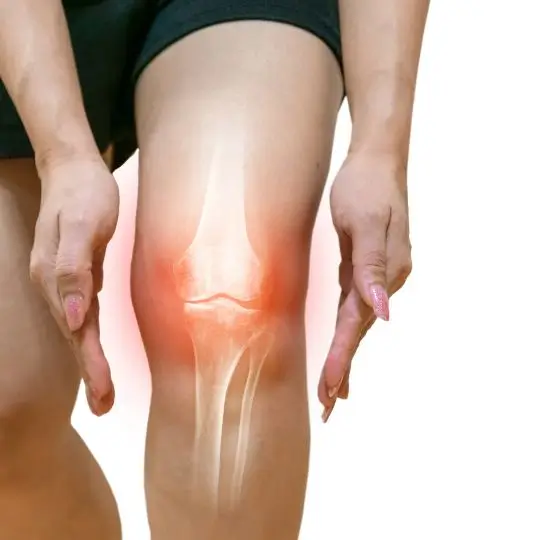
Inflammation is a complex biological response that plays a crucial role in our body’s defense mechanism. While it’s an essential part of the healing process, chronic inflammation can have wide-ranging and significant impacts on our overall health. Let’s delve into the details:
Acute vs. Chronic Inflammation:
Firstly, it’s important to distinguish between acute and chronic inflammation:
- Acute inflammation is a short-term response to injury or infection. It’s characterized by redness, swelling, heat, and pain. This type of inflammation is generally beneficial, helping the body heal and fight off pathogens.
- Chronic inflammation, on the other hand, is a long-term condition where the inflammatory response persists. This can occur due to autoimmune disorders, long-term exposure to irritants, or when the body is unable to eliminate the cause of acute inflammation.
Inflammation and Cancer
Chronic inflammation has been linked to various types of cancer:
- It can cause DNA damage and genomic instability
- Promotes cell proliferation and survival of damaged cells
- Stimulates angiogenesis (formation of new blood vessels), which can feed tumours
Inflammation and Aging
There’s a concept called “inflammaging,” which suggests that chronic, low-grade inflammation contributes to the aging process:
- It can accelerate cellular senescence
- Contributes to the breakdown of tissues and organs
- May play a role in age-related diseases
Inflammation and Metabolic Health

Chronic inflammation is closely tied to metabolic disorders:
- It’s a key feature of metabolic syndrome
- Contributes to insulin resistance and diabetes
- Plays a role in obesity, creating a vicious cycle where excess fat tissue produces inflammatory molecules
Inflammation and Mental Health
Emerging research suggests a link between inflammation and mental health:
- May contribute to depression and anxiety disorders
- Implicated in cognitive decline and memory issues
- Potentially involved in the development of schizophrenia
Inflammation and Autoimmune Disorders
In autoimmune conditions, the immune system mistakenly attacks healthy tissues, leading to chronic inflammation:
- Examples include rheumatoid arthritis, lupus, and multiple sclerosis
- These conditions can affect multiple organ systems and significantly impact quality of life
While acute inflammation is a necessary and beneficial process, chronic inflammation can have far-reaching negative effects on our health. It’s involved in the development and progression of numerous diseases and can impact every system in our body. Understanding inflammation and taking steps to manage it is crucial for maintaining overall health and preventing chronic diseases. As always, it’s important to work with healthcare professionals to address any specific health concerns related to inflammation.
Potential Benefits of Daily CBD Use:

While research is ongoing, some studies and anecdotal reports suggest that regular CBD use may offer several potential benefits:
- Pain Management: CBD’s anti-inflammatory properties may help alleviate chronic pain associated with conditions like arthritis, fibromyalgia, and neuropathy.
- Anxiety and Stress Reduction: Some users report feeling calmer and more relaxed with regular CBD use. Early research suggests CBD may have anxiolytic (anti-anxiety) properties.
- Improved Sleep: CBD may help regulate sleep patterns and improve sleep quality for some individuals.
- Skin Health: Topical CBD products may help manage acne, psoriasis, and other inflammatory skin conditions.
- Neuroprotection: Some studies suggest CBD may have neuroprotective properties, potentially benefiting those with neurological disorders.
- Heart Health: CBD’s anti-inflammatory and antioxidant properties may support cardiovascular health, though more research is needed.
- Digestive Health: CBD may help manage symptoms of digestive disorders like inflammatory bowel disease (IBD).
It’s crucial to emphasize that while these potential benefits are promising, more research is needed to fully understand CBD’s effects and appropriate dosing for specific conditions.
EXTRA: Find all the information you need to learn about CBD – Click here
Types of Daily CBD Products:
As CBD’s popularity has grown, so has the variety of available products. Here are some common types of CBD products:
CBD Oil and Tinctures:
- Typically taken sublingually (under the tongue)
- Fast-acting and easily absorbed
- Allow for precise dosing

Capsules and Softgels:
- Convenient and discreet
- Provide consistent dosing
- Effects may take longer to onset compared to oils
Edibles (e.g., gummies, chocolates):
- Tasty and easy to incorporate into daily routines
- Effects may be slower to onset but longer-lasting
- Dosing can be less precise
CBD Topicals (creams, balms, lotions):
- Applied directly to the skin for localized effects
- Useful for targeting specific areas of pain or inflammation
- May not enter the bloodstream significantly
Vapes:
- Fastest-acting method
- Effects may be shorter-lasting
- Potential respiratory risks should be considered
When choosing a CBD product, consider factors such as onset time, duration of effects, ease of use, and your specific health goals.
Daily CBD Spectrum Types

CBD products are often categorized based on their cannabinoid content:
Full-Spectrum CBD:
- Contains all naturally occurring cannabinoids from the hemp plant, including trace amounts of THC (less than 0.2%)
- May offer enhanced benefits due to the “entourage effect” – the synergistic interaction of multiple cannabinoids
Broad-Spectrum CBD:
- Contains multiple cannabinoids but has THC removed
- May still offer some entourage effect benefits without THC
CBD Isolate:
- Pure CBD with all other cannabinoids removed
- THC-free, but may not offer entourage effect benefits
The choice between these types depends on personal preferences, sensitivity to THC, and desired effects.
Daily CBD Delivery Methods and Bioavailability:
The method of CBD consumption can significantly impact its bioavailability – the amount of CBD that actually enters your bloodstream and produces effects. Here’s a comparison of common delivery methods:

Sublingual (under the tongue):
- Bioavailability: 13-19%
- Onset: 15-30 minutes
- Duration: 4-6 hours
Oral consumption (edibles, capsules):
- Bioavailability: 6-19%
- Onset: 30-90 minutes
- Duration: 6-8 hours
Inhalation (vaping):
- Bioavailability: 34-56%
- Onset: Almost immediate
- Duration: 2-4 hours
Topical application:
- Bioavailability: Varies (doesn’t typically enter bloodstream)
- Onset: 15-45 minutes
- Duration: 2-4 hours
Transdermal patches:
- Bioavailability: High (up to 50%)
- Onset: 1-2 hours
- Duration: Up to 48 hours
Understanding these differences can help you choose the most appropriate CBD product and delivery method for your needs.
Daily CBD Dosing:

There’s no one-size-fits-all dose for CBD, as factors like body weight, metabolism, and the condition being treated can all influence the optimal dosage. It’s generally recommended to start with a low dose and gradually increase until you achieve the desired effects. Keep a journal to track your dosage and any effects or side effects you experience.
Legal and Quality Considerations:
The legal status of CBD varies by country. In many places, CBD derived from hemp (containing less than 0.2% THC) is legal, while CBD derived from marijuana may be restricted. Always check local laws before purchasing or using CBD products.
When choosing Daily CBD products, look for those that:
- Are third-party tested for purity and potency
- Provide certificates of analysis (COAs)
- Use organic, non-GMO hemp
- Are transparent about their sourcing and manufacturing processes
Research and Future Directions:
While the potential benefits of CBD are exciting, it’s important to note that research is still in its early stages for many applications. Ongoing studies are exploring CBD’s effects on various health conditions, and future research may provide more definitive answers about its efficacy and optimal use.
Some areas of current research include:
- CBD’s potential role in managing epilepsy and other neurological disorders
- Its effects on anxiety and depression
- CBD’s impact on sleep disorders
- Its potential in cancer treatment and symptom management
- CBD’s role in addiction treatment and recovery
As research progresses, we may gain a clearer understanding of how CBD can be most effectively used to support health and wellness.
More about CBD
Conclusion – Daily CBD

CBD has emerged as a popular supplement with potential health benefits, particularly in managing inflammation and related conditions. While daily CBD use may offer various advantages, it’s essential to approach it with a balanced perspective. The current research, while promising, is still evolving, and CBD is not a panacea for all health issues.
If you’re considering incorporating CBD into your daily routine, it’s crucial to:
- Consult with a healthcare professional
- Start with low doses and increase gradually
- Choose high-quality products from reputable sources
- Be aware of potential side effects and drug interactions
- Stay informed about the latest research and legal status in your area
By taking a thoughtful, informed approach to CBD use, you can explore its potential benefits while prioritizing your overall health and well-being. Remember that CBD should complement, not replace, a healthy lifestyle that includes a balanced diet, regular exercise, stress management, and appropriate medical care.
As we continue to learn more about CBD and its effects on the body, it’s an exciting time to explore this natural compound’s potential. Whether you’re looking to manage specific health concerns or simply support your overall wellness, CBD may offer a valuable addition to your daily routine. However, always approach it as part of a holistic approach to health, and be sure to stay informed about the latest developments in CBD research and regulation.
FAQ – Daily CBD
Daily CBD use may help reduce inflammation by inhibiting pro-inflammatory cytokines, suppressing the activation of immune cells involved in inflammation, and modulating the activity of certain receptors associated with inflammatory responses. However, more research is needed to fully confirm its effectiveness.
Common CBD products for daily use include oils and tinctures (taken sublingually), capsules and softgels, edibles (like gummies), topicals (creams and balms), and vapes. Each type has different onset times, durations, and bioavailability levels, allowing users to choose based on their specific needs and preferences.
Full-spectrum CBD contains all naturally occurring cannabinoids from hemp, including trace amounts of THC (less than 0.2%). Broad-spectrum CBD contains multiple cannabinoids but has THC removed. CBD isolate is pure CBD with all other cannabinoids removed. The choice depends on personal preferences and desired effects.
There’s no one-size-fits-all CBD dosage. It’s generally recommended to start with a low dose and gradually increase until you achieve the desired effects. Factors like body weight, metabolism, and the condition being treated can influence the optimal dosage. Keeping a journal to track dosage and effects can be helpful in finding the right amount for you.
Best selling products
-
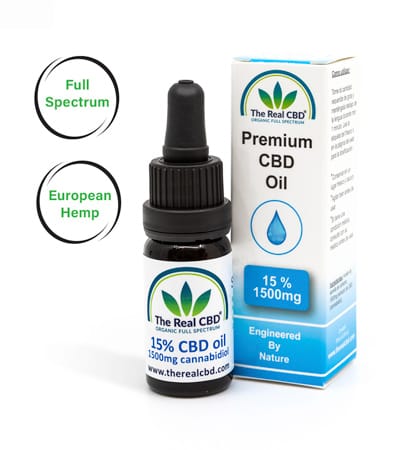
15% Pure CBD oil
€55.00 €65.00Preisspanne: €55.00 bis €65.00 -
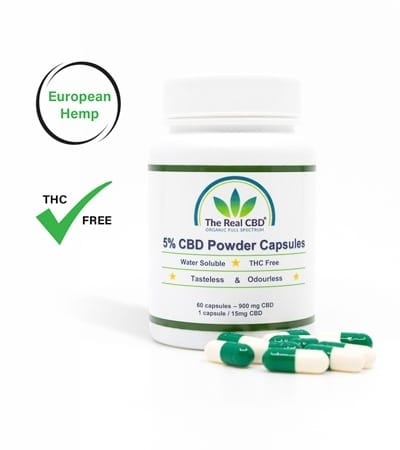
CBD Capsules – Water Soluble 5%
€55.00 -

5% Pure CBD oil
€22.00 -
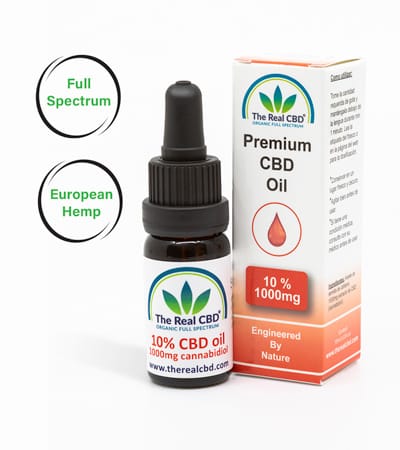
10% CBD oil
€45.00 -
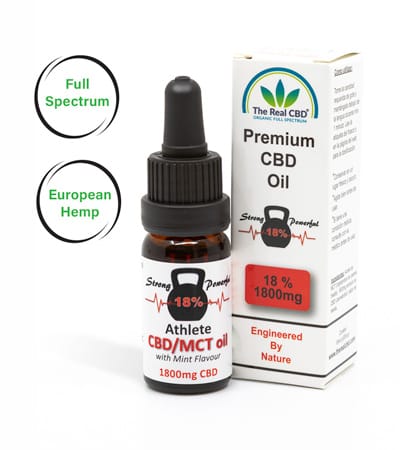
Athlete MCT/CBD oil 18%
€75.00

I am a certified expert in Medicinal Cannabis. We are all about giving correct and trustworthy information. We know how important it is to learn about CBD and cannabis, which is why we want to be your go-to source for trustworthy information. We help you improve your health by using our knowledge and experience as a starting point.













Leave a Reply
Want to join the discussion?Feel free to contribute!