
CBD Misconceptions – 15 Things People Get Wrong About CBD
CBD has become one of those topics everyone seems to have an opinion about. Some swear by it, some doubt it, and others still mix it up with things it’s absolutely not. It’s a bit like talking about coffee: everyone uses it differently, feels it differently, and argues about it differently. CBD has exploded into the mainstream, yet misunderstandings still swirl around it like fog around a lighthouse.
This article breaks down 15 common CBD misconceptions, explains them clearly, and helps you understand what CBD actually does. Whether you’re curious, sceptical, or already a fan, this guide clears the air so you can confidently decide what CBD means to you.
Estimated reading time: 8 Minuten
- 1. CBD Gets You High
- 2. All CBD Products Are the Same
- 3. CBD Works Instantly
- 4. CBD Is Only for Sick People
- 5. You Can Take Any Dose and Expect Results
- 6. CBD Has No Side Effects at All
- 7. CBD Works the Same for Everyone
- 8. CBD Oil and Hemp Oil Are the Same
- 9. More CBD Equals Better Results
- 10. CBD Is Illegal Everywhere
- 11. Only Oral CBD Works
- 12. Full-Spectrum CBD Is “Too Strong”
- 13. CBD Shows Up on Drug Tests
- 14. CBD Doesn’t Have Enough Research
- 15. CBD Is a Quick-Fix Solution
- Conclusion
- FAQs – CBD misconceptions
1. CBD Gets You High
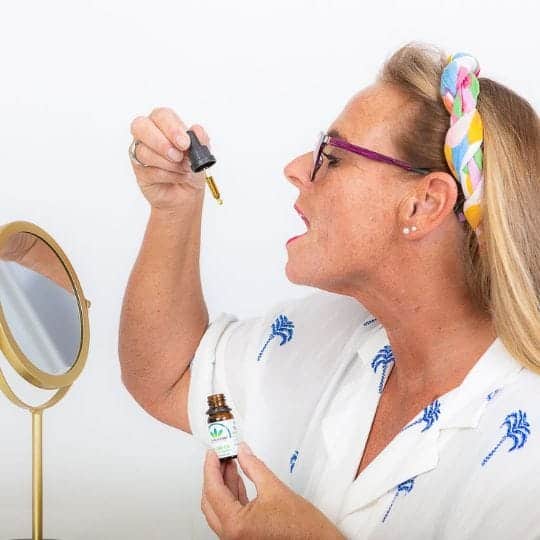
CBD is not the compound that creates a “high.” That effect comes from THC. CBD on its own doesn’t create mind-altering experiences. Many beginners assume CBD puts you in a daze or gives some sort of buzz. It doesn’t.
CBD interacts with your body very differently. Instead of changing your perception, it supports balance and calmness. Think of your body as a busy roundabout and CBD as a traffic officer keeping everything flowing smoothly without stopping the cars.
2. All CBD Products Are the Same
This is one of the biggest CBD misconception. CBD products vary wildly because they come from different extraction methods, plant qualities, cannabinoid profiles, and levels of purity.
Key differences:
- Full-spectrum contains multiple cannabinoids and terpenes.
- Broad-spectrum removes THC but keeps other plant compounds.
- Isolate is only CBD and nothing else.
Two products can have the same label but completely different effects depending on quality and formulation. The brand you pick matters more than people think.
3. CBD Works Instantly
Some people expect CBD to work like flipping a switch. A few drops, and poof, everything is fixed. Sadly, that’s not how it works.
CBD often builds up in your system gradually. Many feel subtle changes first, like better sleep, less tension, or clearer focus. For some, it takes days or weeks.
CBD is more like watering a plant: consistency pays off.
4. CBD Is Only for Sick People

Many believe CBD is only for people with pain, anxiety, or medical conditions. But lots of perfectly healthy people use CBD in their daily routines.
People take CBD to:
- sleep better
- relax
- recover after exercise
- support general wellness
- deal with stress
- improve focus
CBD can be part of daily self-care, not just a last-resort option.
5. You Can Take Any Dose and Expect Results
Your body’s response to CBD isn’t a one-size-fits-all situation. Some need small doses, others need more. Your height, weight, metabolism, and what you’re taking CBD for all influence the right amount.
Finding your ideal dose is more like adjusting the volume on a speaker instead of hitting a preset button. Beginners often start too high or too low and assume CBD doesn’t work.
Start low, increase slowly, and pay attention to how your body responds. Let’s take a look at CBD misconception no.6.
6. CBD Has No Side Effects at All

While CBD is considered safe, saying there are zero side effects is inaccurate.
Some people might experience:
- dry mouth
- mild drowsiness
- changes in appetite
- digestive discomfort
These are usually light and fade quickly. CBD is generally well tolerated, and major adverse effects are rare.
The key is using good-quality CBD and avoiding excessive doses.
7. CBD Works the Same for Everyone
Two people can take the same CBD product and have completely different experiences. That’s because everyone’s internal chemistry is unique.
Your lifestyle, stress levels, diet, sleep, and health conditions all shape how CBD works for you. The body’s endocannabinoid system is deeply personal.
Expecting identical results is like expecting everyone to enjoy the same food or react the same way to coffee. Bodies are beautifully unpredictable.
8. CBD Oil and Hemp Oil Are the Same
This mix-up is incredibly common.
- CBD oil: extracted from the flowers of the hemp plant.
- Hemp seed oil: made from pressing hemp seeds, contains no CBD.
Hemp seed oil is nutritious and great for cooking or skin care, but it won’t provide the wellness benefits associated with CBD.
Many buyers get confused when they see cheap “hemp oil” on store shelves and expect CBD-like effects.
Related Content
9. More CBD Equals Better Results
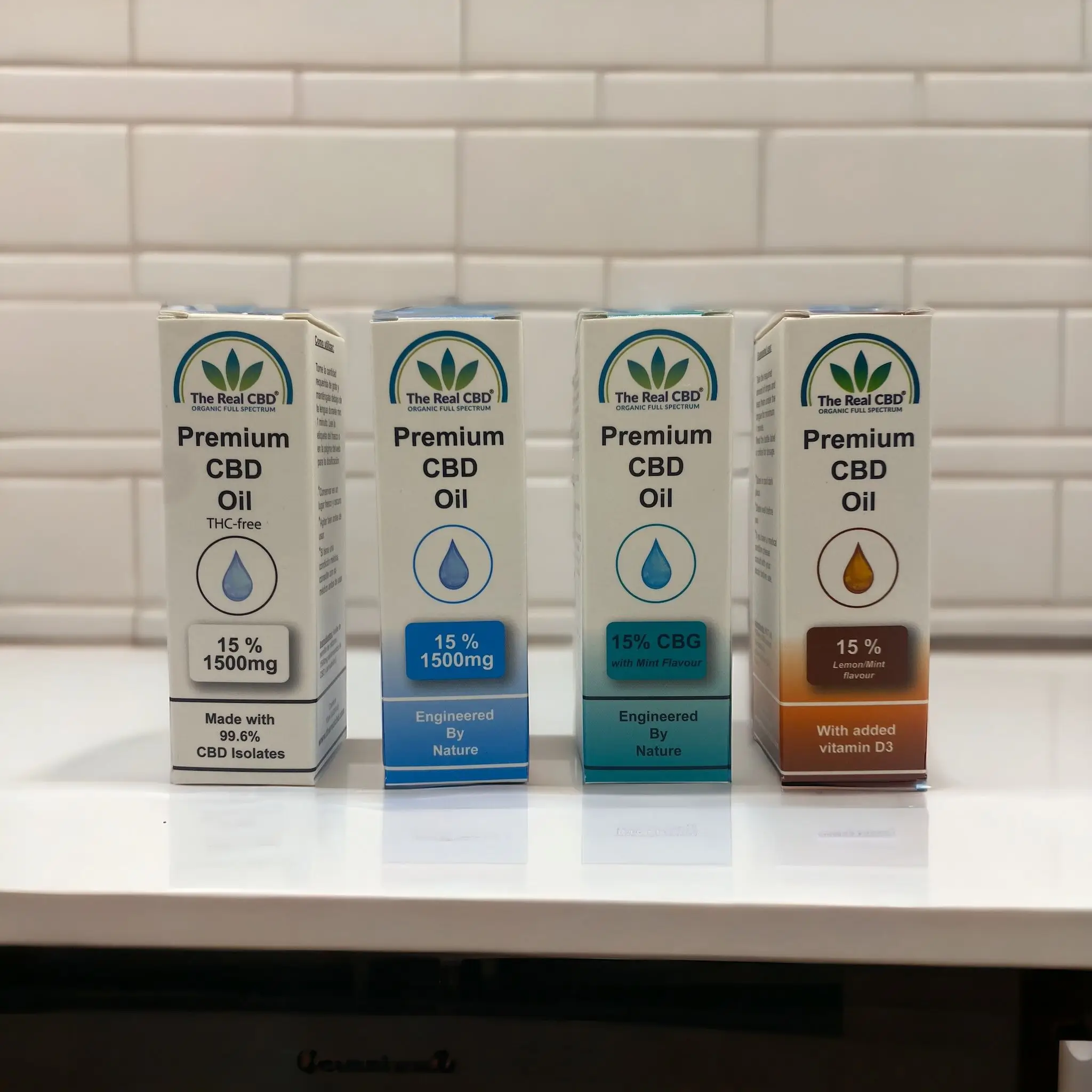
People often assume that doubling the dose means doubling the benefits. Not true.
CBD has a sweet spot. Too little might not be enough, and too much can reduce effectiveness for some. The body responds best when CBD supports balance, not overload.
Think of it like seasoning food: a little enhances the flavour, too much ruins it.
Continuing to CBD misconception no. 10.
10. CBD Is Illegal Everywhere
CBD laws used to be confusing, but today CBD is legally sold in many countries including the UK, most of Europe, and many states in the US.
Of course, every country has its own rules about THC levels, product types, and marketing claims. But the idea that CBD is universally illegal is outdated.
Always check your local regulations, but CBD is far more accepted today than many people realise.
11. Only Oral CBD Works
Some people think CBD oil or capsules are the only “real” ways to take CBD. That’s not true at all.
CBD also comes in forms like:
Topicals, for example, can be fantastic for targeted relief. The best form depends on your goal, not random rules.
12. Full-Spectrum CBD Is “Too Strong”

Full-spectrum CBD isn’t stronger; it’s simply more complete. It contains other natural compounds from the plant that work together in harmony. Many users find it more effective because the compounds support each other.
This idea that full-spectrum is overwhelming usually comes from the confusion with THC. Proper full-spectrum CBD contains only tiny legal amounts of THC that won’t produce a high.
13. CBD Shows Up on Drug Tests
CBD itself won’t cause a positive drug test. What can cause issues is poor-quality CBD containing more THC than stated on the label.
Good-quality, tested CBD products won’t lead to failed tests. Choosing reputable brands solves this problem entirely.
14. CBD Doesn’t Have Enough Research
CBD research is growing rapidly. We now have studies on anxiety, sleep, inflammation, epilepsy, and more. In fact, CBD even has an FSA-approved medication used for specific conditions.
Is research still evolving? Absolutely. But claiming there’s “no research” ignores the progress made.
Every year, more studies are published and more evidence emerges.
15. CBD Is a Quick-Fix Solution
Finally – CBD misconception no. 15….. CBD isn’t a magical button that instantly solves everything. It supports balance, calmness, sleep, recovery, and general wellness, but it works best when combined with a healthy lifestyle.
CBD doesn’t replace good sleep, hydration, exercise, or stress management. It enhances the foundation you build.
Conclusion
CBD is widely used, yet widely misunderstood. Myths often spread faster than facts, especially with something as popular as CBD. Understanding these 15 CBD misconceptions helps you make informed decisions, avoid scams, and get the most out of the experience.
CBD isn’t perfect, but it’s valuable, safe for most people, and far more versatile than many assume. When used correctly, it can become a helpful part of everyday wellbeing.
FAQs – CBD misconceptions
No. CBD doesn’t cause mind-altering effects. Only THC does that, and legal CBD products contain very low levels of THC.
It varies. Some feel effects within an hour, while for others it takes days or weeks. Consistency is key.
For most people, yes. Just start with a low dose and increase gradually if needed.
CBD itself won’t, but poorly made CBD with high THC might. Choose trusted brands to avoid this.
Many start with full-spectrum or broad-spectrum oils because they offer a good balance of benefits. Gummies are also popular for their convenience.

I am a certified expert in Medicinal Cannabis. We are all about giving correct and trustworthy information. We know how important it is to learn about CBD and cannabis, which is why we want to be your go-to source for trustworthy information. We help you improve your health by using our knowledge and experience as a starting point.












Leave a Reply
Want to join the discussion?Feel free to contribute!