
CBD for Vogt-Koyanagi-Harada Disease

CBD for Vogt-Koyanagi-Harada Disease. Vogt-Koyanagi-Harada (VKH) disease is a rare, complex autoimmune condition that can drastically affect a person’s vision, skin, and central nervous system. Living with VKH can feel like navigating a minefield of symptoms—blurry vision, headaches, sensitivity to light, and even hearing issues. It’s emotionally and physically draining.
In recent years, CBD (cannabidiol) has stepped into the spotlight as a natural compound with promising health benefits, especially in the world of autoimmune diseases and chronic inflammation. But can CBD really help people dealing with VKH?
This article explores the potential of CBD as a complementary approach to VKH. We’ll unpack how it works in the body, the science behind its use for autoimmune issues, how to choose a good product, and what people with VKH should know before trying it.
Estimated reading time: 13 Minuten
- Understanding Vogt-Koyanagi-Harada Disease
- What is CBD? Cannabidiol Explained
- Legality of CBD Worldwide and in the UK
- Endocannabinoid System and Autoimmune Diseases
- CBD’s Role in Modulating Autoimmune Disorders
- How CBD May Help VKH Patients
- Scientific Research and Evidence
- Choosing the Right CBD Product for VKH
- Safety, Side Effects, and Drug Interactions
- CBD and VKH Medications – Interaction Risks
- Who Should Avoid CBD?
- CBD Lifestyle Integration
- Final Thoughts
- 🧠 FAQ: CBD for Vogt-Koyanagi-Harada (VKH) Disease
- The Real CBD for Vogt-Koyanagi-Harada Disease
Understanding Vogt-Koyanagi-Harada Disease
Causes and Risk Factors of VKH

VKH is an autoimmune disease, which means your own immune system mistakenly attacks your body—in this case, the melanin-containing cells. These cells are found in the eyes, ears, skin, and brain lining. It’s still unclear why this happens, but genetics and environmental triggers likely play a role.
Some risk factors include:
- Genetic predisposition (more common in Asian, Middle Eastern, and Latin American populations)
- Viral infections that may trigger the immune response
- Family history of autoimmune diseases
Symptoms of VKH: A Closer Look
The symptoms of VKH can come in waves and vary by person, but typically include:
- Blurry vision or vision loss
- Eye pain and redness
- Sensitivity to light (photophobia)
- Hearing issues like tinnitus
- Skin discoloration (vitiligo)
- Headaches and brain fog
It’s not just a vision issue—VKH can impact your whole life, mentally and physically.
Diagnosis and Conventional Treatment Options
Doctors often use a mix of eye exams, blood tests, imaging (like MRI), and lumbar punctures to diagnose VKH. The usual treatment route includes:
- Corticosteroids (to reduce inflammation fast)
- Immunosuppressants (to keep the immune system in check)
- Pain management medications
But long-term steroid use can lead to a whole new set of problems, like weakened bones, mood swings, and immune suppression. That’s where natural support options like CBD come in.
What is CBD? Cannabidiol Explained
CBD, short for cannabidiol, is a naturally occurring compound found in the cannabis plant. Unlike its more famous cousin THC (tetrahydrocannabinol), CBD doesn’t get you high. Instead, it offers a calming, anti-inflammatory, and potentially healing effect on the body and mind.
It’s typically extracted from hemp—a cannabis variety that’s high in CBD and very low in THC (less than 0.2% in the UK). You’ll find it in oils, gummies, capsules, creams, and even bath bombs.
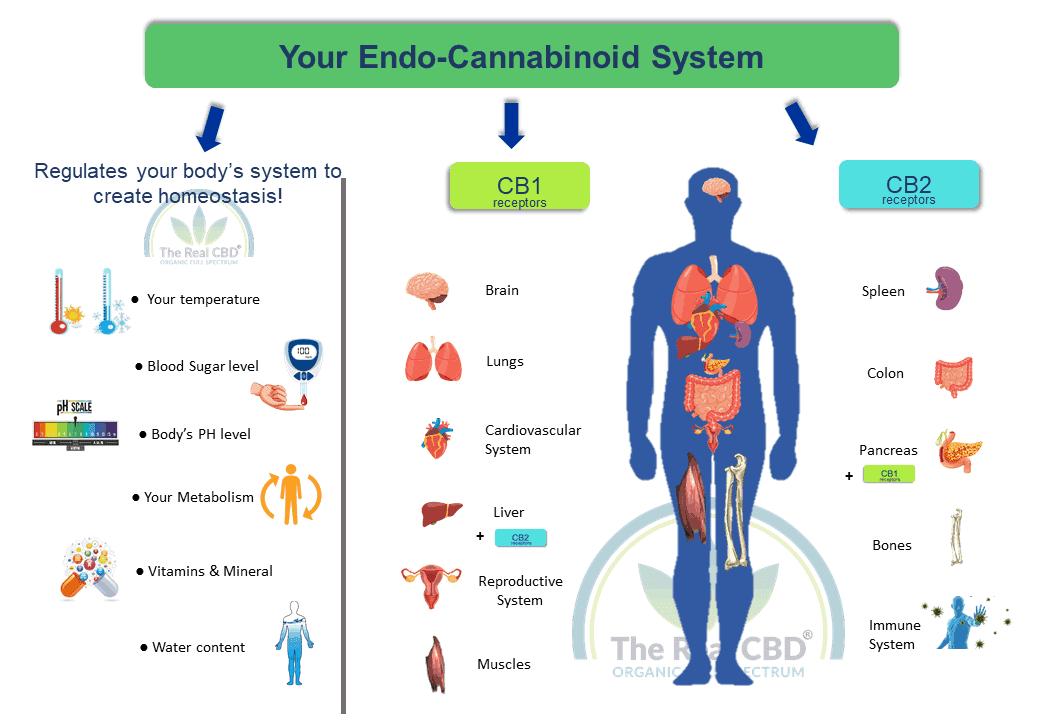
CBD interacts with your endocannabinoid system (ECS)—a network in the body that plays a major role in balancing functions like pain, sleep, immune response, and mood. That’s where its therapeutic magic starts.
Difference Between CBD and THC
Let’s make it simple:
| CBD | THC |
| Non-psychoactive (won’t get you high) | Psychoactive (causes a high) |
| Legal in many places including the UK | Highly regulated and mostly illegal in the UK |
| Used for inflammation, anxiety, pain, sleep | Used for pain and recreational purposes |
| Won’t affect mental clarity | Can impair cognition |
This difference matters when choosing a product. VKH patients often prefer CBD without THC, especially if they’re taking medications that already affect the nervous system.
Full-Spectrum vs Broad-Spectrum vs Isolate CBD

When shopping for CBD, you’ll see these three terms pop up:
- Full-Spectrum CBD: Contains all cannabinoids found in the plant, including trace THC. Often considered the most effective due to the “entourage effect” – all compounds working together.
- Broad-Spectrum CBD: Includes most cannabinoids but NO THC. A great middle ground.
- CBD Isolate: Pure CBD and nothing else. Good for those highly sensitive or new to CBD.
For VKH sufferers, broad-spectrum CBD is usually a safe and effective choice, offering the benefits of multiple cannabinoids without THC worries.
Legality of CBD Worldwide and in the UK
In the UK, CBD is completely legal—as long as it contains less than 0.2% THC and is sold as a food supplement, not a medicine. The same goes for most of Europe.
However, not all CBD products are created equal. Always check:
- If the brand provides third-party lab tests
- THC content is clearly labeled
- The product is registered under the Novel Food Regulation
Avoid anything that doesn’t show transparency—it’s your health, after all.
Rules and Regulations on buying CBD in Europe
Endocannabinoid System and Autoimmune Diseases

Introduction to the Endocannabinoid System (ECS)
The ECS is like your body’s built-in balancing system. It uses naturally produced chemicals called endocannabinoids to regulate pain, sleep, immunity, and mood.
CBD doesn’t directly bind to ECS receptors like THC does. Instead, it influences them—helping your body restore balance without overwhelming the system.
How the ECS Affects Immune Response
For autoimmune diseases like VKH, the immune system is overactive, attacking healthy tissue. The ECS plays a role in calming that response. Studies show it can:
- Reduce inflammation
- Suppress overactive immune cells
- Promote a healthier immune balance
CBD, by working through the ECS, may help modulate this over-response.
More about The Endocannabinoide system
CBD’s Role in Modulating Autoimmune Disorders
Several studies suggest that CBD could help slow down autoimmune attacks while reducing associated pain and stress. Conditions like multiple sclerosis, rheumatoid arthritis, and Crohn’s disease have all shown positive responses to CBD in early research.
That gives VKH patients a reason to consider it as supportive therapy, not a cure—but a potentially powerful helper.
How CBD May Help VKH Patients
Anti-Inflammatory Properties of CBD

VKH flares are marked by inflammation in the eyes, skin, and CNS. CBD’s natural anti-inflammatory powers could help reduce these flares. Think of it as a fire extinguisher for immune overactivity—cooling things down before they get out of hand.
CBD for Pain Management in VKH
Between eye pain, headaches, and nerve-related discomfort, VKH can be painful. CBD interacts with receptors involved in pain perception, potentially offering relief without the side effects of NSAIDs or opioids.
Effects on Neurological Symptoms
CBD has neuroprotective properties, which may help VKH patients experiencing neurological symptoms like tinnitus, dizziness, or even brain fog. It supports calm nerve function and helps reduce oxidative stress on brain cells.
Potential Vision Support and Eye Health Benefits
While CBD won’t fix vision loss, it may help:
- Lower ocular pressure
- Reduce inflammation in the retina
- Ease discomfort caused by photosensitivity
Early research in glaucoma patients suggests CBD could be beneficial for eye health—but caution is still warranted. Always monitor your symptoms closely and consult your specialist.
Managing Anxiety and Stress with CBD

Living with VKH is mentally tough. CBD is widely known for helping:
- Calm racing thoughts
- Ease chronic anxiety
- Reduce panic attacks
This is a huge plus for VKH patients struggling with the emotional side of autoimmune life.
Sleep Improvements for VKH Sufferers
Insomnia is a common side effect of autoimmune flares. CBD has shown great results in helping users:
- Fall asleep faster
- Stay asleep longer
- Wake up less groggy
CBD doesn’t knock you out like sleeping pills—it gently nudges your system into balance so sleep comes naturally.
Related Content
Scientific Research and Evidence
Existing Studies on CBD and Autoimmune Disorders

While research into CBD’s effects on Vogt-Koyanagi-Harada (VKH) disease specifically is limited, there’s growing evidence supporting its use in broader autoimmune conditions. Autoimmune diseases like rheumatoid arthritis, multiple sclerosis, and lupus have shown positive responses to CBD in various animal and early human studies.
For example:
- A 2020 review in Frontiers in Pharmacology concluded that CBD could be beneficial in reducing systemic inflammation and modulating immune activity, two hallmarks of VKH.
- In multiple sclerosis trials, CBD helped reduce muscle spasms, pain, and even fatigue—all symptoms that can overlap with VKH neurological effects.
While no study yet says “CBD cures autoimmune disease,” the evidence suggests it may help manage and reduce symptoms, which is exactly what VKH patients need day to day.
Choosing the Right CBD Product for VKH
CBD comes in many forms. Each offers unique advantages:
- CBD Oils/Tinctures: Fast absorption under the tongue, customizable dosing. Ideal for inflammation and systemic symptoms.
- CBD Capsules: Easy to take, no taste. Good for consistent, daily use.
- CBD Topicals: Creams and balms applied to the temples or neck for localized pain and tension relief.
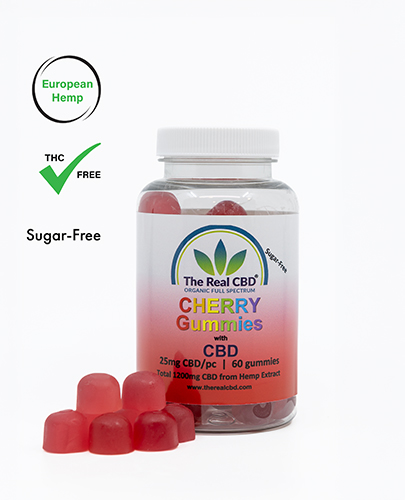
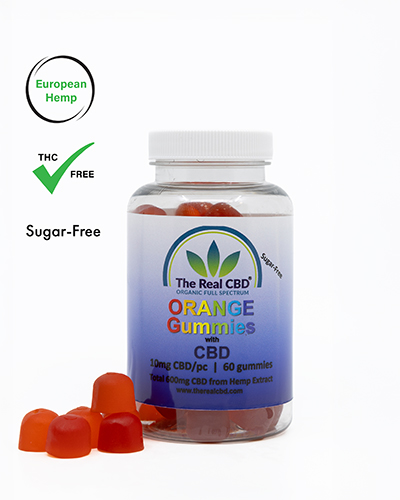
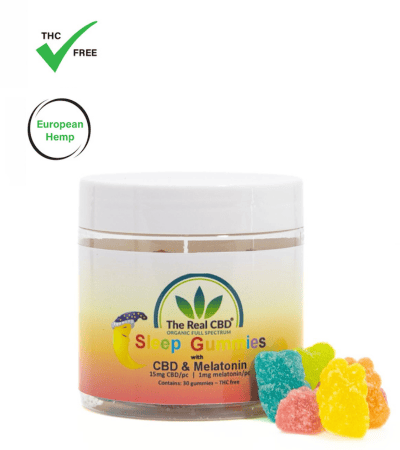
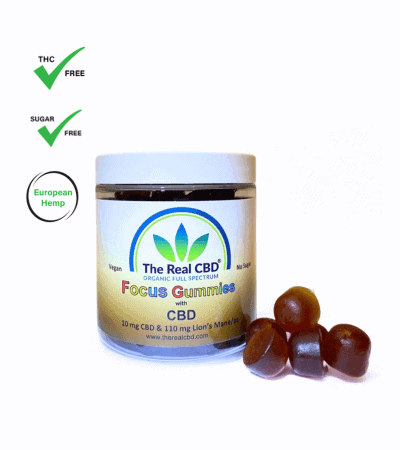
- CBD Gummies: Tasty and fun, though slower to act.
For VKH, a daily oil or capsule works best for full-body effects, and a topical can be added for headaches or neck stiffness.
How to Read CBD Labels and Lab Reports
Not all CBD is created equal. Here’s what to check:
- CBD Content (mg per dose)
- Type: Full-spectrum, broad-spectrum, or isolate
- THC Content (must be under 0.2% in the UK)
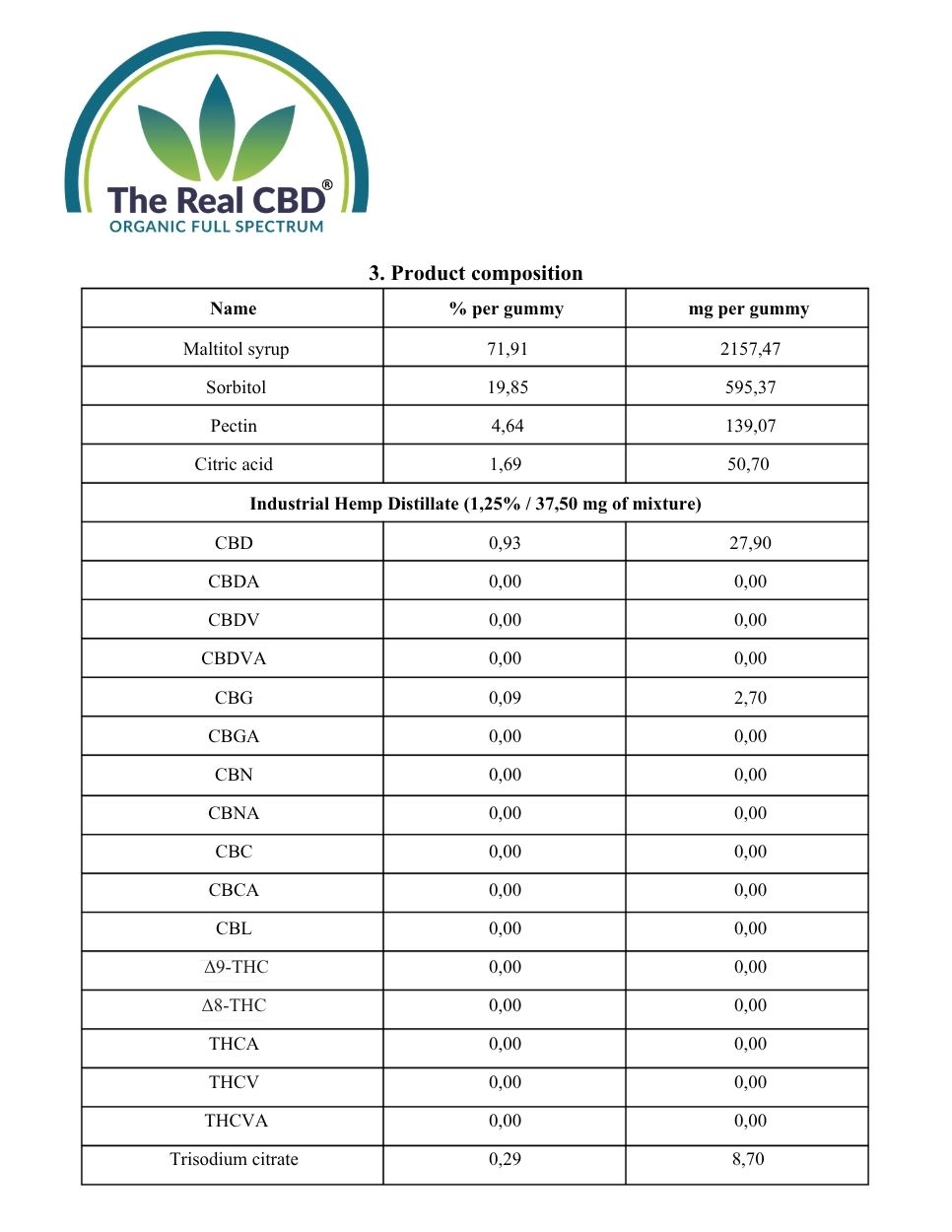
- Ingredients: Avoid artificial flavors or additives
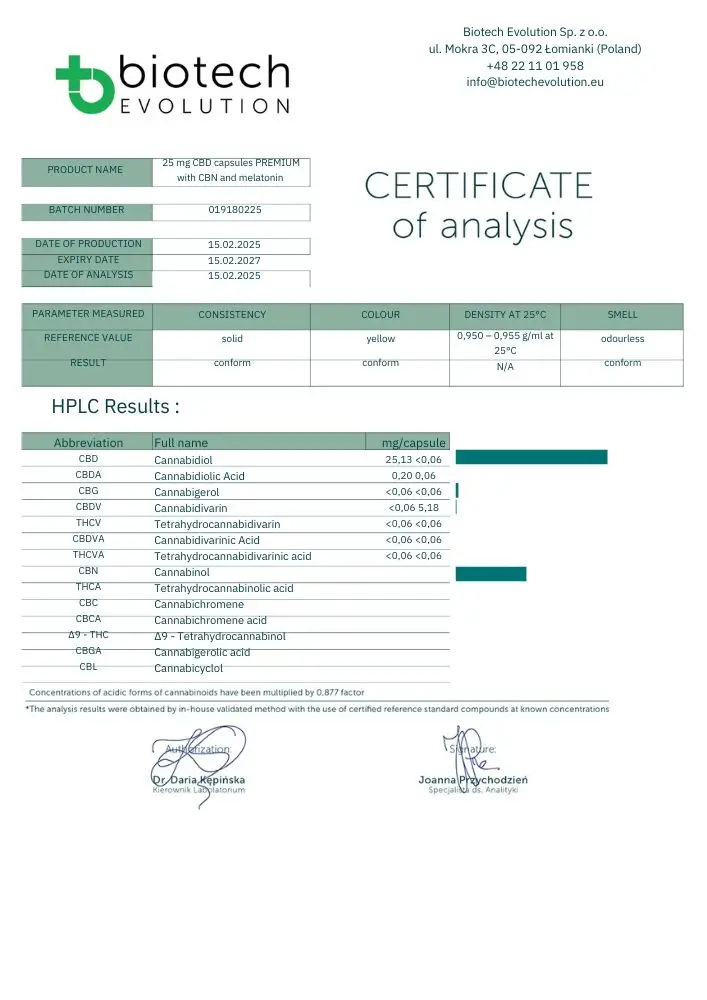
- Third-Party Lab Results: These verify the product is what it says it is and free from pesticides, heavy metals, and solvents
Look for brands that are transparent and share their lab tests openly.
Ideal Dosage Guidelines for VKH Patients
There’s no one-size-fits-all dose, but here’s a general starting point:
| Weight | Starting CBD (daily) |
| 40-70kg | 10-20mg |
| 70-100kg | 20-30mg |
| 100kg+ | 30-50mg |
Start low and go slow. Increase your dose every few days until you notice benefits. Keep a journal to track pain, sleep, mood, and flare-ups.
Organic and Clean CBD – What to Look For
CBD is a plant-based product, so how it’s grown matters. Look for:
- Organic certification
- CO2 extraction method (clean and safe)
- GMP (Good Manufacturing Practice) certification
- No GMOs or synthetic fillers
VKH patients are already sensitive—so the cleaner the product, the better.
Safety, Side Effects, and Drug Interactions

Common Side Effects of CBD
Most people tolerate CBD well, but possible side effects include:
- Dry mouth
- Drowsiness
- Lightheadedness
- Appetite changes
- Gastrointestinal discomfort
These usually happen with high doses or poor-quality products. Stick to reputable brands and proper dosing.
CBD and VKH Medications – Interaction Risks
CBD can interact with certain medications, especially those processed by the liver enzyme CYP450 (like corticosteroids and immunosuppressants). This doesn’t mean you can’t take CBD—it just means you should:
- Talk to your doctor first
- Start with a very low dose
- Monitor how you feel
Never stop prescribed meds without consulting your healthcare provider.
Who Should Avoid CBD?
CBD is not for everyone. Avoid or proceed with caution if:
- You are pregnant or breastfeeding
- You’re taking liver-affecting medications
- You have a history of allergic reactions to cannabis
- You have low blood pressure (CBD can lower it slightly)
When in doubt, speak with a qualified health professional.
CBD Lifestyle Integration
CBD works best when it’s part of a holistic lifestyle. Think of it as one piece of your wellness puzzle.
Daily Routines with CBD for Autoimmune Support
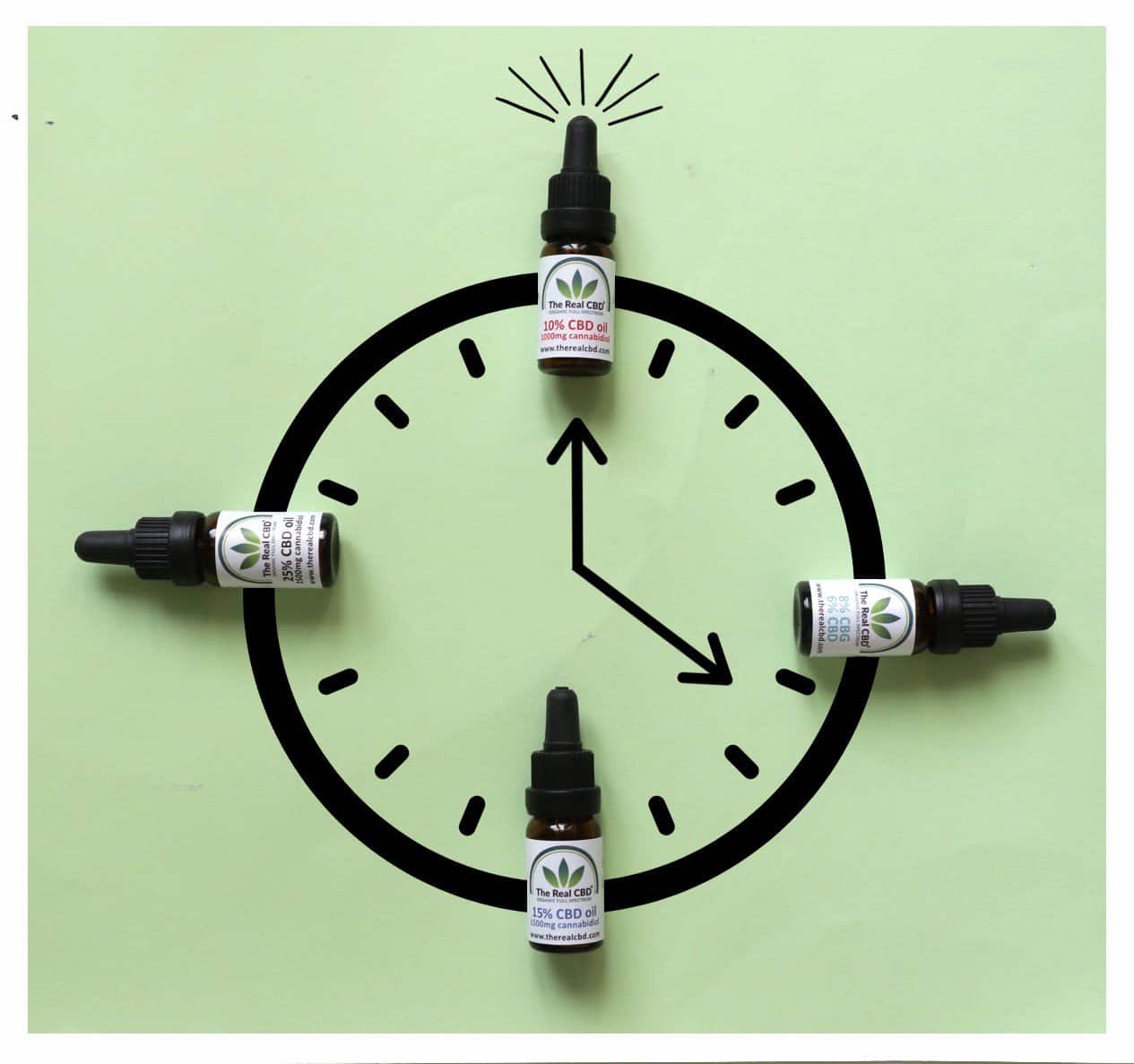
- Morning: CBD oil under the tongue to start the day focused and reduce baseline inflammation
- Afternoon: CBD capsule or gummy for midday relief and mood support
- Evening: Topical CBD for sore areas and tincture to aid sleep
Consistency matters—take it at the same time each day for best results.
CBD Diet Tips: Foods That Enhance Effects
Pairing CBD with certain foods can boost absorption:
- Healthy fats: avocado, nuts, olive oil
- Anti-inflammatory herbs: turmeric, ginger
- Magnesium-rich foods: leafy greens, bananas
Avoid processed foods and high sugar intake, which can worsen inflammation.
Combining CBD with Other Natural Therapies
- Ozone therapy: can detoxify and boost immune modulation
- Cryotherapy: reduces inflammation and works well with CBD for pain
- Vitamin IV drips: combine well with CBD for energy and cellular health
- Adaptogens: like ashwagandha or Rhodiola to support stress reduction
Many biohacking centers now offer CBD alongside holistic treatments, especially for autoimmune clients.
Mindfulness, Yoga, and CBD
CBD enhances the benefits of practices like:

- Yoga: helps you stretch and relax more deeply
- Meditation: calms racing thoughts
- Breathwork: reduces inflammation and stress when paired with CBD
This is about building resilience, not just fighting symptoms.
Some also donate to chronic illness or autoimmune research charities—a nice bonus when you’re choosing where to spend your money.
Final Thoughts
Is CBD a Miracle for VKH?
No—CBD isn’t a miracle. But it is a powerful natural tool that may help manage:
- Inflammation
- Pain
- Anxiety
- Sleep issues
- General immune balance
Living with VKH is tough. It’s unpredictable and, at times, overwhelming. But you’re not powerless. By combining thoughtful medical care, smart supplementation, and a bit of holistic support like CBD, you can start to take back control of your health.
🧠 FAQ: CBD for Vogt-Koyanagi-Harada (VKH) Disease
VKH is a rare autoimmune condition where your immune system mistakenly attacks pigment-producing cells—especially in the eyes, ears, skin, and nervous system. It can cause vision problems, hearing changes, headaches, and skin discoloration.
CBD won’t cure VKH, but it may help manage the symptoms. People with VKH have used CBD to:
– Reduce inflammation
– Ease headaches and eye pain
– Sleep better
– Feel calmer during flare-ups
It’s a natural way to support your body alongside conventional treatments.
CBD works by interacting with the endocannabinoid system, which helps regulate immune response, pain, and inflammation. In autoimmune diseases like VKH, CBD may help to calm an overactive immune system and reduce flare-up intensity
CBD can interact with some medications, especially steroids and immunosuppressants. That’s why it’s really important to speak with your doctor before starting CBD, even if it’s a natural product.
Start low—about 10–20mg per day—and increase slowly if needed. Everyone is different, so it may take some trial and error to find what works for you.
Keep a symptom journal to track effects on sleep, pain, and flare-ups.
The Real CBD for Vogt-Koyanagi-Harada Disease

I am a certified expert in Medicinal Cannabis. We are all about giving correct and trustworthy information. We know how important it is to learn about CBD and cannabis, which is why we want to be your go-to source for trustworthy information. We help you improve your health by using our knowledge and experience as a starting point.











Leave a Reply
Want to join the discussion?Feel free to contribute!