
When Not to Use CBD: Important Considerations
CBD has become a wellness buzzword in recent years, thanks to its wide range of potential health benefits. From helping with anxiety and sleep issues to easing chronic pain, it’s easy to see why so many people are turning to this natural compound. However, while it may work wonders for some, it’s not a one-size-fits-all solution. There are certain instances where taking CBD may not be the best idea, and understanding these scenarios can help you avoid unnecessary risks.
In this guide, we’ll walk you through the most common situations where it should be avoided. Whether you’re considering trying CBD for the first time or you’re already a regular user, this article will help you make informed decisions about when it’s best to leave it on the shelf.
Estimated reading time: 9 Minuten
- When Should You Avoid CBD?
- Taking CBD If You’re Pregnant or Breastfeeding
- Adding CBD with Certain Medications
- Cannabidiol for Low Blood Pressure patients
- Cannabidiol for the underage
- CBD for people with Liver Problems
- When Using CBD of Unverified Quality
- Taking cannabidiol If You Are Allergic to Cannabis or Hemp
- Can you use CBD When You Have an Upcoming Surgery?
- What If You Have a History of Substance Abuse?
- Taking Cannabidiol if you are Operating Heavy Machinery
- Can you use CBD when You’re Driving?
- Understanding the Side Effects
- Conclusion: When not to use CBD
- FAQs – When not to use CBD
- Our Online Shop
When Should You Avoid CBD?
While CBD is generally considered safe, there are specific situations where it may not be appropriate. Let’s take a look at when not to use it and why.
Taking CBD If You’re Pregnant or Breastfeeding
Pregnancy is a time when your body undergoes many changes, and it’s crucial to be mindful of everything you consume. Currently, there is insufficient research on how Cannabidiol affects pregnant or breastfeeding women and their babies. The FDA advises against the use of it during pregnancy and while breastfeeding due to concerns about potential developmental issues.
In animal studies, high doses of CBD have been linked to reproductive problems, and though human data is limited, it’s better to err on the side of caution. You want to give your baby the best start in life, so it’s advisable to avoid it during these critical periods.
Adding CBD with Certain Medications
CBD interacts with the body’s cytochrome P450 enzyme system, which plays a key role in metabolizing many medications. This interaction can either increase or decrease the effectiveness of certain drugs, including blood thinners, heart medications, and anti-seizure drugs.
For instance, if you’re on blood thinners like Warfarin, cannabidiol could potentially increase the risk of bleeding by slowing down the metabolism of the drug. If you’re taking any prescription medications, it’s essential to consult your doctor before adding CBD to your routine.
Cannabidiol for Low Blood Pressure patients

CBD has been shown to lower blood pressure in some individuals, which can be beneficial for those with hypertension. However, if you already have low blood pressure, this effect could lead to dizziness, light-headedness, or even fainting.
If you’re someone who struggles with hypotension (low blood pressure), you should avoid using cannabidiol without medical supervision. Even a mild reduction in blood pressure can cause discomfort or pose risks, especially if you’re prone to feeling faint or dizzy.
Cannabidiol for the underage
CBD is widely regarded as safe for adults, but there is still much debate around its use in children and teens. The developing brains of young people may be more sensitive to the effects of cannabinoids, and there’s not enough research to confirm how it impacts brain development in minors.
In most countries, CBD products are not recommended for anyone under the age of 18, unless under strict medical supervision, such as in the case of certain forms of epilepsy. Parents should always consult with a paediatrician before giving CBD to their children.
CBD for people with Liver Problems
High doses of cannabidiol have been linked to liver damage in some studies, particularly in people with pre-existing liver conditions. It can increase liver enzyme levels, which may indicate inflammation or injury to the liver.
If you have liver disease or are at risk of liver issues, it’s important to be cautious with CBD use. Regular liver function tests may be necessary to monitor any changes, and your doctor can advise whether CBD is a safe option for you.
When Using CBD of Unverified Quality

The CBD market is still largely unregulated, which means not all products are created equal. Some products may contain contaminants like heavy metals, pesticides, or even THC at levels higher than legally allowed. Using low-quality or unverified products can expose you to unwanted chemicals or even lead to legal issues.
To avoid this, always purchase products from reputable sources that provide third-party lab testing. This ensures that the product is safe, pure, and contains the amount of cannabidiol stated on the label.
Related Content
Taking cannabidiol If You Are Allergic to Cannabis or Hemp
Just like with any other plant-based product, it’s possible to have an allergic reaction to cannabis or hemp-derived products, including CBD. Symptoms of an allergic reaction may include itching, swelling, hives, or even difficulty breathing.
If you know you have a cannabis or hemp allergy, it is not a safe option for you. Even topical products can trigger allergic reactions, so it’s essential to check the ingredients and avoid it altogether if you have any known sensitivities.
Can you use CBD When You Have an Upcoming Surgery?
If you have surgery scheduled, it’s best to avoid it beforehand. Because it can act as a blood thinner and may increase the risk of bleeding during surgery. In addition, cannabidiol’s effects on anaesthesia and pain management drugs are not fully understood.
Most doctors recommend stopping the use of CBD at least a week or two before any surgery to ensure that there are no complications. Always inform your surgeon if you’ve been using cannabidiol in the weeks leading up to your procedure.
What If You Have a History of Substance Abuse?
While CBD is non-addictive and doesn’t produce the psychoactive effects associated with THC, individuals with a history of substance abuse should approach it with caution. It can impact the brain’s reward system, and while it is often used to help manage addiction, it’s essential to consult with a healthcare professional before using it in recovery.
There’s limited research on how cannabidiol interacts with addiction recovery, and in some cases, it might have unintended effects.
Taking Cannabidiol if you are Operating Heavy Machinery
CBD may cause drowsiness or impair your coordination and reaction times, especially at higher doses. This makes it dangerous to operate heavy machinery or engage in activities that require full concentration, like construction work or driving large vehicles.
If your job involves operating machinery, it’s best to avoid using this during work hours or opt for lower doses that don’t impair your cognitive functions.
Can you use CBD when You’re Driving?
Although CBD doesn’t make you “high” like THC, it can still affect your alertness and reaction time. If you’re taking it, especially for the first time, it’s a good idea to avoid driving until you know how it affects you.
Even mild drowsiness can slow your response times and increase the risk of accidents, making CBD use before driving a potential safety hazard.
Understanding the Side Effects
Although CBD is generally well-tolerated, it’s not without side effects. Some people may experience fatigue, diarrhoea, changes in appetite, or dry mouth. If you’re experiencing any of these symptoms, it may be a sign that it isn’t right for you or that you need to adjust your dosage.
It’s essential to listen to your body and discontinue use if any side effects become severe or bothersome. Consulting with a healthcare provider can help determine if these symptoms are related to cannabidiol or another underlying issue.
Conclusion: When not to use CBD
CBD offers many potential benefits, but it’s not suitable for everyone in every situation. Whether you’re pregnant, taking certain medications, or have a medical condition, it’s important to understand when not to use CBD. By being mindful of these circumstances, you can protect your health and make more informed decisions.
When in doubt, always consult a healthcare professional to ensure that it is a safe option for you.
FAQs

It depends on the medication. Cannabidiol can interact with some drugs, particularly those that are metabolized by the liver’s cytochrome P450 enzymes. This includes blood thinners, heart medications, and certain anti-seizure drugs. It’s essential to consult with your doctor before using CBD if you are on any prescription medications.
No, it’s not recommended to use CBD during pregnancy or while breastfeeding. There is limited research on how CBD affects fetal development and infants, but animal studies suggest potential risks. Until more is known, it’s best to avoid CBD during these critical periods.
Yes, some individuals may be allergic to cannabis or hemp, which can cause reactions such as itching, swelling, or hives. If you have known allergies to these plants, it’s wise to avoid these products, including both topical and ingestible forms.
If it lowers your blood pressure too much, it can cause dizziness or light-headedness. If you experience these symptoms, you should stop using cannabidiol and consult with a healthcare provider to determine if it’s the right product for you, especially if you have low blood pressure.
It’s best to avoid driving after taking CBD until you understand how it affects you. Although CBD doesn’t cause a “high,” it can still make you feel drowsy or impair your reaction time, increasing the risk of accidents. Always use caution when driving or operating heavy machinery after consuming Cannabidiol.
Our Online Shop
-
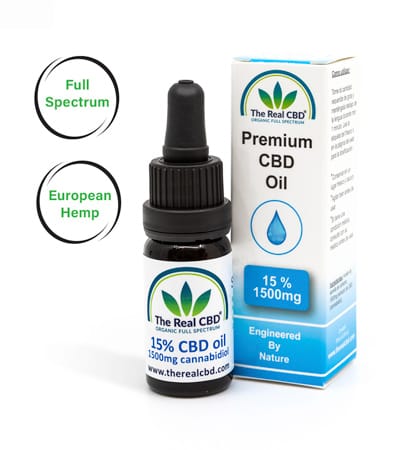 15% Pure CBD oil€55.00 €65.00Preisspanne: €55.00 bis €65.00
 -
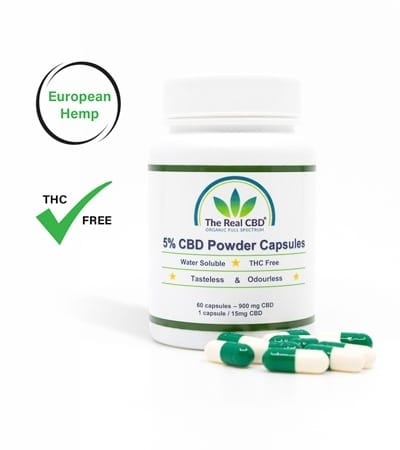 CBD Capsules – Water Soluble 5%€55.00
 -
 5% Pure CBD oil€22.00
 -
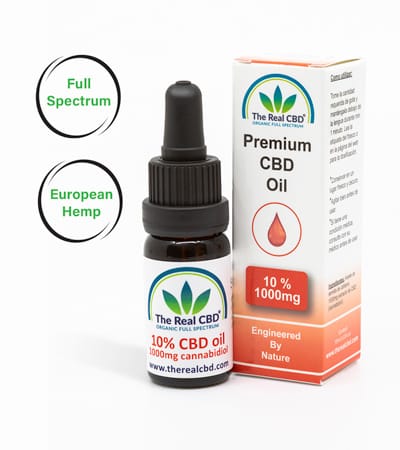 10% CBD oil€45.00
 -
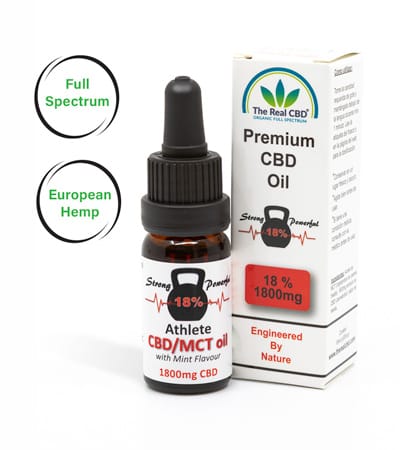 Athlete MCT/CBD oil 18%€75.00
 -
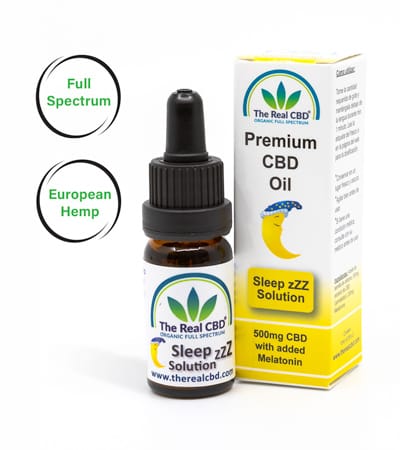 CBD Sleep Solution 10%€50.00
 -
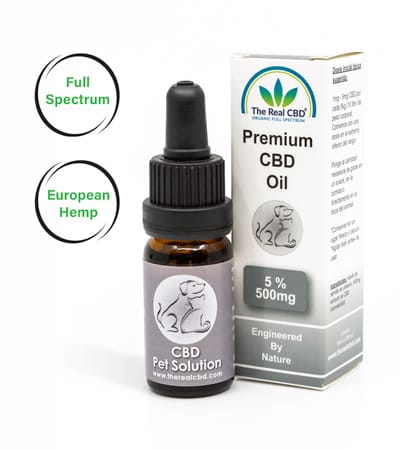 5% CBD oil for Pets€22.00
 -
Product on sale
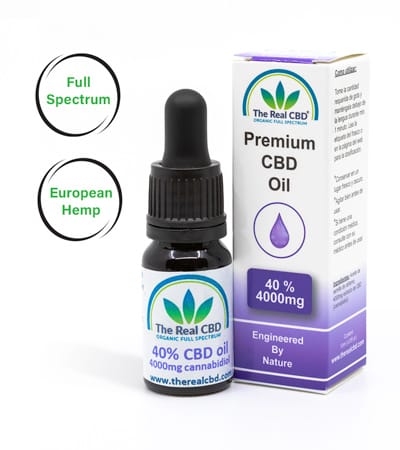 40% Raw CBD OilLe prix initial était : €145.00.€99.95Le prix actuel est : €99.95.
 -
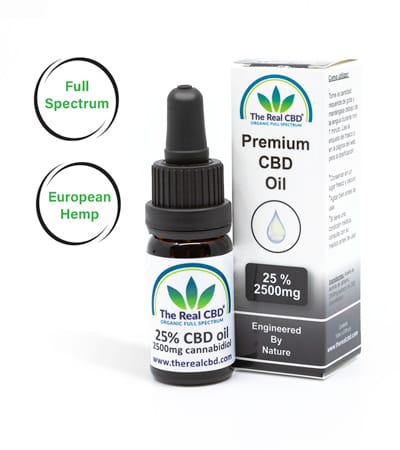 25% Pure CBD oil€99.00
 -
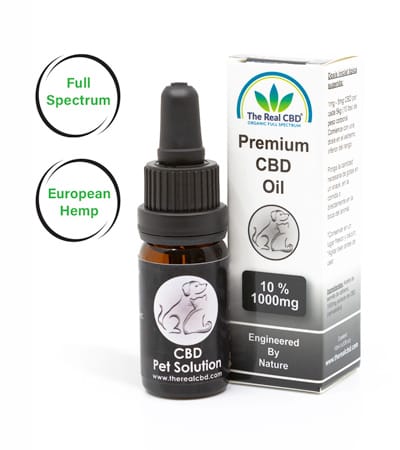 10% CBD oil for Pets€45.00
 -
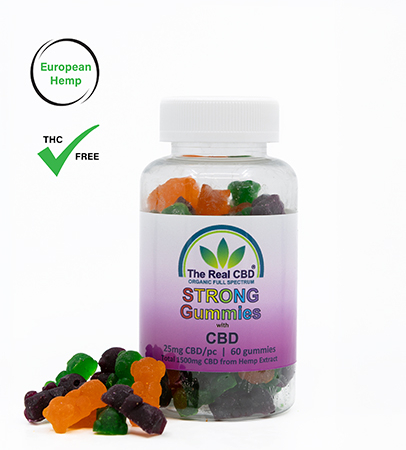 CBD gummies – 25mg CBD€35.00
 -
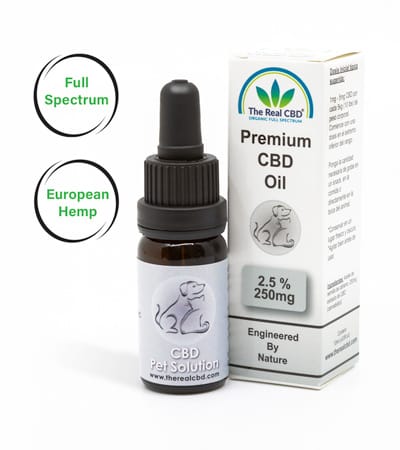 2.5% CBD oil for Pets€15.00

I am a certified expert in Medicinal Cannabis. We are all about giving correct and trustworthy information. We know how important it is to learn about CBD and cannabis, which is why we want to be your go-to source for trustworthy information. We help you improve your health by using our knowledge and experience as a starting point.











Leave a Reply
Want to join the discussion?Feel free to contribute!