
Is CBD Oil a Muscle Relaxant? Benefits & Uses
We’ve all had those mornings where getting out of bed feels like a battle — tight hamstrings after a gym session, a stiff neck from stress, or soreness after an accident. That’s when people start asking: Is CBD oil a muscle relaxant?
CBD (cannabidiol) has become a popular natural remedy, known for calming the body and mind. More and more athletes, wellness seekers, and everyday people are discovering that CBD might also help with muscle relaxation, recovery, and pain relief.
So, let’s dive in. I’ll explain how CBD works, when to use it, and why The Real CBD Rub and CBD/CBG oil drops are the perfect duo for muscle support.
Estimated reading time: 11 Minuten
- What Is CBD Oil and How Does It Work?
- Is CBD Oil a Muscle Relaxant?
- How Does CBD Oil Help with Muscle Tension?
- Can You Use CBD After a Hard Training Session?
- CBD for Recovery After an Accident or Injury
- Why Choose CBD Over Traditional Muscle Relaxants
- Benefits of CBD Oil as a Natural Muscle Relaxant
- Clinical studies confirming CBD is a muscle relaxant
- Topical CBD Rub: Direct Relief for Aching Muscles
- Oral CBD/CBG Oil Drops: Whole-Body Relaxation
- How to Use CBD Oil Safely and Effectively
- The Role of CBG in Muscle Relaxation
- Who Can Benefit Most from CBD as a Muscle Relaxant?
- Conclusion: The Future of CBD for Muscle Health
- FAQs
What Is CBD Oil and How Does It Work?

CBD oil comes from the hemp plant, a cousin of cannabis. Unlike THC, CBD won’t get you high. Instead, it interacts with your endocannabinoid system (ECS), a kind of control panel that helps regulate pain, stress, sleep, and muscle function.
When your muscles feel tight or inflamed, CBD supports your ECS in restoring balance — easing tension and encouraging recovery.
Is CBD Oil a Muscle Relaxant?
The big question: Is CBD oil a muscle relaxant?
Yes, research and anecdotal evidence suggest CBD helps calm the nervous system and reduce muscle spasms. Unlike pharmaceutical relaxants that “force” muscles to switch off, CBD takes a gentler route by reducing inflammation and promoting relaxation.
This makes CBD ideal for people seeking a natural alternative without the side effects of strong medications.
How Does CBD Oil Help with Muscle Tension?
Muscle tension is something almost everyone experiences — whether it’s from working out, sitting at a desk too long, or simply carrying everyday stress. That tight, stiff, sometimes painful feeling often comes from inflammation, overworked nerves, or stress-related strain. So, where does CBD oil come in?

CBD (cannabidiol) interacts with the body’s endocannabinoid system (ECS) — a natural regulatory system that helps control pain, mood, inflammation, and muscle function. By working with this system, CBD helps your body calm down and reset.
Here’s how CBD oil can specifically help with muscle tension:
1. Reduces Inflammation
When muscles are overworked, they become inflamed. CBD has natural anti-inflammatory properties, helping to ease swelling and soreness so muscles can relax more easily.
2. Soothes Nerve Irritation
Sometimes muscle tightness is triggered by irritated nerves. CBD may help calm nerve signals, reducing spasms and the “twitchy” feeling that keeps muscles from fully relaxing.
3. Improves Blood Flow
Relaxed muscles get better circulation. With less inflammation and tension, blood can flow freely, delivering oxygen and nutrients that support healing.
4. Promotes Overall Relaxation
Stress is one of the biggest culprits behind tense muscles (ever noticed your shoulders creeping up towards your ears?). CBD has a calming effect on the nervous system, which reduces mental stress — and in turn, helps your muscles loosen up.
5. Supports Better Sleep
Muscle repair happens during deep sleep. CBD can improve sleep quality, which is essential for recovery and preventing long-term tension.
👉 If you want targeted relief, CBD rubs (like The Real CBD Rub) can be applied directly to sore spots such as your back, shoulders, or calves. For whole-body relaxation, CBD/CBG oil drops work internally to reduce systemic tension and stress.
Can You Use CBD After a Hard Training Session?
Yes — in fact, many athletes now swear by it.
After an intense workout, CBD may:
- Reduce soreness and stiffness
- Calm overworked joints
- Improve sleep (the ultimate recovery tool)
CBD for Recovery After an Accident or Injury
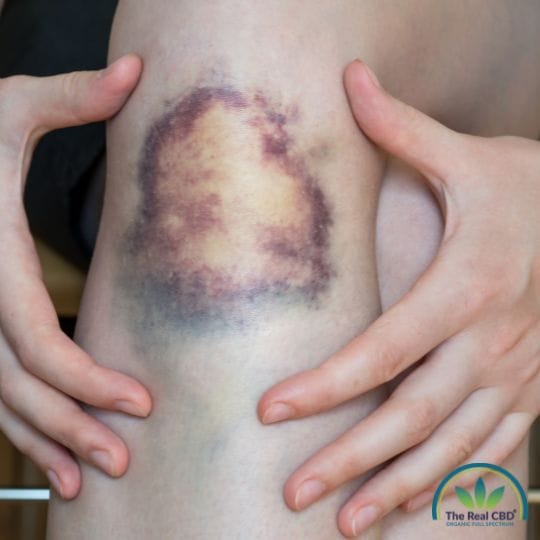
Accidents, injuries, and physical trauma often leave the body dealing with more than just pain. Swelling, muscle tightness, nerve irritation, and even stress can slow down recovery. That’s where CBD (cannabidiol) may step in as a gentle but effective support tool.
Unlike heavy painkillers or muscle relaxants, CBD works with your body rather than against it. It interacts with your endocannabinoid system (ECS) — the network that helps regulate pain, inflammation, mood, and healing.
Here’s how CBD can support recovery after an accident or injury:
1. Reduces Inflammation and Swelling
Injuries almost always trigger inflammation — it’s the body’s natural response to damage. While some inflammation is helpful for healing, too much can delay recovery and cause stiffness. CBD’s anti-inflammatory properties may help calm this response, reducing swelling and making movement easier.
2. Relieves Muscle and Joint Pain
Whether it’s a strained muscle, sprained ankle, or post-surgery discomfort, CBD may help by soothing pain signals in the nervous system. This can ease both sharp pain and dull, lingering aches.
3. Supports Faster Healing
By improving relaxation and sleep quality, CBD indirectly supports the healing process. Muscles and tissues repair best during deep rest, and CBD may help you get the restorative sleep your body needs.
4. Calms Stress and Anxiety After an Injury
Recovering from an accident isn’t just physical — it can take a toll on your mental health too. CBD has natural anxiolytic (anti-anxiety) properties, helping you feel calmer and more positive during the healing process.
5. Works Both Topically and Orally

- Topical CBD Rubs (like The Real CBD Rub) can be applied directly to the injured area for localised relief from muscle soreness or joint stiffness.
- Oral CBD/CBG Oil Drops provide systemic benefits, reducing overall inflammation and calming the nervous system to promote balance throughout the body.
Using both together can be especially effective — topical application for the “here and now” pain, and oral drops for whole-body healing.
✅ Example: If you sprain your knee, applying CBD rub around the joint can help reduce local pain and swelling, while oral drops support overall recovery and relaxation.
Recovering from an accident takes time, but natural support from CBD may help ease the journey. By reducing inflammation, calming pain, improving sleep, and supporting emotional wellbeing, CBD offers a holistic approach to healing — without the harsh side effects of many traditional medications.
Related Content
Why Choose CBD Over Traditional Muscle Relaxants

When muscle pain or spasms hit, many people reach for prescription muscle relaxants. While they can work, they often come with a long list of side effects and risks. This is where CBD steps in as a natural alternative that’s gentler on the body but still effective.
1. Fewer Side Effects
Traditional muscle relaxants often cause:
- Drowsiness
- Dizziness
- Blurred vision
- Risk of dependency with long-term use
CBD, on the other hand, is generally well tolerated. Side effects (if any) are mild — think dry mouth, light drowsiness, or slight digestive changes. Most people don’t experience anything negative at all.
2. Non-Addictive Nature
Some prescription relaxants can lead to dependency if used for too long. CBD is non-addictive, making it a safer choice for long-term or regular use. You can stop or start using it without withdrawal worries.
3. Supports Whole-Body Balance

While traditional drugs mainly target symptoms, CBD works differently. By interacting with the endocannabinoid system (ECS), it helps restore balance across the body — reducing inflammation, calming the nervous system, and even supporting better sleep. It’s not just masking the issue; it’s helping the body recover.
4. Works Locally and Systemically
- Prescription relaxants usually work systemically, affecting the whole body (and often causing that heavy, “knocked-out” feeling).
- CBD gives you options: topical rubs for targeted muscle relief (like The Real CBD Rub) and oral drops (like The Real CBD/CBG oil mix) for full-body relaxation.
5. Encourages Better Sleep Naturally
Traditional relaxants may knock you out, but the quality of sleep isn’t always restorative. CBD helps promote deep, natural rest, which is when true healing and muscle recovery happen.
✅ In short: Using a prescription muscle relaxant is like hitting the “off switch” on your whole body. CBD is more like a dimmer switch — calming the tension where it’s needed while still allowing you to feel alert, balanced, and in control.

Benefits of CBD Oil as a Natural Muscle Relaxant
- Non-addictive (unlike some prescription drugs)
- Reduces inflammation naturally
- Supports better sleep and recovery
- Relieves stress which often worsens muscle pain
- Soothes nerve discomfort
Clinical studies confirming CBD is a muscle relaxant
Myorelaxant Effect of Transdermal Cannabidiol Application in Patients with TMD: A Randomized, Double-Blind Trial — Journal of Clinical Medicine, published November 6, 2019.
MDPI
Quick Summary of the Findings:
- Topical CBD applied twice daily for 14 days significantly reduced jaw muscle activity (masseter muscles)—by 11% on the right side and 12.6% on the left—compared to a placebo group, which saw virtually no change (0.23% and 3.3%) MDPI.
- Pain intensity, measured using a visual scale, dropped dramatically—70.2% reduction in the CBD group, versus only 9.8% in the placebo group MDPI.
This provides real, clinical evidence that topical CBD can have a muscle-relaxant effect and reduce tension and pain in targeted areas.
Topical CBD Rub: Direct Relief for Aching Muscles
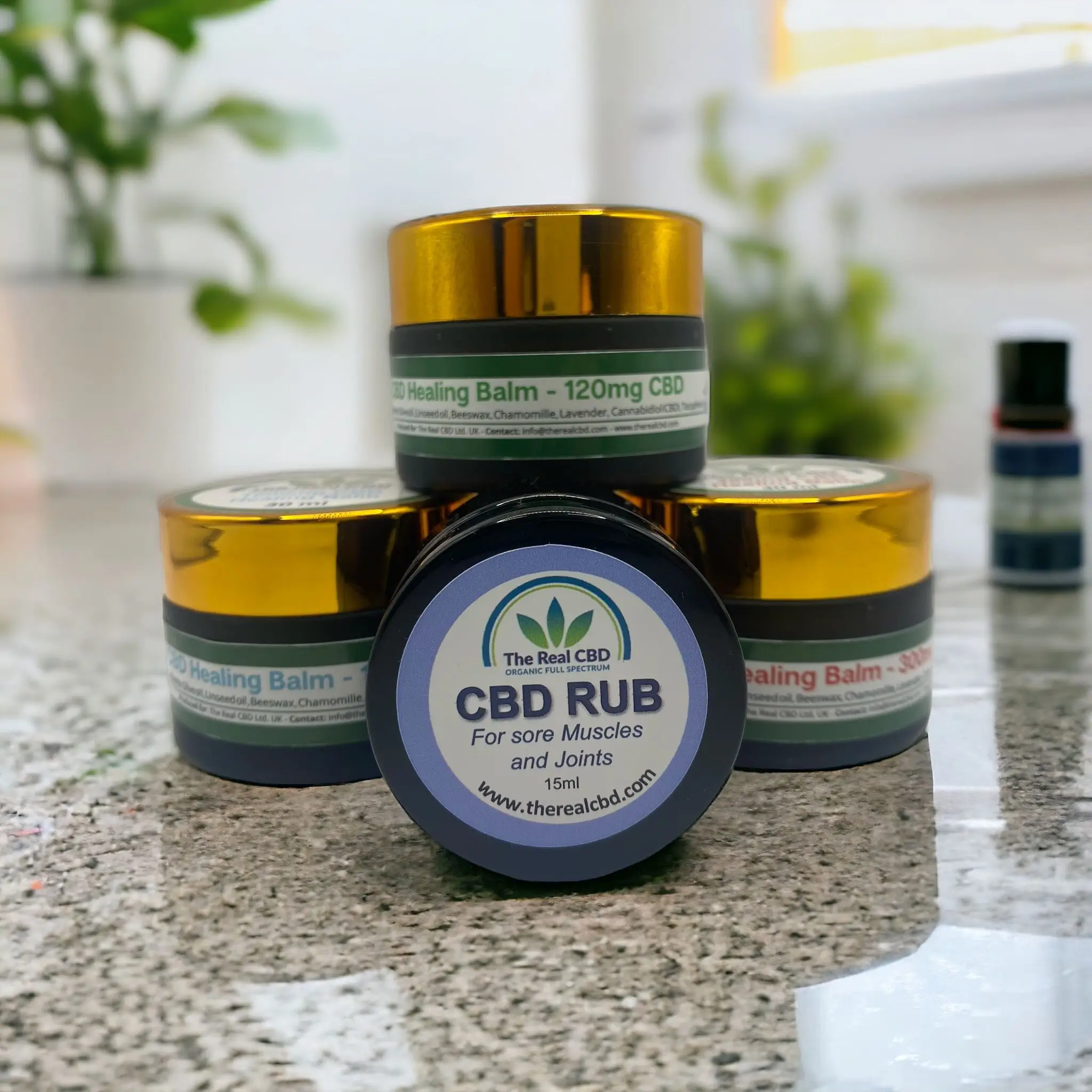
The Real CBD Rub is perfect for sore shoulders, stiff necks, or post-gym tightness.
Benefits:
- Quick absorption through the skin
- Targeted relief exactly where you need it
- Ideal for daily use
Think of it as your muscle’s new best friend.
Oral CBD/CBG Oil Drops: Whole-Body Relaxation
While rubs target specific spots, CBD/CBG drops work from the inside out.
- Reduce whole-body inflammation
- Support your nervous system
- Promote deep relaxation and sleep
CBG boosts CBD’s effects, creating the entourage effect — where cannabinoids work better together than alone.
How to Use CBD Oil Safely and Effectively
- Start small: Begin with a few drops or a thin rub layer.
- Consistency matters: Daily use leads to better results.
- Listen to your body: Adjust dosage as needed.
The Role of CBG in Muscle Relaxation
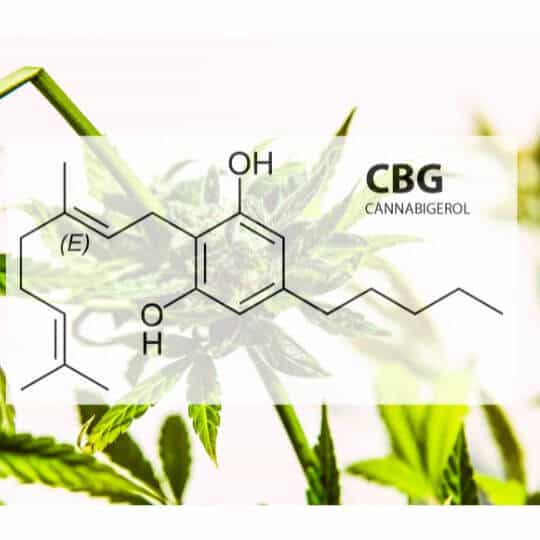
CBG (cannabigerol) is sometimes called the “mother of cannabinoids.” It offers anti-inflammatory and calming benefits. When paired with CBD, the effects on muscle relaxation are stronger and longer lasting.
Other Natural Ways to Support Muscle Recovery
CBD works best with healthy habits like:
- Staying hydrated
- Stretching regularly
- Sleeping enough
- Eating anti-inflammatory foods (berries, turmeric, leafy greens)
Are There Any Side Effects of Using CBD?
Most people tolerate CBD well. Mild side effects may include:
- Drowsiness
- Dry mouth
- Changes in digestion
Compared to pharmaceuticals, these are very minimal.
Who Can Benefit Most from CBD as a Muscle Relaxant?
- Gym-goers and athletes
- Office workers with tense muscles
- People healing from accidents
- Older adults with stiffness
- Anyone seeking natural relaxation
Conclusion: The Future of CBD for Muscle Health
So, is CBD oil a muscle relaxant? Yes — but in a natural, non-invasive way. Instead of “forcing” your body to relax, CBD supports your system so it can do what it’s designed to: heal, recover, and find balance.
For best results, use The Real CBD Rub for targeted relief and CBD/CBG oil drops for deep, full-body recovery. Your muscles will thank you tomorrow.
FAQs
Yes, CBD oil acts as a natural relaxant by reducing inflammation and soothing nerves.
Absolutely! CBD reduces soreness, stiffness, and improves recovery.
Topical rubs may provide quicker relief, while oral drops support long-term healing.
Mild ones only, such as drowsiness or dry mouth. Much gentler than traditional drugs.
For local pain, use the rub. For overall relaxation, pair it with CBD/CBG drops.

I am a certified expert in Medicinal Cannabis. We are all about giving correct and trustworthy information. We know how important it is to learn about CBD and cannabis, which is why we want to be your go-to source for trustworthy information. We help you improve your health by using our knowledge and experience as a starting point.












Leave a Reply
Want to join the discussion?Feel free to contribute!