
How CBD May Assist in Heavy Metal Detox

Detoxing from heavy metals such as lead, mercury, cadmium, and arsenic is crucial for maintaining overall health. While CBD is not a chelating agent that directly binds to and removes metals, it can play a significant supportive role in heavy metal detoxification by enhancing the body’s natural detox processes and alleviating symptoms caused by heavy metal exposure.
Estimated reading time: 11 Minuten
- How Heavy Metals Affect the Body
- Where does the heavy metals in out body come from?
- CBD for Heavy Metal Detox
- Benefits of CBD in Heavy Metal Detox
- CBD Product Recommendations for Metal Detox
- Additional Tips for Using CBD in Metal Detox
- Complementary Methods for Heavy Metal Detox with CBD
- How to Use CBD for Detox
- Conclusion
- FAQ- CBD for heavy metal detox
How Heavy Metals Affect the Body
Heavy metals can accumulate over time through environmental exposure, food, water, and even some medical treatments. These toxins can:
- Cause oxidative stress and inflammation.
- Damage the nervous system.
- Overburden the liver and kidneys.
- Weaken the immune system.
Detoxifying the body requires a combination of chelation (binding metals for excretion), supporting organ function, and reducing inflammation. This is where CBD comes into play.
Where does the heavy metals in out body come from?

Heavy metals can accumulate in the body through various environmental, dietary, and occupational sources. While some metals, like zinc and iron, are essential in small amounts, others—such as lead, mercury, cadmium, and arsenic—can be toxic when they build up. Here’s a breakdown of common sources of heavy metal exposure:
1. Environmental Exposure
- Air Pollution: Industrial emissions, vehicle exhaust, and burning of fossil fuels release heavy metals like lead, cadmium, and mercury into the air.
- Water Contamination: Heavy metals can leach into water supplies from industrial waste, mining activities, and aging pipes, exposing individuals to metals like arsenic and lead.
- Soil Contamination: Pesticides, fertilizers, and industrial runoff can deposit metals like cadmium and mercury into the soil, which can then enter the food chain.
2. Food Sources
- Seafood: Fish and shellfish, particularly larger species like tuna, swordfish, and king mackerel, can accumulate mercury due to pollution in oceans.
- Vegetables and Grains: Crops grown in contaminated soil or irrigated with polluted water may contain arsenic, lead, or cadmium.
- Processed Foods: Additives, packaging materials, and certain food manufacturing processes can introduce metals like aluminium and tin.
3. Personal Products and Household Items
- Cosmetics and Skincare: Some beauty products, including certain lipsticks, eyeliners, and skin lightening creams, may contain lead, mercury, or other heavy metals.
- Cooking Utensils: Non-stick cookware, aluminium foil, and old or poorly coated pots and pans can leach metals like aluminium and cadmium into food.
- Paint and Household Dust: Lead-based paints (common in older homes) and contaminated dust particles can be significant sources of exposure, especially for children.
4. Workplace and Occupational Hazards
- Mining and Metalwork: Workers in industries involving welding, smelting, or mining are at high risk of exposure to metals like cadmium, lead, and chromium.
- Battery Manufacturing: Handling batteries can expose individuals to metals like lead and cadmium.
- Electronics Industry: The manufacturing or disposal of electronics can release metals like mercury and arsenic.
5. Medications and Medical Devices
- Traditional Medicines: Some herbal remedies and Ayurvedic treatments may contain mercury, lead, or arsenic as part of their formulation.
- Vaccines: Some vaccines use trace amounts of aluminium as an adjuvant, though the levels are generally considered safe.
- Dental Fillings: Amalgam fillings may release small amounts of mercury over time.
6. Smoking and Tobacco Use
- Cigarettes and Tobacco Products: Smoking introduces cadmium, lead, and arsenic into the body, as tobacco plants absorb these metals from the soil.
7. Industrial and Consumer Products
- Electronics and Batteries: Improper disposal of electronics can expose individuals to metals like lead, cadmium, and mercury.
- Jewelry and Toys: Low-quality or imported products may contain lead or nickel.
8. Contaminated Water Systems
- Lead Pipes: Aging water infrastructure can leach lead into drinking water.
- Arsenic in Groundwater: Found naturally in certain regions, arsenic contamination is a significant issue in parts of Asia and the Americas.
9. Natural Sources
- Volcanic Eruptions: Volcanic activity can release mercury and other metals into the atmosphere.
- Rock Weathering: Natural erosion of rocks can release metals like arsenic into soil and water.
CBD for Heavy Metal Detox
Detoxing from heavy metals such as lead, mercury, cadmium, and arsenic is crucial for maintaining overall health. While CBD is not a chelating agent that directly binds to and removes metals, it can play a significant supportive role in heavy metal detoxification by enhancing the body’s natural detox processes and alleviating symptoms caused by heavy metal exposure.
Benefits of CBD in Heavy Metal Detox
1. Supports Liver Function
The liver plays a central role in detoxifying the body by breaking down harmful substances and flushing them out. Studies suggest that CBD may protect the liver from damage and reduce inflammation, helping it function optimally during detoxification.
- Example: CBD may reduce oxidative stress, a condition often caused by heavy metal toxicity, by enhancing liver health.
2. Reduces Inflammation
Heavy metal toxicity often leads to inflammation, which can further damage tissues and organs. CBD is known for its potent anti-inflammatory properties, which may help alleviate symptoms like joint pain, swelling, or headaches associated with metal toxicity.
- Example: Chronic inflammation caused by mercury exposure could be managed with CBD’s anti-inflammatory effects.
3. Boosts Antioxidant Defences
Heavy metals can increase free radicals in the body, leading to oxidative stress. CBD is a powerful antioxidant that can neutralize free radicals and reduce oxidative damage, which is critical in managing heavy metal exposure.
- Example: CBD’s antioxidant effects could work alongside chelating agents to reduce cellular damage during detox.
4. Supports Mental Health During Detox
Detoxification from heavy metals can lead to symptoms like anxiety, brain fog, or depression. CBD’s ability to regulate the endocannabinoid system may help improve mood, reduce stress, and enhance mental clarity during the detox process.
- Example: People undergoing detox may use CBD to improve sleep quality and reduce anxiety, which are common during heavy metal detox programs.
CBD Product Recommendations for Metal Detox
When choosing CBD products to support a detox program, it’s essential to pick high-quality, full-spectrum, or broad-spectrum options that are free from heavy metals, pesticides, and other contaminants. Here’s a breakdown of the best types of products, dosages, and usage tips:
1. CBD Oil (Full-Spectrum or Broad-Spectrum)
Why It’s Ideal:
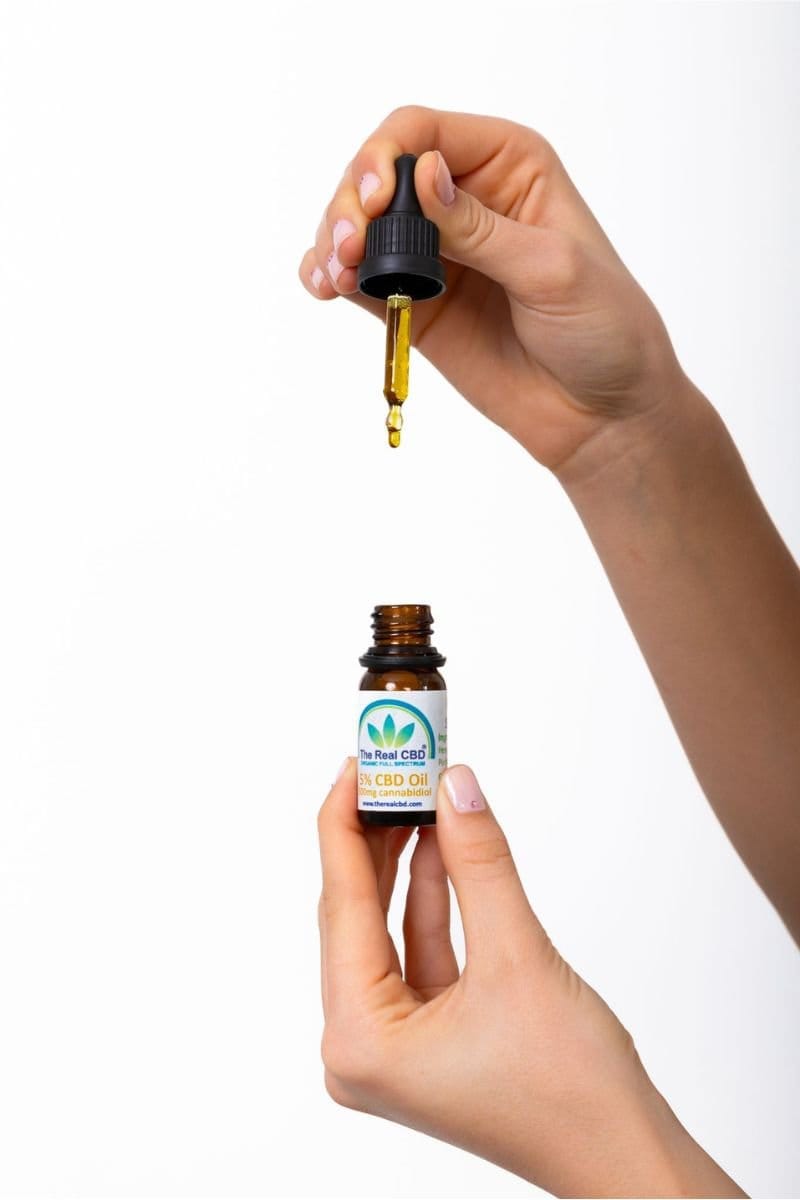
CBD oil is highly versatile and offers quick absorption when taken sublingually (under the tongue). Full-spectrum options contain other beneficial cannabinoids and terpenes that may enhance its effects (entourage effect).
Dosage Recommendations:
- Starting Dose: 10–20 mg daily, divided into two doses (morning and evening).
- Adjust Gradually: Increase by 5–10 mg every week until you find the optimal dose.
- For Detox Support: Take 20–40 mg daily, especially during periods of intense detoxification.
Suggested Use:
- Place drops under your tongue and hold for 60 seconds before swallowing.
- Pair with detox drinks like lemon water, green juice, or herbal teas for enhanced benefits.
2. CBD Capsules or Softgels
Why It’s Ideal:
Capsules are a convenient and precise way to manage your daily CBD intake, making them great for those who prefer a no-fuss option.
Dosage Recommendations:
- Typical Dose: 15–25 mg per capsule, taken once or twice daily.
- For Liver and Antioxidant Support: Opt for capsules infused with turmeric or milk thistle for additional detox benefits.
Suggested Use:
- Take capsules with meals that include healthy fats (e.g., avocado or nuts) to improve absorption.
- Use consistently for 4–6 weeks to maximize liver and immune support during detox.
3. CBD Topicals (Balms or Creams)
Why It’s Ideal:
Topical CBD can help relieve localized inflammation, soreness, or discomfort often experienced during detox.
Usage Tips:
- Apply to areas like the neck, shoulders, or joints after exercise, sauna sessions, or chelation therapy.
- Use 2–3 times daily or as needed.
4. CBD-Infused Detox Teas
Why It’s Ideal:
Detox teas containing ingredients like ginger, turmeric, or dandelion can be combined with CBD for added liver and gut support.
Suggested Use:
- Add a few drops of CBD oil to your detox tea in the morning or evening.
- Look for pre-infused CBD teas for convenience.
5. CBD Gummies or Edibles
Why It’s Ideal:
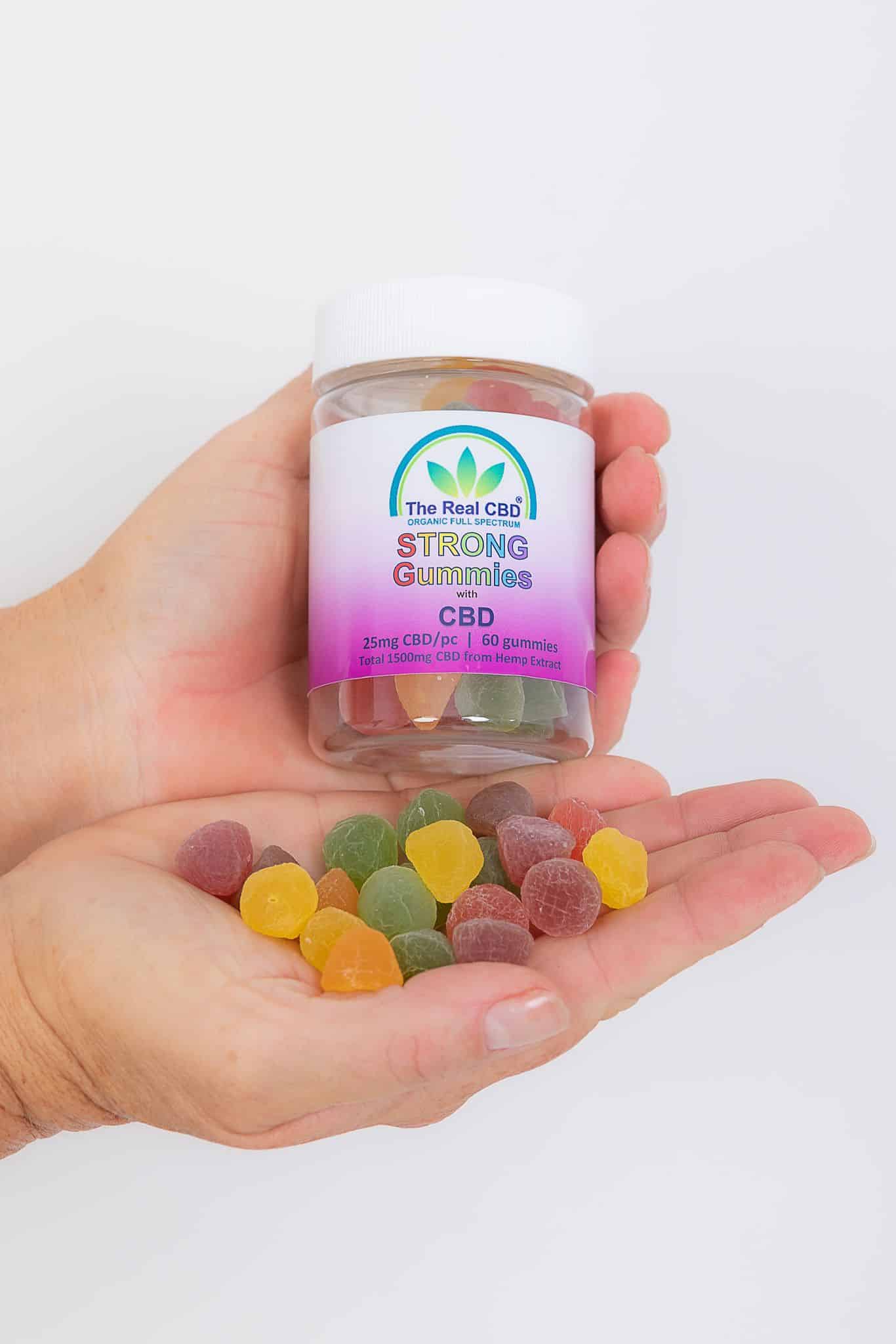
Edibles are discreet, tasty, and provide a steady release of CBD into your system. These are great for managing stress and improving sleep during detox.
Dosage Recommendations:
- Start with one gummy (10–15 mg) per day and increase as needed.
- For sleep support during detox, try gummies infused with melatonin.
Additional Tips for Using CBD in Metal Detox

- Choose Certified Products:
Always buy CBD products that have been third-party tested for purity and heavy metal contaminants. Look for a Certificate of Analysis (COA) to ensure the product is clean. - Use Full-Spectrum for Added Benefits:
Full-spectrum CBD contains small amounts of other cannabinoids like CBG and CBC, which may further support anti-inflammatory and antioxidant effects. - Hydrate and Combine with a Healthy Diet:
Stay hydrated and consume a diet rich in detox-friendly foods, such as cilantro, spirulina, garlic, and leafy greens. CBD complements these foods by reducing inflammation and promoting overall wellness. - Consider Liposomal CBD for Enhanced Absorption:
Liposomal formulations improve the bioavailability of CBD, ensuring your body absorbs it more effectively. - Track Your Progress:
Keep a journal of your symptoms, CBD dosage, and overall well-being during your detox journey to identify what works best for you.
More about CBD
Complementary Methods for Heavy Metal Detox with CBD
CBD works best when combined with other detox strategies. Here’s how you can integrate it into a holistic detox plan:
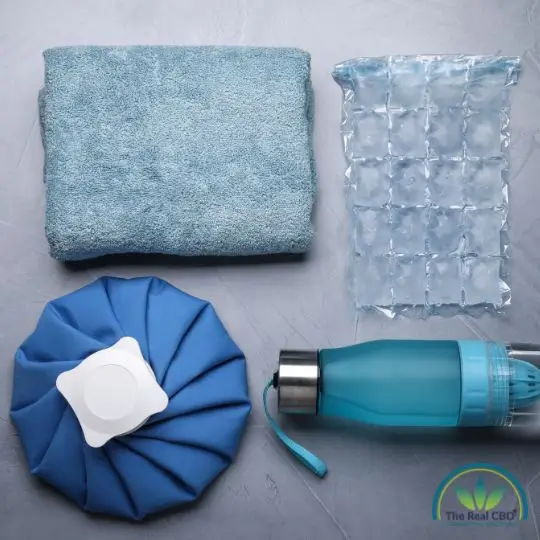
- Chelation Therapy: Work with a healthcare provider to use chelating agents that bind to metals, assisting their removal. CBD can help alleviate side effects like inflammation or anxiety during this therapy.
Common chelating agents include:
Dimercaptosuccinic Acid (DMSA): Recommended for treating lead poisoning in children, DMSA binds to lead, allowing for its removal from the body.
Ethylenediaminetetraacetic Acid (EDTA): Used for lead and other metal poisonings, EDTA chelates metals for excretion.
- Hydration: Drinking plenty of water flushes toxins out of the body. Pair hydration with CBD oil to manage symptoms like headaches caused by detox.
- Detoxifying Foods: Incorporate foods like cilantro, chlorella, garlic, and spirulina, which are known to help remove metals. CBD oil or capsules can complement these foods by reducing inflammation.
- Exercise and Sauna Therapy: Sweating is an effective way to eliminate toxins. Use CBD creams or balms post-exercise to soothe sore muscles.
- Gut Health Support: Probiotics and fiber-rich foods help eliminate toxins through digestion. CBD’s anti-inflammatory effects may benefit the gut lining.
How to Use CBD for Detox
- CBD Oil: Take a full-spectrum or broad-spectrum CBD oil sublingually for quick absorption and systemic effects.
- CBD Capsules: Convenient for consistent dosing during detox programs.
- Topical CBD: Use creams to relieve localized pain or inflammation caused by detox side effects.
- CBD Infused Foods or Drinks: Combine CBD with detox smoothies or herbal teas.
Safety and Precautions
Before starting any detox program, consult a healthcare professional, especially if you are using chelation therapy or have pre-existing conditions. CBD is generally well-tolerated but may interact with certain medications, so ensure it is safe for you.
Conclusion
CBD doesn’t directly remove heavy metals from the body, but it may support detoxification by enhancing liver function, reducing inflammation, providing antioxidant benefits, and supporting mental health. Integrating CBD into a well-rounded detox plan can make the process more comfortable and effective.
FAQ- CBD for heavy metal detox
No, CBD is not a chelating agent and cannot bind to or remove heavy metals directly. However, it supports the body’s natural detox processes by reducing inflammation, enhancing liver function, and mitigating oxidative stress.
Start with a low dose (10–20 mg per day) and gradually increase as needed. For intense detoxification periods, 20–40 mg daily may be more effective. Always consult with a healthcare provider to tailor dosing to your needs.
CBD can be safely used alongside chelation therapy to manage inflammation and oxidative stress. However, consult your healthcare provider to ensure there are no interactions with medications or treatments.
CBD can be used throughout the detox process and beyond for general wellness. For heavy metal detox, it’s common to use CBD for 4–6 weeks or longer, depending on the severity of toxicity and personal health goals.
The effects of CBD vary by individual. You may notice reduced inflammation, improved sleep, or better mental clarity within a few days, but full benefits may take 2–4 weeks of consistent use.

I am a certified expert in Medicinal Cannabis. We are all about giving correct and trustworthy information. We know how important it is to learn about CBD and cannabis, which is why we want to be your go-to source for trustworthy information. We help you improve your health by using our knowledge and experience as a starting point.












Leave a Reply
Want to join the discussion?Feel free to contribute!