
How Can CBD Help Auto-Inflammatory Diseases?
Auto-inflammatory diseases cause the body’s immune system to attack itself, leading to chronic pain, swelling, and discomfort. Traditional treatments often come with side effects, making many seek natural alternatives like CBD. But how does CBD help? And what’s the best way to use it?
In this guide, we’ll explore how CBD for auto-inflammatory diseases may offer relief, the most common conditions it can help with, and the best CBD products to consider.
Estimated reading time: 7 Minuten
- What Are Auto-Inflammatory Diseases?
- Most Common Auto-Inflammatory Diseases & Symptoms
- How Can CBD Help with Auto-Inflammatory Diseases?
- How CBD Works for Auto-Inflammatory Diseases
- Auto inflammatory diseases That May Benefit from CBD
- Clinical Studies and Evidence
- Best CBD Products for Auto-Inflammatory Diseases
- CBD Dosage: How Much Should You Take?
- Best Ways to Use CBD for Auto-Inflammatory Diseases
- Conclusion
- Frequently Asked Questions (FAQs)
- The Real CBD for Auto-Inflammatory Diseases
What Are Auto-Inflammatory Diseases?

Auto-inflammatory diseases (AIDs) are conditions where the immune system mistakenly attacks healthy tissues. Unlike autoimmune diseases, which involve antibodies, AIDs are caused by genetic mutations that lead to uncontrolled inflammation.
Most Common Auto-Inflammatory Diseases & Symptoms
Here are some of the most well-known AIDs:
Familial Mediterranean Fever (FMF)
- Symptoms: Recurrent fevers, abdominal pain, joint inflammation.
Still’s Disease (Systemic Juvenile Idiopathic Arthritis – SJIA)
- Symptoms: High fevers, joint pain, rash.
Cryopyrin-Associated Periodic Syndromes (CAPS)
- Symptoms: Skin rashes, fever, joint pain.
Behçet’s Disease
- Symptoms: Mouth ulcers, eye inflammation, skin lesions.
How Can CBD Help with Auto-Inflammatory Diseases?

CBD (cannabidiol) has shown potential in helping with auto-inflammatory diseases by interacting with the body’s endocannabinoid system (ECS) to regulate the immune response and reduce inflammation. Auto-inflammatory diseases occur when the immune system mistakenly attacks the body’s own tissues, causing chronic inflammation, pain, and other symptoms.
How CBD Works for Auto-Inflammatory Diseases
CBD works by influencing key receptors in the ECS, including CB1 and CB2 receptors, which help regulate immune function and inflammation. It also interacts with other pathways involved in inflammation, such as:
- Suppressing Pro-Inflammatory Cytokines
- Cytokines are proteins that promote inflammation. Studies suggest that CBD may reduce the production of pro-inflammatory cytokines, helping to calm overactive immune responses.
- Modulating the Immune System
- CBD is known to have immunomodulatory properties, meaning it helps balance the immune system rather than simply suppressing it. This is beneficial for auto-inflammatory conditions where the immune system is overactive but still needed for defence.
- Reducing Oxidative Stress
- Many auto-inflammatory diseases are linked to oxidative stress, which causes cell damage. CBD has antioxidant properties that may protect cells from this damage and reduce inflammation.
- Regulating the Gut Microbiome
- Emerging research suggests that CBD can positively influence the gut microbiome, which plays a role in immune regulation. A balanced gut microbiome may help reduce inflammation in conditions like Crohn’s disease and ulcerative colitis.
More about CBD from our blogs
Auto inflammatory diseases That May Benefit from CBD

- Schnitzler Syndrome – Characterised by chronic hives, fever, joint pain, and inflammation.
- Vogt-Koyanagi-Harada (VKH) Disease – Affects the eyes, skin, and central nervous system, causing vision problems and skin pigment changes.
- Relapsing Polychondritis – Inflammation of cartilage in the ears, nose, joints, and airways.
- Eosinophilic Granulomatosis with Polyangiitis (EGPA, formerly Churg-Strauss Syndrome) – Affects blood vessels and often occurs in people with asthma.
Other autoimmune and auto inflammatory conditions CBD can help
CBD’s anti-inflammatory and immune-balancing effects may help with various auto-inflammatory diseases, including:
- Rheumatoid arthritis (RA) – May reduce joint inflammation and pain.
- Lupus – May help regulate the immune system and manage flare-ups.
- Multiple sclerosis (MS) – May reduce muscle spasms and nerve inflammation.
- Crohn’s disease & ulcerative colitis – May ease gut inflammation and discomfort.
- Psoriasis – May reduce skin inflammation and support skin healing.
Clinical Studies and Evidence
Several studies suggest that CBD has potential in managing inflammatory conditions:
- A 2018 study in the Journal of Pharmacology and Experimental Therapeutics found that CBD reduces inflammation in autoimmune conditions by suppressing cytokine production.
- A 2020 study in Frontiers in Immunology highlighted CBD’s ability to modulate the immune response and reduce oxidative stress in autoimmune diseases.
- Research on multiple sclerosis (MS) found that CBD, especially when combined with THC, helps reduce pain, muscle spasms, and inflammation (European Journal of Pain, 2019).
Best CBD Products for Auto-Inflammatory Diseases
Choosing the right CBD product depends on your symptoms:
- CBD Oil/Tinctures – Fast-acting relief for inflammation.
- CBD Capsules – Convenient, controlled dosing.
- CBD Topicals – Targeted pain relief for joints.
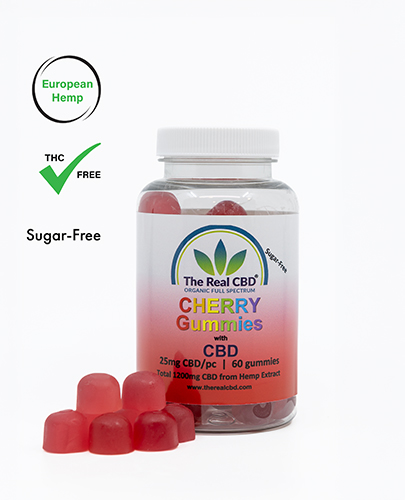
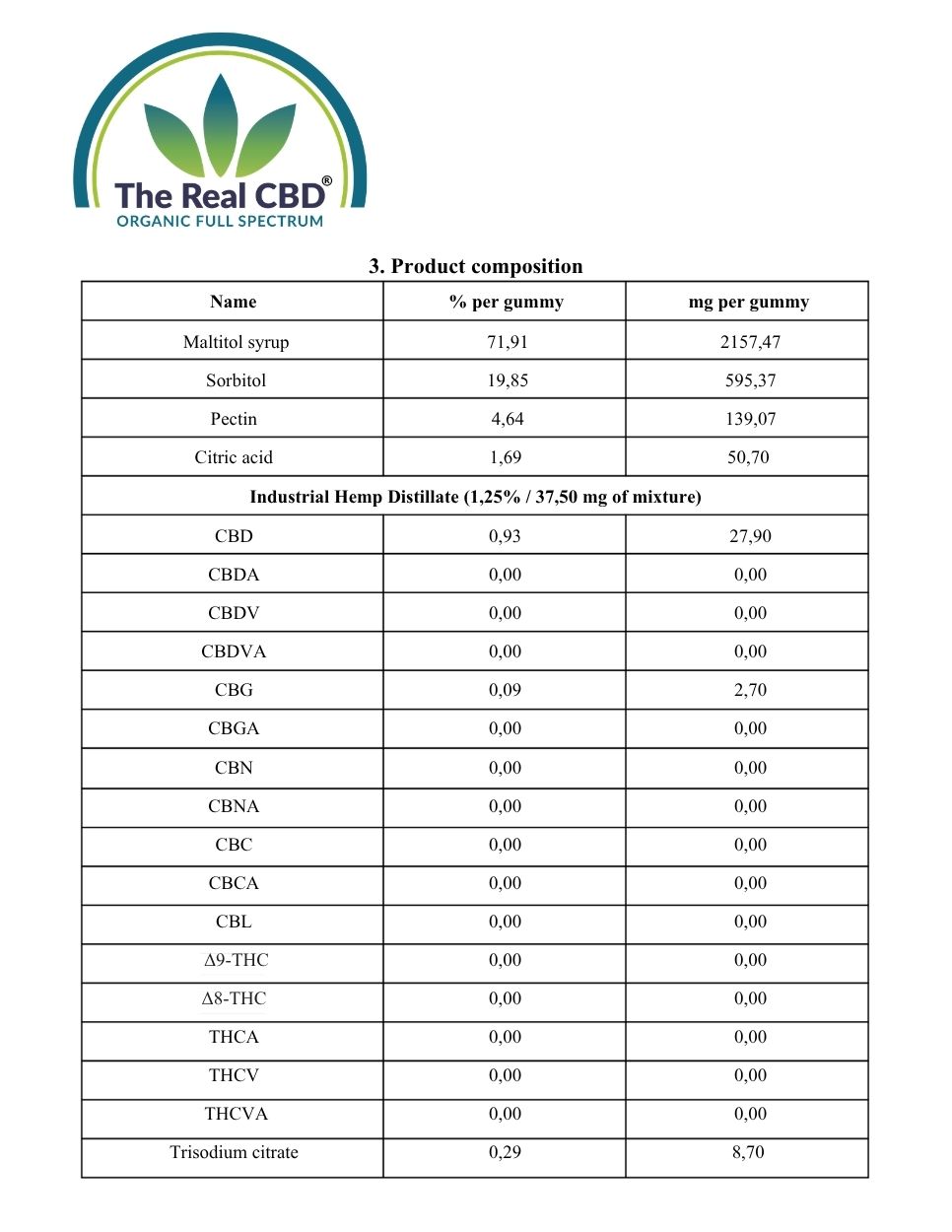
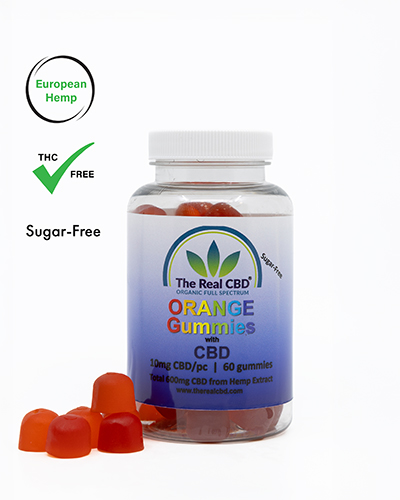
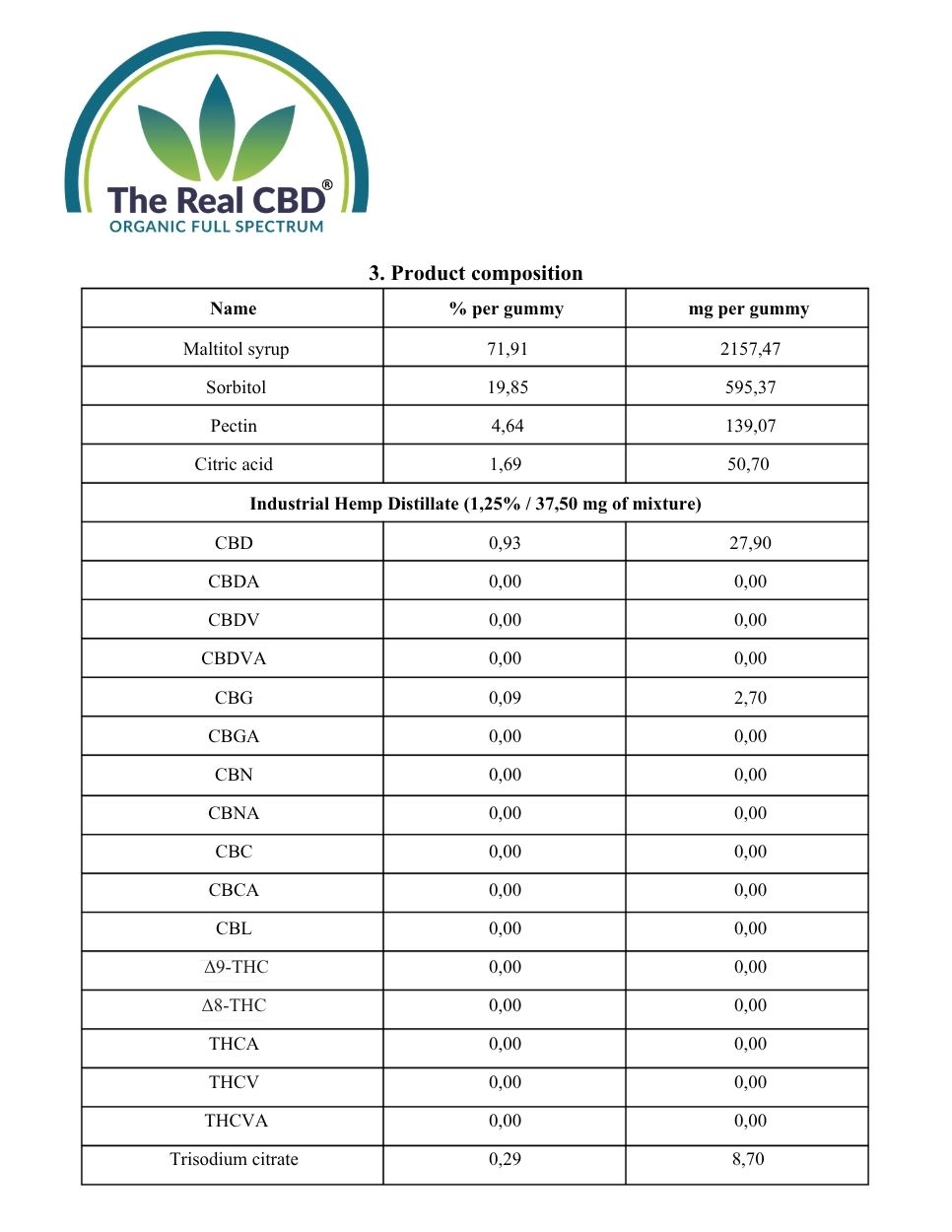
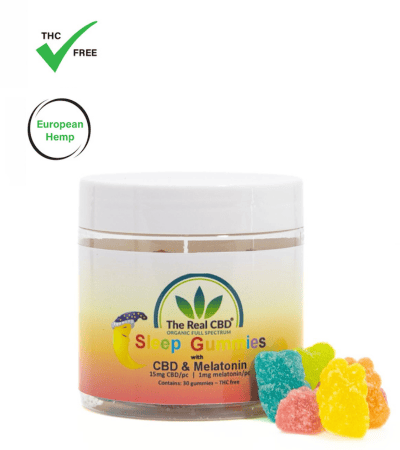
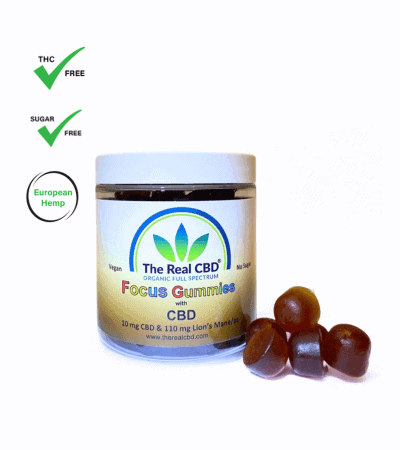
- CBD Gummies – Easy to consume with long-lasting effects.
CBD Dosage: How Much Should You Take?
Start low and slow. Everyone’s body reacts differently, especially with inflammation and immune issues.
- Starting point: 5–10mg twice a day
- Increase gradually every few days if needed
- Listen to your body – more isn’t always better
If in doubt, chat with a CBD expert or your healthcare provider (especially if you’re on meds).
⚠️ A Few Tips:
- Consistency is key – CBD works best when used daily.
- Keep a journal of symptoms and flare-ups to track changes.
- Make sure you’re using high-quality, lab-tested products (preferably full-spectrum).
Are There Any Side Effects of Using CBD?
CBD is generally well-tolerated, but may cause:
- Dry mouth
- Drowsiness
- Changes in appetite
- Potential interactions with medications
Best Ways to Use CBD for Auto-Inflammatory Diseases
1. CBD Oil (under the tongue)
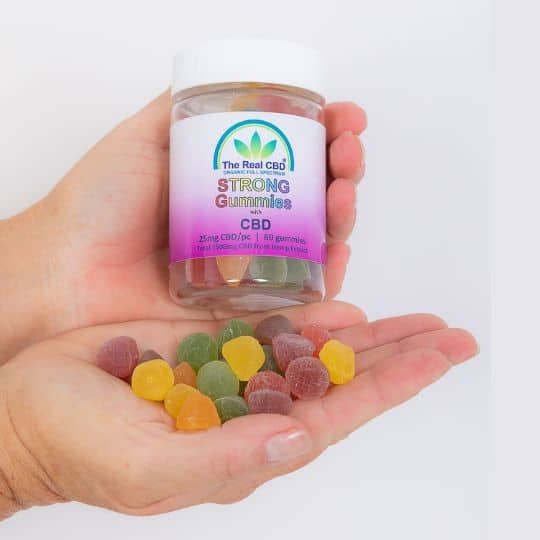
- How: Place a few drops under your tongue, hold for 60 seconds, then swallow.
- Why: It absorbs quickly into the bloodstream and gives full-body effects.
- When: 1–2 times per day, or during flare-ups.
- How: Take like a daily supplement.
- Why: Easy to use and gives steady, longer-lasting effects.
- When: Once or twice daily for ongoing support.
3. Topical CBD Balms
- How: Apply directly to swollen or painful joints.
- Why: Targets inflammation right at the source.
- When: As needed.
4. CBD + Other Cannabinoids (Full-Spectrum)
- Why it matters: Full-spectrum CBD contains all the natural cannabinoids from the plant, not just CBD. These work together in what’s called the “entourage effect”—making the relief even more powerful.
How to Choose High-Quality CBD Products
To ensure you’re getting the best product, look for:
- Third-party lab testing
- Full-spectrum or broad-spectrum CBD
- Organic, pesticide-free sources
- Positive customer reviews
Conclusion
CBD may offer a natural alternative for those struggling with auto-inflammatory diseases. While more research is needed, its potential for reducing inflammation and improving quality of life is promising. Always consult a doctor before starting CBD.
Frequently Asked Questions (FAQs)
No, CBD does not cure AIDs, but it may help manage symptoms like inflammation and pain.
Effects vary, but most people notice relief within 30 minutes to 2 hours, depending on the method used.
CBD may interact with some medications. It’s best to consult your doctor before use.
CBD oil under the tongue or CBD capsules are often recommended for systemic relief.
Most studies suggest CBD is safe for long-term use, but monitoring for side effects is recommended.
CBD is opening new doors for managing auto-inflammatory diseases. Could it be the right choice for you? Always choose high-quality products and seek professional guidance!
The Real CBD for Auto-Inflammatory Diseases
CBD Sleep Gummy Bears

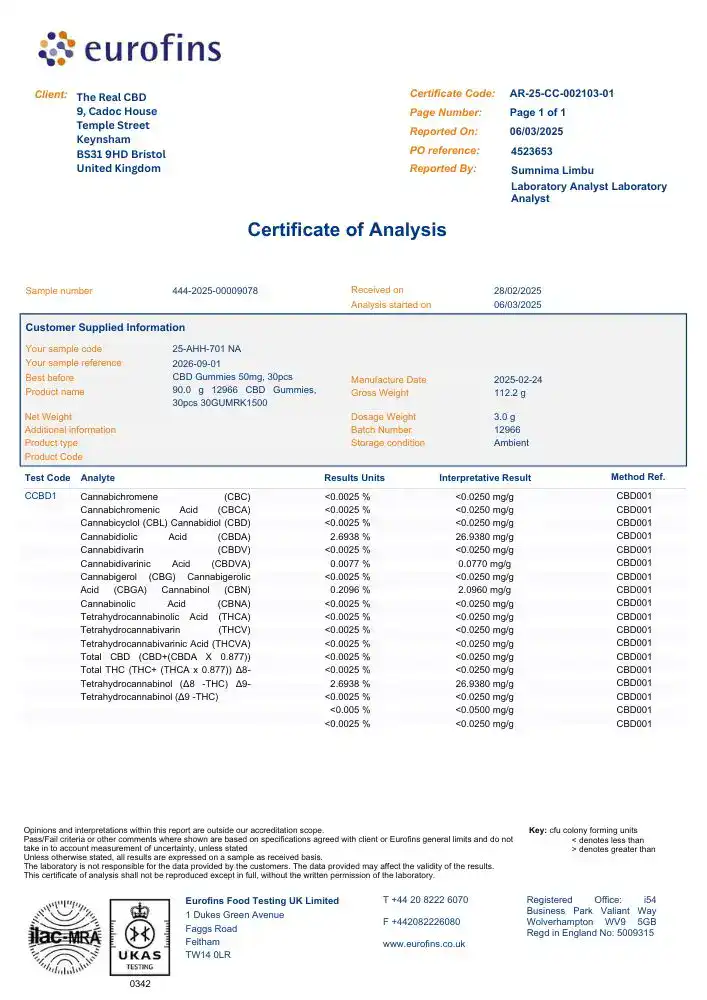
CBD gummies – 50mg CBD

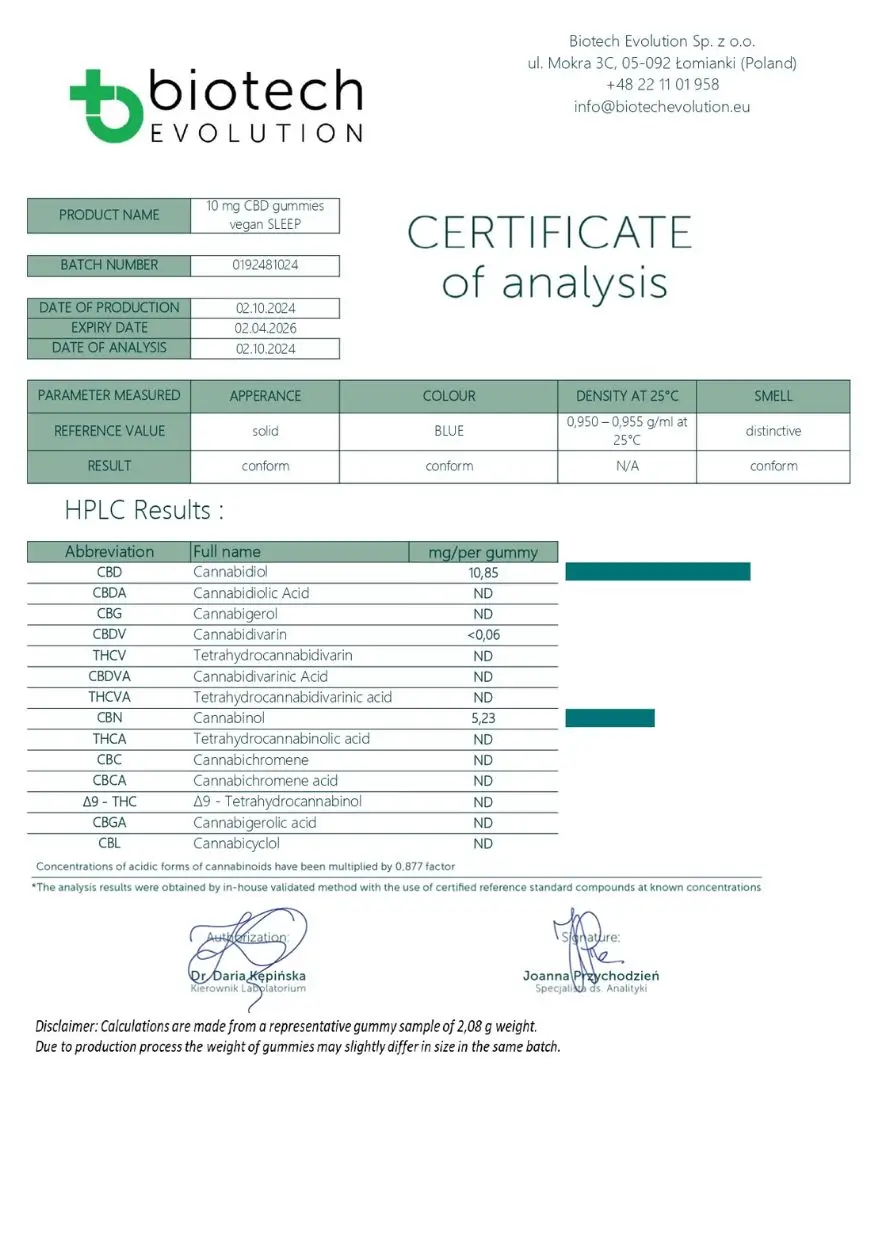
CBD Sleep Gummies

I am a certified expert in Medicinal Cannabis. We are all about giving correct and trustworthy information. We know how important it is to learn about CBD and cannabis, which is why we want to be your go-to source for trustworthy information. We help you improve your health by using our knowledge and experience as a starting point.













Leave a Reply
Want to join the discussion?Feel free to contribute!