
Le CBD comme neuroprotection dans les sports de contact
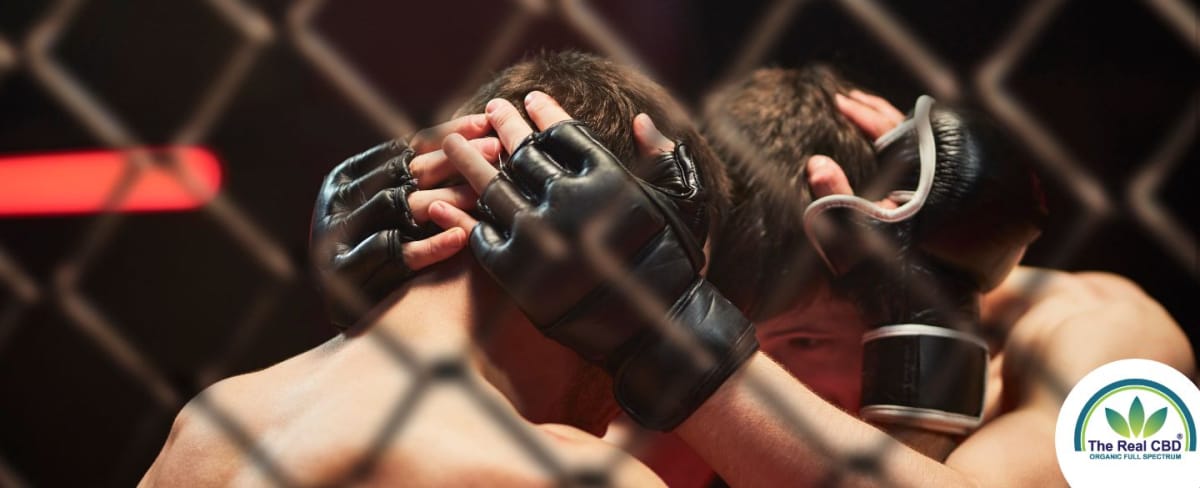
Welcome to this blog about Neuroprotection in Contact Sports. Have you ever wondered how we can protect the brains of our favourite athletes in high-impact sports? What if there was a natural compound that could act like a helmet for your neurons? Well, buckle up, sports fans and health enthusiasts, because we’re about to dive into the fascinating world of CBD and its potential neuroprotective benefits for contact sports athletes.
In recent years, the buzz around CBD has grown louder than a stadium full of excited fans. But this isn’t just another fad – it’s a potential revolution in how we approach brain health in sports. From the football field to the boxing ring, athletes are constantly at risk of traumatic brain injuries. But what if CBD could be the defensive line that keeps their neurons safe?
In this article, we’ll explore how CBD might be the MVP in protecting athletes’ brains, helping them recover from concussions, and ensuring their long-term cognitive health. So, let’s kick off this journey into the world of CBD and neuroprotection for contact sports!
Temps de lecture estimé : 23 minutes
- Understanding CBD: More Than Just a Trendy Supplement
- The Brutal Reality of Brain Injuries in Contact Sports
- CBD’s Potential Benefits for Concussion Recovery
- Shielding the Brain: CBD as a Neuroprotective Agent
- CBD’s Neuroprotective Mechanisms
- CBD and Blood-Brain Barrier Protection
- How CBD Might Help as neuroprotection in Contact Sports
- CBD vs. Traditional PCS Treatments
- Combiner le CBD avec d'autres thérapies
- CBD as a Daily Supplement for Brain Health
- CBD and Neurodegenerative Diseases
- CBD and Neuroinflammation: Calming the Storm
- Implementing CBD in Sports Medicine: Challenges and Opportunities
- Conclusion: Is CBD the Game-Changer We’ve Been Waiting For?
- FAQ – CBD as neuroprotective in contact sports
- The Real CBD for contact sports
Understanding CBD: More Than Just a Trendy Supplement

Let’s start by clearing the air – CBD isn’t some magical elixir or a cousin of marijuana that’ll get you high. CBD, abréviation de cannabidiol, is a compound found in cannabis plants that’s been making waves in the health and wellness world. Unlike its infamous relative THC, CBD doesn’t have psychoactive effects. Instead, it’s been lauded for its potential therapeutic benefits.
But what exactly is CBD, and why are we talking about it in the context of sports? Well, imagine CBD as a key that fits into special locks in our body called endocannabinoid receptors. These receptors are part of a larger system that helps regulate various bodily functions, including douleur sensation, mood, and yes, you guessed it – neuroprotection.
Les système endocannabinoïde (ECS) plays a crucial role in maintaining our body’s balance, or homéostasie. It’s like the body’s internal coaching staff, making sure all the players (our organs and systems) are working together smoothly. When CBD enters the game, it can potentially enhance the ECS’s ability to keep things en cours d'exécution smoothly, especially when the body is under stress – like after a particularly rough tackle or a knockout punch.
CBD’s Unique Properties
What makes CBD stand out in the lineup of potential neuroprotective agents? Here are a few key players:
- Propriétés anti-inflammatoires: Le CBD peut contribuer à réduire l'inflammation, which is a major player in lésions cérébrales after an injury.
- Effets antioxydants: It can combat oxidative stress, which is like rust for your brain cells.
- Neurogenesis promotion: Some studies suggest CBD might help in the creation of new brain cells.
These properties make CBD an intriguing prospect for athletes in high-impact sports who are constantly at risk of brain injuries. But before we dive deeper into how CBD might protect our athletes’ brains, let’s take a moment to understand the brutal reality of brain injuries in contact sports. CBD as Neuroprotection in Contact Sports is a gamechanger.
🔹 L'étude : Research in Frontiers in Immunology (2018) found that CBD has fast-acting antidepressant-like effects by increasing brain-derived neurotrophic factor (BDNF), which is crucial for mental well-being.
📖 Source : (Sales et al., 2018)
The Brutal Reality of Brain Injuries in Contact Sports
Picture this: a football player takes a bone-crushing hit, a boxer receives a knockout punch, or a hockey player slams head-first into the boards. These aren’t just highlight-reel moments; they’re potential turning points in an athlete’s life and career. Traumatic brain injuries (TBIs) and concussions are the silent epidemics plaguing contact sports.
The Invisible Opponent
Unlike a broken bone or a torn ligament, brain injuries often don’t show visible signs. They’re the invisible opponents that athletes grapple with long after the final whistle blows. These injuries can range from mild concussions to severe TBIs, each carrying its own set of immediate and long-term consequences.
Concussions, the most common form of TBI in sports, occur when a sudden impact causes the brain to move inside the skull. Symptoms can include:
- Maux de tête
- Vertiges
- Confusion
- Memory problems
- Nausées
- Questions d'équilibre
But here’s the kicker – these symptoms are just the tip of the iceberg. The real danger lies in the cumulative effect of multiple concussions over time.
The Long-Term Impact
Repeated brain injuries can lead to a condition known as Chronic Traumatic Encephalopathy (CTE), a degenerative brain disease found in athletes, military veterans, and others with a history of repetitive brain trauma. CTE can cause:
- Perte de mémoire
- Confusion
- Impaired judgment
- Impulse control problems
- Agression
- Dépression
- Suicidal thoughts
The tragic stories of former NFL players like Junior Seau and Aaron Hernandez, who were diagnosed with CTE post-mortem, have brought this issue into the spotlight. But it’s not just football – boxing, hockey, rugby, and even soccer have their fair share of brain injury risks.
The Need for Better Protection
Traditional approaches to preventing and treating brain injuries in sports have included:
- Improved helmet technology
- Stricter concussion protocols
- Rest and gradual return-to-play strategies
While these measures are crucial, they’re not enough. We need to think outside the box – or in this case, outside the helmet. This is where CBD enters the playing field, offering a potential new line of defense against the devastating effects of brain injuries in contact sports.
As we move forward, we’ll explore how CBD might be the teammate every athlete needs in their fight against brain injuries. From aiding in concussion recovery to potentially preventing long-term damage, CBD as Neuroprotection in Contact Sports could be the game-changer we’ve been waiting for in the world of contact sports.
CBD’s Potential Benefits for Concussion Recovery
When an athlete suffers a concussion, it’s like their brain has been caught in a surprise blitz. The impact sets off a cascade of chemical changes, leading to l'inflammation and oxidative stress. This is where CBD might step in as the ultimate defensive coordinator.
Reducing Inflammation: CBD’s Anti-Inflammatory Prowess
One of CBD’s most promising attributes in concussion recovery is its potent propriétés anti-inflammatoires. After a concussion, the brain experiences a surge of inflammation, which can exacerbate damage and slow down healing. CBD interacts with the body’s endocannabinoid system to potentially reduce this inflammatory response.
Think of it this way: if your brain is a football field after a muddy game, inflammation is like leaving the field as is. CBD acts like a grounds crew, helping to clean up the mess and prepare the field for the next game. By potentially reducing inflammation, CBD might help create an environment more conducive to healing.
Neuroprotection: Shielding Neurons from Further Damage
Beyond tackling inflammation, CBD shows promise in protecting neurons from further damage after a concussion. Studies suggest that CBD may have neuroprotective properties, potentially helping to preserve brain cells that might otherwise be lost due to the injury.
Imagine your neurons as players on a team. After a big hit (concussion), some players are at risk of being benched permanently (cell death). CBD might act like a skilled coach, keeping more players in the game and maintaining the team’s overall performance.
Promoting Neuroplasticity: Rebuilding the Brain’s Playbook
Another exciting aspect of CBD’s potential in concussion recovery is its ability to promote neuroplasticity – the brain’s ability to reorganize itself by forming new neural connections. This is crucial for recovery as it helps the brain adapt and potentially compensate for damaged areas.
It’s like giving the brain the ability to rewrite its playbook after a tough loss. CBD might help the brain create new strategies (neural pathways) to work around the damage caused by the concussion, potentially leading to faster and more complete recovery. CBD as Neuroprotection in Contact Sports.
Managing Symptoms: CBD as a Multi-Faceted Player
Concussions come with a range of symptoms that can significantly impact an athlete’s quality of life. CBD’s diverse properties might help manage several of these symptoms:
- Soulagement de la douleur: CBD’s analgesic properties could help with post-concussion headaches.
- Amélioration du sommeil: Many concussion sufferers struggle with sleep disturbances. CBD might help regulate sleep patterns.
- Anxiety and mood regulation: CBD’s potential anxiolytic effects could help manage the mood changes often associated with concussions.
By potentially addressing these symptoms, CBD could help athletes navigate the challenging recovery period more comfortably and effectively.
The Potential for Faster Recovery
While more research is needed, early studies and anecdotal evidence suggest that CBD might help speed up recovery time from concussions. By potentially reducing inflammation, protecting neurons, promoting neuroplasticity, and managing symptoms, CBD could help athletes get back in the game faster – but more importantly, safer.
However, it’s crucial to note that CBD should be seen as part of a comprehensive concussion management strategy, not a standalone cure. Proper medical evaluation, rest, and gradual return-to-play protocols remain essential.
As we move forward, we’ll delve deeper into how CBD might protect against traumatic brain injuries, potentially changing the game for athletes in high-impact sports.
Shielding the Brain: CBD as a Neuroprotective Agent
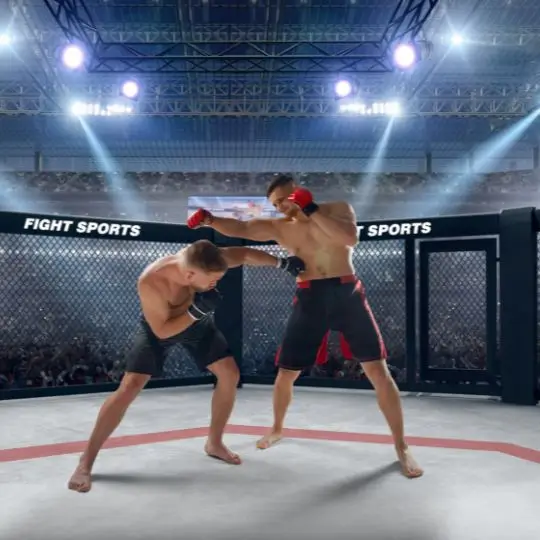
Imagine if we could equip our athletes with an invisible force field that helps protect their brains from the impact of every tackle, every punch, every collision. While we’re not quite in the realm of science fiction, CBD’s potential as a neuroprotective agent might be the next best thing.
Understanding Neuroprotection
Before we dive into CBD’s role, let’s break down what neuroprotection means. Neuroprotection refers to mechanisms and strategies used to protect neuronal structure and function. In simpler terms, it’s about safeguarding our brain cells from damage, degeneration, or impairment of function.
In contact sports, where the risk of traumatic brain injury (TBI) is high, neuroprotection is crucial. It’s not just about dealing with injuries after they happen, but potentially preventing or minimizing the damage in the first place.
CBD’s Neuroprotective Mechanisms
So, how might CBD act as a neuroprotective agent? Let’s break it down:
- Propriétés antioxydantes: Le CBD est un puissant antioxydant, potentially even more potent than vitamins C and E. Antioxidants help combat oxidative stress, which is a major contributor to brain cell damage after a TBI. Think of oxidative stress as rust in your brain – CBD helps keep things from getting rusty.
- Reducing Excitotoxicity: After a brain injury, there’s often an excessive release of neurotransmitters like glutamate, which can lead to cell damage and death. CBD may help regulate glutamate levels, potentially preventing this cascade of damage.
- Effets anti-inflammatoires: We’ve touched on this before, but it’s worth repeating. CBD’s anti-inflammatory properties could help reduce the brain swelling that often accompanies TBI.
- Promouvoir la neurogenèse: Certaines études suggèrent que CBD might stimulate the growth of new neurons. This could be particularly beneficial in helping the brain repair itself after injury.
Potential for Preventing Long-Term Damage
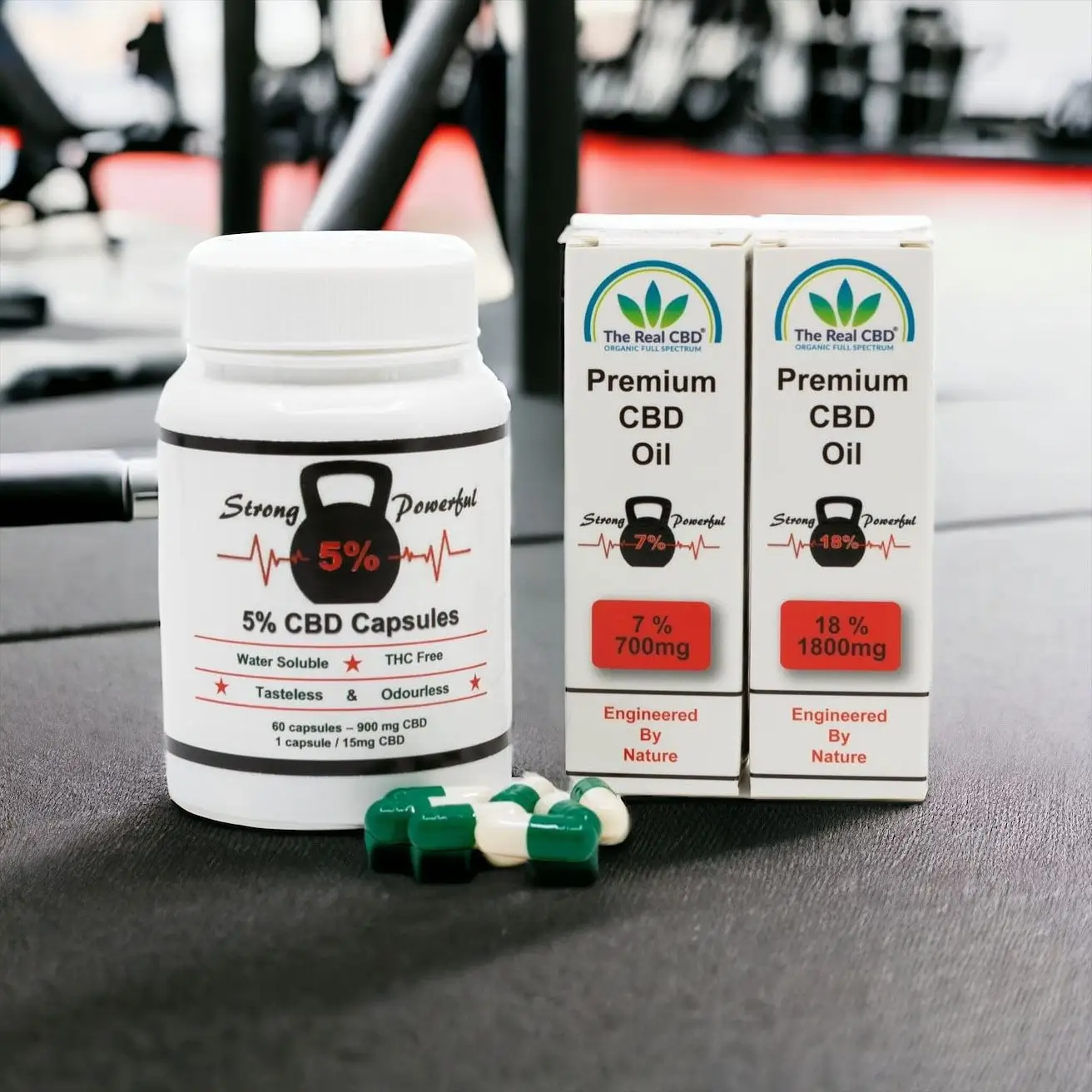
One of the most exciting aspects of CBD’s neuroprotective potential is its possible role in preventing long-term damage from repeated impacts. In contact sports, it’s often not a single big hit that causes the most damage, but the accumulation of smaller impacts over time.
CBD’s neuroprotective properties might help mitigate this cumulative damage. It’s like having a repair crew constantly at work, fixing small damages before they can add up to something more serious.
CBD and Blood-Brain Barrier Protection
The blood-brain barrier (BBB) is a crucial defense system that protects our brain from harmful substances in the bloodstream. TBI can disrupt this barrier, potentially leading to further complications. Some studies suggest that CBD might help maintain the integrity of the BBB after injury, providing another layer of protection for the brain.
While the research on CBD’s neuroprotective properties is still in its early stages, the potential is exciting. As we continue to search for ways to make contact sports safer, CBD could be a valuable player in our neuroprotective lineup. CBD as Neuroprotection in Contact Sports is a studied natural approach that should be taken serious.
Next, we’ll explore how CBD might help manage the often challenging symptoms of post-concussion syndrome, offering hope for athletes struggling with lingering effects of brain injuries.
How CBD Might Help as neuroprotection in Contact Sports
CBD’s diverse properties make it a potentially valuable tool in managing the various symptoms of PCS. Let’s break down how CBD might help as neuroprotection in Contact Sports:
- Gestion de la douleur CBD’s analgesic properties could help alleviate the persistent headaches often associated with PCS. By interacting with pain receptors in the brain and nerveux system, CBD might help reduce the frequency and intensity of these headaches.
- Régulation de l'humeur The mood changes that come with PCS can be as debilitating as the physical symptoms. CBD’s potential anxiolytic (anti-anxiety) and antidepressant effects could help stabilize mood, potentially easing the emotional roller coaster that many PCS sufferers experience.
- Amélioration du sommeil Many people with PCS struggle with sleep disturbances. CBD has shown promise in regulating sleep patterns, potentially helping athletes get the rest they need to recover. Think of it as a lullaby for your brain, helping it settle down after the chaos of a concussion.
- Cognitive Function While more research is needed, some studies suggest that CBD might help improve cognitive function. This could be particularly beneficial for PCS sufferers dealing with memory and concentration issues.
- Neuroprotection and Neuroplasticity We’ve discussed CBD’s potential neuroprotective properties, but it’s worth mentioning again in the context of PCS. By potentially protecting neurons and promoting neuroplasticity, CBD might help the brain heal and adapt over time.
CBD vs. Traditional PCS Treatments
Traditional treatments for PCS often include pain relievers, antidepressants, and cognitive therapy. While these can be effective, they sometimes come with unwanted side effects. CBD, on the other hand, is generally well-tolerated and has a good safety profile.
Moreover, CBD’s multi-faceted approach to symptom management could potentially address multiple PCS symptoms simultaneously. It’s like having an all-round player who can cover multiple positions on the field.
Combiner le CBD avec d'autres thérapies
CBD shouldn’t be seen as a magic bullet, but rather as part of a comprehensive approach to managing PCS. Combining CBD with other treatments like cognitive behavioral therapy, physical therapy, and proper nutrition could potentially yield the best results.
It’s like creating a winning strategy that uses multiple plays to overcome a tough defense. CBD could be a key player in this strategy, working alongside other treatments to help athletes reclaim their health and potentially their careers.
Long-Term Brain Health: CBD’s Role in Athletes’ Cognitive Longevity
As we’ve explored the potential Les bienfaits du CBD for concussion recovery and managing post-concussion syndrome, let’s zoom out and look at the bigger picture: long-term brain health for athletes in contact sports.
The Long Game: Cognitive Health in Retirement
For many athletes, the effects of their sporting career can extend far beyond their playing days. Repeated head impacts, even those that don’t result in diagnosed concussions, can lead to long-term cognitive issues. It’s like each hit deposits a tiny bit of wear and tear that accumulates over time.
This is where CBD’s potential neuroprotective properties become particularly intriguing. Could regular use of CBD help mitigate this cumulative damage and promote better cognitive health in the long run?
CBD as a Daily Supplement for Brain Health
Some athletes and researchers are beginning to explore the idea of using CBD as a daily supplement, much like a multivitamin for the brain. The potential benefits could include:
- Ongoing Neuroprotection: Regular CBD use might provide continuous support to the brain’s defense mechanisms against trauma and oxidative stress.
- Promouvoir la neuroplasticité: CBD’s potential to support neuroplasticity could help the brain adapt and rewire itself, potentially offsetting some of the negative effects of repeated impacts.
- Reducing Chronic Inflammation: Long-term, low-grade inflammation in the brain is associated with various neurodegenerative conditions. CBD’s anti-inflammatory properties might help keep this in check.
- Supporting Overall Brain Function: Some studies suggest that CBD might support cognitive functions like memory and focus, which could be beneficial for athletes both during and after their careers.
En savoir plus sur le CBD
CBD and Neurodegenerative Diseases
A growing concern for many retired contact sport athletes is the increased risk of neurodegenerative diseases like Chronic Traumatic Encephalopathy (CTE), Alzheimer’s, et La maladie de Parkinson. While research is still in its early stages, CBD’s neuroprotective and anti-inflammatory properties have shown promise in animal studies related to these conditions.
It’s important to note that CBD is not a cure for these diseases, but its potential protective effects could be a valuable tool in a comprehensive brain health strategy for athletes.
The Importance of Early Intervention
One of the most exciting aspects of CBD’s potential in long-term brain health is the possibility of early intervention. By incorporating CBD into their health regimen early in their careers, athletes might be able to protect their brains proactively, rather than trying to address issues after they’ve already developed.
Think of it like starting a retirement savings account for your brain – the earlier you start, the more you might benefit in the long run.
Défis et considérations
While the potential of CBD for long-term brain health in athletes is exciting, it’s important to acknowledge the challenges and unknowns:
- Long-term Studies Needed: Most of the current research on CBD’s neuroprotective effects is short-term. We need more long-term studies to fully understand its effects over an athlete’s career and beyond.
- Dosage et calendrier: The optimal dosage and timing of CBD use for long-term brain health are still unclear and likely vary from person to person.
- Interaction with Other Supplements and Medications: Athletes often take various supplements and medications. More research is needed on how CBD interacts with these substances over time.
- Regulatory Concerns: The legal status of Le CBD dans le sport is still evolving. Athletes need to stay informed about regulations in their sport and jurisdiction.
CBD and Neuroinflammation: Calming the Storm
One of the key ways CBD may protect the brain is by reducing neuroinflammation. When the brain is injured, it triggers an inflammatory response. While some inflammation is necessary for healing, too much can cause additional damage.
Studies have shown that CBD can modulate the système immunitaire and reduce the production of inflammatory molecules called cytokines. In the context of brain injury, this could mean less swelling and potentially faster healing. CBD as Neuroprotection in Contact Sports.
Oxidative Stress: CBD as an Antioxidant
Another way CBD might protect the brain is through its antioxidant properties. When the brain is injured, it experiences oxidative stress – think of it as rust accumulating on your brain cells. This oxidative stress can lead to cell death and is a significant factor in the long-term damage associated with traumatic brain injuries.
CBD has been shown to have powerful antioxidant effects, potentially even more potent than vitamins C and E. By combating oxidative stress, CBD might help preserve brain cells that would otherwise be lost due to injury.
Neurogenesis and Brain Plasticity: Rebuilding and Rewiring
Perhaps one of the most exciting potential Les bienfaits du CBD is its ability to promote neurogenesis – the creation of new brain cells. Some studies suggest that CBD can stimulate the growth of new neurons in the hippocampus, a part of the brain crucial for memory and learning.
Moreover, CBD might enhance brain plasticity – the brain’s ability to change and adapt. For athletes recovering from brain injuries, this could mean better ability to relearn skills and compensate for damaged areas of the brain.
CBD and Excitotoxicity: Protecting Against Overexcitation
After a brain injury, there’s often an excessive release of excitatory neurotransmitters like glutamate. This can lead to a phenomenon called excitotoxicity, where neurons become damaged or die due to overactivation.
Research suggests that CBD might help regulate glutamate levels, potentially protecting neurons from this excitotoxic damage. It’s like CBD is a traffic controller, helping to prevent neuronal gridlock and crashes.
The Entourage Effect: CBD and Other Cannabinoids
While we’ve focused on CBD, it’s worth noting that it’s just one of many cannabinoïdes found in the cannabis plant. Some researchers believe that CBD works best when combined with other cannabinoids and compounds found in the plant, a phenomenon known as the effet d'entourage.
For athletes considering CBD for neuroprotection, this might mean that full-spectrum Produits CBD (which contain a range of cannabinoids) could potentially be more effective than Isolat de CBD. However, more research is needed to fully understand this effect.
Implementing CBD in Sports Medicine: Challenges and Opportunities

As the potential benefits of CBD for neuroprotection in contact sports become more apparent, the question arises: how do we implement CBD into sports medicine practices? This transition is not without its challenges, but it also presents exciting opportunities for improving athlete care.
Challenges in Implementing CBD in Sports Medicine
- Regulatory Hurdles The legal status of CBD varies across different countries and states, making it challenging to implement universally in sports medicine. Sports organizations need to navigate these complex legal landscapes.
- Standardization and Quality Control The CBD market is still largely unregulated, leading to concerns about product quality, purity, and consistency. Ensuring athletes have access to high-quality, reliable CBD products is crucial.
- Dosage et administration Determining the optimal dosage and method of administration for CBD in sports contexts is still a work in progress. Factors like an athlete’s body weight, metabolism, and the specific condition being treated can all affect the ideal dosage.
- Drug Testing Concerns While CBD itself is not prohibited by most sports organizations, some CBD products may contain trace amounts of THC, which could potentially lead to a positive drug test. Clear guidelines and reliable testing methods are needed.
- Education and Awareness There’s a need for comprehensive education about Le CBD pour les sportifs, coaches, and medical staff. Misconceptions and stigma surrounding cannabis-derived products can be a barrier to acceptance.
- Integration with Existing Protocols Incorporating CBD into established concussion protocols and long-term brain health strategies requires careful consideration and potential adjustments to existing practices.
Opportunities in Implementing CBD in Sports Medicine
- Enhanced Recovery Options CBD could potentially offer athletes a new tool for managing pain and inflammation, possibly reducing reliance on NSAIDs and opioïdes.
- Médecine personnalisée The variable effects of CBD from person to person open up opportunities for more personalized treatment plans in sports medicine.
- Proactive Brain Health Strategies CBD’s potential neuroprotective properties could allow for more proactive approaches to brain health in contact sports, rather than just reactive treatments after injuries occur.
- Research Advancement Implementing CBD in sports medicine could drive further research into its effects, potentially leading to new discoveries and applications.
- Holistic Health Approaches CBD’s diverse effects could promote more holistic approaches to athlete health, considering not just physical symptoms but also factors like qualité du sommeil and anxiety management.
- Potential for Safer Sports If CBD proves effective in protecting against brain injuries, it could contribute to making contact sports safer, potentially extending athletes’ careers and improving long-term health outcomes.
Steps Towards Implementation
- Research and Clinical Trials More sport-specific research is needed to understand CBD’s effects in athletic contexts. Large-scale, long-term clinical trials could provide valuable data.
- Develop Clear Guidelines Sports organizations need to develop clear guidelines on CBD use, including approved products, dosages, and testing protocols.
- Establish Quality Standards Implementing strict quality control standards for CBD products used in sports medicine is crucial to ensure safety and efficacy.
- Education Programs Comprehensive education programs for athletes, coaches, and medical staff can help dispel myths and provide accurate information about CBD.
- Collaborate with Experts Sports organizations should collaborate with CBD researchers, neuroscientists, and other relevant experts to develop evidence-based protocols.
- Monitor and Adjust As CBD is implemented, careful monitoring of its effects and outcomes will be necessary, with protocols adjusted based on real-world data.
- Considérations juridiques et éthiques Sports organizations must work closely with legal experts
Conclusion: Is CBD the Game-Changer We’ve Been Waiting For?
As we reach the final whistle in our exploration of CBD and neuroprotection for contact sports, it’s clear that we’re standing on the cusp of an exciting new frontier in athlete health and safety. CBD, with its potential neuroprotective, anti-inflammatory, and anxiety-reducing properties, offers a promising addition to our playbook for protecting athletes’ brains.
However, like any new strategy, it’s not without its challenges. The need for more comprehensive research, regulatory hurdles, and questions about optimal usage all remind us that CBD is not a magic bullet, but rather a potential tool in a larger, more holistic approach to brain health in sports.
What’s certain is that the conversation around CBD and neuroprotection is changing the game. It’s pushing us to think differently about how we protect our athletes, challenging long-held assumptions, and opening up new possibilities for treatment and prevention. As research progresses and our understanding deepens, CBD may well prove to be a valuable player in our efforts to make contact sports safer and to support the long-term health of the athletes we admire.
The future of CBD in sports medicine is as thrilling as a last-minute touchdown, as complex as a championship chess match, and as important as the health of every athlete who steps onto the field. While we may not have all the answers yet, the potential benefits of CBD for neuroprotection in contact sports make it a player worth watching closely in the years to come. As we move forward, it’s crucial that we continue to prioritize athlete safety, support ongoing research, and remain open to innovative approaches like CBD. After all, in the high-stakes game of
FAQ – CBD as neuroprotective in contact sports
Common concussion symptoms include headaches, dizziness, confusion, memory problems, nausea, and balance issues. These symptoms may appear immediately or develop over time.
Repeated brain injuries can lead to Chronic Traumatic Encephalopathy (CTE), a degenerative brain disease causing memory loss, confusion, impaired judgment, aggression, depression, and suicidal thoughts.
CBD may help by reducing inflammation, protecting neurons, promoting neuroplasticity, and managing symptoms such as pain, anxiety, and sleep disturbances, potentially supporting faster and more complete recovery.
CBD’s neuroprotective properties, including antioxidant effects, reducing excitotoxicity, and promoting neurogenesis, may help mitigate cumulative brain damage from repeated impacts in contact sports.
CBD may help manage PCS symptoms by reducing headaches, improving mood, regulating sleep, and supporting cognitive function, potentially aiding in long-term brain healing and symptom relief.
En savoir plus sur les FAQ
Si vous souhaitez obtenir des réponses plus précises à vos questions, veuillez consulter nos FAQ détaillées.
- FAQ - Foire aux questions
- FAQ - Le CBD contre la douleur
- FAQ - Le CBD pour le sommeil
- FAQ - Le CBD contre l'anxiété, le stress et la dépression
- FAQ - Le CBD pour l'inflammation
- FAQ - Le CBD pour les performances sportives
- FAQ - Le CBD pour la gestion du poids
💚 Besoin d'aide pour choisir le CBD qui vous convient ?
Nous proposons consultations gratuites avec nos experts en CBD. Prendre contact pour trouver le produit le mieux adapté à votre stress, votre anxiété ou votre équilibre émotionnel.
The Real CBD for contact sports
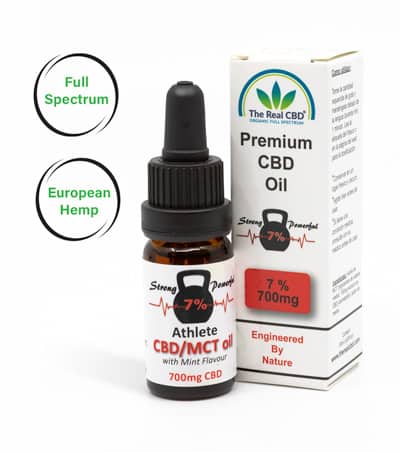
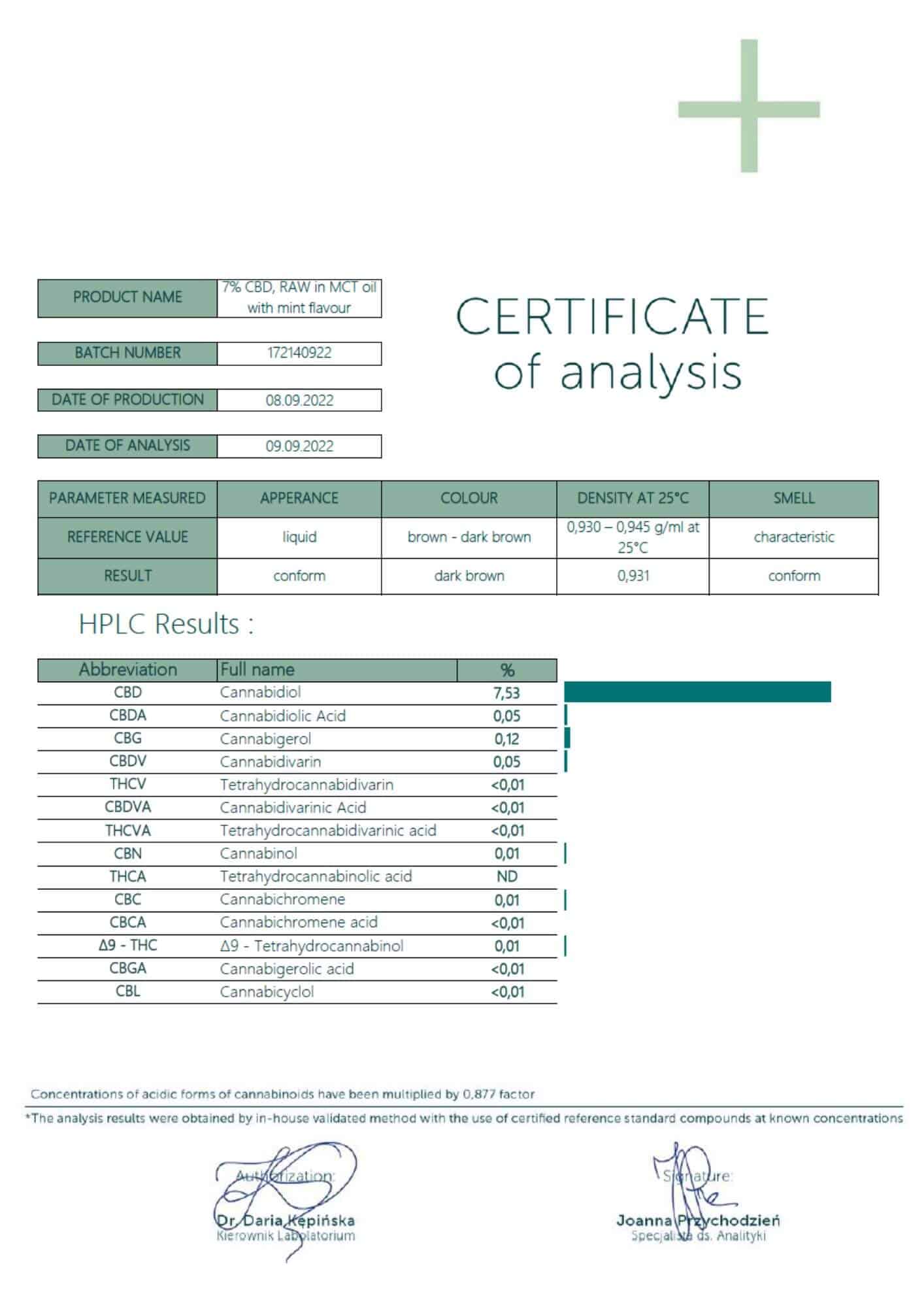
Huile MCT/CBD Athlete 7%
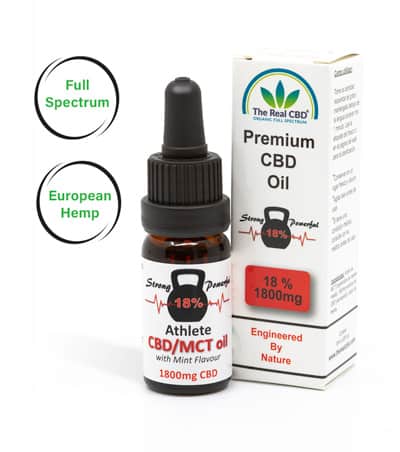
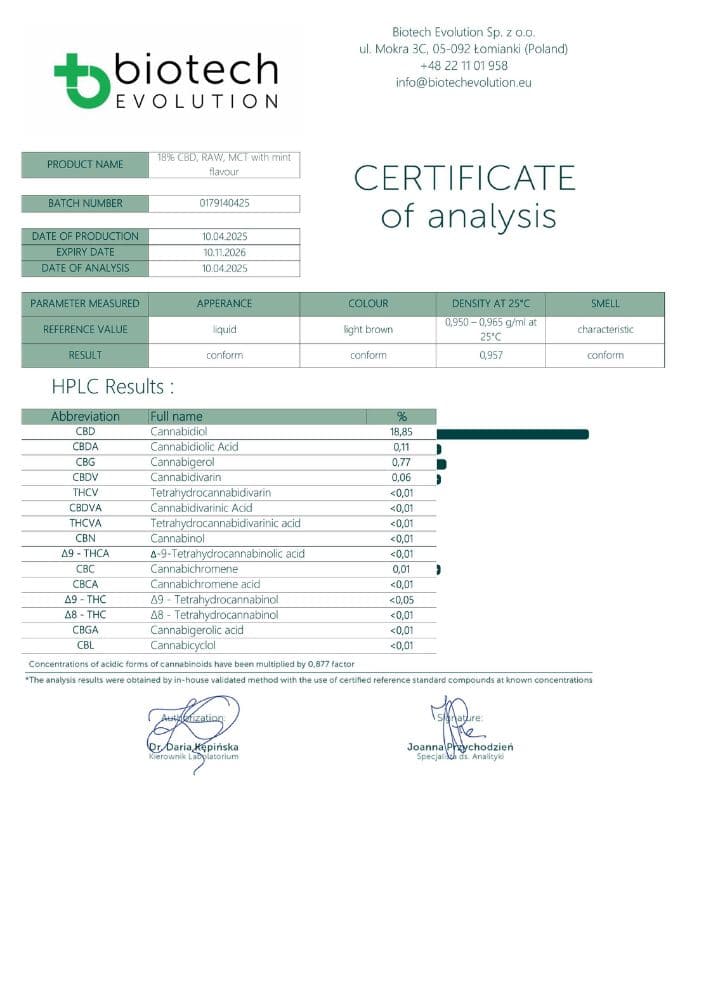
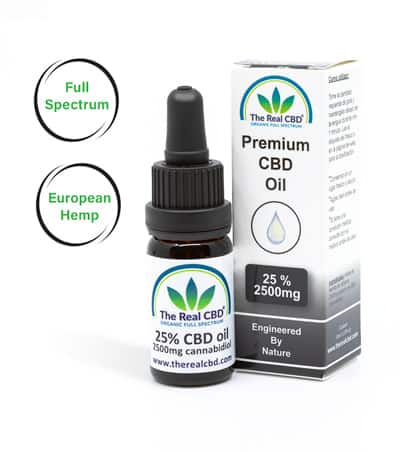
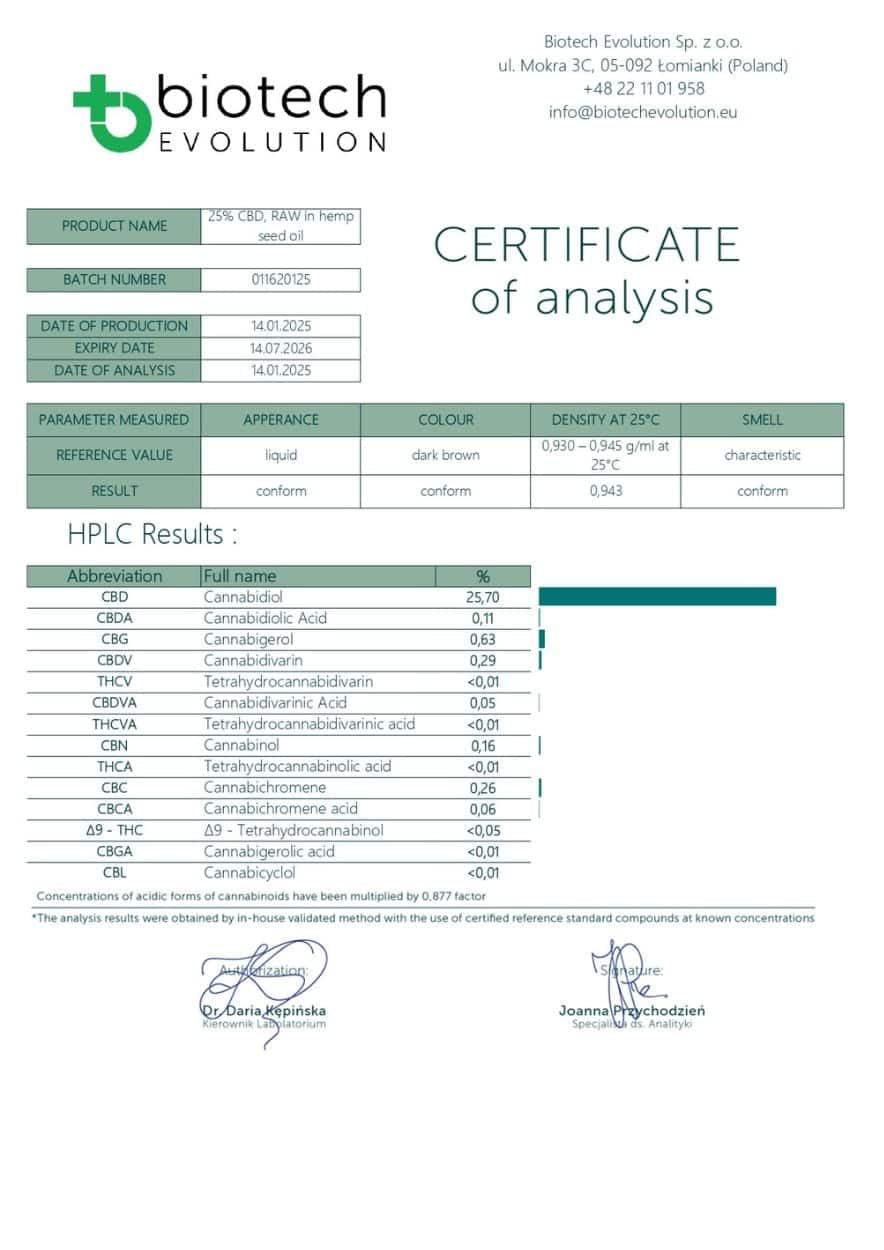
25% Huile de CBD pure

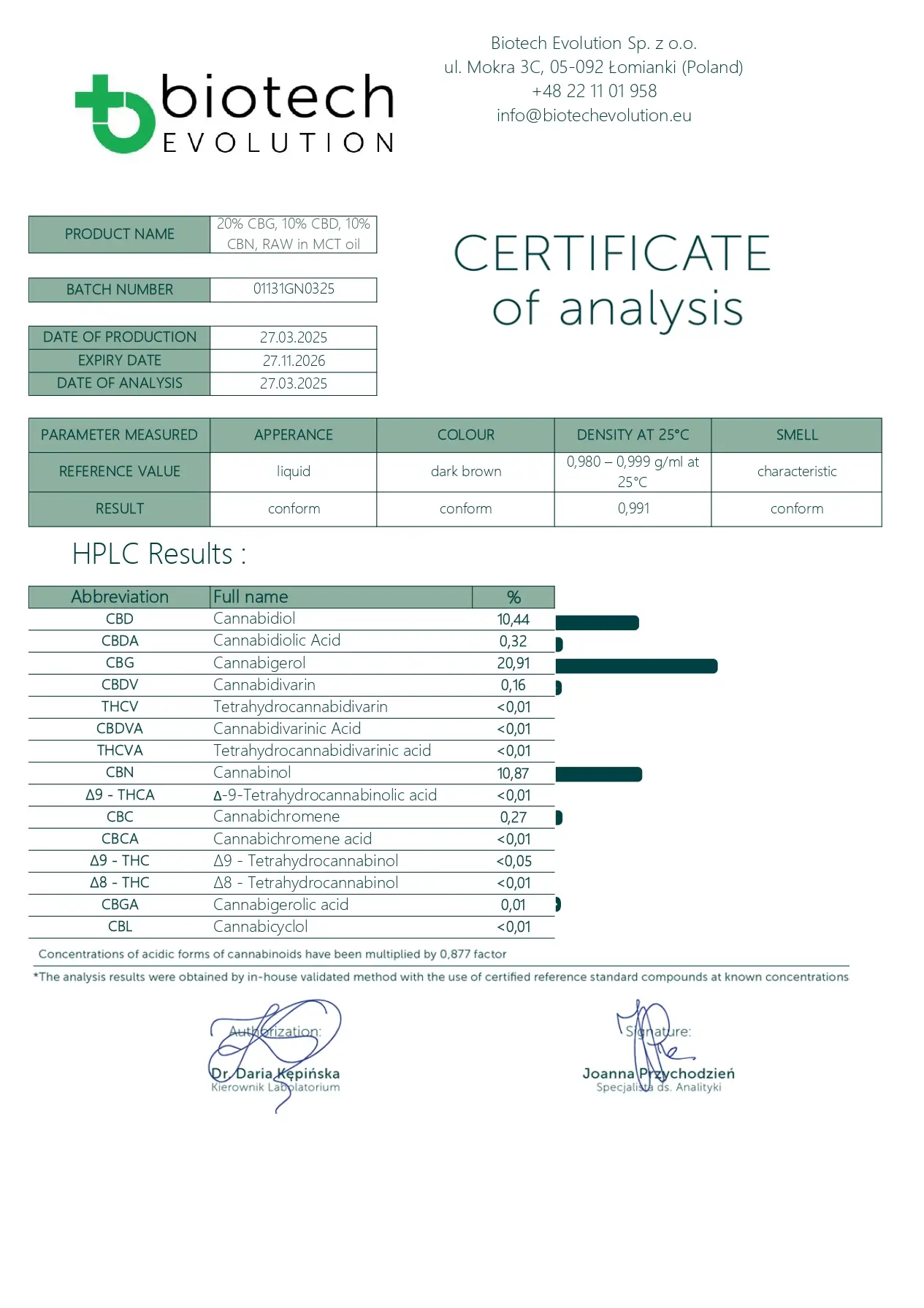
40% Huile antidouleur
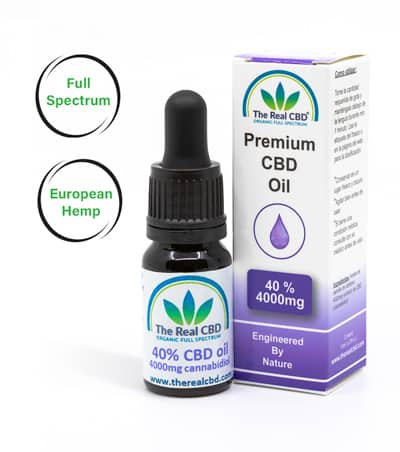
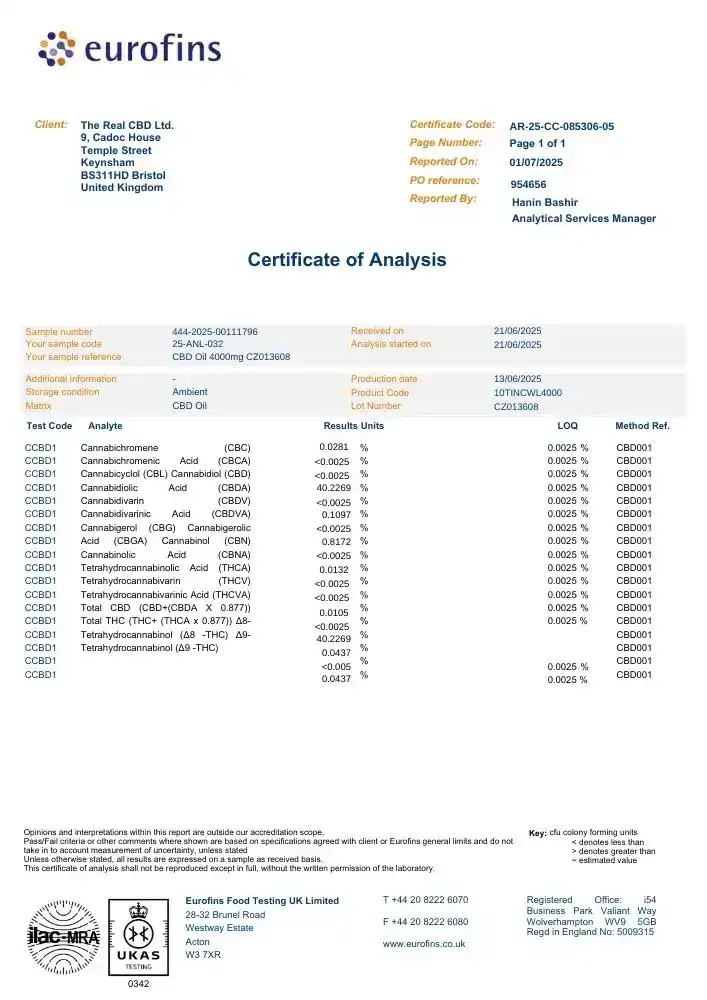
40% Huile de CBD brute

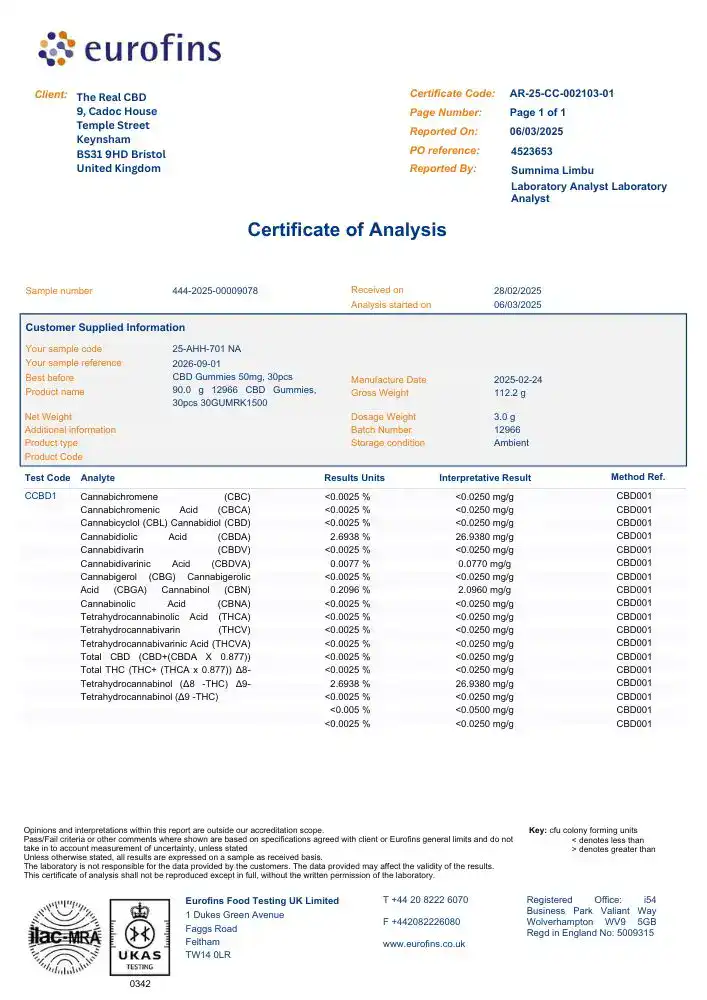
Gummies CBD - 50mg CBD

Je suis un expert certifié en Cannabis médicinal. Nous nous efforçons de fournir des informations correctes et fiables. Nous savons à quel point il est important de s'informer sur le CBD et le cannabis, c'est pourquoi nous voulons être votre source d'information privilégiée pour digne de confiance l'information. Nous vous aidons à améliorer votre santé en utilisant nos connaissances et notre expérience comme point de départ.









Laisser un commentaire
Rejoindre la discussion?N’hésitez pas à contribuer !