
Guide de la culture du CBD
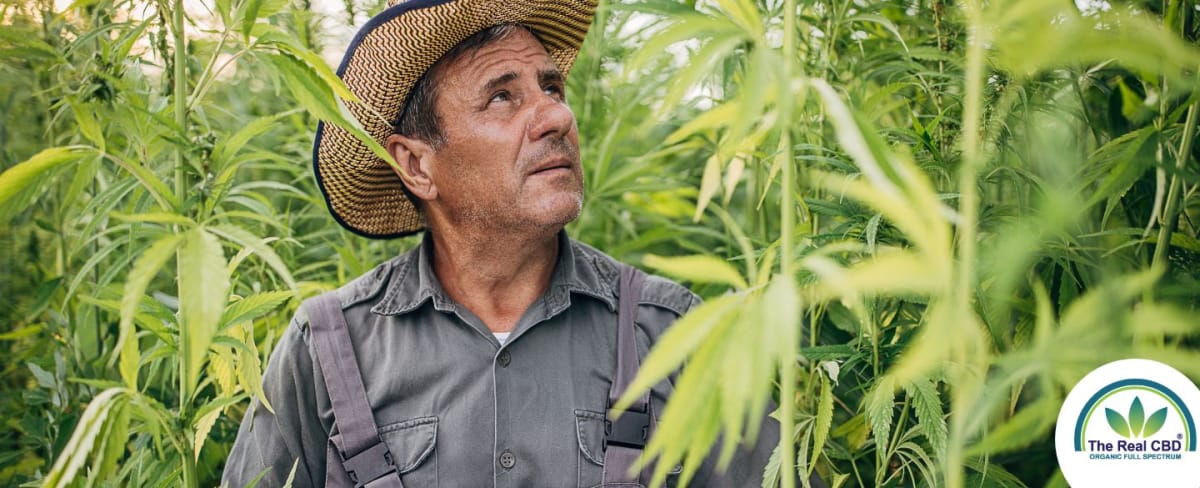
CBD farming is growing in popularity as more people recognise the unique les avantages du cannabidiol. But how does CBD go from farm to bottle? If you’re curious about CBD farming or considering starting a CBD farm, this guide will take you through all you need to know about the cultivation, care, and production of CBD. From choosing the right seeds to harvesting and processing, we’ll cover the essentials to help you better understand the world of CBD farming.
Temps de lecture estimé : 9 minutes
- 1. Introduction to CBD Farming
- 2. Qu'est-ce que le CBD ?
- 3. The Basics of CBD Farming
- 4. Choosing the Right Seeds for CBD Farming
- 5. Ideal Climate and Soil for CBD Plants
- 6. Nurturing the Plants: Watering and Nutrients
- 7. Pest and Disease Control in CBD Farming
- 8. CBD Harvesting Techniques
- 9. Drying and Curing CBD
- 10. Extracting CBD: The Process
- 11. Legal Considerations for European CBD Farmers
- 12. Challenges and Risks in CBD Farming
- 13. The Future of CBD Farming
- 14. The Spanish paradox
- 15. Conclusion
- FAQs on CBD Farming
1. Introduction to CBD Farming
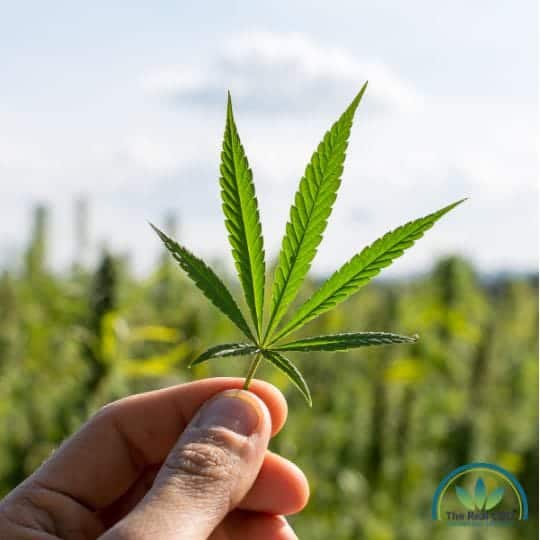
CBD farming has become a booming industry, with increasing demand for Produits CBD across wellness, soins de la peau, and alternative health markets. Growing CBD, however, is no small feat – it requires careful planning, patience, and a thorough understanding of the plant and its needs. So, what exactly does CBD farming entail, and how does it differ from other agricultural practices?
2. Qu'est-ce que le CBD ?
CBD, abréviation de cannabidiol, is a compound derived from hemp plants. Unlike THC, CBD is non-psychoactive, meaning it doesn’t give users a “high.” Many people turn to CBD for potential benefits like reducing stress, aiding sleep, and relieving douleur. Given these wellness benefits, CBD has become a sought-after product, and CBD farming has become an attractive opportunity for many farmers.
3. The Basics of CBD Farming
CBD farming revolves around cultivating hemp plants specifically for CBD extraction. While hemp can be used for various purposes (such as fibre, seeds, and biomass), CBD farming requires a unique focus on plant varieties and growing methods. Farmers must focus on culture du chanvre with high CBD and low THC content, aligning with legal limits in most countries.
4. Choosing the Right Seeds for CBD Farming
Selecting the right seeds is one of the most critical steps in CBD farming. Seeds determine the CBD-to-THC ratio, yield potential, and plant resistance. It’s essential to choose certified seeds that comply with local laws and regulations. Additionally, selecting high-CBD, low-THC strains ensures that the plants remain legally compliant and meet market demand for potent CBD products.
5. Ideal Climate and Soil for CBD Plants
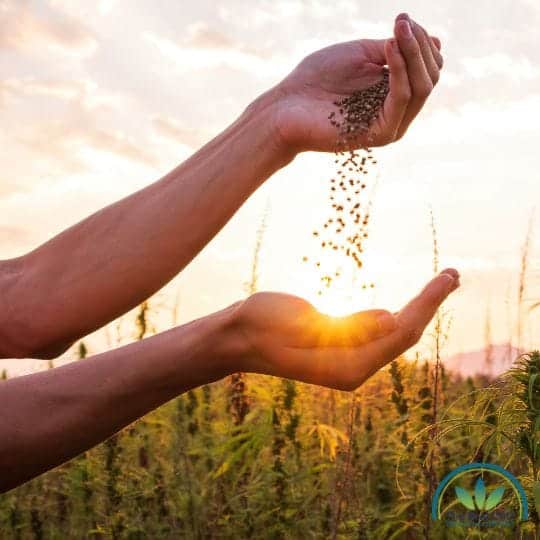
CBD plants thrive in temperate climates with ample sunlight. They require well-draining soil rich in organic matter. Farmers often liken CBD plants to “Goldilocks” – they don’t like soil that’s too wet or too dry, nor temperatures that are too hot or too cold. The ideal pH for soil is slightly acidic, typically between 6 and 7.
6. Nurturing the Plants: Watering and Nutrients
Water and nutrients are essential to healthy CBD plants. CBD farming requires regular watering, especially in drier climates, but overwatering can lead to root rot. Nutrient-wise, CBD plants benefit from nitrogen, phosphorus, and potassium during their growth stages. Organic fertilisers are often preferred to maintain the purity of the crop, as they are free from chemicals that could impact CBD quality.
En savoir plus sur le CBD
7. Pest and Disease Control in CBD Farming
CBD plants are susceptible to various pests and diseases, including aphids, spider mites, and powdery mildew. Pest management in CBD farming often uses natural remedies or biological controls to avoid introducing chemicals. Companion planting, a method where beneficial plants are grown alongside CBD plants to deter pests, is also commonly used. This approach not only protects the crop but also helps in maintaining an organic status if that is a farmer’s goal.
8. CBD Harvesting Techniques
Harvesting CBD plants at the right time is crucial for maximising the cannabinoid content. Timing varies depending on the plant’s lifecycle and intended product, but most CBD plants are harvested when the flowers are dense and resinous. The harvest season typically falls in late summer or early autumn, and the plants are cut, dried, and cured to prepare for extraction.
9. Drying and Curing CBD
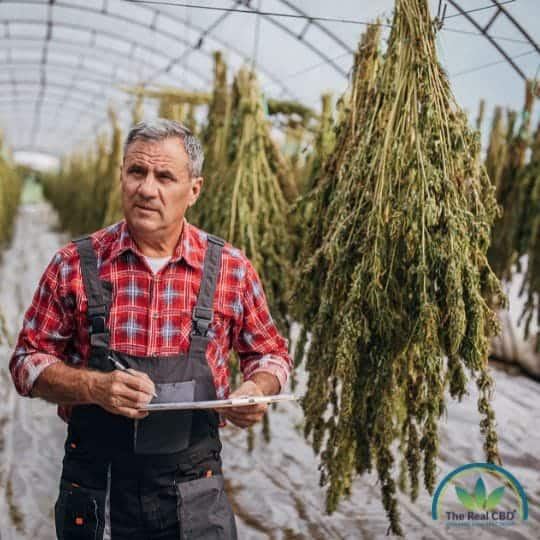
Drying and curing are vital steps that enhance CBD’s potency and quality. Freshly harvested plants are hung upside down in a dark, cool, and well-ventilated area to dry. Curing follows drying, where the plants are placed in jars to slowly release moisture. This process helps retain the flavour profile and cannabinoid content, ensuring a higher quality CBD product.
10. Extracting CBD: The Process
After curing, CBD extraction begins. Extraction can be done using various methods, such as CO2 extraction, ethanol extraction, or oil infusion. CO2 extraction is popular in the industry due to its safety and efficiency. It involves using pressurised carbon dioxide to extract CBD from the plant, resulting in a pure and potent end product.
11. Legal Considerations for European CBD Farmers
European farmers interested in cultivating hemp for CBD production must navigate a complex web of regulations that vary widely across the continent. Here are some of the primary legal considerations for European CBD farmers:
EU THC Limit
The European Union sets a general limit for THC content in hemp plants at 0.2%, though this may rise to 0.3% under updated regulations. This cap distinguishes legal hemp from cannabis and is crucial for compliance. Farmers exceeding this THC limit risk having their crops destroyed or facing penalties.
Licensing and Certification
Most EU countries require farmers to obtain licences to grow industrial hemp legally. These licences often mandate farmers to use EU-certified hemp seed varieties that comply with THC limits. Certification also ensures farmers’ crops align with European standards and can help facilitate cross-border sales.
CBD Extraction and Processing
While growing hemp with low THC is generally legal in the EU, CBD extraction is a more complex area. Some countries, like Suisse et le ROYAUME-UNI, allow for the extraction and sale of CBD products domestically, while others have stricter laws. In certain EU nations, farmers may need to export their biomass for CBD extraction and product creation, even if hemp cultivation itself is legal locally.
Domestic Sales and Exportation
Rules around CBD product sales vary by country. For example, France et Italie have faced legal challenges around whether full-spectrum or isolate products can be sold, whereas Allemagne has a more open stance. Exportation, however, remains a viable option for most EU farmers, allowing them to sell to more CBD-friendly markets if domestic restrictions apply.
Labelling and Marketing Restrictions
CBD products are generally classified as “novel foods” under EU regulations, meaning they must undergo approval to be marketed as food or dietary supplements. Farmers and producers must ensure products meet labelling standards and avoid unproven health claims to comply with EU marketing laws.
Pesticide and Environmental Standards
Compliance with the EU’s stringent environmental standards, including restrictions on pesticide use, is essential for maintaining quality and legality. Farmers must follow approved agricultural practices and may need to certify their products as organic if marketed as such.
In short, while the demand for CBD continues to grow across Europe, farmers face significant regulatory challenges. Navigating these legalities effectively is crucial for establishing a successful and compliant CBD farming operation in Europe.
EIHA (European Industrial Hemp Association)
12. Challenges and Risks in CBD Farming
CBD farming, while profitable, is not without its challenges. Crop failures due to weather, pest invasions, and disease outbreaks can lead to financial losses. Additionally, the market is competitive, and prices can fluctuate significantly. CBD farmers must also keep up with evolving regulations and market trends to remain viable in this industry.
13. The Future of CBD Farming
CBD farming shows promising growth potential, with more innovations in farming techniques and extraction methods. As CBD products gain mainstream acceptance, the demand for quality CBD will continue to rise. The future of CBD farming will likely see more sustainable practices, better plant strains, and increased consumer awareness about CBD’s benefits.
14. The Spanish paradox

En Espagne, there’s a unique paradox in the CBD industry: while farmers are legally permitted to cultivate hemp for CBD production, they face restrictions on selling CBD products domestically. This limitation means that although Spanish-grown CBD hemp can be legally cultivated, it cannot be processed or sold within Spain. Instead, farmers are required to export their CBD biomass to other countries where processing and product creation is allowed. Ironically, these finished CBD products are then often re-imported into Spain for consumer purchase, adding unnecessary complexity and cost. This “export-to-import” cycle highlights a challenging regulatory gap that many in the industry hope will be addressed, as it restricts local farmers’ ability to benefit fully from Spain’s booming CBD market.
15. Conclusion
CBD farming is an exciting and challenging endeavour that offers great rewards for those willing to put in the work. By understanding the basics of CBD farming, from choosing seeds to navigating legalities, farmers can successfully produce high-quality CBD for a booming market. With the proper care, knowledge, and attention to detail, CBD farming can yield a product that not only meets but exceeds consumer expectations.
This comprehensive guide should provide a solid foundation for anyone interested in the world of CBD farming, highlighting the processes, considerations, and rewards that come with cultivating this unique crop. Happy farming!
FAQs on CBD Farming
CBD plants thrive in temperate climates with ample sunlight and well-draining soil. Consistent temperatures and moderate humidity are ideal for optimal growth.
From seed to harvest, CBD plants typically take around 4 to 6 months to mature, depending on the strain and growing conditions.
CO2 extraction is widely considered the best method due to its safety and ability to produce a high-quality product without solvents or chemicals.
Yes, CBD plants can be grown indoors with controlled lighting, temperature, and humidity, although it requires more setup and maintenance than outdoor farming.
The legal THC limit varies by country but is generally set at 0.3% in many regions to differentiate CBD products from marijuana.

Je suis un expert certifié en Cannabis médicinal. Nous nous efforçons de fournir des informations correctes et fiables. Nous savons à quel point il est important de s'informer sur le CBD et le cannabis, c'est pourquoi nous voulons être votre source d'information privilégiée pour digne de confiance l'information. Nous vous aidons à améliorer votre santé en utilisant nos connaissances et notre expérience comme point de départ.










Laisser un commentaire
Rejoindre la discussion?N’hésitez pas à contribuer !