
CBD Oil for Peripheral Neuropathy in Hands
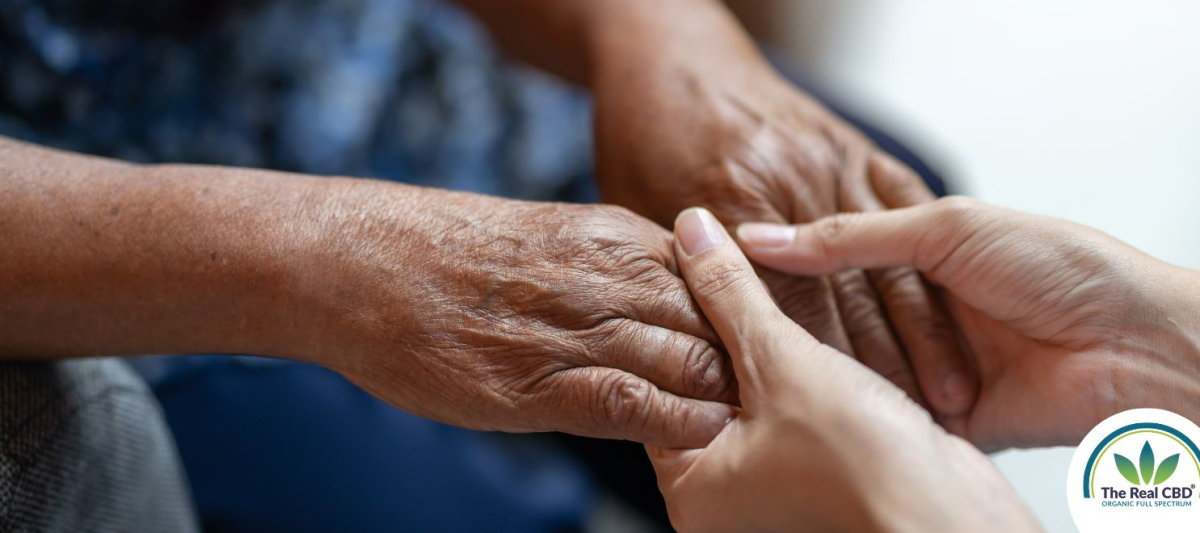
Peripheral neuropathy can make everyday tasks feel like a challenge. That buzzing, tingling, burning, or numb feeling in your hands isn’t just frustrating — it can affect your grip, your sleep, and even your confidence. While traditional treatments help some people, many are turning to natural alternatives for extra support, and CBD oil has quickly become one of the most talked-about options.
This article breaks down what peripheral neuropathy is, why it affects the hands so often, and how CBD oil may help ease the discomfort. No complicated terms — just easy-to-read, practical information that helps you make sense of what’s happening in your body.
Estimated reading time: 10 Minuten
- 1. Understanding Peripheral Neuropathy in the Hands
- 2. What Causes Hand Neuropathy?
- 3. Common Signs and Symptoms
- 4. How Nerve Pain Affects Daily Life
- 5. What Is CBD Oil and Why Are People Using It?
- 6. How CBD Supports the Nerves
- 7. CBD Oil for Peripheral Neuropathy in Hands
- 8. How to Use CBD Oil Properly
- 9. Topical CBD vs Sublingual CBD Oil
- 10. Choosing the Right Strength and Type of CBD
- 11. Lifestyle Tips for Supporting Nerve Health
- 12. CBD Compared to Other Natural Approaches
- 13. Safety, Side Effects and What to Expect
- 14. Myths About CBD and Nerve Pain
- 15. Evidence that supports CBD and cannabinoids for nerve pain
- 16. Final Thoughts
- FAQs
1. Understanding Peripheral Neuropathy in the Hands
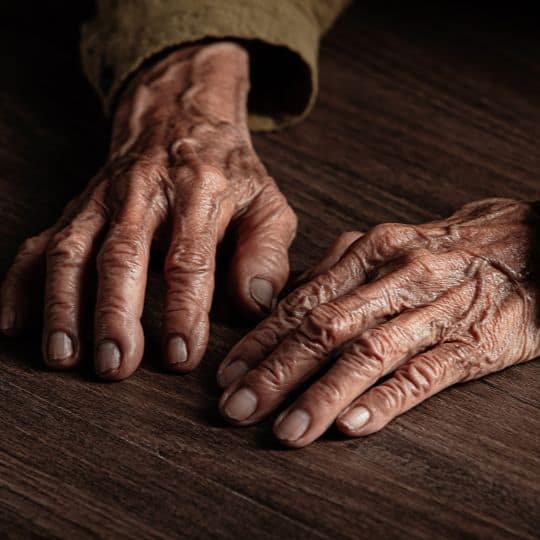
Peripheral neuropathy happens when the nerves outside the brain and spine become irritated or damaged. When the nerves in your hands are affected, it can feel like your hands have a mind of their own — burning one minute, numb the next.
Think of your nerves as electrical wires. When the insulation gets worn down or the signals get scrambled, you feel weird sensations. That’s neuropathy.
2. What Causes Hand Neuropathy?
Plenty of things can irritate or damage the nerves in your hands. The most common include:
- Diabetes
- Vitamin deficiencies
- Old injuries
- Repetitive strain (typing, lifting, tools)
- Autoimmune disorders
- Viral infections
- Poor circulation
Sometimes doctors can pinpoint the cause. Sometimes they can’t. Either way, the symptoms can be tough to live with.
3. Common Signs and Symptoms
Peripheral neuropathy in the hands may show up as:
- Tingling or “pins and needles”
- Burning sensations
- Sharp, shooting pains
- Numbness
- Weak grip
- Sensitive skin
- Hands feeling “swollen” even when they’re not
Symptoms often worsen at night or after long periods of stillness.
4. How Nerve Pain Affects Daily Life
Neuropathy can make simple tasks — like buttoning clothes, tying shoelaces, writing, or carrying a cup — surprisingly difficult. Many people also report trouble sleeping because their hands tingle or burn more when they lie down.
It’s not just physical — neuropathy can affect confidence, mood, and motivation.
5. What Is CBD Oil and Why Are People Using It?
CBD (cannabidiol) is a natural compound that comes from the hemp plant. It’s not intoxicating, and it interacts with the body’s own endocannabinoid system (ECS) — a network that helps regulate pain, inflammation, nerve activity, and stress responses.

People use CBD because it’s gentle, plant-based, and may offer support without harsh side effects.
6. How CBD Supports the Nerves
If your nerves are sending out “error messages,” CBD may help calm things down.
Here’s how:
- Reduces inflammation around irritated nerves
- Helps regulate pain signals so they don’t overreact
- Supports relaxation, which helps the muscles around nerves soften
- Improves sleep, which is key for nerve repair
- May protect nerve cells through antioxidant effects
Imagine your nerves as a busy phone line. CBD helps reduce the “static” so messages can travel more normally.
7. CBD Oil for Peripheral Neuropathy in Hands
CBD oil is becoming a go-to option for hand neuropathy because:
- It’s easy to use
- It works throughout the body
- It targets both inflammation and overactive nerves
- Many people report reduced burning and tingling with consistent use
While CBD won’t “cure” neuropathy, it may help control symptoms and make daily life feel more manageable.
8. How to Use CBD Oil Properly
Using CBD correctly makes all the difference.
Sublingual Use (Most Effective for Neuropathy)
- Place drops under your tongue
- Hold for 60 seconds
- Swallow the rest
This allows CBD to absorb quickly and more effectively.
How Much to Take
Start low, such as 10–20 mg, and increase slowly until you feel relief. Consistency matters — daily use works best.
Related Content
9. Topical CBD vs Sublingual CBD Oil
Both can help, but they work differently.
Topical CBD (Creams, Balms)
- Works directly on the skin
- Great for surface-level burning or sensitivity
- Offers quick but shorter-lasting relief
Sublingual CBD Oil
- Works internally
- Supports nerve pathways
- Helps reduce inflammation on a deeper level
- Longer-lasting effects
For many people with hand neuropathy, using both together is the sweet spot.
10. Choosing the Right Strength and Type of CBD
Full-Spectrum CBD

Best for neuropathy because it contains the full range of cannabinoids and terpenes — all working together for stronger relief.
Strength Tips
- Oils: 10–20% strength typically effective
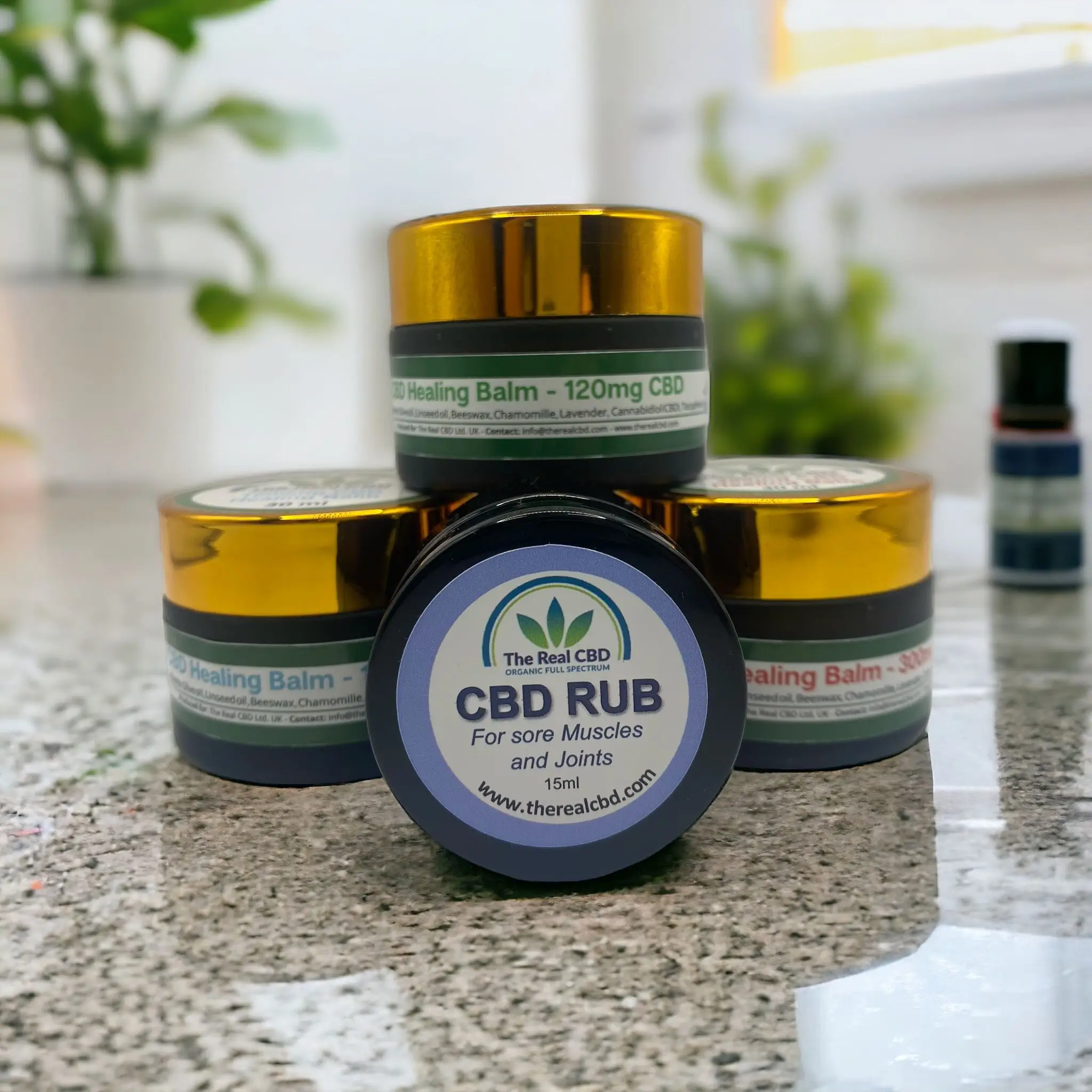
- Creams: 500–1500 mg per jar works well for hands
Higher-quality CBD equals better results.
11. Lifestyle Tips for Supporting Nerve Health
CBD works best when paired with simple daily habits:
- Stretch your hands regularly
- Keep blood sugar stable if diabetic
- Add B12 and Omega-3s to your diet
- Improve circulation with light exercise
- Avoid smoking
- Stay warm — nerves hate cold
Small changes add up
12. CBD Compared to Other Natural Approaches
| Remedy | What It Helps | Comparison |
| CBD Oil | Pain, tingling, sleep, inflammation | Most balanced and versatile |
| Alpha-Lipoic Acid | Nerve repair | Works slowly, good alongside CBD |
| B-Vitamins | Nerve root support | Essential if deficient |
| Magnesium | Muscle relaxation | Great combo with CBD |
| Capsaicin Cream | Surface burning | Can sting; CBD is gentler |
CBD tends to offer more all-round support.
13. Safety, Side Effects and What to Expect
CBD is widely considered safe. Possible mild side effects include:
- Dry mouth
- Slight drowsiness
- Digestive changes
Always check with a doctor if you take medication, especially for nerves, diabetes, or blood pressure.
Consistency is key — most people see the best results after 1–3 weeks of daily use.
14. Myths About CBD and Nerve Pain
Myth: CBD numbs the nerves permanently
Reality: CBD doesn’t “shut down” your nerves. It simply helps calm overstimulated signals. Your nerves stay fully functional — just less irritated.

Myth: You need to feel “something” for CBD to be working
Reality: CBD is subtle. Many people don’t feel a dramatic sensation, yet their symptoms gradually ease over days or weeks. No buzz, no high — just a gentle shift.
Myth: All CBD oils work the same
Reality: Some oils are low-quality, under-dosed, or poorly extracted. Full-spectrum, well-tested products usually give much better results, especially for nerve discomfort.
Myth: CBD only works topically for nerve pain
Reality: While creams can help surface burning, nerve discomfort often comes from deeper inflammation. Sublingual CBD oil supports nerves from the inside as well.
Myth: CBD interacts the same way with everyone
Reality: Factors like metabolism, weight, diet, stress levels, and overall health can change how CBD affects you. Personalising your dose is key.
Myth: Higher doses guarantee better results for neuropathy
Reality: There’s a “sweet spot” for most people. Too much CBD can actually make you feel sleepy without offering more relief.
Myth: CBD oil replaces all traditional treatments
Reality: CBD can be a helpful part of your routine, but neuropathy is complex. Most people get the best results by combining CBD with healthy habits and medical guidance.
15. Evidence that supports CBD and cannabinoids for nerve pain

- A 2020 study looked at transdermal (topical) CBD oil in people with peripheral neuropathy. It found significant improvements in pain and other bothersome sensations compared to placebo — suggesting that applying CBD to the skin may help neuropathic discomfort. PubMed
- A 2024 meta-analysis reviewing 14 randomized controlled trials concluded that cannabinoids (including CBD and/or THC) led to a “statistically significant decrease in neuropathic pain score” in 79% of the studies. Improvements also extended to sleep, sensory symptoms, and quality of life. ScienceDirect
- Preclinical work (animal studies) shows that CBD and other cannabinoids can suppress inflammatory and neuropathic pain — by acting on the nervous system, reducing inflammation, and altering how pain signals are processed. PMC
- More recent experimental research shows promising results: for example, a newly developed CBD nano-formulation (“CBD-IN”) produced rapid pain relief in mice (within ~30 minutes) after nerve injury — without common side effects seen with conventional pain drugs. University of Rochester Medical Center
- Reviews and broad studies suggest that cannabinoids may offer modest benefits for chronic neuropathic pain where other treatments offer insufficient relief. PMC+2ScienceDirect
⚠️ Important Limitations and Mixed Findings
- Not all recent trials show benefit. One randomized, double-blind clinical trial published in 2023 found that oral CBD, THC, or their combination did not significantly reduce peripheral neuropathic pain compared to placebo. In fact, for some pain metrics, cannabidiol fared worse than placebo. clinicalpainadvisor.com
- A broader review of cannabinoid-pain studies highlights methodological limitations: many studies vary widely in design, dosing, delivery method, and populations. That makes it hard to draw firm conclusions. CDA
- Much of the most compelling evidence still comes from animal or preclinical studies, not human trials. While these offer important clues about CBD’s mechanisms and potential, results in humans are not always the same. Clinical Correpondence Journal
- Some analyses find only modest pain reductions (e.g. small point changes on pain scales) rather than dramatic relief, which may not be enough for severe neuropathy. PMC
16. Final Thoughts
Peripheral neuropathy in the hands can be overwhelming, but there are natural ways to support nerve comfort and make day-to-day life easier. CBD oil offers a gentle, plant-based option that may help calm irritation, reduce tingling, ease burning, and improve sleep — all of which play a role in better nerve health.
If your hands feel like they’re constantly buzzing or burning, CBD might be a helpful addition to your routine.
FAQs
Yes, CBD may help calm irritated nerves and reduce those “electric” sensations many people feel in their hands.
Some feel relief within hours, while others notice changes after 1–3 weeks of consistent use.
Topicals can help, but using sublingual CBD oil alongside gives deeper, longer-lasting support.
Oils between 10–20% are commonly used for nerve discomfort.
No, CBD does not cure nerve damage — but it may ease symptoms and improve comfort.

I am a certified expert in Medicinal Cannabis. We are all about giving correct and trustworthy information. We know how important it is to learn about CBD and cannabis, which is why we want to be your go-to source for trustworthy information. We help you improve your health by using our knowledge and experience as a starting point.












Leave a Reply
Want to join the discussion?Feel free to contribute!