
CBD and nutrition: What are the facts?
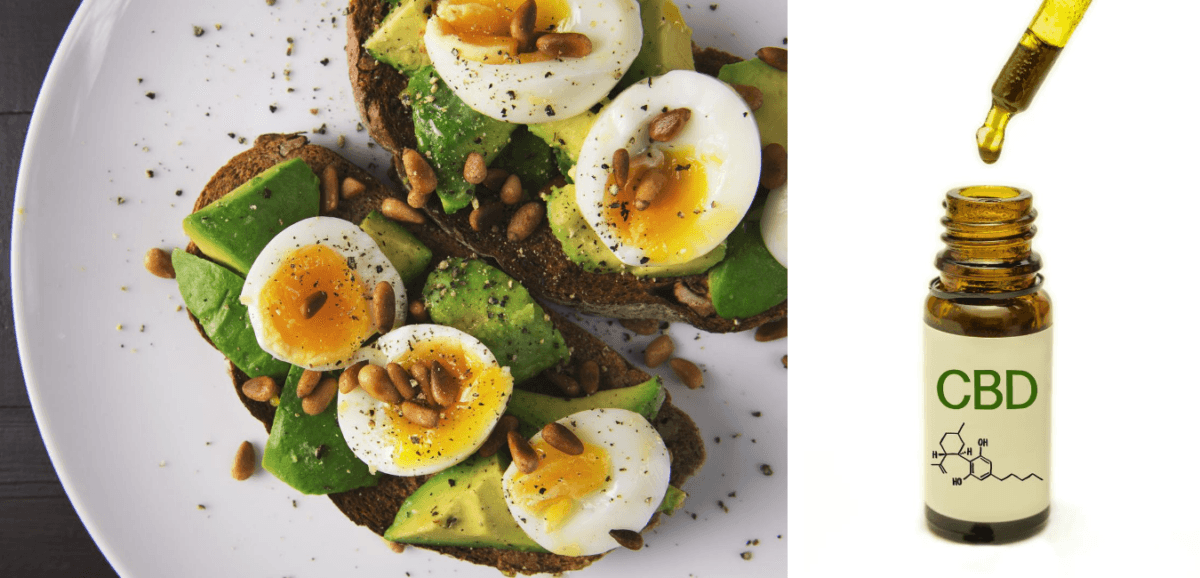
Many different types of advice exist when it comes to the best way of taking CBD (oil). One says on an empty stomach, or at least 15 minutes before or after you have eaten. Preferably, dripping directly on or under the tongue and keeping it in your mouth for a while is also common advice. But are these the best ways to take CBD, or can they be much more effective? Yes, they can!
Estimated reading time: 14 Minuten
- Understanding CBD and Its Role in Wellness
- Nutritional Benefits of CBD
- CBD and Weight Management
- CBD and nutrition: What are the facts?
- CBD and Food: Eat healthier
- CBD and Food: Powder versus oils
- CBD and Weight Management
- Combining CBD with Nutritional Goals
- The most ideal foods and CBD
- Research on Cannabidiol and food: What do the experts say?
- Should I take CBD with my food?
- Forms of CBD in Nutrition
- How to Choose High-Quality CBD for Nutrition
- CBD Myths and Misconceptions
- Conclusion
- FAQ – CBD and Nutrition
- The Real CBD Best Sellers
Understanding CBD and Its Role in Wellness
Cannabidiol (CBD) is a natural compound derived from the cannabis plant. Unlike tetrahydrocannabinol (THC), CBD is non-psychoactive and widely recognized for its potential health benefits. As research into CBD expands, its integration into nutritional plans has garnered attention. But what does the science say about CBD and nutrition? Let’s explore the facts.
How CBD Interacts with the Body
CBD works through the endocannabinoid system (ECS), a complex cell-signaling network responsible for maintaining balance in the body. The ECS regulates several physiological functions, including:
- Metabolism: CBD can influence metabolic rates and fat storage processes.
- Appetite Control: Through interaction with ECS receptors, CBD may help regulate hunger levels.
- Inflammation Reduction: Chronic inflammation is linked to various diseases, and CBD’s anti-inflammatory properties are a cornerstone of its nutritional value.
Nutritional Benefits of CBD
Rich in Essential Nutrients
CBD products, particularly full-spectrum oils, contain beneficial nutrients such as:
- Omega-3 and Omega-6 Fatty Acids: Crucial for heart health and brain function.
- Vitamins and Minerals: Including vitamin E and magnesium for antioxidant and anti-inflammatory benefits.
- Terpenes and Flavonoids: Plant compounds that contribute to CBD’s therapeutic effects.
Supports Digestive Health
CBD may improve digestion by:
- Reducing Gut Inflammation: Beneficial for conditions like irritable bowel syndrome (IBS).
- Promoting a Healthy Gut Microbiome: Supporting beneficial bacteria growth.
- Easing Nausea: Aiding individuals with poor appetite or nausea due to medical treatments.
CBD and Weight Management
One of the most debated topics is CBD’s role in weight management. Preliminary research suggests:
- Fat Browning: CBD may promote the conversion of white fat to brown fat, which burns energy.
- Metabolic Support: By influencing mitochondrial activity, CBD could boost calorie-burning processes.
- Appetite Modulation: Unlike THC, which stimulates hunger, CBD may help curb overeating by promoting balance.
Mere om CBD
CBD and nutrition: What are the facts?
Our bloodstream
In order to maximize the effect of cannabidiol (CBD), we use oil tinctures because as much of it as possible of the active CBD must reach our bloodstream. Because your mucous membranes only absorb a limited amount of CBD oil, only a small part of the dose actually reaches the bloodstream.
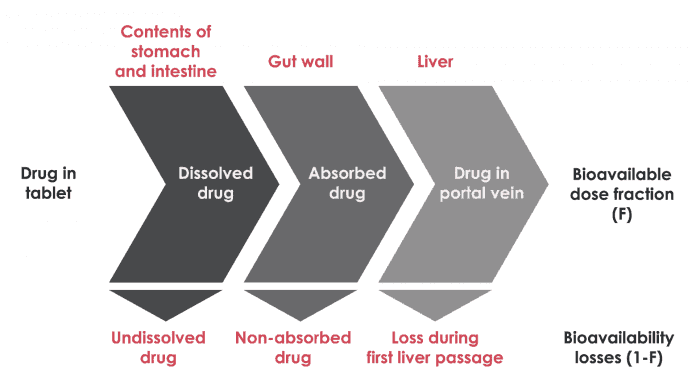
Some experts claim that you will have to keep the oil on, or under your tongue, longer than advised: at least 100 seconds. Furthermore, the CBD that is swallowed still has a long way to go via the stomach to the liver, where the phenomenon occurs what they call the first-pass effect.
How can we optimize the absorption? By ingestion with certain types of food!
The first-pass effect
In medical terms, first-pass metabolism or presystemic metabolism is defined as the rapid uptake and metabolism of an active compound into inactive compounds by the liver, immediately after enteric absorption and before it reaches the systemic circulation.
Here’s what this means. If you were to take an aspirin pill for a headache, it would go through your gastrointestinal system, through the portal vein, wind up in your liver, and then enter your bloodstream, after which it would relieve your pain. At every step of the digestive process, some amount of the active ingredient in aspirin would be lost, especially in the liver. Even though most tissues can metabolize drugs, the liver is the frontrunner in the process. The process by which a drug’s concentration is reduced in the liver is called ‘biotransformation’. The oral bioavailability (the amount of a substance that makes it to one’s bloodstream) of aspirin is 68%. Essentially, if you took 100 mg of aspirin, 68 mg would make its way to your bloodstream.
CBD and Food: Eat healthier
Here we are not talking about dishes stacked with CBD, but about taking your CBD with or while you are eating. By doing this, you may be able to significantly improve the absorption of CBD into the bloodstream.
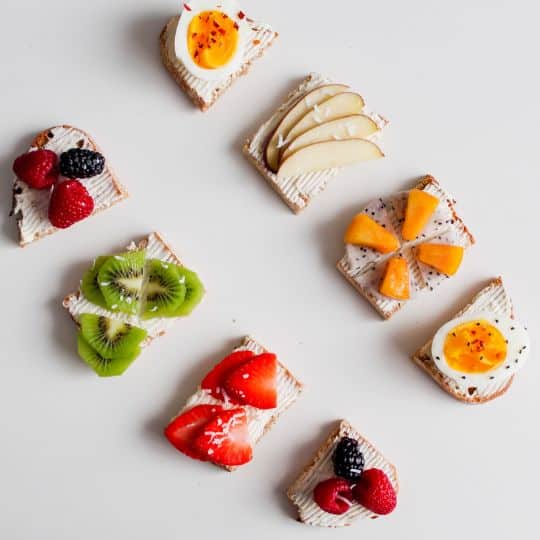
It is important that you fit the intake schedule of the CBD oil into your diet or vice versa. In addition to toppings, herbs, and sauces, the CBD oil will now also be on the table.
Why it is so effective?
Taking CBD oil with certain types of food can improve the bioavailability of the supplement. Bioavailability is the degree and rate at which a substance, in this case, CBD is absorbed and delivered into the bloodstream, where it can act on our body’s own cannabinoid system.
When you take a supplement orally, the active ingredients are absorbed by the digestive system. If we look specifically at CBD oil, the CBD and other compounds are first broken down in the stomach before being absorbed by the small intestine and then sent via the portal vein directly to your liver. It is important for the absorption into the liver that CBD is ingested with certain foods, which is very beneficial for the rate of absorption.
The liver
In the liver, a ‘family’ of enzymes called cytochrome P450 (CYP450) acts on CBD, metabolizing the compounds before they are dispersed through the bloodstream. During this process, there is the first-pass effect, which breaks down CBD into more than 100 different metabolites, many of which are not used by the body and are quickly excreted. This reduces the concentration of the CBD oil and therefore reduces its bioavailability. In short, CBD is less likely to reach the bloodstream.
When you use CBD oil with certain types of food, the loss of concentration has a limited impact because the food CBD helps to bypass the first-pass effect. By taking CBD oil with certain foods, you can ensure that a greater concentration of CBD is absorbed by the body.
More about CBD from our blog
CBD and Food: Powder versus oils
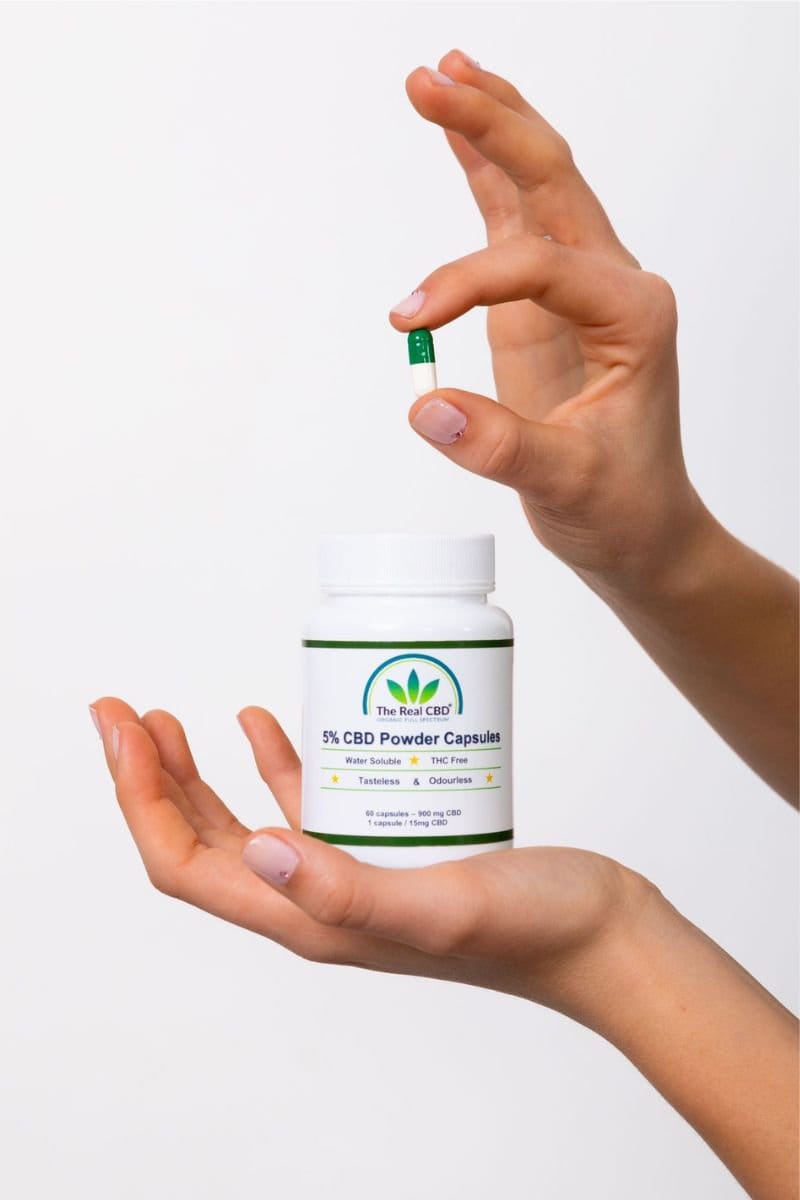
So taking CBD supplements with your food could be very beneficial. But what about the sort of product to use? To answer those questions we should think beyond the traditional tinctures and edibles. While you can use traditional oils to mix with your food, there are many reasons why it makes more sense to add our water-soluble patented CBD Powder capsules.
The difference between CBD Oil and CBD powder
| CBD Powder from The Real CBD | CBD oil |
| 52-fold bio-availability enhancement relative to cannabinoid-rich CBD Oil | low permeability across the gut epithelial tissue |
| No smell and taste | Medium, skunky odor. Unflavored CBD oil can have an earthy taste |
| 100% water soluble (ideal for shakes and soups | Not water soluble |
| Safe for humans and animals | Safe for humans and animals |
| More versatile and easier to take | Limited ways of administration |
| Easy to carry | Breakable when travelling |
Continue reading:
CBD and Weight Management

One of the most debated topics is CBD’s role in weight management. Preliminary research suggests:
- Fat Browning: CBD may promote the conversion of white fat to brown fat, which burns energy.
- Metabolic Support: By influencing mitochondrial activity, CBD could boost calorie-burning processes.
- Appetite Modulation: Unlike THC, which stimulates hunger, CBD may help curb overeating by promoting balance.
Combining CBD with Nutritional Goals
CBD for Fitness Enthusiasts
Athletes and fitness enthusiasts are increasingly turning to CBD for recovery and performance. It can:
- Reduce Post-Workout Inflammation: Minimizing muscle soreness.
- Support Energy Levels: Enhancing overall stamina by regulating the ECS.
- Improve Sleep Quality: Essential for muscle repair and recovery.
CBD for Mental Clarity and Focus
Nutrition isn’t only about physical health; mental clarity is equally important. CBD contributes to:
- Stress Reduction: Calming the nervous system during high-pressure situations.
- Focus Enhancement: Helping reduce distractions and promoting concentration.
- Mood Regulation: Supporting serotonin levels for a balanced mood.
The most ideal foods and CBD
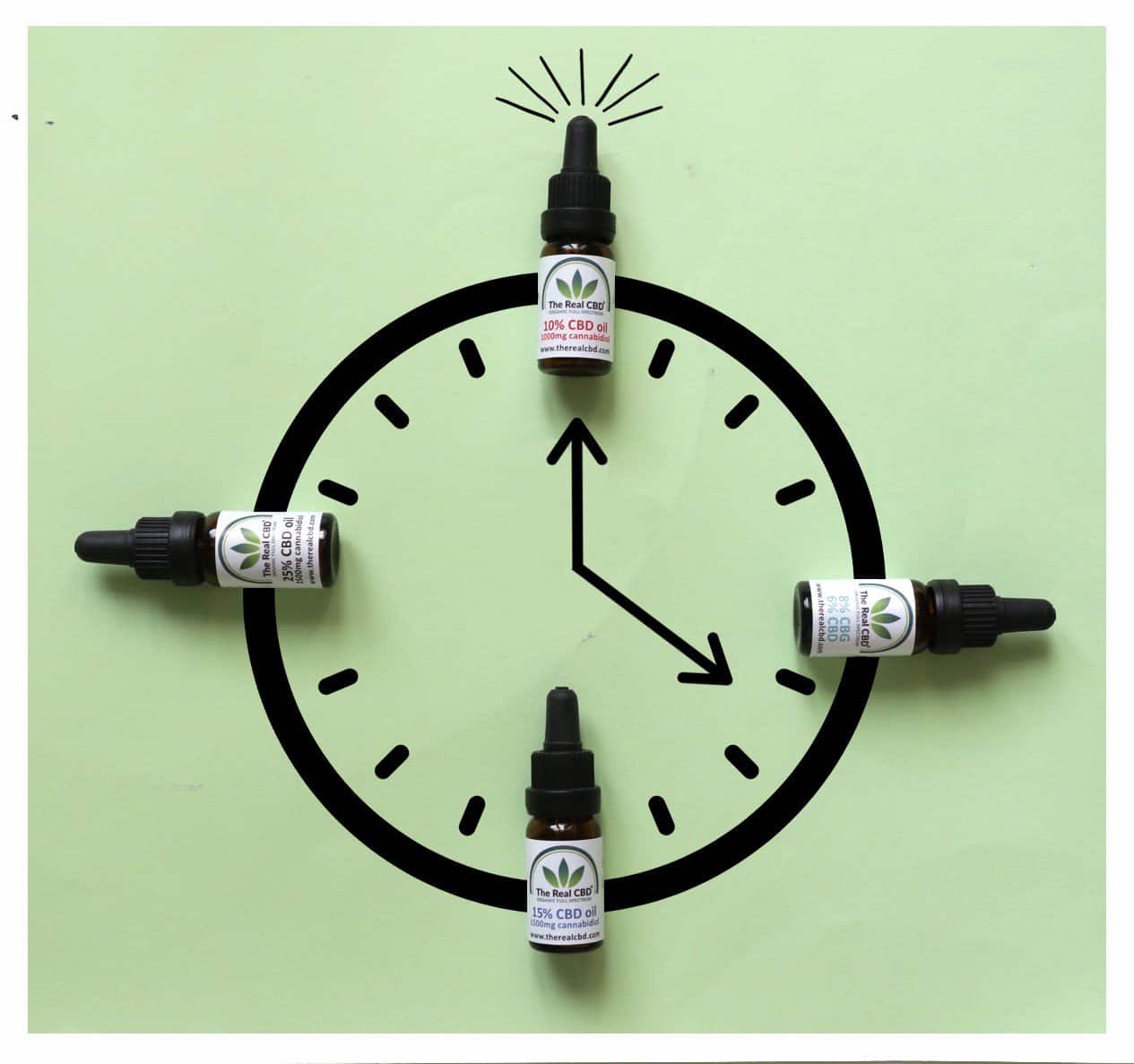
When you choose to take CBD oil or CBD powder (PREFERRED METHOD!) with food from now on, it is important to use the right products for this. The best types are the so-called triglycerides fatty acids. These fatty acids serve as a perfect binding agent for cannabinoids such as CBD and are directly converted into energy by the liver. As a result, the loss of CBD concentration is less. Your body gets the chance to burn the fats and use the CBD and other traces of cannabinoids directly. Medium-chain fatty acids have six to ten carbon atoms, long-chain fatty acids fourteen or more. They are found in most fats, oils, and certain foods.
Below is a list of foods that are particularly suitable for taking CBD oil with you:
- Cold-pressed coconut oil
- Olive oil
- Soybean oil
- Sesame oil
- Oily fish
- Avocado
- Meat
- Eggs
You can literally add your dose of CBD oil to a bite of food. The fats in these foods encapsulate the CBD, as it were so that it will pass through the digestive tract intact.
Research on Cannabidiol and food: What do the experts say?

New findings show that ingesting CBD with food may cause the dust to bypass the first-pass effect. And that increases bioavailability. However, do not take our words for granted; we are going to take a closer look at the research in question.
Recently, researchers from the University of Nottingham confirmed the beneficial effects of taking CBD with fatty acids. Research showed that the simultaneous use of CBD with long-chain triglycerides bypasses the first-pass effect, allowing significantly more CBD to be absorbed by the body.
Another study by a separate team of researchers found that the bioavailability of a cannabinoid product was four times higher when taken during meals. Enough reasons, then, to look at whether this method of ingestion improves the effect of CBD oil, right?
But research does not stop there!
The University of Minnesota published a study in which the researchers examined the influence of food on CBD in “adults with therapy-resistant epilepsy”. Eight people who had all previously been prescribed CBD for their seizures were given “one dose of 99% pure CBD capsules”. They were instructed to take it “both fasting (no breakfast) and with food (high in fat; 840-860 calories)”. To measure the amount of CBD in the bloodstream, the urine level was recorded immediately after ingestion and a few days later.
The results showed that the amount of CBD recorded in the body was four times higher on a fatty diet than on an empty stomach. Although this is a small research group, our knowledge of the absorption rate of fats and oils confirms these findings.
Should I take CBD with my food?
As far as we know now, there is a good reason for taking CBD with food. To understand why your body probably takes cannabidiol better with food, we explain two concepts. The first is bioavailability and the second is the first-pass effect. Bioavailability is “the percentage of a medicine or other drug that is made available to the body and is then effective”. In layman’s terms, it is the quantity and rate at which CBD enters the bloodstream.
It is crucial to ensure that bioavailability is as high as possible. The lower it is, the more of a substance you need for the same effects as a higher bioavailability alternative. If we can improve the bioavailability of CBD by something as simple as food, then that is something small with potentially big results.
That brings us to the second important concept – the first-pass effect. Orally administered CBD has relatively low bioavailability (low absorption rate and not the entire substance reaches our bloodstream). This is because it first has to pass through the digestive enzymes before it reaches the liver. And that takes time.

Forms of CBD in Nutrition
CBD Oils and Tinctures
The most versatile form, CBD oils can be added to:
- Smoothies
- Salad dressings
- Morning coffee or tea
CBD Edibles
From protein bars to gummies, CBD-infused foods provide a discreet way to integrate CBD into your diet. These options often come pre-dosed, making it easy to track intake.
CBD Capsules and Supplements
Capsules offer precise dosing and are ideal for those who want a straightforward addition to their routine. Some supplements also combine CBD with vitamins or adaptogens for enhanced benefits.
CBD Topicals
While primarily for localized relief, topical CBD can complement nutritional strategies by aiding muscle recovery and reducing inflammation.
How to Choose High-Quality CBD for Nutrition

Selecting the right CBD product is essential for maximizing benefits. Look for:
- Full-Spectrum or Broad-Spectrum Options: These contain multiple cannabinoids and terpenes for an “entourage effect.”
- Third-Party Lab Testing: Ensures the product’s potency and purity.
- Organic Ingredients: Free from pesticides and harmful additives.
- Clear Dosage Information: Transparency is crucial for safe use.
CBD Myths and Misconceptions
Let’s debunk common myths surrounding CBD and nutrition:
- Myth: CBD causes weight gain.
Fact: CBD’s role in metabolism suggests the opposite, with potential for weight management. - Myth: All CBD products are the same.
Fact: Quality and composition vary widely, so it’s important to research brands thoroughly. - Myth: CBD has immediate effects.
Fact: Regular use over time is often required for noticeable benefits.
Conclusion
CBD and nutrition make a promising duo for enhancing overall health and well-being. From supporting physical recovery to promoting mental clarity, the integration of CBD into a balanced diet can open doors to better living. As always, choose high-quality products and tailor your approach to your unique needs.
FAQ – CBD and Nutrition

CBD, or cannabidiol, is a compound found in cannabis plants. It is non-psychoactive, meaning it doesn’t cause a “high.” Regarding nutrition, CBD is often discussed for its potential health benefits, such as reducing inflammation and anxiety, which can indirectly support overall health and well-being.
Yes, CBD can be incorporated into the daily diet in various forms, such as oils, capsules, edibles, and beverages. It’s important to start with a low dose to see how your body reacts and consult with a healthcare provider, especially if you are taking other medications or have underlying health issues.
While CBD itself does not provide nutritional value like vitamins or minerals, its anti-inflammatory and antioxidant properties may contribute to better overall health by managing pain, improving sleep quality, and reducing stress and anxiety.
There is some evidence suggesting that CBD might help regulate metabolism and reduce food intake, which can contribute to weight loss. However, more research is needed in this area to fully understand its effects and efficacy.
CBD may interact with certain medications and dietary supplements, potentially altering their effects. It’s important to discuss with a healthcare provider before starting CBD, particularly if you’re on medications like blood thinners. Additionally, CBD oil can contain calories, so it should be considered in daily caloric intake.
The Real CBD Best Sellers
-
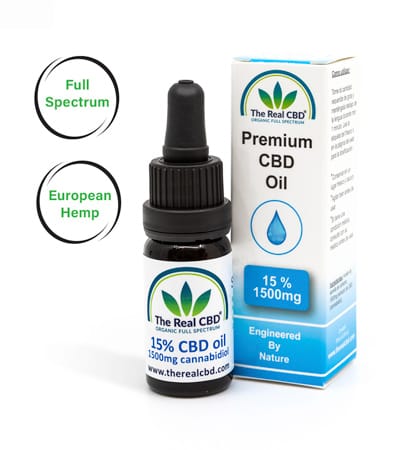 15% Pure CBD oil€55.00 €65.00Preisspanne: €55.00 bis €65.00
 -
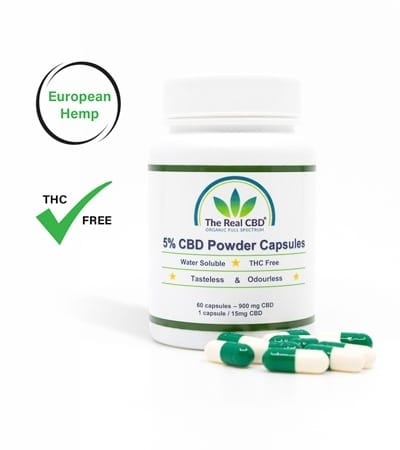 CBD Capsules – Water Soluble 5%€55.00
 -
 5% Pure CBD oil€22.00
 -
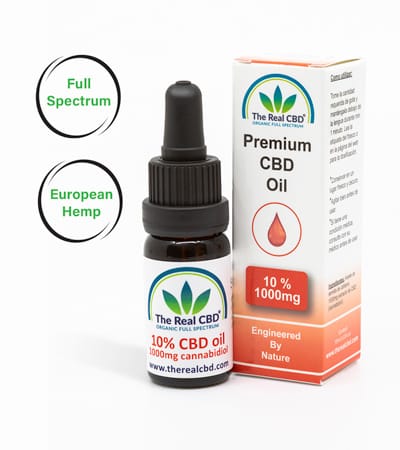 10% CBD oil€45.00
 -
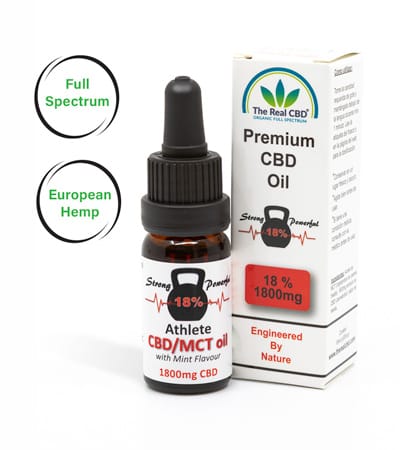 Athlete MCT/CBD oil 18%€75.00
 -
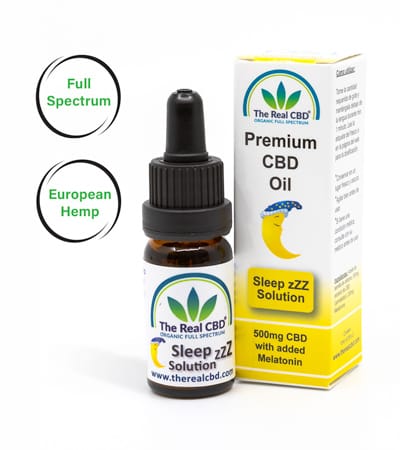 CBD Sleep Solution 10%€50.00
 -
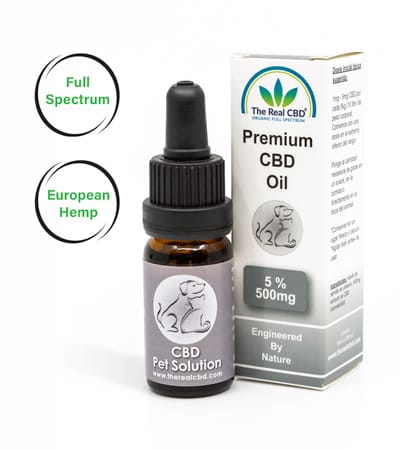 5% CBD oil for Pets€22.00
 -
Product on sale
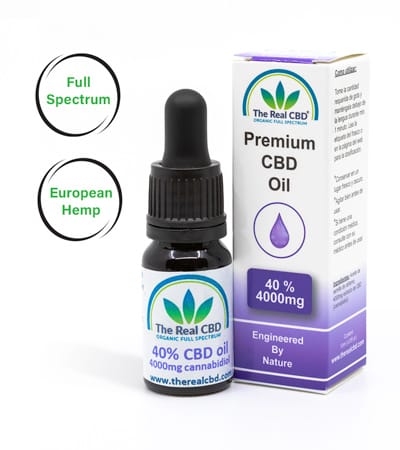 40% Raw CBD OilLe prix initial était : €145.00.€99.95Le prix actuel est : €99.95.

I am a certified expert in Medicinal Cannabis. We are all about giving correct and trustworthy information. We know how important it is to learn about CBD and cannabis, which is why we want to be your go-to source for trustworthy information. We help you improve your health by using our knowledge and experience as a starting point.












Leave a Reply
Want to join the discussion?Feel free to contribute!