
CBD for Persistent Dysthymic Depressive Disorder: Can it Help?

Living with Persistent Dysthymic Depressive Disorder, often called dysthymia, can feel like carrying a heavy weight. You might manage to get through your day, but the constant feeling of sadness or low mood seems like an unshakable companion. What if there were a natural way to lighten that burden? In recent years, CBD has gained attention for its potential to help manage mood disorders, including dysthymia. Could CBD be the key to easing the persistent symptoms of this condition? Let’s explore.
Estimated reading time: 11 Minuten
- 1. Introduction to Persistent Dysthymic Depressive Disorder
- 2. Understanding CBD: What is it?
- 3. How CBD Interacts with the Brain
- 4. Symptoms of Dysthymia: Can CBD Help?
- 5. CBD for Anxiety and Mood Stabilization
- 6. Scientific Evidence on CBD for Depression
- 7. CBD vs. Traditional Antidepressants
- 8. How to Use CBD for Dysthymia
- 9. Finding the Right Dosage of CBD
- 10. Are There Any Side Effects?
- 11. Types of CBD Products: Which is Best for Dysthymia?
- 12. Legal Aspects of CBD
- 13. Can CBD Be Used Alongside Other Treatments?
- 14. Conclusion: Is CBD Right for You?
- 16. Frequently Asked Questions
- Final Thoughts
- The Real CBD for Dysthymia
1. Introduction to Persistent Dysthymic Depressive Disorder

Persistent Dysthymic Depressive Disorder, commonly known as dysthymia, is a long-term form of depression that can last for years. Unlike major depression, which may involve intense but shorter episodes, dysthymia creates a continuous feeling of sadness or low mood. It’s often described as a “fog” that people live with day after day. While the symptoms may not always be severe, they can interfere with daily functioning and impact relationships, work, and overall quality of life.
How Does Dysthymia Differ from Major Depression?
While major depression may have more severe symptoms like extreme fatigue or difficulty concentrating, dysthymia’s symptoms are milder but more persistent. The feelings of sadness and hopelessness can last for two years or more. It’s the difference between a heavy downpour and a long, constant drizzle.
2. Understanding CBD: What is it?
CBD, or cannabidiol, is a naturally occurring compound found in the cannabis plant. Unlike its more famous cousin THC, CBD does not cause a “high.” Instead, it is often used for its potential therapeutic benefits, including pain relief, anxiety reduction, and mood stabilization. Many people have started using CBD as a natural remedy for various health issues, including mental health disorders.
How is CBD Different from THC?
THC is the compound responsible for the psychoactive effects of marijuana, whereas CBD works without altering your state of mind. It’s like drinking herbal tea instead of coffee—one gives you energy, and the other helps you relax.
What is the difference of CBD oil and Cannabis oil?
3. How CBD Interacts with the Brain
CBD works with the body’s endocannabinoid system, which plays a role in regulating mood, sleep, and stress responses. The system consists of two types of receptors: CB1 and CB2. CBD doesn’t bind directly to these receptors but influences them in a way that helps the brain maintain balance, also known as homeostasis.
CBD and Serotonin
One of the key ways CBD may help manage dysthymia is by affecting serotonin levels. Serotonin is often called the “feel-good” neurotransmitter because it plays a significant role in mood regulation. CBD is thought to interact with serotonin receptors, potentially helping to improve mood and reduce feelings of anxiety.
4. Symptoms of Dysthymia: Can CBD Help?
The symptoms of dysthymia include feelings of hopelessness, low self-esteem, difficulty making decisions, and a general sense of apathy. So, how can CBD help with these symptoms?
CBD’s calming properties may help alleviate feelings of anxiety, which are often closely tied to depression. Additionally, CBD’s influence on serotonin receptors may lift mood and improve overall emotional balance.
5. CBD for Anxiety and Mood Stabilization
CBD is widely recognized for its potential to reduce anxiety, which is a common companion of dysthymia. Anxiety can make the symptoms of depression worse, trapping you in a cycle of worry and sadness. Many users report that CBD helps them feel calmer and more grounded, potentially breaking this cycle.
6. Scientific Evidence on CBD for Depression

While more research is needed, some studies have suggested that CBD can have antidepressant-like effects. Research conducted on animals has shown that CBD may help reduce depressive symptoms, but human studies are still in the early stages. However, the growing number of anecdotal reports from users is encouraging.
What Does the Research Say?
A 2014 study published in the journal CNS & Neurological Disorders showed that CBD might positively affect serotonin receptors in the brain, which could be beneficial in managing depression.
7. CBD vs. Traditional Antidepressants
Traditional antidepressants, like SSRIs (Selective Serotonin Reuptake Inhibitors), are commonly prescribed for dysthymia. While these medications can be effective, they often come with side effects such as weight gain, insomnia, and sexual dysfunction. CBD, on the other hand, is considered to have fewer side effects and may offer a more natural way to manage symptoms.
More about CBD from our blog section
8. How to Use CBD for Dysthymia
If you’re considering using CBD to manage dysthymia, it’s important to know how to use it effectively. CBD can be taken in various forms, including oils, capsules, edibles, and topicals. For mood-related issues like dysthymia, sublingual oils and tinctures tend to be the most popular because they allow for faster absorption into the bloodstream.
What’s the Best Way to Take CBD?
Sublingual oils (placed under the tongue) are often the most effective for managing mood disorders since they enter the bloodstream more quickly. However, some people prefer edibles or capsules for ease of use.

9. Finding the Right Dosage of CBD
Finding the right dosage can be a bit of trial and error, as it varies from person to person. It’s generally recommended to start with a low dose and gradually increase until you find what works best for you. Many people start with 10-20 mg of CBD per day and increase as needed.
Should You Start Low and Go Slow?
Absolutely! When it comes to CBD, starting with a small dose and slowly increasing it is the safest way to find your ideal balance. Think of it as dipping your toes into a pool before diving in.
Read more about CBD dosage here
10. Are There Any Side Effects?
While CBD is generally considered safe, some people may experience side effects like dry mouth, fatigue, or changes in appetite. It’s also important to note that CBD can interact with certain medications, so it’s always a good idea to consult your doctor before starting any new treatment.
11. Types of CBD Products: Which is Best for Dysthymia?
There are various types of CBD products available, including:
- Full-Spectrum CBD: Contains all cannabinoids, including small amounts of THC.
- Broad-Spectrum CBD: Contains multiple cannabinoids but no THC.
- CBD Isolate: Pure CBD with no other cannabinoids.
For mood disorders like dysthymia, full-spectrum CBD is often recommended, as the small amount of THC and other cannabinoids may enhance the product’s overall effectiveness through what’s known as the “entourage effect.”
12. Legal Aspects of CBD
CBD is legal in many parts of the world, but it’s important to check the laws in your country or state before purchasing. In the United States, CBD derived from hemp (containing less than 0.3% THC) is legal on a federal level, but some states have their own restrictions.
13. Can CBD Be Used Alongside Other Treatments?

Yes, CBD can often be used alongside other treatments for dysthymia, but it’s important to approach this carefully. Many people with dysthymia are already using antidepressants or undergoing therapy. CBD might complement these treatments by helping to reduce anxiety or stabilize mood, but it’s essential to talk to your doctor first.
Potential Drug Interactions
CBD can interact with certain medications, including those commonly prescribed for depression. This is because CBD is metabolized in the liver by the same enzyme that many drugs use. As a result, taking CBD and certain medications together could alter how effective they are, or increase the risk of side effects. For instance, CBD could potentially enhance the sedative effects of some antidepressants, making you feel more tired or drowsy than usual.
A Few Points to Discuss with Your Doctor:
- Current medications: Provide a list of any medications you’re already taking, including over-the-counter drugs and supplements.
- Potential benefits: Ask how CBD might fit into your overall treatment plan and whether it might interact with your medications.
- Monitoring: Make sure your doctor helps monitor your progress, adjusting doses if necessary.
14. Conclusion: Is CBD Right for You?
The idea of using CBD for persistent dysthymic depressive disorder (dysthymia) is appealing for many people who prefer natural remedies or have not found relief from traditional treatments. Its ability to interact with serotonin receptors, potentially reduce anxiety, and help stabilize mood suggests that CBD could offer valuable support in managing the long-term, low-grade depression that defines dysthymia.
However, it’s essential to keep expectations realistic. CBD is not a magic bullet, and it won’t “cure” dysthymia. Rather, it may help alleviate some of the symptoms and improve your overall sense of well-being. As with any supplement, it’s important to:
- Start slow, with a low dose.
- Consult with your healthcare provider, especially if you are taking other medications.
- Be patient and give CBD time to work, as it may take several weeks to notice the full effects.
In conclusion, CBD could be a helpful addition to your mental health toolkit, particularly if traditional treatments have not provided complete relief. However, it’s important to approach it as one part of a broader treatment strategy, rather than a standalone solution.
16. Frequently Asked Questions

No, CBD cannot cure dysthymia. However, it may help manage symptoms by reducing anxiety and improving mood, providing some relief from the long-term low-grade depression associated with this condition.
The time it takes for CBD to work varies from person to person. For some, the effects may be noticeable within 30 minutes to an hour, especially when using sublingual oils. However, for long-term mood improvements, it may take several weeks of consistent use to experience the full benefits.
You should always consult your doctor before combining CBD with antidepressants. While some people use both together, there’s a risk of drug interactions, and your doctor can help monitor for any side effects or changes in how your medications are working.
Full-spectrum CBD is often considered the best option for mood disorders like dysthymia because it includes a wide range of cannabinoids, including trace amounts of THC. This creates what’s called the “entourage effect,” which may enhance CBD’s overall effectiveness. However, broad-spectrum CBD or CBD isolate may be better if you want to avoid THC.
While CBD is generally considered safe, there are some potential side effects, including dry mouth, fatigue, and changes in appetite. It can also interact with other medications, so it’s essential to consult your healthcare provider before starting any new supplement, especially if you’re taking other treatments for mental health.
Final Thoughts
CBD is emerging as a promising supplement for individuals dealing with persistent dysthymic depressive disorder, offering potential relief from the low mood, anxiety, and stress that often accompany the condition. While more research is needed, many people are finding it to be a helpful part of their wellness routine.
Whether used as a complement to traditional treatments or as an alternative for those seeking natural options, CBD offers a new avenue for managing the symptoms of dysthymia. However, the best approach is always to discuss with your healthcare provider, monitor your progress, and ensure you’re using CBD in a way that supports your mental health goals.
The Real CBD for Dysthymia
-
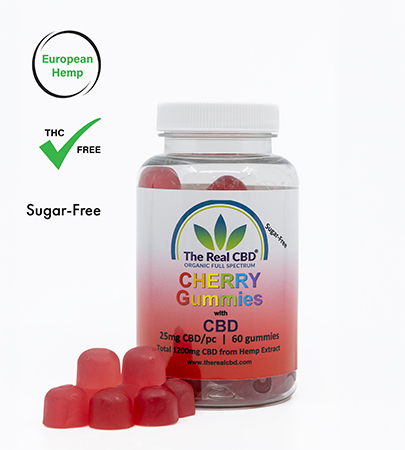 Sugar-Free CBD gummies 25mg CBD Cherry taste€35.00
 -
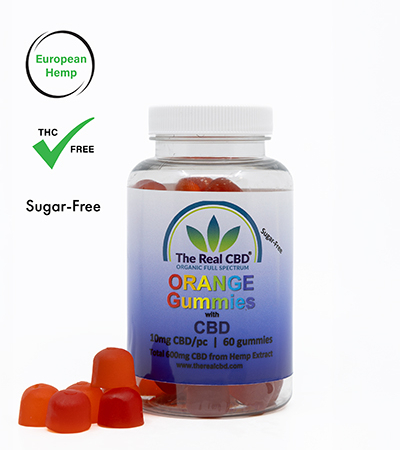 Sugar-Free CBD gummies 10mg CBD Orange taste€29.00
 -
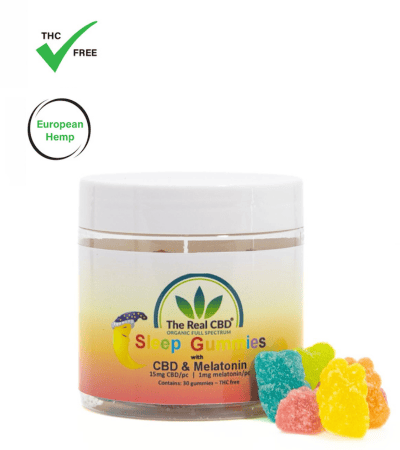 CBD Sleep Gummy Bears€22.00
 -
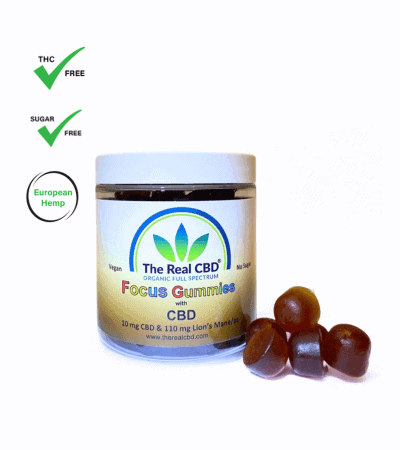 CBD Gummies with Lions mane€29.00
 -
 CBD gummies – 50mg CBD€39.00
 -
 CBD Sleep Gummies€29.00
 -
Product on sale
 Multivitamin gummiesLe prix initial était : €15.00.€10.00Le prix actuel est : €10.00.
 -
Product on sale
 40% Pain Relief oilLe prix initial était : €155.00.€99.95Le prix actuel est : €99.95.
 -
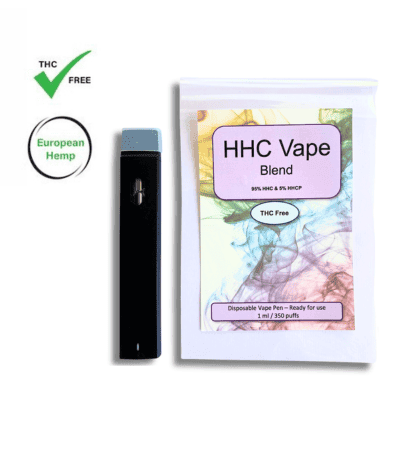 HHC Vape€35.00
 -
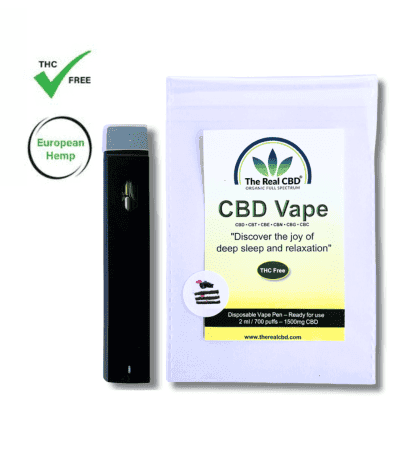 CBD Vape – Broad Spectrum€35.00
 -
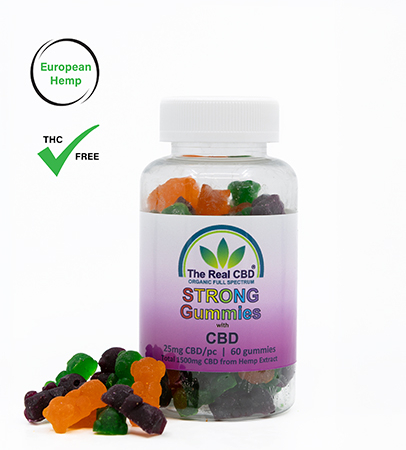 CBD gummies – 25mg CBD€35.00
 -
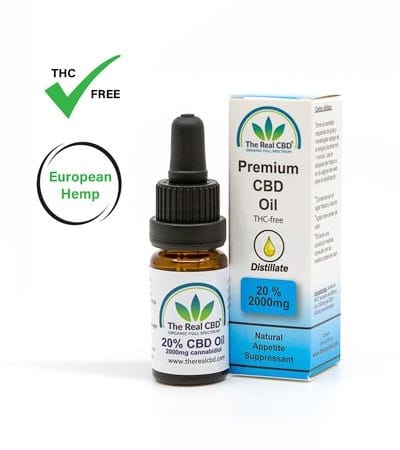 20% CBD oil – Distillate€72.00

I am a certified expert in Medicinal Cannabis. We are all about giving correct and trustworthy information. We know how important it is to learn about CBD and cannabis, which is why we want to be your go-to source for trustworthy information. We help you improve your health by using our knowledge and experience as a starting point.














Leave a Reply
Want to join the discussion?Feel free to contribute!