
CBD for Horses with Colic
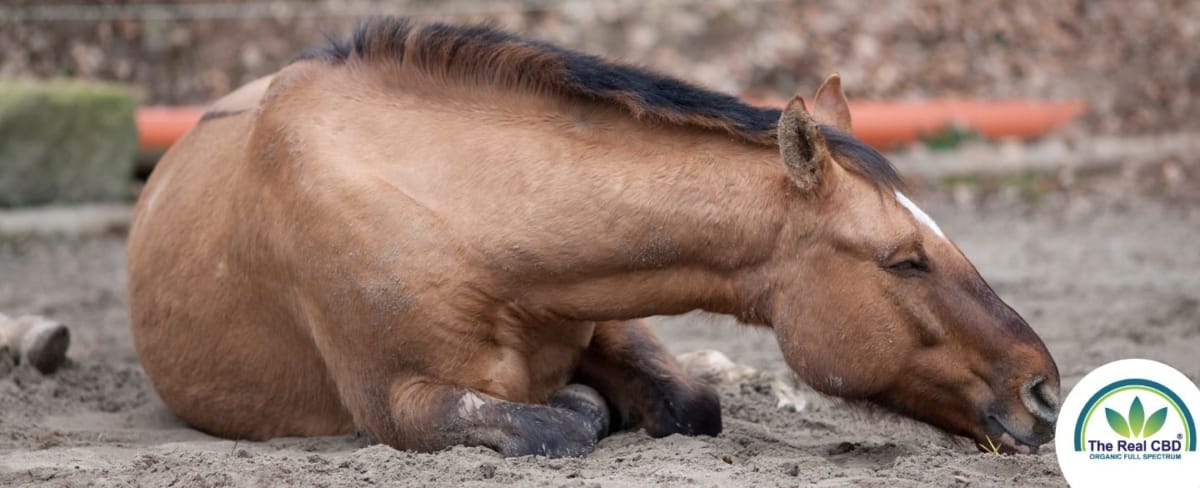
Colic is one of the most dreaded conditions for horse owners. It’s a broad term for abdominal pain, and it can range from mild discomfort to life-threatening situations that require immediate veterinary intervention. If you’ve ever had to deal with a horse experiencing colic, you know how stressful it can be.
But what if there was a natural solution that could help ease the symptoms and provide relief for your horse? CBD (cannabidiol) is gaining popularity as a potential treatment for colic in horses, thanks to its anti-inflammatory and calming properties. In this article, we’ll explore how CBD for horses with colic can be an effective, natural remedy.
Estimated reading time: 0 Minuten
- 1. Can CBD Help Horses with Colic?
- 2. What is Colic in Horses?
- 3. Common Symptoms of Colic in Horses
- 4. What Causes Colic in Horses?
- 5. Conventional Treatments for Colic
- 6. The Benefits of CBD for Horses
- 7. How CBD Can Help Relieve Colic Symptoms
- 8. CBD for Reducing Inflammation in Horses
- 9. How CBD Can Calm a Stressed Horse
- 10. The Best CBD Products for Horses from The Real CBD
- 11. Dosage Guidelines: How Much CBD Should You Give Your Horse?
- 12. How Long Does CBD Take to Work for Colic?
- 13. Are There Any Risks or Side Effects of CBD for Horses?
- 14. Conclusion: Is CBD a Good Option for Horses with Colic?
- 15. FAQs
- The Real CBD for horses with colic
1. Can CBD Help Horses with Colic?
For horse owners, colic can be a nightmare. When your horse is in pain and discomfort, you want to find a solution that works quickly and effectively. CBD has become a popular choice for treating various ailments in horses, from anxiety to arthritis, and now, there’s growing interest in its potential to help with colic.
But how exactly can CBD help? Colic involves abdominal pain, inflammation, and often stress—all of which CBD may help alleviate. In this blog, we’ll explain how CBD interacts with the horse’s body, why it might be beneficial in treating colic, and what you need to know about using it for your horse.
2. What is Colic in Horses?
Colic refers to any form of abdominal pain in horses. It’s a general term that can encompass a variety of gastrointestinal issues, from gas buildup to more severe blockages in the intestines. Because colic can range in severity, it’s important to be able to recognize the signs and know when to call a vet.
While many cases of colic can be mild and resolve on their own, severe colic can become life-threatening if not treated promptly. This is why it’s crucial to understand the symptoms and potential treatments for colic, including how CBD might play a role.
3. Common Symptoms of Colic in Horses
It’s essential for horse owners to recognize the signs of colic early so they can take action. Some of the most common symptoms include:
- Restlessness: A horse with colic may paw at the ground, shift its weight constantly, or appear anxious.
- Rolling or Lying Down: Horses in pain may repeatedly roll or lie down in an attempt to alleviate discomfort.
- Sweating: Unexplained sweating is a sign of stress or pain.
- Looking at the Flank: Horses often look at or bite their sides when experiencing abdominal discomfort.
- Lack of Appetite: A horse that suddenly refuses food may be suffering from colic.
- Changes in Bowel Movements: A decrease in passing manure, or the presence of dry, hard stools, can indicate colic.
- Increased Heart Rate: A horse’s normal heart rate should be between 28-44 beats per minute. A higher rate can signal distress or pain.
These symptoms can range from mild to severe, but in all cases, it’s important to monitor your horse closely and consult a veterinarian if necessary.
4. What Causes Colic in Horses?
There are many potential causes of colic in horses, and they can be broadly categorized into three types:
- Gas Colic: This occurs when there is an accumulation of gas in the horse’s digestive system, usually caused by fermentation of food in the intestines.
- Impaction Colic: This happens when there is a blockage in the intestines, often due to dry feed, dehydration, or a lack of fiber.
- Twisted Gut (Torsion): This is a severe form of colic where the intestines become twisted, cutting off blood flow. It’s a medical emergency and requires immediate intervention.

Other causes include changes in diet, lack of water, stress, or even parasites. Identifying the root cause of colic is crucial for effective treatment.
5. Conventional Treatments for Colic
The treatment for colic depends on its severity. Mild cases may resolve on their own or with the help of:
- Walking the Horse: This can help move gas through the digestive system.
- Pain Relief: Vets may administer medications like Banamine to ease the horse’s pain.
- Fluid Therapy: In some cases, IV fluids are needed to hydrate the horse and prevent impaction.
For more severe cases, such as impaction or twisted gut, surgery may be required. This is where alternative treatments, like CBD, may offer support, especially for managing pain and inflammation.
6. The Benefits of CBD for Horses
CBD offers a wide range of benefits for horses, many of which can help with the symptoms of colic. Some of the key benefits include:
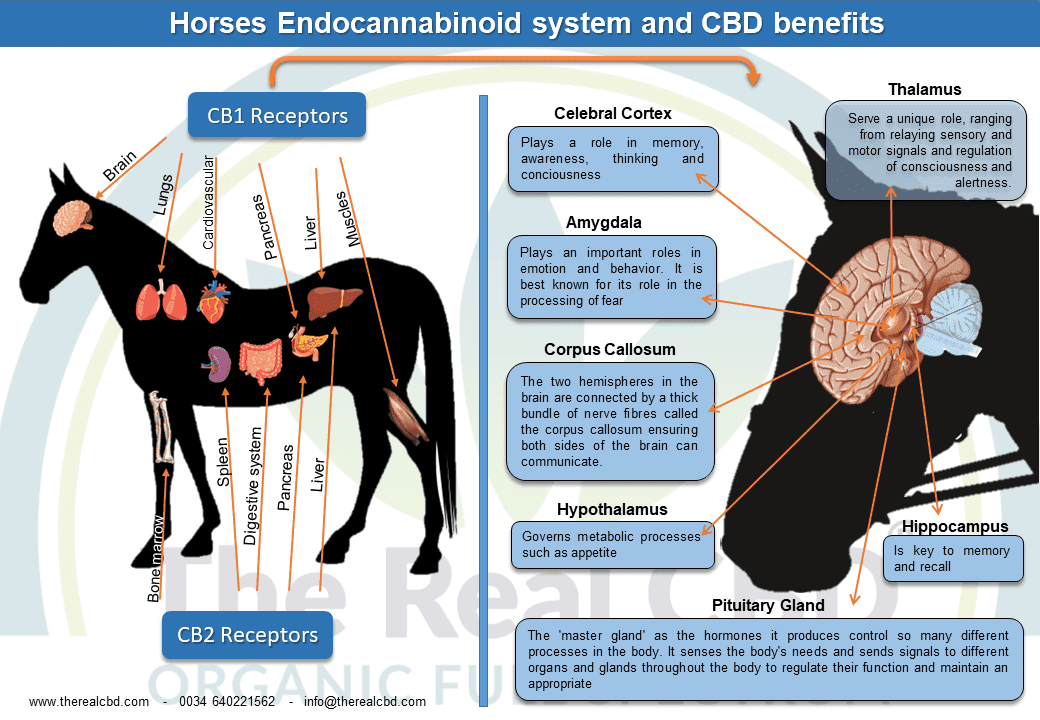
- Pain relief: CBD interacts with the horse’s endocannabinoid system (ECS) to reduce pain signals.
- Anti-inflammatory effects: Colic often involves inflammation in the digestive system, and CBD’s anti-inflammatory properties can help reduce swelling and discomfort.
- Calming properties: Horses experiencing colic are often stressed and anxious. CBD’s calming effects can help reduce anxiety and keep the horse calm while other treatments are administered.
- Digestive support: Some studies suggest that CBD can improve overall digestive health by regulating gut motility and reducing nausea.
More about CBD
7. How CBD Can Help Relieve Colic Symptoms
Colic symptoms like pain, inflammation, and stress can be managed with CBD. Here’s how:
- Pain Relief: CBD helps reduce pain by interacting with receptors in the horse’s ECS that control pain signals. This can provide relief without the need for strong painkillers, which can have side effects.
- Reducing Gas Buildup: CBD’s ability to regulate digestion may help reduce gas buildup, one of the primary causes of colic.
- Calming a Stressed Horse: Colic can be very stressful for horses, and CBD’s calming effects can help keep them calm and relaxed while receiving treatment.
8. CBD for Reducing Inflammation in Horses
Inflammation is often a significant part of colic, especially in cases where the intestines are irritated or blocked. CBD is well-known for its anti-inflammatory properties, which can help reduce swelling and pain in the digestive system. By reducing inflammation, CBD can potentially help the horse’s digestive system recover more quickly, easing the symptoms of colic.
9. How CBD Can Calm a Stressed Horse
Colic is not just physically painful for horses—it can also be emotionally distressing. When a horse is in pain, they often become anxious or agitated, which can worsen their symptoms. CBD has a natural calming effect on horses by interacting with serotonin receptors, which regulate mood and stress responses. This helps keep the horse calm, reducing the risk of injury from rolling or thrashing during a colic episode.
10. The Best CBD Products for Horses from The Real CBD
If you’re considering trying CBD for your horse’s colic, The Real CBD offers a range of high-quality products specifically designed for animals. Here are some of the best options for horses:
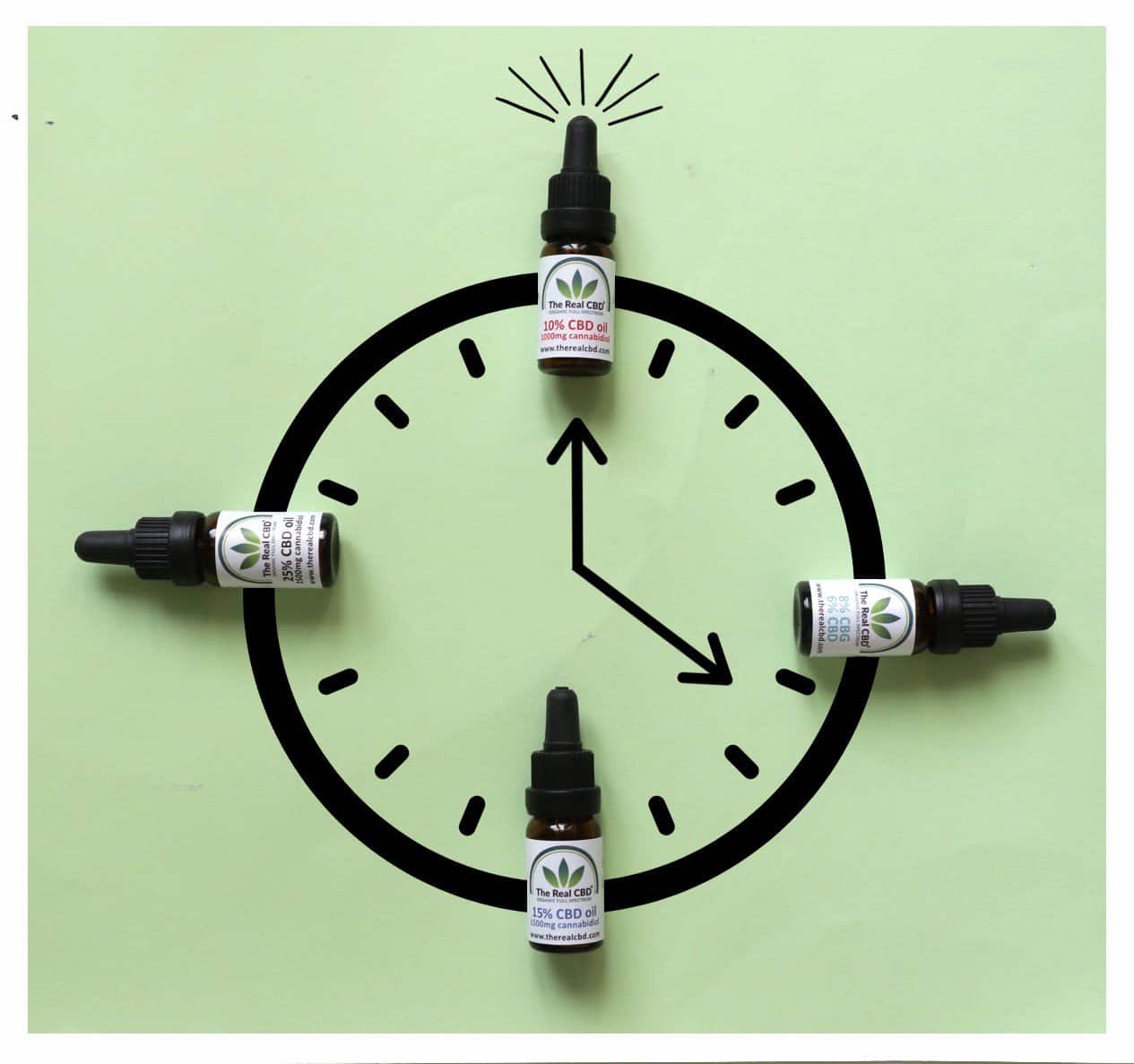
- The Real CBD 10% Full Spectrum Oil: This oil is a great option for horses experiencing colic. Its full-spectrum formulation includes CBD, terpenes, and other beneficial compounds that work together to provide pain relief and reduce inflammation.
- The Real CBD Capsules for Horses: Easy to administer, these capsules contain a consistent dose of CBD, making them perfect for ongoing digestive support and inflammation management.
- The Real CBD Balm: While typically used for external issues, some horse owners have found that applying CBD balm around the abdomen can help soothe discomfort from colic.
CBD for horses
11. Dosage Guidelines: How Much CBD Should You Give Your Horse?
When it comes to dosing CBD for horses, it’s essential to start low and go slow. Horses, due to their size, will require higher doses than smaller animals like dogs or cats. A general guideline is:
- Starting dose: 0.25 mg of CBD per pound of body weight.
- Higher dose: For more severe symptoms, consider increasing to 0.5 mg of CBD per pound of body weight.
Always consult with your vet before starting CBD, especially if your horse is already on medication.
12. How Long Does CBD Take to Work for Colic?
The time it takes for CBD to take effect in horses can vary depending on the method of administration and the severity of the colic. Here’s a general timeline:
- CBD Oil (sublingual): When administered under the tongue, CBD oil can start to take effect within 30 minutes to an hour of administration. This method allows for faster absorption into the bloodstream, providing quicker relief from symptoms like pain and anxiety. It is often the preferred method for dealing with acute colic symptoms.
- CBD Capsules or Treats: When CBD is ingested in capsule or treat form, it may take longer to feel the effects—typically between 1 to 2 hours. This is because the CBD needs to pass through the digestive system before it can start working. While slower, this method provides longer-lasting relief, making it ideal for ongoing management of inflammation or digestive issues.
- Topical CBD (balms or creams): Although typically used for external relief, some horse owners apply topical CBD to the abdominal area during colic episodes. The effects may be more localized, offering relief within 30-45 minutes when used in combination with other treatments.
13. Are There Any Risks or Side Effects of CBD for Horses?

While CBD is generally well-tolerated by horses and is considered safe, it’s important to be aware of potential side effects. Most side effects are mild and temporary, but it’s always a good idea to monitor your horse closely, especially when starting a new treatment. Some possible side effects include:
- Drowsiness: CBD can have a calming effect, which may cause your horse to appear more lethargic than usual.
- Dry Mouth: Horses might drink more water when taking CBD, as it can reduce saliva production.
- Diarrhoea: In rare cases, some horses may experience mild gastrointestinal upset, especially if given too high a dose of CBD.
To minimize the risk of side effects, it’s essential to start with a low dose and gradually increase as needed. Always consult with your veterinarian before introducing CBD, particularly if your horse is on other medications.
14. Conclusion: Is CBD a Good Option for Horses with Colic?
CBD for horses with colic is an exciting natural option that offers many benefits, from pain relief and reducing inflammation to calming a stressed horse. While it may not replace conventional treatments, it can be a valuable complement to the care your horse receives during a colic episode.
If your horse frequently experiences colic or if you’re looking for a more natural way to manage mild symptoms, CBD could be a game-changer. With products like The Real CBD’s Full Spectrum Oil and capsules specifically formulated for animals, you can help your horse find relief safely and naturally.
That being said, it’s always important to consult with your vet before introducing any new treatment, especially for serious conditions like colic. With the right approach, you can ensure your horse’s well-being and provide comfort during what can be a very stressful time.
15. FAQs

No, CBD cannot “cure” colic, but it may help alleviate the symptoms of pain, inflammation, and stress. CBD is best used as a complementary treatment alongside traditional veterinary care.
The frequency of CBD administration depends on the severity of the symptoms and the product you’re using. It’s always best to follow the dosage instructions provided with the product or consult with your vet for personalized recommendations.
CBD is generally safe for mild to moderate colic symptoms, but for severe cases like twisted gut or impaction, veterinary intervention is essential. CBD may help manage pain and inflammation but should not replace emergency treatment.
Yes, many horse owners use CBD as part of a wellness routine to support digestion and reduce the risk of colic flare-ups. Regular, low doses of CBD may help keep your horse’s digestive system balanced and reduce inflammation.
If your horse frequently experiences colic or seems anxious and uncomfortable during episodes, CBD could be worth trying. Always consult with a veterinarian to ensure it’s the right choice for your horse’s specific condition.
The Real CBD for horses with colic
-
Product on sale
 40% Pain Relief oilLe prix initial était : €155.00.€99.95Le prix actuel est : €99.95.
 -
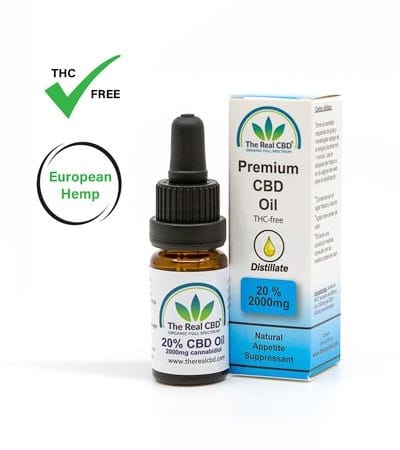 20% CBD oil – Distillate€72.00
 -
Product on sale
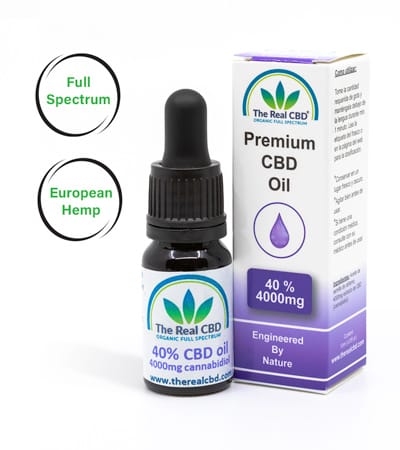 40% Raw CBD OilLe prix initial était : €145.00.€99.95Le prix actuel est : €99.95.
 -
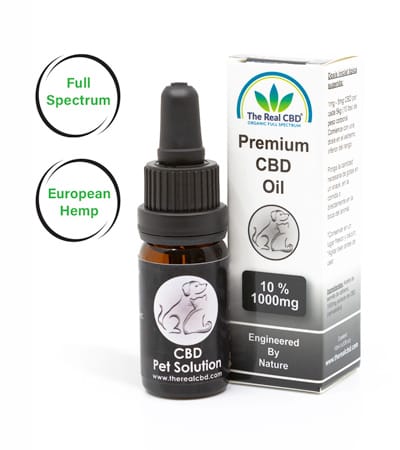 10% CBD oil for Pets€45.00
 -
Product on sale
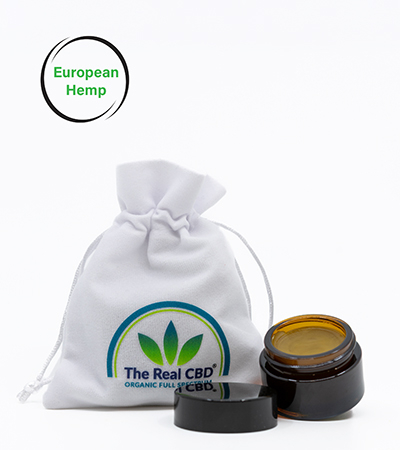 60% CBD/CBDa paste – 6000mg CBDLe prix initial était : €210.00.€150.00Le prix actuel est : €150.00.
 -
 CBD Massage oil€35.00
 -
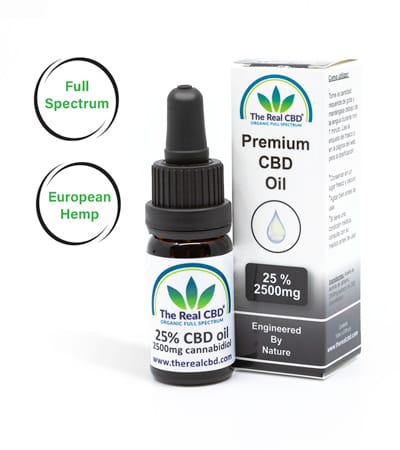 25% Pure CBD oil€99.00
 -
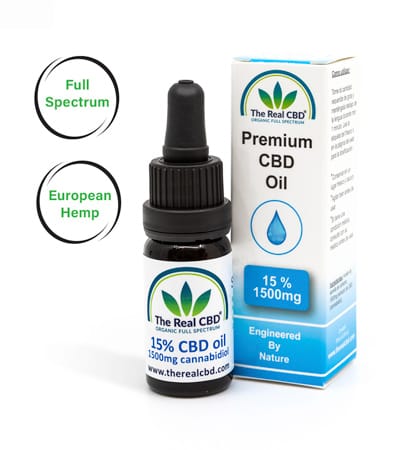 15% Pure CBD oil€55.00 €65.00Preisspanne: €55.00 bis €65.00

I am a certified expert in Medicinal Cannabis. We are all about giving correct and trustworthy information. We know how important it is to learn about CBD and cannabis, which is why we want to be your go-to source for trustworthy information. We help you improve your health by using our knowledge and experience as a starting point.











Leave a Reply
Want to join the discussion?Feel free to contribute!