
CBD for Eating Disorders: How CBD Can Support Recovery

Eating disorders are complex and challenging conditions that affect millions of people worldwide. Whether it’s anorexia, bulimia, or binge-eating disorder, these conditions can take a significant toll on mental and physical health. Traditional treatments like therapy and medication are common, but there’s a growing interest in natural alternatives like CBD (Cannabidiol). What if there was a way to help support the recovery process in a more holistic and natural way? Enter CBD—a compound derived from the hemp plant that’s gaining recognition for its potential to help manage the symptoms of eating disorders.
In this article, we’ll explore the different types of eating disorders, how CBD might play a role in managing them, and what types of CBD products could be beneficial.
Estimated reading time: 11 Minuten
- Understanding Eating Disorders
- What is CBD?
- How CBD Interacts with the Body
- The Endocannabinoid System and Appetite Regulation
- How CBD May Help with Eating Disorders
- Research on CBD and Eating Disorders
- Common Types of Eating Disorders
- Bulimia Nervosa: Benefits of CBD
- Binge-Eating Disorder: Role of CBD
- The Mental Health Benefits of CBD for Eating Disorders
- How CBD Can Aid in Appetite Regulation
- The Importance of Quality CBD Products
- Choosing the Right CBD Product for Your Needs
- Integrating CBD into Eating Disorder Treatment
- Conclusion: CBD as a Supportive Tool
- FAQs on CBD and Eating Disorders
- The Real CBD for eating disorders
Understanding Eating Disorders
Eating disorders are mental health conditions characterized by an unhealthy relationship with food, leading to dangerous behaviours and physical consequences. These conditions often stem from a mix of psychological, genetic, and social factors. People with eating disorders may struggle with body image, food restriction, or binge-eating, and often deal with anxiety and depression alongside these challenges.
Traditional treatment options like cognitive-behavioural therapy (CBT) and medications are effective, but they don’t work for everyone. That’s why there’s growing interest in alternative therapies, including the use of CBD.

What is CBD?
CBD, or Cannabidiol, is one of over a hundred compounds known as cannabinoids found in the hemp plant. Unlike THC (Tetrahydrocannabinol), CBD does not produce a “high” or psychoactive effect. Instead, it’s known for its calming and anti-inflammatory properties. CBD is available in various forms—oils, capsules, edibles, and topical CBD—making it versatile for different needs.
How CBD Interacts with the Body
CBD works by interacting with the body’s Endocannabinoid System (ECS), a network of receptors that play a crucial role in regulating mood, appetite, pain, and overall well-being. CBD influences these receptors to help maintain balance in the body, which could be beneficial for individuals with eating disorders. Think of the ECS as a conductor in an orchestra, guiding various systems in the body to play in harmony.
The Endocannabinoid System and Appetite Regulation
Our bodies contain a complex network called the endocannabinoid system (ECS), which plays a crucial role in regulating appetite, mood, and stress response. Think of the ECS as a master control system, similar to a thermostat that helps maintain balance in your body. This system includes:
Endocannabinoid Receptors
- CB1 receptors, primarily found in the brain and central nervous system
- CB2 receptors, mainly located in the peripheral nervous system and immune cells
Natural Endocannabinoids
These are compounds our bodies produce naturally that help regulate:

- Hunger signals
- Satiety (feeling full)
- Emotional responses to food
- Stress and anxiety levels
How CBD May Help with Eating Disorders
CBD (cannabidiol) interacts with the endocannabinoid system in several ways that might benefit people struggling with eating disorders:
Anxiety Reduction
- Helps calm racing thoughts about food and body image
- May reduce social anxiety around eating
- Can help manage perfectionist tendencies
Appetite Regulation
- Supports natural hunger cues
- May help normalize eating patterns
- Could reduce binge eating triggers
Mood Stabilization
- Helps manage depression symptoms
- Reduces stress-related eating
- Supports emotional balance
Research on CBD and Eating Disorders

While research is still in early stages, several studies suggest promising potential:
Clinical Studies
- A 2018 review found CBD may help reduce anxiety-driven eating behaviours
- Research shows positive effects on stress response systems
- Studies indicate potential benefits for body image concerns
Ongoing Investigations
Scientists are currently exploring:
- Optimal dosage ranges for eating disorder treatment
- Long-term effects and safety profiles
- Combination approaches with traditional therapies
Common Types of Eating Disorders
Anorexia Nervosa
Anorexia involves extreme food restriction, an intense fear of gaining weight, and a distorted body image. This can lead to severe weight loss and numerous physical health complications.
Bulimia Nervosa
Bulimia is characterized by cycles of binge eating followed by purging, either through vomiting, excessive exercise, or the use of laxatives. Individuals with bulimia often feel a loss of control over their eating habits.
Binge-Eating Disorder
Binge-eating disorder involves frequent episodes of eating large quantities of food, often rapidly and to the point of discomfort. Unlike bulimia, there is no purging behaviour, leading to issues like obesity and related health problems.
Anorexia Nervosa: How CBD May Help

For individuals with anorexia, restoring a healthy relationship with food can be an uphill battle. Studies suggest that CBD’s interaction with the endocannabinoid system might help stimulate appetite and reduce anxiety, two major hurdles for those with anorexia. By promoting a sense of calm, CBD may make it easier for individuals to approach food without fear.
Clinical Insight
A 2018 study published in the Journal of Psychopharmacology found that CBD might help regulate the reward mechanisms in the brain, potentially aiding those who struggle with food-related anxiety and discomfort.
Bulimia Nervosa: Benefits of CBD
The cycle of bingeing and purging can be driven by high stress and anxiety levels. CBD’s calming effects can reduce this anxiety, helping to break the destructive patterns associated with bulimia. By alleviating the emotional distress linked to eating, CBD may support a healthier mind set.
Real-World Example
For those who find themselves overwhelmed after eating, CBD may act as a calming agent, similar to how some people take deep breaths to regain control. This simple yet effective tool could be a game-changer in bulimia management.
Binge-Eating Disorder: Role of CBD
Individuals with binge-eating disorder often struggle with compulsive eating and find it difficult to stop even when full. Research suggests that CBD might influence dopamine and serotonin levels in the brain, which are linked to reward and impulse control. This can help in reducing the urge to overeat.
Clinical Evidence
A study in Frontiers in Pharmacology highlighted CBD’s potential in reducing impulsive behaviour, suggesting that it might be helpful in controlling binge-eating episodes.
The Mental Health Benefits of CBD for Eating Disorders

Eating disorders are not only about food; they are deeply tied to mental health. Many individuals with eating disorders experience depression, anxiety, and obsessive thoughts. CBD has shown promise in supporting mental health by influencing neurotransmitters like serotonin and dopamine, which play a role in mood regulation.
The Role of CBD in Reducing Anxiety and Stress
Stress and anxiety are significant triggers for disordered eating behaviours. CBD’s anti-anxiety properties could offer relief by calming the mind, similar to how meditation helps center the thoughts. For many, reduced anxiety can lead to a more balanced relationship with food.
Case Study
A 2019 review published in The Permanente Journal found that CBD reduced anxiety in a majority of participants, indicating that it could be a natural way to manage stress for those with eating disorders.
How CBD Can Aid in Appetite Regulation
Appetite dysregulation is a hallmark of many eating disorders. CBD’s interaction with the ECS may help restore appetite balance, making it easier for individuals to eat when they need to and avoid eating when they don’t. This is particularly beneficial for those with conditions like anorexia and binge-eating disorder.
More about CBD
The Importance of Quality CBD Products
Not all CBD products are created equal. Quality matters, especially when using CBD for health conditions. Look for third-party lab-tested products that confirm the CBD content and check for contaminants. A high-quality product can make all the difference in effectiveness.
Choosing the Right CBD Product for Your Needs

CBD comes in many forms, and choosing the right product can be confusing. Here’s a quick guide:
- CBD Oils/Tinctures: Ideal for fast relief. Easy to adjust dosage.
- CBD Capsules: Good for consistent dosing and convenience.
- CBD Edibles: Fun and discreet, but slower absorption.
- CBD Topicals: Useful for localized relief (not as relevant for eating disorders).
Dosage Recommendations for Eating Disorders
Finding the right CBD dosage can be tricky, as it varies from person to person. Starting with a low dose (5-10mg per day) and gradually increasing until you find relief is often recommended. Always consult with a healthcare professional before starting a CBD regimen, especially if you are taking other medications.
Are There Any Side Effects to Using CBD?
CBD is generally well-tolerated, but some people might experience mild side effects such as dry mouth, fatigue, or dizziness. These are usually temporary and subside as the body adjusts. Always choose a reputable CBD brand to minimize risks.
Integrating CBD into Eating Disorder Treatment
CBD should be viewed as a complementary tool within a comprehensive treatment plan:
Working with Professionals

- Always consult with healthcare providers
- Coordinate with eating disorder specialists
- Monitor progress and adjust approach as needed
Treatment Integration
- Combine with therapy
- Support nutritional counseling
- Enhance mindfulness practices
Important Safety Considerations
Medical Oversight
- Regular health monitoring
- Blood work to check liver function
- Medication interaction awareness
Quality Control
- Choose third-party tested products
- Verify CBD content
- Check for contaminants
Lifestyle Changes and Support Strategies
Successful recovery often combines multiple approaches:
Daily Practices
- Mindful eating exercises
- Stress management techniques
- Regular sleep schedule
Support Systems

- Family and friend networks
- Support groups
- Professional counselling
Working with Healthcare Providers
Building a strong treatment team is essential:
Key Team Members
- Primary care physician
- Mental health professional
- Nutritionist or dietitian
- Eating disorder specialist
Communication Tips
- Keep detailed symptom journals
- Track CBD usage and effects
- Report any concerns promptly
Conclusion: CBD as a Supportive Tool
While CBD is not a cure for eating disorders, it can be a supportive tool that aids in the recovery process. From managing anxiety to regulating appetite, CBD offers a range of potential benefits. However, it’s essential to combine CBD use with traditional therapies and consult a healthcare provider to create a well-rounded treatment plan.
FAQs on CBD and Eating Disorders

No, CBD is not a cure, but it may help manage symptoms and provide support alongside traditional treatments.
Generally, CBD is safe, but it’s crucial to consult a healthcare professional to avoid potential interactions with prescribed medications.
The onset of effects depends on the form of CBD. Oils can take 15-30 minutes, while edibles might take 1-2 hours.
CBD oils and tinctures are often recommended for anxiety due to their fast-acting nature.
CBD may help stimulate appetite by interacting with the endocannabinoid system, which plays a role in hunger regulation.
The Real CBD for eating disorders
-
Product on sale
 Multivitamin gummiesLe prix initial était : £12.57.£8.38Le prix actuel est : £8.38.
 -
Product on sale
 40% Pain Relief oilLe prix initial était : £129.92.£83.78Le prix actuel est : £83.78.
 -
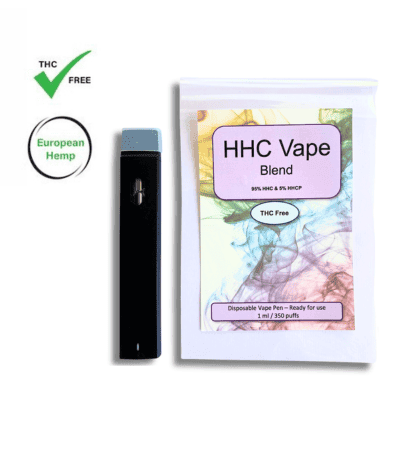 HHC Vape£29.34
 -
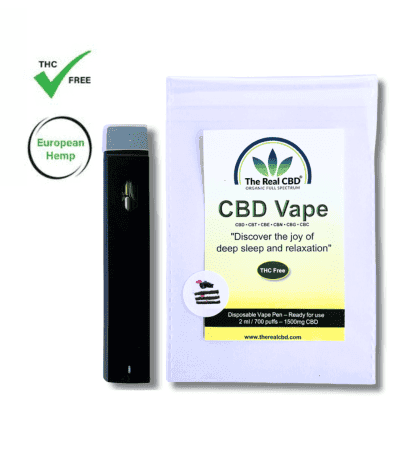 CBD Vape – Broad Spectrum£29.34
 -
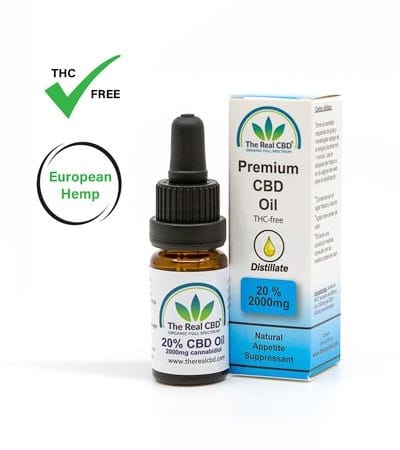 20% CBD oil – Distillate£60.35
 -
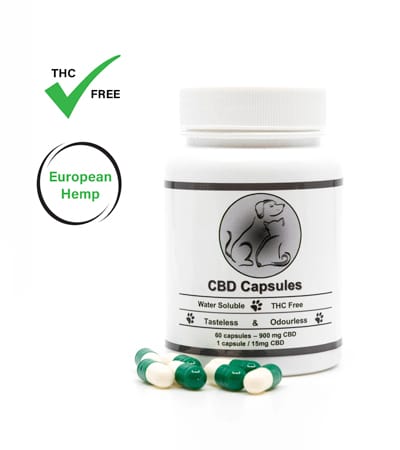 5% CBD Capsules for Pets£46.10
 -
 CBD Capsules for Athletes£46.10
 -
 CBD 3 for 2 pack£36.88 £108.97Preisspanne: £36.88 bis £108.97
 -
 CBD Anti Anxiety Pack£113.16
 -
 CBD Anti Stress Pack£80.47
 -
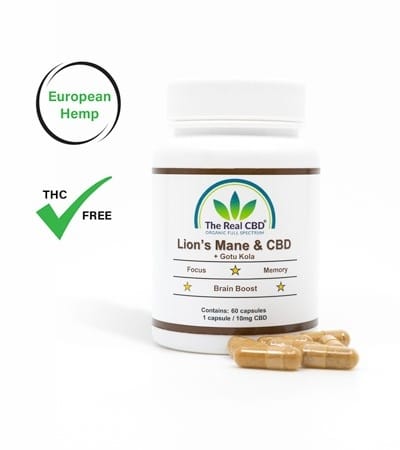 CBD and Lion’s Mane Capsules£37.72
 -
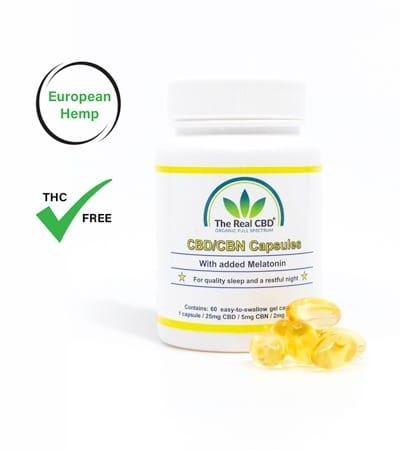 CBD/CBN and Soft Gel Capsules£50.29

I am a certified expert in Medicinal Cannabis. We are all about giving correct and trustworthy information. We know how important it is to learn about CBD and cannabis, which is why we want to be your go-to source for trustworthy information. We help you improve your health by using our knowledge and experience as a starting point.












Leave a Reply
Want to join the discussion?Feel free to contribute!