
CBD for COPD and Emphysema
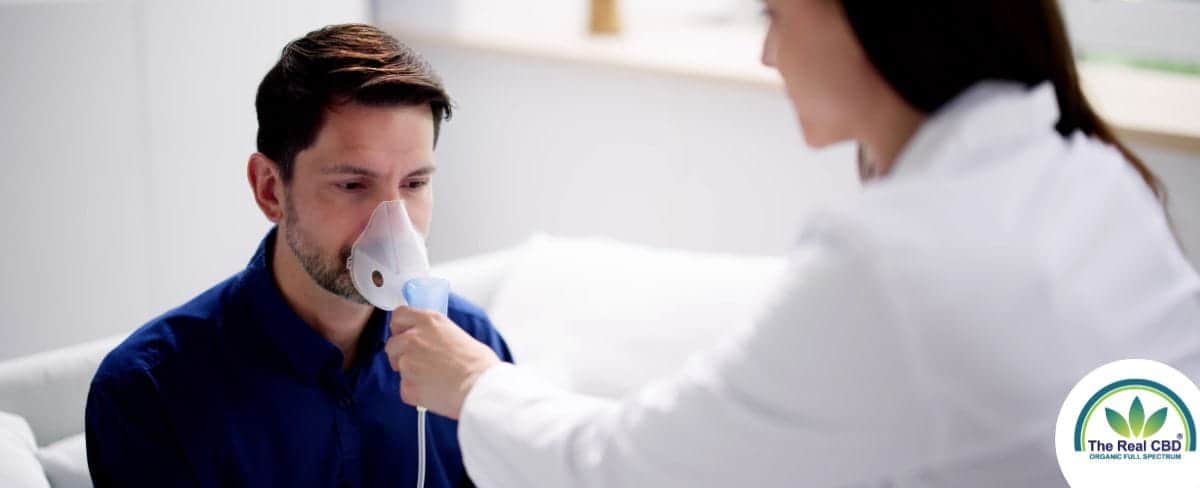
Are you or a loved one struggling to catch your breath due to COPD or emphysema? If so, you’re not alone. Millions of people worldwide grapple with these respiratory conditions, searching for ways to ease their symptoms and improve their quality of life. But what if I told you that a natural compound derived from the cannabis plant might offer some relief? That’s right – we’re talking about CBD, or cannabidiol, and its potential benefits for those living with COPD and emphysema.
In this comprehensive guide, we’ll explore how CBD might be the breath of fresh air you’ve been looking for in your journey towards better respiratory health. We’ll delve into the differences between COPD and emphysema, how these conditions affect daily life, and the promising role that CBD – particularly when vaped – might play in managing symptoms and improving overall well-being.
So, take a deep breath (if you can), and let’s dive into the world of CBD for COPD and emphysema. Who knows? This natural remedy might just help you breathe a little easier.
Estimated reading time: 14 Minuten
- 1. Understanding COPD and Emphysema: What’s the Difference?
- 2. The Daily Struggles: Living with COPD and Emphysema
- 3. CBD: A Natural Approach to Respiratory Health
- 4. How CBD May Help Manage COPD Symptoms
- 5. CBD and Emphysema: Potential Benefits for Lung Health
- 6. The Science Behind CBD’s Effects on Respiratory Function
- 7. Vaping CBD: A Breath of Fresh Air for COPD and Emphysema Patients
- 8. Choosing the Right CBD Products for Respiratory Health
- 9. Dosage and Administration: Finding Your CBD Sweet Spot
- 10. Potential Side Effects and Precautions of Using CBD
- 11. Combining CBD with Traditional COPD and Emphysema Treatments
- 12. The Future of CBD in Respiratory Health Research
- 14. Conclusion: Breathing Easier with CBD
- 15. Frequently Asked Questions (FAQs)
- The Real CBD for COPD and Emphysema
1. Understanding COPD and Emphysema: What’s the Difference?
Before we dive into the potential benefits of CBD, let’s clear the air about COPD and emphysema. While these terms are often used interchangeably, they’re not exactly the same thing.

Chronic Obstructive Pulmonary Disease (COPD) is an umbrella term that encompasses a group of progressive lung diseases, including emphysema and chronic bronchitis. COPD is characterized by:
- Airflow limitation
- Inflammation of the airways
- Destruction of lung tissue
On the other hand, emphysema is a specific type of COPD that primarily affects the air sacs (alveoli) in your lungs. In emphysema:
- The walls between air sacs break down
- Larger air spaces form instead of many small ones
- The lungs lose their elasticity, making it harder to exhale
Think of it this way: if COPD were a forest, emphysema would be a specific type of tree within that forest. All cases of emphysema are COPD, but not all cases of COPD are emphysema.
2. The Daily Struggles: Living with COPD and Emphysema
Living with COPD or emphysema is like trying to breathe through a straw – all day, every day. These conditions can turn even the simplest tasks into Herculean efforts. Let’s take a closer look at how they affect daily life:
- Breathlessness: The hallmark symptom of both conditions. Simple activities like walking up stairs, carrying groceries, or even getting dressed can leave you gasping for air.
- Fatigue: When your body is constantly fighting for oxygen, it’s no wonder you feel tired all the time.
- Frequent infections: COPD and emphysema make you more susceptible to colds, flu, and pneumonia.
- Sleep disturbances: Coughing fits and difficulty breathing can make getting a good night’s sleep feel like a distant dream.
- Anxiety and depression: The constant struggle to breathe can take a toll on your mental health.
- Social isolation: When every outing feels like a battle against your own lungs, it’s tempting to stay home and avoid social interactions.
Living with these conditions is like carrying a heavy backpack everywhere you go – it slows you down, limits what you can do, and makes every task more challenging. But what if there was a way to lighten that load? Enter CBD.
3. CBD: A Natural Approach to Respiratory Health
CBD, short for cannabidiol, is a compound found in the cannabis plant. Unlike its cousin THC, CBD doesn’t get you high. Instead, it’s been gaining attention for its potential therapeutic properties, including possible benefits for respiratory health.

But how exactly might CBD help those struggling with COPD and emphysema? Let’s break it down:
- Anti-inflammatory properties: Inflammation is a key player in COPD and emphysema. CBD has shown promise in reducing inflammation throughout the body, including in the lungs.
- Bronchodilation: Some studies suggest that CBD might help relax and widen the airways, making breathing easier.
- Pain relief: CBD may help manage the chest pain and discomfort often associated with COPD and emphysema.
- Anxiety reduction: By potentially easing anxiety, CBD might help break the cycle of breathlessness and panic that many respiratory patients experience.
- Sleep improvement: Better sleep could mean more energy and better overall health for those with respiratory conditions.
Think of CBD as a Swiss Army knife for your respiratory health – it might not be a cure-all, but it could have multiple tools to help you manage your symptoms and improve your quality of life.
4. How CBD May Help Manage COPD Symptoms
Now, let’s take a deeper breath and explore how CBD might specifically help with COPD symptoms:
- Reducing inflammation: COPD is characterized by chronic inflammation in the airways. CBD’s anti-inflammatory properties might help reduce this inflammation, potentially easing breathing difficulties.
- Decreasing mucus production: Excess mucus is a common problem in COPD. Some studies suggest that CBD might help reduce mucus production, making it easier to clear your airways.
- Improving lung function: While more research is needed, early studies indicate that CBD might help improve lung function in COPD patients.
- Managing pain: CBD’s analgesic properties could help with the chest pain and discomfort often associated with COPD.
- Easing anxiety: Breathlessness can lead to anxiety, which in turn can worsen breathlessness. CBD’s potential anxiety-reducing effects might help break this vicious cycle.
Remember, while these potential benefits are promising, it’s essential to consult with your healthcare provider before incorporating CBD into your COPD management plan.
5. CBD and Emphysema: Potential Benefits for Lung Health

When it comes to emphysema, CBD might offer some specific benefits:
- Protecting lung tissue: CBD’s antioxidant properties might help protect the remaining healthy lung tissue from further damage.
- Reducing inflammation: By potentially reducing inflammation in the air sacs, CBD might help slow the progression of emphysema.
- Improving breathing: Some users report feeling like they can take deeper breaths after using CBD.
- Enhancing sleep quality: Better sleep can lead to improved overall health and potentially slower disease progression.
- Managing weight: CBD might help regulate appetite, which could be beneficial for emphysema patients who need to maintain a healthy weight to reduce strain on their lungs.
While these potential benefits are exciting, it’s important to note that research in this area is still in its early stages. CBD should be seen as a potential complementary therapy, not a replacement for conventional treatments.
More about CBD from our blog section
6. The Science Behind CBD’s Effects on Respiratory Function

You might be wondering, “How can a plant compound possibly help with something as complex as lung function?” Well, it all comes down to how CBD interacts with our body’s endocannabinoid system (ECS).
The ECS is like a complex network of receptors throughout our body, including in our lungs. It plays a role in regulating various functions, including inflammation and immune responses. CBD interacts with these receptors, potentially influencing these processes in a way that could benefit respiratory health.
Here’s a breakdown of the scientific mechanisms at play:
- CB1 and CB2 receptors: These are the main types of receptors in the ECS. CBD doesn’t bind directly to these receptors but can influence how they interact with other compounds in the body.
- Cytokine regulation: CBD may help regulate cytokines, which are proteins involved in inflammation. By balancing cytokine production, CBD could potentially reduce harmful inflammation in the lungs.
- Bronchodilation: Some studies suggest that CBD might help relax the smooth muscles in the airways, potentially making breathing easier.
- Antioxidant effects: CBD’s antioxidant properties might help protect lung cells from damage caused by oxidative stress, which is elevated in COPD and emphysema.
While this sounds promising, it’s important to note that much of this research is still in its early stages. More clinical trials are needed to fully understand how CBD affects respiratory function in humans with COPD and emphysema.
Study on CBD for COPD and Emphysema click here
7. Vaping CBD: A Breath of Fresh Air for COPD and Emphysema Patients
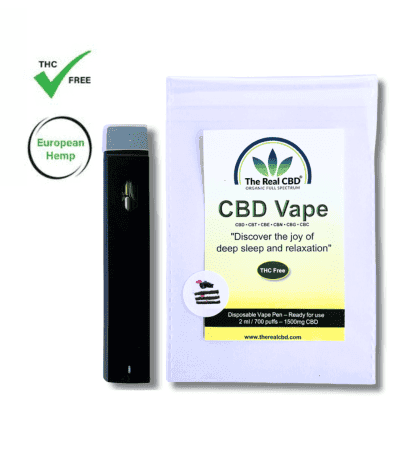
Now, let’s talk about a method of CBD consumption that’s particularly relevant for those with respiratory conditions: vaping. Vaping CBD might seem counterintuitive if you’re struggling with lung issues, but hear me out.
- Direct delivery: Vaping allows CBD to be absorbed directly through the lungs, potentially providing faster relief compared to other methods.
- Controlled dosage: With vaping, you can easily control how much CBD you’re taking in, allowing for precise dosing.
- Avoid harmful smoke: Unlike smoking, vaping doesn’t produce harmful smoke that can irritate the lungs.
- Clean CBD vape: It’s crucial to use high-quality, clean CBD vape products to avoid any potential irritants or contaminants.
- Potential bronchodilation: Some users report feeling like their airways open up immediately after vaping CBD.
However, it’s important to note that while vaping is generally considered less harmful than smoking, it’s not entirely risk-free. Always consult with your healthcare provider before starting any new treatment regimen, especially one involving inhalation.
8. Choosing the Right CBD Products for Respiratory Health
With the CBD market booming, it can be overwhelming to choose the right product. Here are some tips to help you navigate the options:
- Full-spectrum vs. isolate: Full-spectrum CBD contains other beneficial compounds from the cannabis plant, while isolates contain only CBD. Some believe the “entourage effect” of full-spectrum products offers greater benefits.
- Third-party testing: Look for products that have been tested by independent labs to ensure purity and potency.
- Organic cultivation: Choose CBD derived from organically grown hemp to avoid potential exposure to pesticides.
- Extraction method: CO2 extraction is considered the cleanest method for producing CBD oil.
- Concentration: Pay attention to the CBD concentration to ensure you’re getting an effective dose.
Remember, what works for one person might not work for another. It may take some trial and error to find the right CBD product and dosage for your needs.
9. Dosage and Administration: Finding Your CBD Sweet Spot

When it comes to CBD, there’s no one-size-fits-all dosage. The right amount depends on various factors, including your body weight, the severity of your symptoms, and your individual body chemistry.
Here are some guidelines to help you find your optimal CBD dosage:
Start low and go slow: Begin with a low dose (5-10mg) and gradually increase until you achieve the desired effects.
- Be consistent: Take CBD regularly for at least a week to assess its effects.
- Keep a journal: Track your dosage and symptoms to identify patterns and optimal dosage.
- Consider your delivery method: Vaping CBD typically requires lower doses than oral consumption due to its higher bioavailability.
- Consult a professional: A healthcare provider experienced with CBD can offer personalized dosage recommendations.
Remember, patience is key. It may take some time to find the right dosage that works for you.
10. Potential Side Effects and Precautions of Using CBD
While CBD is generally well-tolerated, it’s important to be aware of potential side effects and take necessary precautions:
- Common side effects: These may include dry mouth, drowsiness, and changes in appetite or weight.
- Drug interactions: CBD can interact with certain medications, especially those metabolized by the liver.
- Quality matters: Poor quality CBD products may contain contaminants that could be harmful to lung health.
- Pregnancy and breastfeeding: The effects of CBD during pregnancy and breastfeeding are not well understood, so it’s best to avoid use during these times.
- Liver health: High doses of CBD may affect liver function, so those with liver issues should use caution.
Always consult with your healthcare provider before starting CBD, especially if you have a pre-existing health condition or are taking other medications.
11. Combining CBD with Traditional COPD and Emphysema Treatments
CBD should not be seen as a replacement for conventional COPD and emphysema treatments, but rather as a potential complementary therapy. Here’s how CBD might work alongside traditional treatments:
- Bronchodilators: CBD might enhance the effects of bronchodilators, potentially improving their effectiveness.
- Corticosteroids: CBD’s anti-inflammatory properties might complement the effects of corticosteroids.
- Oxygen therapy: While CBD doesn’t replace the need for oxygen, it might help manage some symptoms that oxygen therapy doesn’t address, like anxiety.
- Pulmonary rehabilitation: CBD might help manage pain and inflammation, potentially making exercise easier during rehab.
- Lifestyle changes: CBD might help with stress management and sleep, supporting overall health improvements.

Remember, always inform your healthcare provider about any supplements you’re taking, including CBD, to ensure safe and effective treatment.
12. The Future of CBD in Respiratory Health Research
The potential of CBD in respiratory health is an exciting area of ongoing research. Here are some developments to watch:
- Clinical trials: More human clinical trials are needed to substantiate the effects of CBD on COPD and emphysema.
- Delivery methods: Research into more effective ways of delivering CBD to the lungs is ongoing.
- Combination therapies: Studies are exploring how CBD might work synergistically with other treatments.
- Long-term effects: Research into the long-term effects of CBD use in respiratory patients is crucial.
- Personalized medicine: Future studies may help identify which patients are most likely to benefit from CBD.
As research progresses, we may gain a clearer understanding of how CBD can be best utilized in respiratory health care.
14. Conclusion: Breathing Easier with CBD
Living with COPD or emphysema can feel like an uphill battle, but CBD might offer a glimmer of hope. While it’s not a cure-all, CBD’s potential anti-inflammatory, bronchodilating, and anxiety-reducing properties could provide some much-needed relief.
Remember, CBD is not a replacement for your prescribed treatments, but rather a potential complementary therapy. Always consult with your healthcare provider before adding CBD to your regimen, especially if you’re considering vaping CBD.
As we’ve explored, the world of CBD for respiratory health is filled with promise, but also with the need for more research. Stay informed, be cautious, and most importantly, listen to your body. With the right approach, CBD might just help you breathe a little easier on your journey to better respiratory health.
Here’s to breathing easier and living fuller, one breath at a time.
15. Frequently Asked Questions (FAQs)

No, CBD cannot cure COPD or emphysema. It may help manage symptoms and improve quality of life, but it’s not a cure for these progressive conditions.
The time it takes to feel the effects of CBD can vary depending on the method of consumption and individual factors. Vaping CBD may produce effects within minutes, while oral CBD products might take 30 minutes to 2 hours to take effect.
While vaping is generally considered less harmful than smoking, it’s not without risks, especially for those with respiratory conditions. Always consult your healthcare provider before starting to vape CBD or any other substance.
Yes, CBD can potentially interact with certain medications, including some used to treat COPD and emphysema. It’s crucial to discuss CBD use with your doctor to avoid any harmful interactions with your current treatment regimen.
The Real CBD for COPD and Emphysema
-
Product on sale
 40% Pain Relief oilLe prix initial était : £129.92.£83.78Le prix actuel est : £83.78.
 -
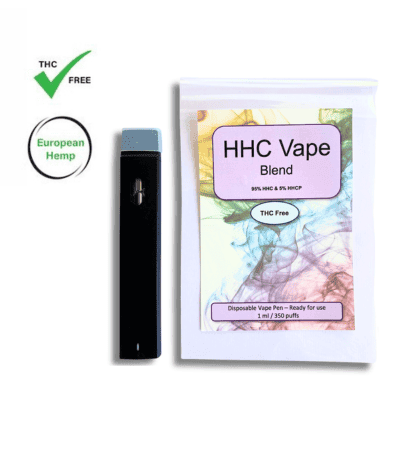 HHC Vape£29.34
 -
CBD Vape – Broad Spectrum£29.34
-
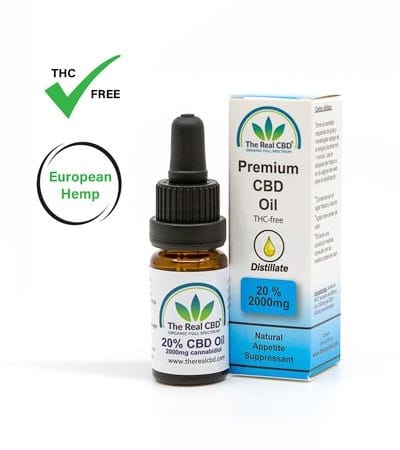 20% CBD oil – Distillate£60.35
 -
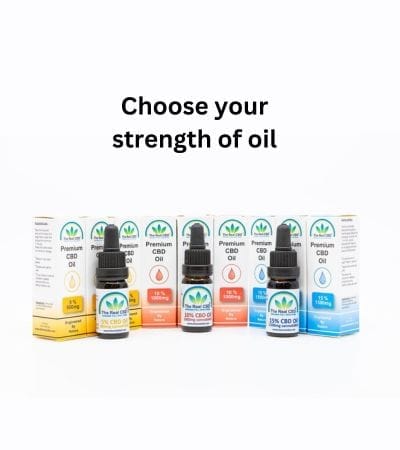 CBD 3 for 2 pack£36.88 £108.97Preisspanne: £36.88 bis £108.97
 -
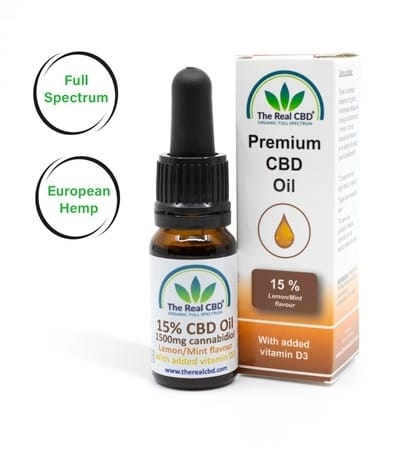 15% CBD oil with Vitamin D3£54.48
 -
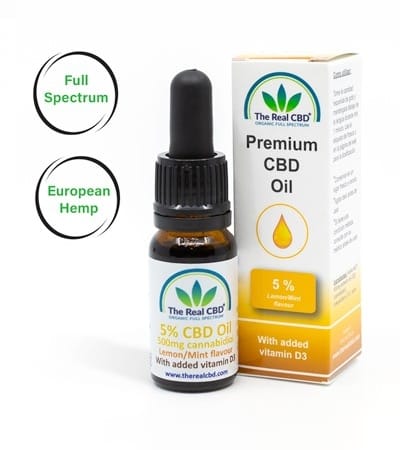 5% CBD oil with Vitamin D3£18.44
 -
Product on sale
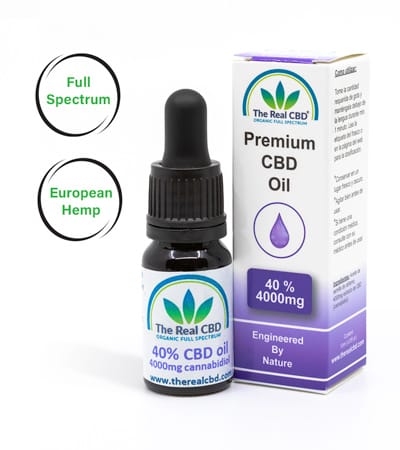 40% Raw CBD OilLe prix initial était : £121.54.£83.78Le prix actuel est : £83.78.
 -
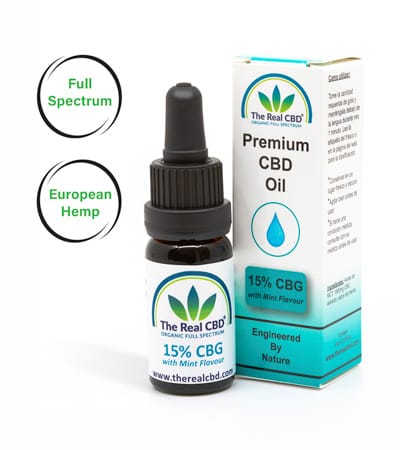 15% CBG Oil with mint taste£99.75
 -
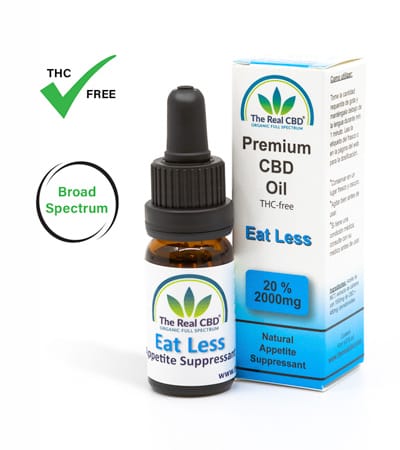 Eat Less – Natural Appetite Suppressant£71.25
 -
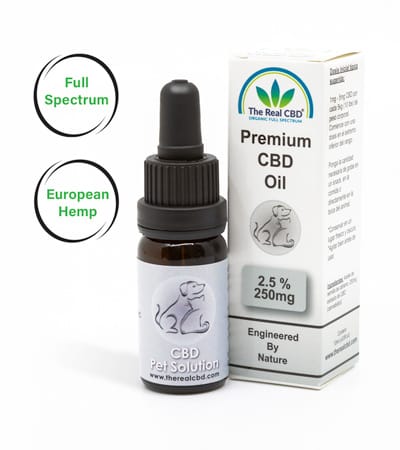 2.5% CBD oil for Pets£12.57
 -
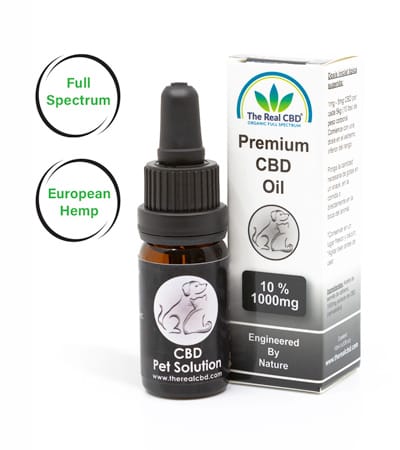 10% CBD oil for Pets£37.72

I am a certified expert in Medicinal Cannabis. We are all about giving correct and trustworthy information. We know how important it is to learn about CBD and cannabis, which is why we want to be your go-to source for trustworthy information. We help you improve your health by using our knowledge and experience as a starting point.












Leave a Reply
Want to join the discussion?Feel free to contribute!