
CBD for Chemotherapy
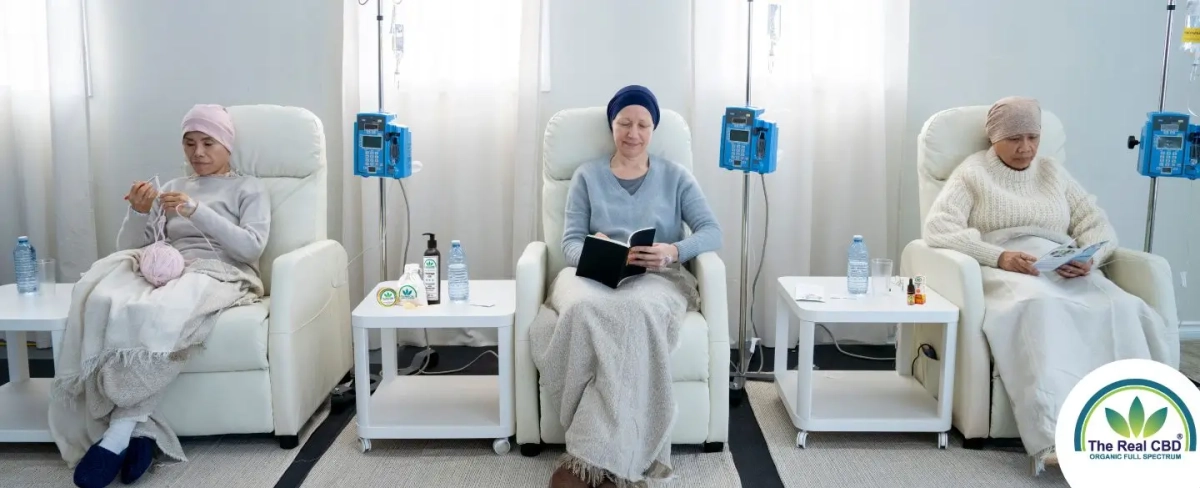
Chemotherapy is often a lifesaver, but let’s be honest—it’s no walk in the park. The nausea, fatigue, and other side effects can take a toll on anyone. That’s where CBD (cannabidiol) comes into play. More and more people are turning to CBD as a natural option to help manage the side effects of chemotherapy. But does it really work? And if so, how should you use it?
This article dives deep into CBD and chemotherapy side effects, exploring how it may help, how to incorporate it into your routine, and which products to consider.
Estimated reading time: 11 Minuten
- What Is CBD and How Does It Work?
- How is Chemotherapy Administered?
- What Are the Side Effects of Chemotherapy?
- Can CBD Help with Chemotherapy Side Effects?
- What Makes CBD Different from Painkillers?
- CBD for Fatigue: Energy through Better Sleep
- Managing Anxiety and Depression with CBD
- How CBD May Help Reduce Nausea
- CBD for Inflammation
- Can you use CBD while having chemotherapy?
- Benefits of Using CBD During Chemotherapy
- Safety Considerations
- When Should You Avoid CBD During Chemotherapy?
- How to Use CBD During Chemotherapy
- The Best CBD Products for Chemotherapy Side Effects
- Tips for Choosing Quality CBD Products
- FAQs About CBD and Chemotherapy
- The Real CBD for Chemotherapy
What Is CBD and How Does It Work?
CBD, short for cannabidiol, is a compound found in the Cannabis sativa plant. Unlike THC (the compound that gets you high), CBD is non-psychoactive, meaning it doesn’t alter your mental state. Instead, it interacts with your body’s endocannabinoid system (ECS), which helps regulate things like pain, mood, appetite, and sleep.
Think of your ECS as the body’s “balancer.” When things go haywire—like during chemotherapy—CBD may help bring things back into harmony.
How is Chemotherapy Administered?
Chemotherapy can be delivered in several ways, depending on the type of cancer, its location, and the overall treatment plan. Here are the most common methods:
1. Intravenous (IV) Chemotherapy
- The most common form of administration.
- Delivered directly into the bloodstream through a vein, allowing the drugs to circulate quickly throughout the body.
- Administered via:
- A needle inserted into a vein.
- A central line (a catheter inserted into a larger vein, such as in the chest or arm).
- A port (a small device implanted under the skin to make access easier for repeated treatments).
- A PICC line (a catheter placed into a vein in the arm).
2. Oral Chemotherapy
- Taken in the form of tablets, capsules, or liquids.
- Allows for treatment at home, but patients must follow a strict schedule and dosage plan.
3. Injection
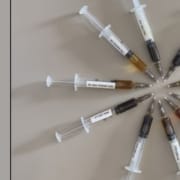
- Administered through a shot into a muscle (intramuscular) or under the skin (subcutaneous).
- Usually used for specific types of chemotherapy drugs.
4. Topical Chemotherapy

- Applied as a cream or lotion directly onto the skin.
- Often used for certain types of skin cancers.
5. Intrathecal Chemotherapy
- Delivered into the cerebrospinal fluid surrounding the brain and spinal cord via a lumbar puncture or an implanted reservoir.
- Used for cancers affecting the central nervous system.
6. Intra-arterial (IA) Chemotherapy
- Injected directly into an artery supplying blood to the tumour.
- Helps target the cancer while limiting exposure to other parts of the body.
7. Intraperitoneal (IP) Chemotherapy
- Administered into the abdominal cavity to treat cancers like ovarian or peritoneal cancer.
- The drugs are absorbed by the tissues in the abdominal area.
8. Chemotherapy Beads or Implants
- Tiny beads or wafers containing chemotherapy drugs are placed near or inside a tumour during surgery.
- Designed to release drugs over time.
What Are the Side Effects of Chemotherapy?
Chemotherapy targets rapidly dividing cancer cells, but it also affects healthy cells, leading to a wide range of side effects. The most common include:
Nausea and Vomiting
Nearly 80% of chemotherapy patients experience nausea and vomiting, often triggered by the toxic effects of treatment on the stomach lining and brain’s nausea centres.
Pain and Inflammation
Chemotherapy can lead to muscle aches, joint pain, and nerve damage, causing burning or tingling sensations (neuropathy).
Fatigue
The energy-draining effects of chemotherapy can leave patients feeling exhausted, even after rest.
Loss of Appetite
Chemotherapy can affect taste buds and cause digestive issues, making it difficult to eat, which can lead to unintentional weight loss.
Anxiety and Depression
The emotional toll of cancer treatment can lead to stress, anxiety, and depression, affecting mental well-being.
Understanding these side effects is the first step to managing them effectively—and that’s where CBD can come in.
Can CBD Help with Chemotherapy Side Effects?
Chemotherapy-Induced Pain?
Pain from chemotherapy can range from mild to severe and may result from inflammation, nerve damage, or muscle strain. CBD has anti-inflammatory properties that can help reduce swelling and calm overactive pain signals in the nervous system.
What Makes CBD Different from Painkillers?
Unlike opioids or other pain medications, CBD doesn’t carry the risk of addiction or severe side effects, making it a safer alternative for long-term use.
Top Products for Pain Relief
- Topical CBD creams or balms: Ideal for targeting localised pain.
- Full-spectrum CBD oils: Provide the “entourage effect” for maximum relief.
CBD for Fatigue: Energy through Better Sleep
Fatigue during chemotherapy is often tied to poor sleep quality or disrupted circadian rhythms. CBD has been shown to help people fall asleep faster and enjoy deeper, restorative rest.
How CBD Improves Sleep
CBD influences the ECS to promote relaxation and reduce anxiety, making it easier to drift off naturally.

Managing Anxiety and Depression with CBD
The mental health challenges of chemotherapy can feel just as overwhelming as the physical side effects. CBD’s calming properties may help reduce stress and improve mood.
Why CBD Works for Anxiety
CBD boosts levels of anandamide, a “bliss molecule” naturally produced by the body, helping to promote feelings of calm and contentment.
How CBD May Help Reduce Nausea
Nausea is one of the most common complaints among chemotherapy patients. It’s like that queasy feeling you get on a bumpy car ride—only much worse. Studies suggest that CBD interacts with serotonin receptors, which play a key role in nausea and vomiting. For many, a few drops of CBD oil can help settle the stomach.
CBD for Inflammation
Chemotherapy can cause intense pain, from aching muscles to neuropathic pain (burning or tingling sensations). CBD is believed to act as a natural painkiller, reducing inflammation and calming overactive nerves. It’s like putting out a fire in your body—without the need for heavy pharmaceuticals.
Can you use CBD while having chemotherapy?
Yes, you can generally use CBD (cannabidiol) while undergoing chemotherapy, but it’s essential to do so under the guidance of your healthcare provider. Many people have turned to CBD as a natural supplement to help manage some of the challenging side effects of chemotherapy, such as nausea, pain, anxiety, and insomnia. However, there are important considerations to keep in mind.
Benefits of Using CBD During Chemotherapy

CBD is a compound derived from the Cannabis sativa plant and is non-psychoactive, meaning it doesn’t cause a “high” like THC. Its potential benefits for chemotherapy patients include:
- Reducing Nausea and Vomiting
- Chemotherapy-induced nausea and vomiting (CINV) is one of the most common and distressing side effects of treatment.
- CBD may help by interacting with serotonin receptors in the brain, which play a role in nausea control.
- Managing Pain
- Chemotherapy can cause pain from nerve damage, inflammation, or general body aches.
- CBD has anti-inflammatory properties and interacts with pain receptors to provide relief.
- Improving Sleep
- Many patients experience insomnia due to anxiety, pain, or treatment effects. CBD may help promote relaxation and improve sleep quality.
- Easing Anxiety and Depression
- The emotional toll of cancer treatment can lead to stress and mood swings. CBD has been found to have calming properties, helping to reduce anxiety and improve overall mood.
More about CBD
Safety Considerations
While CBD is generally well-tolerated, it’s important to approach its use during chemotherapy cautiously:
Drug Interactions
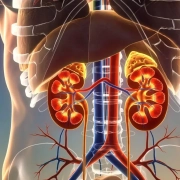
- Chemotherapy drugs are metabolised by the liver, and CBD can affect the cytochrome P450 enzyme system, which processes many medications.
- This interaction could potentially alter the effectiveness of chemotherapy or increase side effects, so it’s crucial to consult your oncologist before starting CBD.
Dosage
- There is no one-size-fits-all dose for CBD, and the correct amount can vary depending on the individual and their needs. Starting with a low dose and gradually increasing under medical supervision is advised.
Quality of CBD Products
- Choose high-quality CBD products from reputable brands that provide third-party lab testing to ensure they are free of contaminants and contain the labelled amount of CBD.
- Look for products with minimal THC content (less than 0.2% in the UK) to avoid any psychoactive effects.
Method of Use
- CBD oils, tinctures, and capsules are common options. Oils can be taken sublingually (under the tongue) for quick absorption, while capsules provide a consistent dose.
- Avoid smoking or vaping CBD, as it may irritate the lungs, especially for patients with compromised immune systems.
When Should You Avoid CBD During Chemotherapy?

In some cases, CBD might not be suitable during chemotherapy:
- If your doctor advises against it: Always prioritise your oncologist’s guidance over self-administration.
- If you’re taking medications with known interactions: Blood thinners, anti-seizure drugs, and certain chemotherapy agents may interact with CBD.
- If the CBD product lacks transparency: Avoid unverified products that do not disclose their ingredients or testing results.
Consulting Your Healthcare Team
Before using CBD during chemotherapy, discuss it with your oncologist or healthcare team. Provide them with details about:
- The type of CBD product you’re considering.
- The dose you plan to take.
- Any other medications or supplements you’re currently using.
Your doctor can help ensure that CBD is safe for you and won’t interfere with your chemotherapy treatment.
How to Use CBD During Chemotherapy
When it comes to using CBD, there’s no one-size-fits-all solution. Here are some popular options:
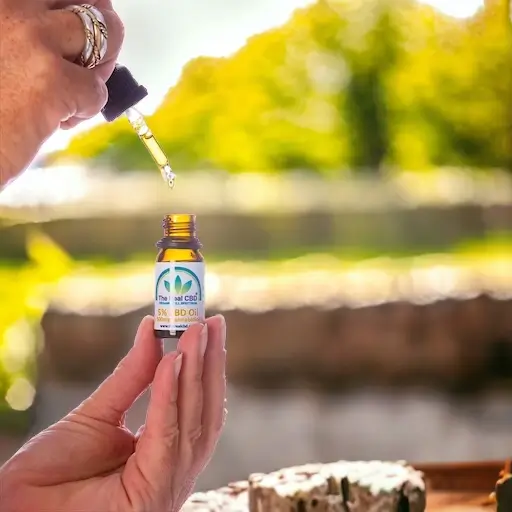
- CBD Oil/Tinctures: Place a few drops under your tongue for fast absorption.
- CBD Capsules: Easy to swallow and provide consistent dosing.
- CBD Edibles: Gummies or chocolates are a tasty way to take CBD.
- CBD Topicals: Apply creams or balms directly to painful areas.
- CBD Vapes: Inhalation offers the quickest relief but may not be ideal for everyone.
Start with a low dose and adjust as needed. Always consult with your doctor before adding CBD to your routine.
The Best CBD Products for Chemotherapy Side Effects
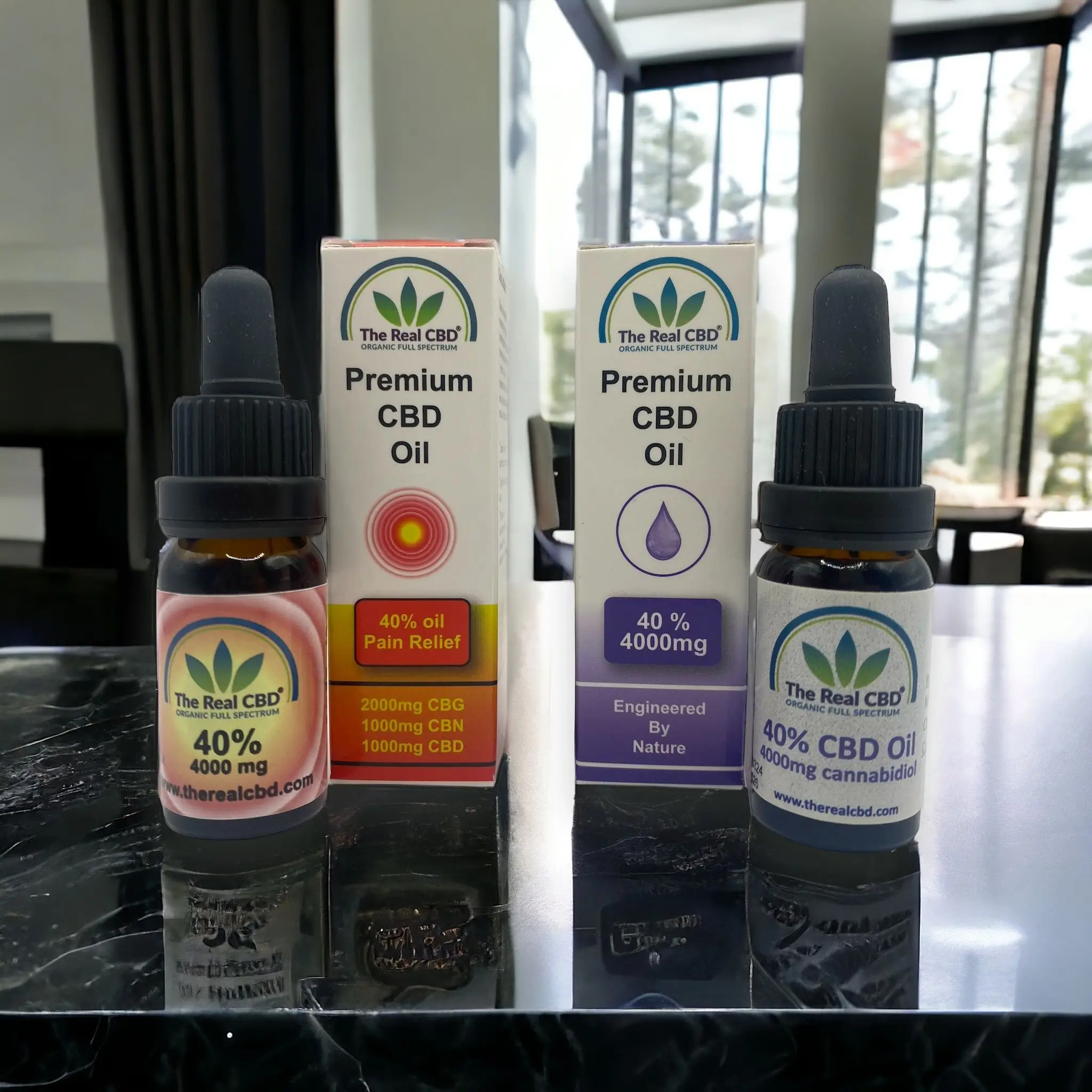
Here are some top product recommendations:
- Full-spectrum CBD oils: Contain all cannabinoids for the “entourage effect.”
- Broad-spectrum CBD oils: THC-free but still packed with beneficial compounds.
- CBD isolates: Pure CBD, great for those who want to avoid other cannabinoids.
Look for reputable brands that provide third-party lab testing.
Are There Any Side Effects of Using CBD?
CBD is generally well-tolerated, but it’s not entirely without risks. Some people may experience:
- Dry mouth
- Drowsiness
- Changes in appetite
The good news? These side effects are usually mild and go away quickly.
Tips for Choosing Quality CBD Products
When buying CBD, keep these tips in mind:
- Look for third-party lab results.
- Check the THC content (less than 0.2%).
- Opt for organic and non-GMO products.
- Read customer reviews.
FAQs About CBD and Chemotherapy

Yes, but always consult your doctor to avoid potential interactions.
It depends on the form—oils and vapes work within minutes, while edibles may take up to an hour.
No, CBD is non-addictive and safe for long-term use.
Start with a low dose (15-25 mg) and gradually increase as needed.
No, CBD cannot cure cancer, but it may help with symptom relief.
The Real CBD for Chemotherapy
-
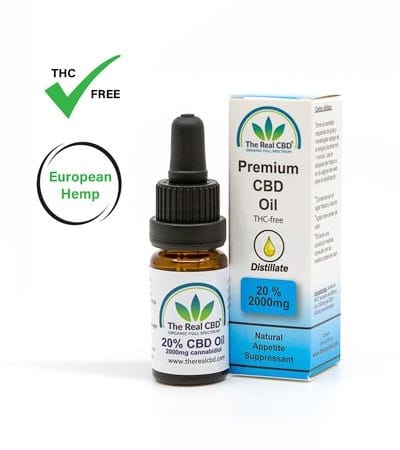 20% CBD oil – Distillate€72.00
 -
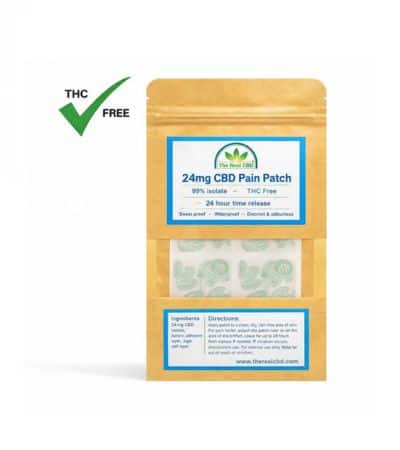 CBD Pain Patch 24mg€45.00
 -
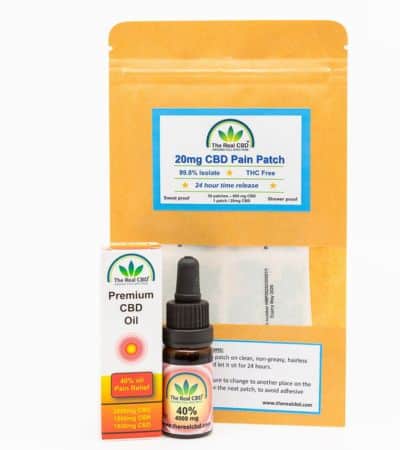 CBD Extreme Pain Pack€150.00
 -
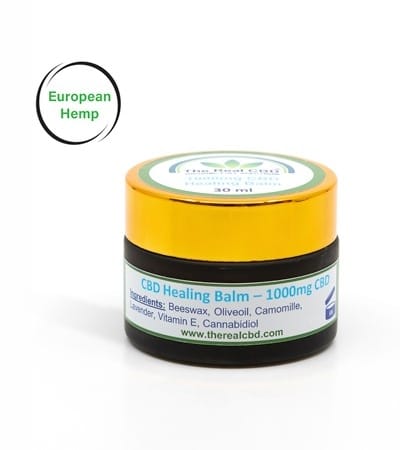 CBD Healing Balm 1000mg CBD€65.00
 -
Product on sale
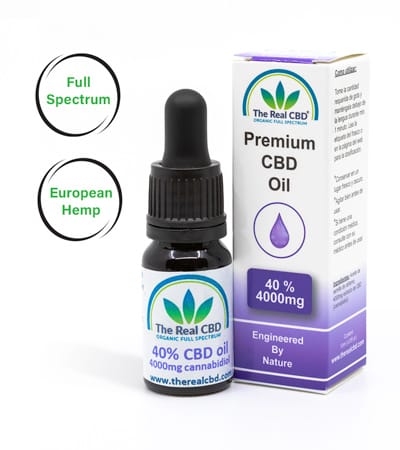 40% Raw CBD OilLe prix initial était : €145.00.€99.95Le prix actuel est : €99.95.
 -
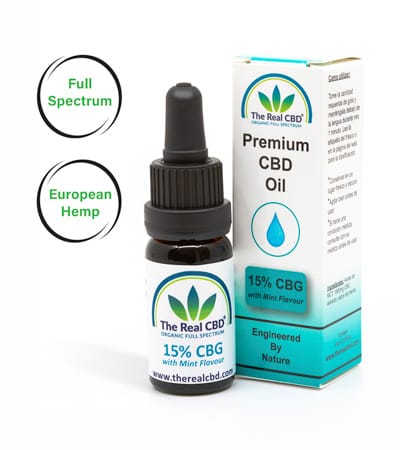 15% CBG Oil with mint taste€119.00
 -
Product on sale
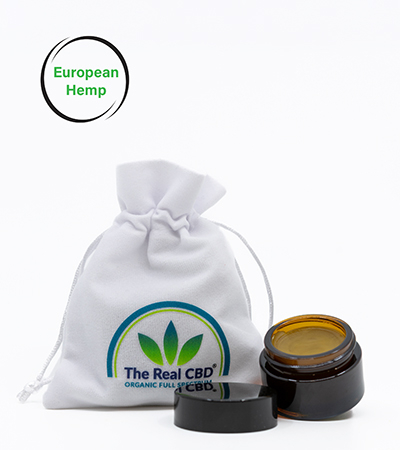 60% CBD/CBDa paste – 6000mg CBDLe prix initial était : €210.00.€150.00Le prix actuel est : €150.00.
 -
 CBD Massage oil€35.00
 -
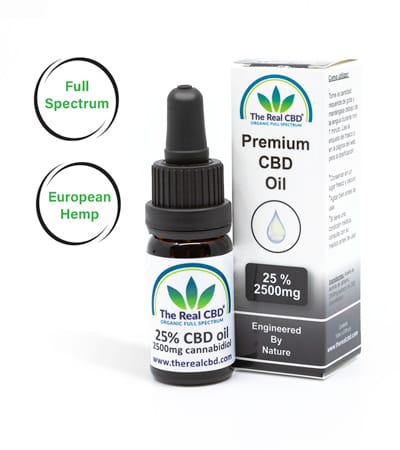 25% Pure CBD oil€99.00
 -
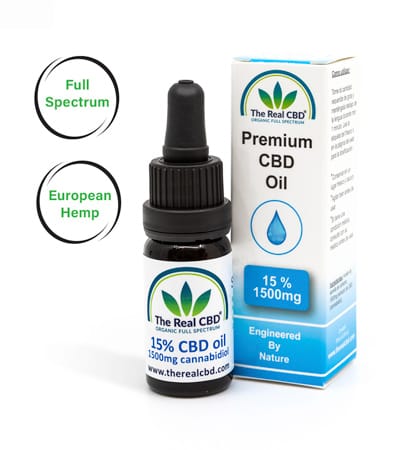 15% Pure CBD oil€55.00 €65.00Preisspanne: €55.00 bis €65.00

I am a certified expert in Medicinal Cannabis. We are all about giving correct and trustworthy information. We know how important it is to learn about CBD and cannabis, which is why we want to be your go-to source for trustworthy information. We help you improve your health by using our knowledge and experience as a starting point.









Leave a Reply
Want to join the discussion?Feel free to contribute!