
CBD and Fatty Liver Disease: Benefits and Insights
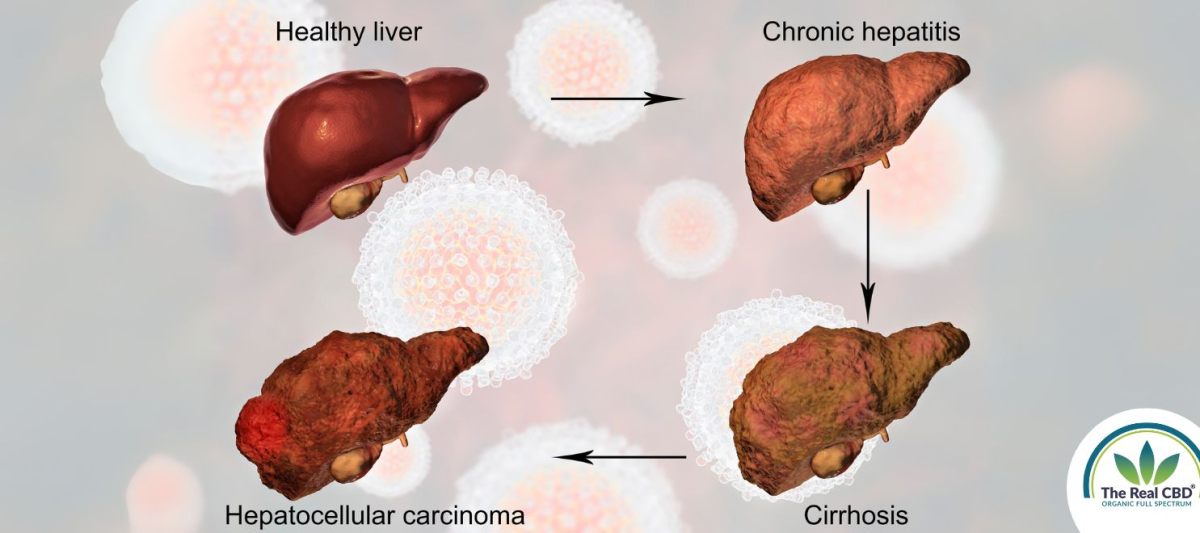
Have you ever wondered if something as natural as CBD could help with something as serious as fatty liver disease? You’re not alone. Around the world, more and more people are turning to natural remedies to support their health, and CBD is right at the top of that list. Fatty liver disease has quietly become one of the most common health concerns today, affecting millions—often without them even realising it.
In this article, we’ll explore what fatty liver disease really is, how CBD works in the body, and whether there’s any real evidence to back up the hype. Think of it as your friendly, no-nonsense guide to understanding CBD and your liver—without the complicated medical jargon.
Estimated reading time: 10 Minuten
- 1. What is Fatty Liver Disease?
- 2. Types of Fatty Liver Disease
- 3. Common Causes of Fatty Liver Disease
- 4. Symptoms You Shouldn’t Ignore
- 5. How the Liver Works (and Why It’s So Important)
- 6. What is CBD?
- 7. How CBD Works in the Body
- 8. The Link Between CBD and Fatty Liver Disease
- 9. CBD’s Anti-Inflammatory Properties
- 10. Can CBD Reduce Liver Fat?
- 11. Risks and Precautions with CBD Use
- 12. CBD Dosage and Best Forms for Liver Health
- 13. Lifestyle Changes to Support Your Liver Alongside CBD
- 14. The Future of CBD in Fatty Liver Disease Research
- 15. Conclusion
- 16. FAQs
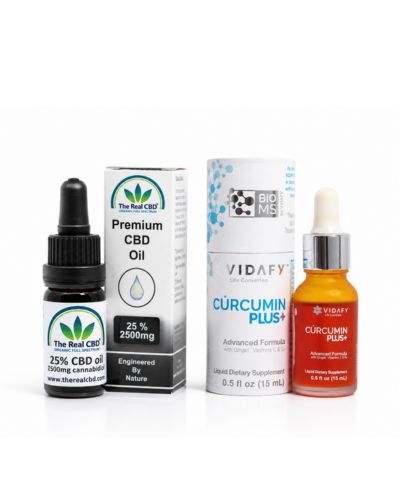
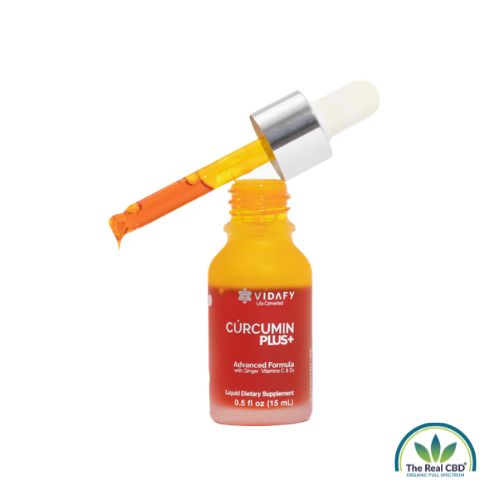
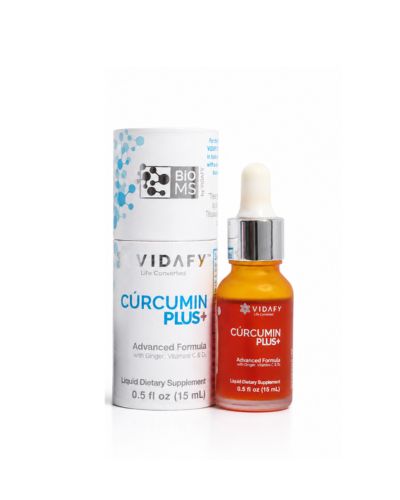
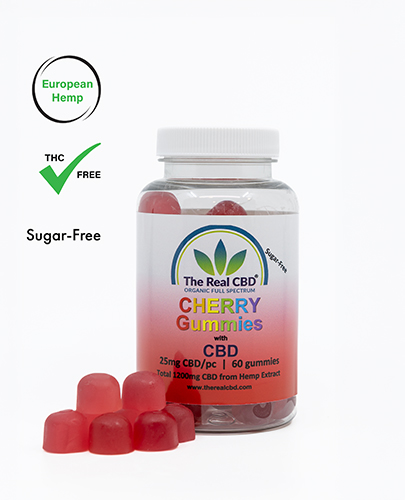
- The Real CBD for Fatty Liver Disease
1. What is Fatty Liver Disease?
Fatty liver disease happens when too much fat builds up in the liver cells. A little fat is normal, but when it starts making up more than 5–10% of the liver’s weight, that’s when problems begin. Think of your liver as a busy cleaning crew for your body—it’s in charge of filtering toxins, processing nutrients, and producing important chemicals. When it’s overloaded with fat, it can’t do its job properly.
2. Types of Fatty Liver Disease
There are two main types:
- Alcoholic Fatty Liver Disease (AFLD): Caused by heavy alcohol use over time.
- Non-Alcoholic Fatty Liver Disease (NAFLD): Happens in people who drink little or no alcohol, often linked to poor diet, obesity, or metabolic issues.
NAFLD is now so common that it’s considered the leading liver disorder in developed countries.
3. Common Causes of Fatty Liver Disease
- Unhealthy diet high in sugar and processed foods
- Obesity and being overweight
- High cholesterol or triglycerides
- Type 2 diabetes or insulin resistance
- Excessive alcohol (for AFLD)
- Certain medications
4. Symptoms You Shouldn’t Ignore
The tricky thing? Fatty liver disease often has no symptoms in its early stages. But as it progresses, you may notice:
- Constant fatigue
- Unexplained weight changes
- Pain or discomfort in the upper right abdomen
- Yellowing of the skin (jaundice) in severe cases
5. How the Liver Works (and Why It’s So Important)
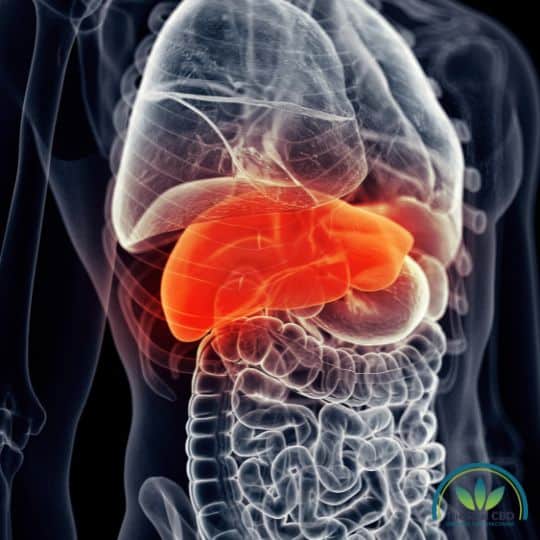
Your liver is like the body’s super-efficient factory and cleaning service rolled into one. It works quietly in the background, doing hundreds of jobs every day to keep you alive and healthy. Here’s how it works in simple terms:
1. Blood Filtration
Every drop of blood from your stomach and intestines passes through your liver first. It checks what’s in that blood, removing toxins, alcohol, and waste while keeping the good stuff like nutrients.
2. Nutrient Processing
When you eat, your food is broken down into nutrients like sugars, fats, and proteins. The liver:
- Stores some for later use (like a pantry)
- Converts them into forms your body can use right away
- Balances blood sugar levels so they don’t swing too high or too low
3. Bile Production
The liver makes bile, a greenish liquid stored in the gallbladder. Bile helps break down fats in your food so your body can absorb them properly.
4. Energy Storage
Think of the liver as your emergency fuel tank. When you have extra glucose (sugar), it stores it as glycogen. When your body needs energy between meals, the liver releases it back into the blood.
5. Hormone and Protein Management
The liver helps regulate hormones and makes important proteins, including those that clot your blood when you’re injured.
6. Immune Support
It acts as a first-line defence against germs and infections coming from your digestive system, filtering them out before they spread.
💡 Analogy: Imagine a big, smart water treatment plant combined with a power plant and a warehouse—that’s your liver. It cleans, stores, produces, and protects all at once.
6. What is CBD?
CBD (Cannabidiol) is a natural compound found in the cannabis plant, but unlike THC, it won’t get you high. It’s been praised for its potential health benefits, from reducing anxiety to easing pain and inflammation.
7. How CBD Works in the Body
CBD interacts with something called the endocannabinoid system (ECS), a network of receptors and chemicals that help keep your body balanced. The ECS is involved in things like:
- Mood
- Appetite
- Sleep
- Inflammation
8. The Link Between CBD and Fatty Liver Disease
CBD (Cannabidiol) and fatty liver disease might seem like an unlikely pair, but research over the last few years has started to reveal some interesting connections.
Fatty liver disease is often linked to inflammation, oxidative stress, and metabolic imbalances in the body. CBD is known for its anti-inflammatory and antioxidant properties, which means it might help reduce some of the processes that make fatty liver disease worse.
Here’s how the link plays out:

1. Reducing Liver Inflammation
When fat builds up in the liver, the body often responds with inflammation. Over time, this can damage healthy liver cells and lead to scarring (fibrosis). CBD has been shown in some studies to calm inflammation in the liver, potentially slowing down disease progression.
2. Fighting Oxidative Stress
Oxidative stress happens when harmful molecules called “free radicals” damage cells. In fatty liver disease, oxidative stress can make the liver weaker and more prone to injury. CBD’s antioxidant abilities may help neutralise these free radicals, offering extra protection.
3. Supporting Metabolic Health
Poor blood sugar control and high cholesterol often go hand-in-hand with fatty liver disease. Some research suggests CBD may help regulate metabolism and improve how the body processes fats and sugars—two key factors in preventing further liver damage.
4. Early Research and Limitations
While animal and lab studies are promising, large human trials are still limited. That means CBD looks potentially helpful, but it’s not yet a proven treatment. For now, CBD is best seen as a supportive tool alongside healthy lifestyle changes, not a cure.
💡 In short: CBD’s potential to ease inflammation, protect cells from damage, and support metabolic health is why scientists are exploring it as part of a strategy to help manage fatty liver disease.
9. CBD’s Anti-Inflammatory Properties
One of CBD’s best-known benefits is calming inflammation. In fatty liver disease, inflammation can cause scar tissue (fibrosis), which may eventually lead to cirrhosis. By reducing inflammation, CBD could help slow disease progression.
10. Can CBD Reduce Liver Fat?
Short answer: Maybe—promising in animals, not yet proven in humans.
Here’s the plain-English version. In several animal studies, CBD helped calm liver inflammation and reduced fat build-up in the liver, especially in models of alcohol-related injury and diet-induced fatty liver. Researchers saw fewer fat droplets in the liver and friendlier shifts in genes that control how we make and burn fat. That’s science-speak for: the livers looked and behaved healthier after CBD.

There’s also work showing full-spectrum cannabis oils (with CBD, THC, and terpenes) eased hepatic steatosis (fatty change), improved blood fats, and lowered oxidative stress in a rat model. Interestingly, in that study, balanced CBD:THC ratios (like 1:1 or 2:1) often performed best on liver fat, while CBD-only helped other markers more than fat itself. That suggests the “entourage effect” might matter for liver outcomes—at least in animals. BioMed Central
What about humans? We don’t have solid clinical trials yet that prove CBD alone melts liver fat in people with NAFLD/NASH. Observational studies do find lower rates of NAFLD among cannabis users, but those can be skewed by lifestyle differences (diet, activity, alcohol). A genetics-based analysis (designed to test causality) didn’t find proof that cannabis use protects against NAFLD. Bottom line: interesting signals, no slam-dunk proof yet. PLOS+1Frontiers
How might CBD help (the “why”):
- It reduces inflammation and oxidative stress, two big drivers of liver fat and scarring. NaturePMC
- It seems to nudge metabolism in a better direction—downshifting fat-making pathways and upshifting fat-burning ones (seen in mice). Think of it like switching your liver from “store mode” to “burn mode.”
Important cautions: High doses of prescription CBD (Epidiolex®) can raise liver enzymes, especially when combined with valproate or clobazam. If someone has liver disease or takes meds that stress the liver, medical supervision and lab monitoring (ALT/AST) are smart.
So, can CBD reduce liver fat?
- In animals: yes, repeatedly. NatureBioMed Central
- In people: we don’t know yet—we need well-designed human trials of CBD (and of full-spectrum extracts) in NAFLD/NASH. PMC
Practical take: If you’re exploring CBD as part of a liver-friendly plan (diet, movement, sleep, alcohol moderation), treat it as a supporting actor, not the star of the show. Start low, go slow, and talk with your clinician—especially if you’re on other medications or already have abnormal liver tests.
Related content
11. Risks and Precautions with CBD Use
Even natural remedies can have side effects. Possible risks include:

- Interactions with certain medications
- Changes in appetite or digestion
- Potential liver enzyme changes at high doses
Always check with a healthcare provider before starting CBD—especially if you have liver issues.
12. CBD Dosage and Best Forms for Liver Health
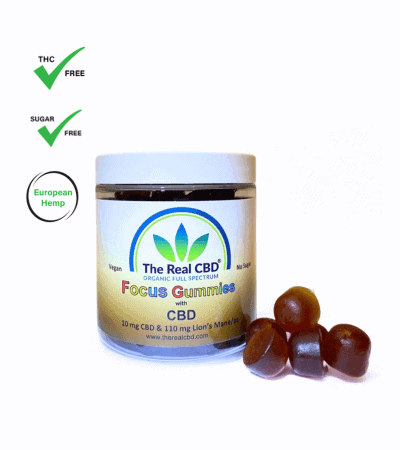
CBD comes in many forms—oils, capsules, gummies, even topical creams. For liver health, CBD oil or capsules are the most common. Start low (5–10mg daily) and increase gradually, monitoring how you feel.
13. Lifestyle Changes to Support Your Liver Alongside CBD
CBD works best when paired with healthy habits:
- Eat a balanced diet rich in vegetables and healthy fats
- Exercise regularly
- Limit alcohol and processed sugars
- Stay hydrated
14. The Future of CBD in Fatty Liver Disease Research
Researchers are optimistic but cautious. Larger human studies are needed to confirm how effective CBD really is for fatty liver disease. The next decade could bring exciting developments.
15. Conclusion
CBD holds promise for supporting liver health, especially in reducing inflammation and oxidative stress linked to fatty liver disease. While it’s not a cure, it could be a helpful part of a broader liver-friendly lifestyle. Always speak to a healthcare professional before trying CBD for any medical condition.
16. FAQs
No, CBD is not a cure. It may help manage symptoms and inflammation, but lifestyle changes are essential.
It can be safe in low to moderate doses, but you should always consult your doctor first.
This varies by person. Some may notice changes in weeks, while for others, it may take months.
No. CBD should complement, not replace, prescribed treatments
CBD oil or capsules are most effective for internal liver support.
The Real CBD for Fatty Liver Disease

I am a certified expert in Medicinal Cannabis. We are all about giving correct and trustworthy information. We know how important it is to learn about CBD and cannabis, which is why we want to be your go-to source for trustworthy information. We help you improve your health by using our knowledge and experience as a starting point.













Leave a Reply
Want to join the discussion?Feel free to contribute!