
Can You Grow CBD Yourself? Step-by-Step Guide for Beginners
Have you ever wondered if you could grow your own CBD? As the popularity of CBD products continues to soar, many people are asking themselves this very question. Whether you’re looking to save money, ensure quality, or simply enjoy a new hobby, growing CBD at home can be a rewarding experience. But is it really possible for the average person to cultivate their own CBD-rich plants? Let’s dive into the world of home-grown CBD and uncover everything you need to know.
Estimated reading time: 12 Minuten
- 1. Understanding CBD: What Is It and Why Grow It?
- 2. The Legal Landscape: Is It Legal to Grow CBD?
- 3. Marijuana vs. Hemp: What’s the Difference?
- 4. Choosing the Right CBD-Rich Hemp Strains
- 5. Essential Growing Conditions for CBD Plants
- 6. Step-by-Step Guide to Growing CBD at Home
- 7. Common Challenges in CBD Cultivation
- 8. Harvesting and Processing Your CBD Plants
- 9. Testing Your Home grown CBD for Potency and Purity
- 10. The Benefits of Growing Your Own CBD
- 11. Potential Risks and Considerations
- 12. DIY CBD Oil: A Simple Recipe to Try at Home
- 13. Storing Your Homemade CBD Oil
- 14. Shelf Life of Homemade CBD Oil
- 15. Conclusion: Is Growing CBD Yourself Worth It?
- 16. FAQs
1. Understanding CBD: What Is It and Why Grow It?
CBD, short for cannabidiol, is a compound found in cannabis plants that has gained immense popularity for its potential health benefits. Unlike its cousin THC, CBD doesn’t produce a “high” but is believed to offer various therapeutic effects. But why would you want to grow it yourself?
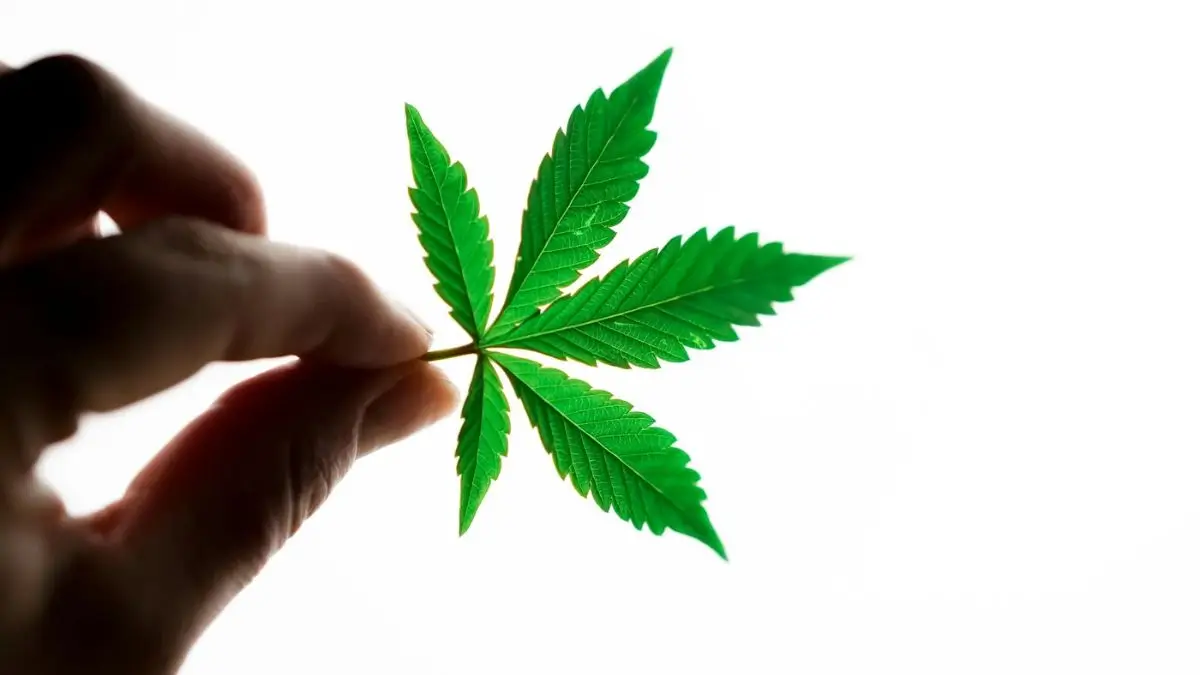
Growing your own CBD can be likened to tending a garden of wellness. Just as you might cultivate tomatoes for the freshest sauce or herbs for the most aromatic seasonings, nurturing CBD plants allows you to have a direct hand in creating a product that could potentially improve your quality of life.
2. The Legal Landscape: Is It Legal to Grow CBD?
Before you rush out to buy seeds, it’s crucial to understand the legal implications of growing CBD. The legality of CBD cultivation is a patchwork quilt of regulations that varies from country to country and even state to state within the US.
In many places, growing hemp (cannabis with less than 0.3% THC) for CBD is legal, while cultivating marijuana (cannabis with more than 0.3% THC) remains restricted. However, laws are constantly evolving, so it’s essential to check your local regulations before starting your CBD garden.
3. Marijuana vs. Hemp: What’s the Difference?
When it comes to growing CBD, understanding the distinction between marijuana and hemp is crucial. Both are varieties of the Cannabis sativa plant, but they differ in one key aspect: their THC content.
- Marijuana is typically bred for high THC levels, the compound responsible for the psychoactive effects or “high” associated with cannabis use. It usually contains more than 0.3% THC by dry weight.
- Hemp, on the other hand, is cultivated for its fibres, seeds, and CBD content. By legal definition in many countries, including most of Europe hemp must contain 0.2% THC or less. This low THC content means hemp doesn’t produce psychoactive effects but can still be rich in CBD.
Here’s a quick comparison:
| Characteristic | Marijuana | Hemp |
| THC Content | >0.3% | ≤0.3% |
| CBD Content | Variable | High |
| Legal Status | Varies | Often legal |
| Primary Use | Recreational/Medical | Industrial/CBD production |
For those looking to grow CBD at home, hemp is typically the go-to choice due to its legal status and high CBD content. It’s like choosing between coffee and decaf – both come from the same plant, but one packs a stronger punch while the other offers a milder experience.
4. Choosing the Right CBD-Rich Hemp Strains
Selecting the right strain is like picking the perfect apple tree for your orchard. You want a variety that’s hardy, produces well, and gives you the qualities you’re after. When it comes to CBD-rich hemp strains, there are several factors to consider:
- CBD content: Look for strains known for high CBD levels.
- Growing conditions: Choose strains suited to your climate and growing setup.
- Flavour profile: Some strains offer unique terpene profiles that can affect taste and potential benefits.
Popular CBD-rich hemp strains include:
- Charlotte’s Web
- ACDC
- Sour Space Candy
- Lifter
- Suver Haze
Research each strain’s characteristics to find the one that best suits your needs and growing conditions.
5. Essential Growing Conditions for CBD Plants
Creating the right environment for your CBD plants is crucial for success. Think of it as setting up a cosy home for your green friends. Here are the key factors to consider:
- Light: CBD plants thrive with plenty of sunlight or high-quality grow lights.
- Soil: Well-draining, nutrient-rich soil is essential for healthy growth.
- Water: Consistent moisture without overwatering is key.
- Temperature: Most CBD strains prefer temperatures between 70-85°F (21-29°C).
- Humidity: Aim for 40-50% during flowering to prevent mould.
6. Step-by-Step Guide to Growing CBD at Home
Ready to start your CBD growing journey? Here’s a simple guide to get you started:
- Germinate your seeds: Place seeds between moist paper towels until they sprout.
- Prepare your growing space: Set up your indoor grow room or outdoor garden bed.
- Plant your seedlings: Once sprouted, transfer to small pots with quality soil.
- Provide adequate light: Ensure 18-24 hours of light daily during the vegetative stage.
- Monitor and adjust conditions: Keep an eye on temperature, humidity, and soil moisture.
- Transition to flowering: Reduce light to 12 hours daily to induce flowering.
- Support your plants: Use stakes or trellises as plants grow taller.
- Watch for pests and diseases: Regularly inspect plants and treat issues promptly.
- Harvest at the right time: Look for amber trichrome as a sign of readiness.
Remember, growing CBD is a learning process. Don’t be discouraged if your first attempt isn’t perfect – even experienced gardeners face challenges!
7. Common Challenges in CBD Cultivation
Like any gardening endeavour, growing CBD comes with its share of hurdles. Here are some common issues you might face:
- Nutrient deficiencies: Watch for yellowing leaves or stunted growth.
- Pests: Spider mites, aphids, and caterpillars can all damage your plants.
- Mould and mildew: Especially problematic in humid conditions.
- Overwatering: Can lead to root rot and other issues.
- Light burn: Too much intense light can damage leaves.
Stay vigilant and address problems quickly to keep your CBD plants healthy and productive.
8. Harvesting and Processing Your CBD Plants
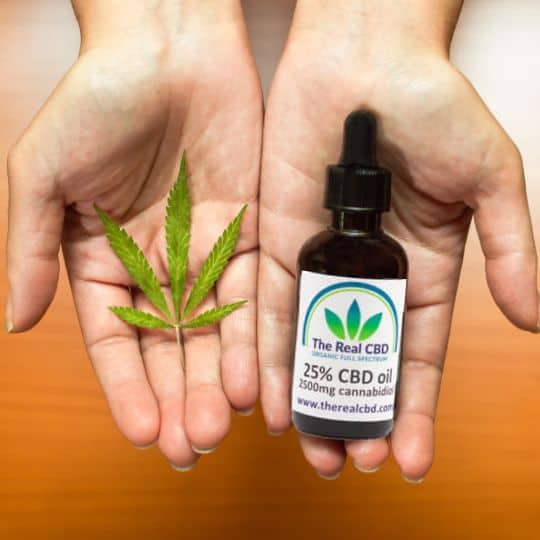
Harvest time is like the grand finale of a fireworks show – exciting and rewarding! Here’s what you need to know:
- Timing is crucial: Harvest when trichrome are milky white with some amber.
- Cut and trim: Remove large fan leaves and hang plants to dry.
- Drying: Maintain 60% humidity and temperatures around 70°F (21°C) for 7-14 days.
- Curing: Store buds in airtight containers, opening daily to release moisture.
Proper harvesting and processing preserve the CBD content and enhance the overall quality of your product.
9. Testing Your Home grown CBD for Potency and Purity
After all your hard work, you’ll want to know exactly what you’ve produced. Testing your CBD is like checking the nutrition label on food – it tells you what’s inside. Consider:
- Home testing kits: Provide a rough estimate of CBD content.
- Professional lab testing: Offers precise cannabinoid profiles and checks for contaminants.
Testing ensures you know the potency of your CBD and confirms it’s free from harmful substances.
10. The Benefits of Growing Your Own CBD
Cultivating your own CBD can be incredibly rewarding. Here’s why:
- Quality control: You know exactly what goes into your plants.
- Cost-effective: Can be cheaper than buying CBD products long-term.
- Customization: Grow strains that meet your specific needs.
- Therapeutic hobby: Gardening itself can be relaxing and fulfilling.
Growing CBD is like brewing your own craft beer – it allows for personal touch and satisfaction in the final product.
More about CBD
11. Potential Risks and Considerations
While growing CBD can be rewarding, it’s important to be aware of potential risks:
- Legal issues: Ensure you’re compliant with local laws.
- Investment: Initial setup costs can be significant.
- Time and effort: Requires consistent care and attention.
- Variability in results: CBD content can vary based on growing conditions.
Weigh these factors carefully before deciding to grow your own CBD.
12. DIY CBD Oil: A Simple Recipe to Try at Home
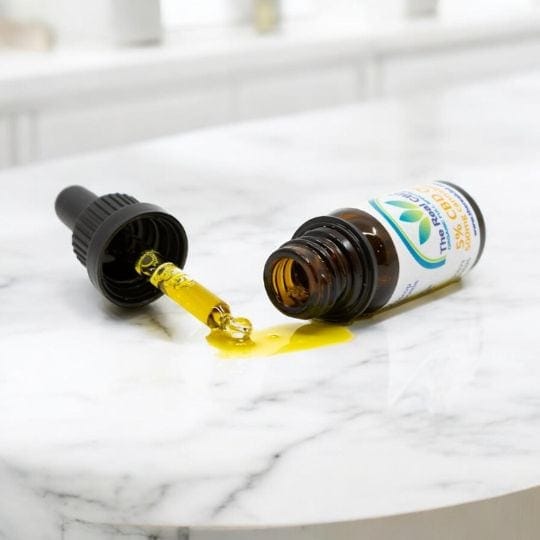
Once you’ve successfully grown and harvested your CBD-rich hemp, why not try making your own CBD oil? Here’s a simple recipe to get you started:
Ingredients:
- 1 cup of ground CBD-rich hemp flower
- 1 cup of carrier oil (coconut oil, olive oil, or MCT oil)
Instructions:
- Decarboxylate your hemp flower by baking it at 240°F (115°C) for 60 minutes.
- Mix the decarboxylated hemp with your chosen carrier oil in a mason jar.
- Place the jar in a pot of water, ensuring the water level is below the jar’s lid.
- Simmer on low heat for 2-3 hours, stirring occasionally.
- Strain the mixture through a cheesecloth to remove plant material.
- Store your homemade CBD oil in a cool, dark place.
Remember, homemade CBD oil may vary in potency, so start with small doses and adjust as needed.
13. Storing Your Homemade CBD Oil
Proper storage of your homemade CBD oil is crucial to maintain its potency and prevent degradation. Here are some key tips for storing your CBD oil:
- Choose the right container: Use an airtight, dark glass bottle. Amber or cobalt blue bottles are ideal as they protect the oil from light exposure. Avoid plastic containers, as CBD can potentially leach chemicals from the plastic over time.
- Keep it cool and dark: Store your CBD oil in a cool, dark place. A pantry, cupboard, or refrigerator are good options. Avoid places with temperature fluctuations or direct sunlight.
- Avoid heat and light: Heat and light can degrade CBD, reducing its effectiveness. Keep your oil away from windows, stoves, and other heat sources.
- Seal it tightly: Always ensure the bottle is tightly sealed after each use to prevent air exposure.
- Use clean utensils: When dispensing your CBD oil, use clean droppers or spoons to avoid introducing contaminants.
14. Shelf Life of Homemade CBD Oil
The shelf life of homemade CBD oil can vary depending on several factors:
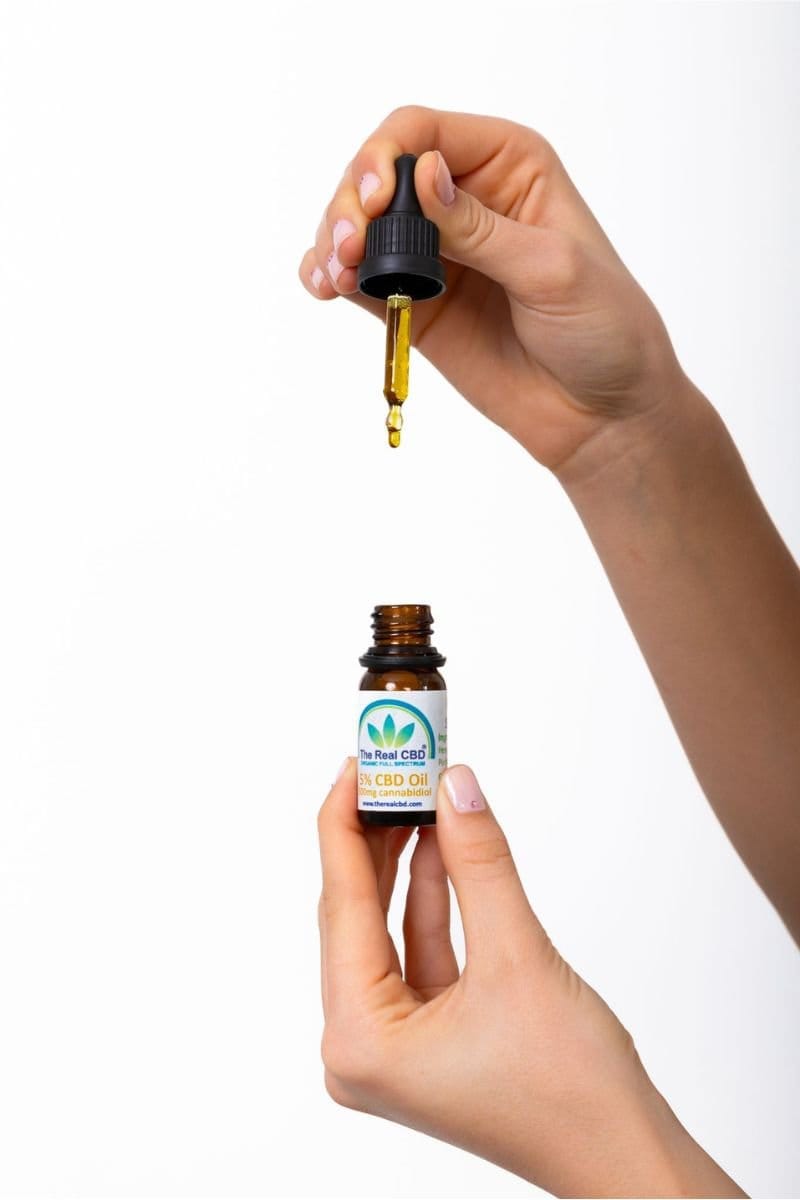
- Carrier oil used: The type of carrier oil affects shelf life. For example:
- Coconut oil: 2-3 years
- Olive oil: 1-2 years
- Hemp seed oil: 6-12 months
- Storage conditions: Proper storage can significantly extend shelf life. Well-stored CBD oil can last 1-2 years.
- Extraction method: The method used to extract CBD can affect its stability and longevity.
- Additional ingredients: If you’ve added any other ingredients to your CBD oil, these may affect its shelf life.
Generally, homemade CBD oil can last 12-24 months when stored properly. However, for best results, try to use it within 6-12 months of making it.
Signs Your CBD Oil Has Gone Bad:
- Cloudy appearance
- Thick or chunky texture
- Rancid or unpleasant smell
- Significant change in colour
If you notice any of these signs, it’s best to discard the oil and make a fresh batch.
Tips to Extend Shelf Life:
- Make smaller batches to ensure freshness.
- Consider adding vitamin E oil as a natural preservative (about 1 teaspoon per cup of carrier oil).
- If you’ve refrigerated your CBD oil and it’s become cloudy, let it come to room temperature before use. This cloudiness is normal and doesn’t indicate spoilage.
Remember, while these guidelines are generally applicable, the exact shelf life of your homemade CBD oil may vary. When in doubt, trust your senses – if it looks or smells off, it’s better to err on the side of caution and make a new batch.
By following these storage tips and being mindful of shelf life, you can ensure that your homemade CBD oil remains potent and effective for as long as possible. This way, you can fully enjoy the benefits of your home-grown CBD!
15. Conclusion: Is Growing CBD Yourself Worth It?
So, can you grow CBD yourself? The answer is a resounding yes – with the right knowledge, equipment, and dedication. While it requires effort and patience, cultivating your own CBD can be a fulfilling journey that provides you with a personal supply of this beneficial compound.
Whether you’re drawn to the potential cost savings, the ability to control quality, or simply the joy of nurturing plants, growing CBD at home offers a unique opportunity to connect with nature and potentially enhance your wellness routine.
However, it’s crucial to consider the legal aspects, initial investment, and ongoing commitment required. Weigh these factors against the benefits to decide if growing CBD is right for you. And remember, like any new skill, it takes time to master – so be patient with yourself as you embark on this green adventure!
16. FAQs
The legality varies by location. In many places, growing hemp (cannabis with less than 0.3% THC) for CBD is legal, but it’s essential to check your local laws before starting.
On average, it takes about 3-4 months from seed to harvest for most CBD-rich hemp strains.
Yes, CBD plants can be grown indoors with proper lighting, ventilation, and climate control.
CBD oil from marijuana may contain higher levels of THC, while hemp-derived CBD oil contains 0.3% THC or less, making it non-psychoactive.
To ensure safety, have your CBD tested by a reputable lab for potency and potential contaminants before use.

I am a certified expert in Medicinal Cannabis. We are all about giving correct and trustworthy information. We know how important it is to learn about CBD and cannabis, which is why we want to be your go-to source for trustworthy information. We help you improve your health by using our knowledge and experience as a starting point.












Leave a Reply
Want to join the discussion?Feel free to contribute!