Can You Grow CBD at Home? A Guide to Legal, Economic, and Practical Considerations
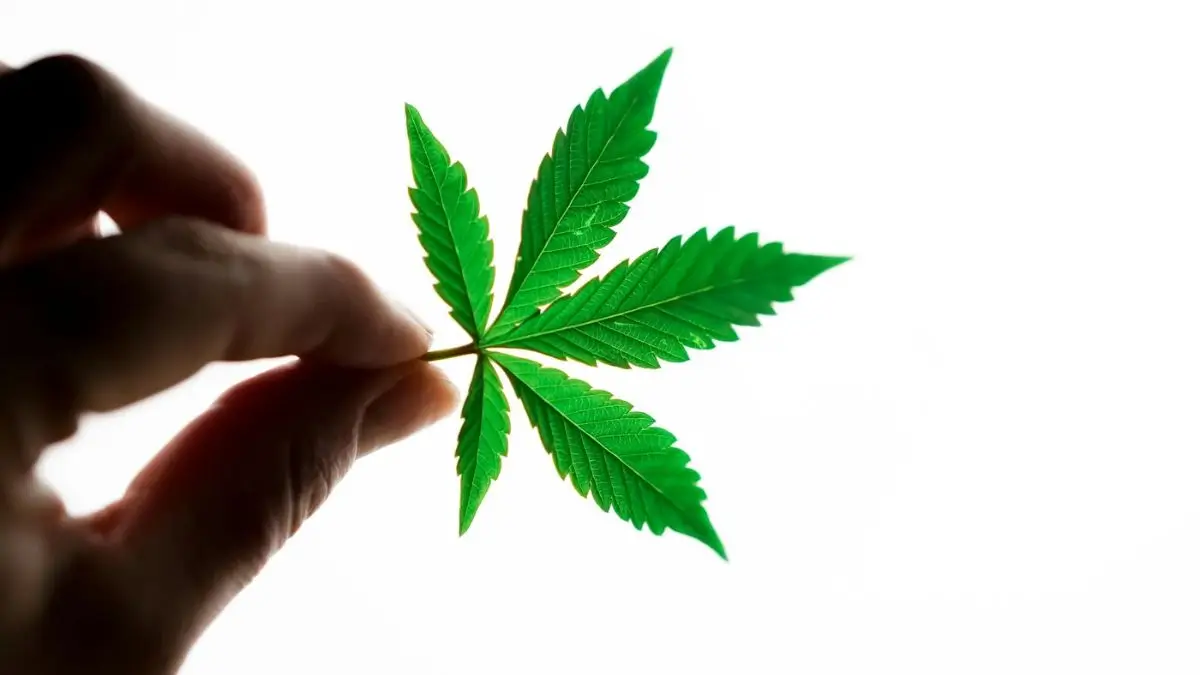
Photo by Kindel Media from Pexels
Growing your own CBD can be a tempting idea for those looking to take control of the process and perhaps save some money along the way. It offers independence and the satisfaction of growing something useful. But is it really that simple?
The allure of having a personal supply of CBD, free from the markup of retail prices, is hard to resist. However, there are layers of complexity involved—from legal considerations to ensuring the right growing environment. Before starting, it’s crucial to understand what’s really involved in this task.
Legal Landscape of Growing CBD at Home
Growing CBD at home comes with its share of legal considerations, and navigating these can be tricky. In the U.S., the legality of cultivating marijuana differs from state to state. Some states allow home cultivation under specific guidelines, while others have stricter laws or outright bans. Even if it’s legal in your state, federal law requires the THC content to remain below 0.3%, or you could face penalties.
Another important aspect is licensing. Some states require permits to grow hemp, even for personal use. This involves paperwork, fees, and regular inspections to ensure compliance with regulations. For those looking to grow CBD on a small scale, understanding these legal obligations is key to avoiding any potential trouble.
Whether you’re growing for personal wellness or looking into small-scale production, it’s crucial to stay informed. Legal risks vary, and growing CBD plants that unintentionally produce higher-than-allowed THC levels can lead to unwanted consequences. Doing your research is a necessary first step before setting up your CBD garden.
Economic Benefits and Costs of Growing CBD
Growing CBD at home might sound like a cost-effective solution, but the financial realities can be surprising. Starting costs quickly add up, whether you’re growing indoors or outdoors. Indoor growers need lights, ventilation systems, and humidity control, while outdoor growers may face costs like fencing and plant protection. On top of that, seeds and nutrients can also be expensive, making the initial setup quite an investment.
Beyond the upfront expenses, ongoing maintenance costs can creep in. Water, electricity, and fertilizers add to the long-term financial commitment. The need for extraction equipment brings additional costs. For many, the long-term savings don’t always outweigh the effort and expense involved.
That’s where considering professional tools can come in handy. For those serious about maximizing efficiency, using tools like pre-roll machines might be a wise investment. You can check out a reliable selection at greenthumbdepot.com for options that streamline the process. While home cultivation can offer a sense of control and independence, the question remains—are the costs worth it compared to buying professionally grown CBD?
Practical Challenges of Growing CBD
Growing CBD at home might seem like a rewarding venture, but it comes with its fair share of practical hurdles. From environmental factors to the complexities of extracting the oil, there are many aspects that require careful consideration before diving into cultivation. Understanding these challenges can help you decide if the effort is worth it.
Environmental Requirements
CBD plants thrive under specific conditions. For indoor growing, maintaining the right balance of light, temperature, and humidity is crucial. This means investing in grow lights, fans, and possibly air conditioning to keep the environment just right. Outdoor growers need to consider climate and weather conditions, as CBD plants don’t tolerate extreme heat or frost well. The need for constant environmental monitoring makes it a demanding process, especially for beginners.
Time and Effort
Growing CBD isn’t a “set it and forget it” project. It requires regular care and attention. From germination to harvest, you’ll need to monitor the plants daily, ensuring they receive the right nutrients and aren’t affected by pests or diseases. Beyond growing, if you plan to extract CBD oil, that’s another labor-intensive step involving specialized equipment. The process can easily take several months from start to finish, demanding patience and dedication.
Yield and Quality Control
Even with all the effort put into growing, the results can be unpredictable. Factors like plant genetics, environmental conditions, and care all influence the final yield and CBD content. Home growers often struggle to match the consistency and quality of professionally produced CBD products. Without advanced techniques, you may end up with lower-quality CBD that doesn’t meet your expectations, making the process more frustrating than rewarding.
Is Growing CBD Right for You?
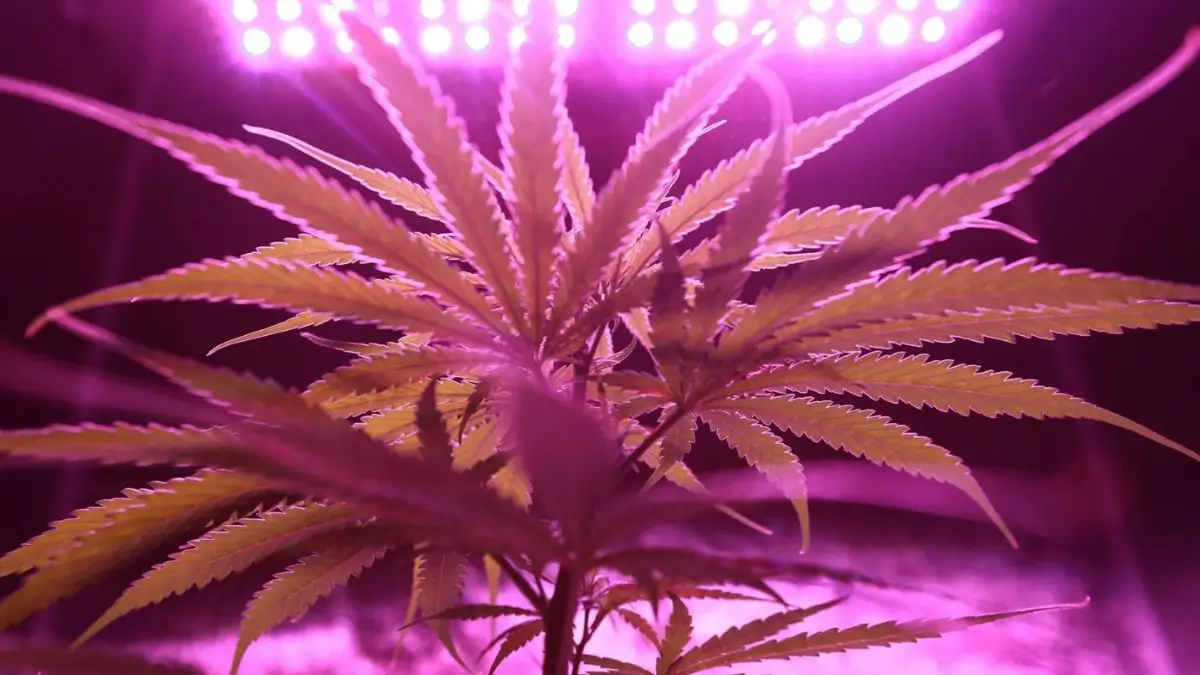
Photo by Washarapol D Binyo Jundang from Pexels
Before deciding to grow CBD at home, it’s important to assess whether it fits your personal goals and circumstances. Growing your own CBD can be rewarding for some, but the challenges—legal, financial, and practical—may outweigh the benefits for others. Here are some key factors to consider when determining if growing CBD is the best choice for you.
Personal Use
If your primary goal is growing CBD for personal use, small-scale cultivation might be sufficient. This can be particularly appealing for individuals who use CBD for health and wellness, such as managing anxiety, pain, or sleep issues. By growing at home, you can control what goes into your plants, ensuring organic, chemical-free CBD. However, growing plants from seed to harvest is labor-intensive, and getting consistent, high-quality results isn’t guaranteed.
Medical Use
For those relying on CBD for medical conditions, growing at home may not be the most reliable option. Professional-grade CBD products are typically produced with precise control over potency and purity, ensuring the consistency needed for medical use. Home-grown CBD, on the other hand, can vary in quality and may not deliver the same therapeutic effects. In this case, buying from a trusted supplier may be more practical.
Small-Scale Production
If you’re considering growing CBD as a business, be prepared for stricter regulations. Commercial cultivation requires licensing and compliance with both state and federal laws, which can be time-consuming and costly. Additionally, the competition with established CBD companies can make it difficult for small-scale growers to compete in terms of price, quality, and distribution. While small-scale production is possible, it’s a much more complex venture than personal growing.
Wrapping Up
Yes, you can grow CBD at home, but it’s not without its challenges. While it might seem appealing to have your own supply, growing CBD requires attention to detail. You need to meet specific environmental conditions, and there are legal complexities that differ by location. Moreover, the time and effort involved are considerable, especially if you want a consistent, high-quality yield.
For most people, purchasing CBD from a trusted supplier is the more convenient and reliable option. Professionally grown CBD undergoes testing and meets quality standards, saving you the hassle of cultivation while ensuring you get the best product available.
FAQs: Growing CBD at Home
1. Is it legal to grow CBD at home?
Yes, but the legality varies depending on where you live. In the U.S., each state has its own regulations on hemp cultivation. Some states allow it under strict guidelines, while others may require licenses or prohibit it entirely. It’s crucial to check both state and federal laws before starting.
2. What are the costs involved in growing CBD at home?
The initial costs can be significant, especially for indoor growers who need equipment like lights, ventilation systems, and humidity control. Outdoor growers may face expenses for fencing and plant protection. Ongoing costs like water, nutrients, and potential extraction equipment add to the financial commitment.
3. How much time does it take to grow CBD?
Growing CBD is not a quick process. It requires daily attention from planting to harvesting, which can take several months. Additionally, if you plan to extract CBD oil, that involves another labor-intensive step, making the entire process time-consuming.
4. Is it better to grow CBD at home or buy it from a retailer?
While growing CBD at home gives you control over the process, it comes with legal, financial, and quality challenges. For most people, buying from trusted retailers is a better option, as it ensures high-quality, tested products without the hassle of cultivation.