
Absorption Rate of CBD Oil vs. CBD Gummies vs. CBD Capsules
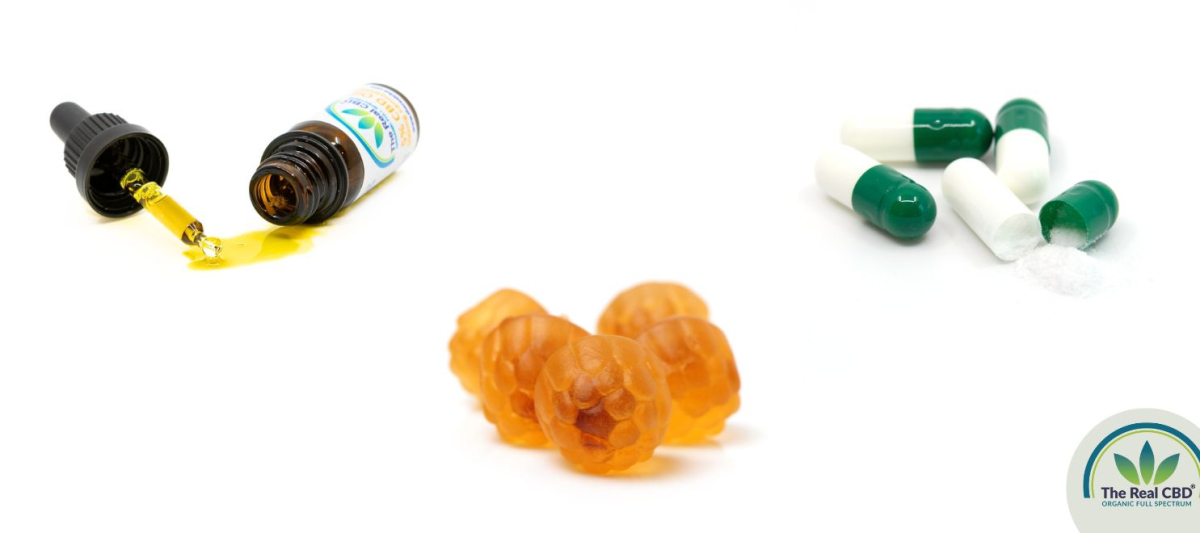
When you’re investing in CBD products, you want to know you’re getting the most out of them, right? One of the biggest questions that savvy users ask is: “Which form gives me the best absorption?” Whether you’re using CBD for anxiety, pain relief, or just to support your overall wellness, the form in which you take CBD can seriously impact how much your body actually absorbs—and how fast.
In this guide, we’ll break down the absorption rates of CBD oil, CBD gummies, and CBD capsules, and help you figure out which one might be best for your needs. We’ll talk bioavailability (in plain English), speed, effectiveness, and how to get the biggest bang for your CBD buck.
Let’s dive in.
Estimated reading time: 0 Minuten
- What Is Absorption Rate (And Why Should You Care)?
- Quick Overview of CBD Forms
- How CBD Oil Works in the Body
- How CBD Gummies Work in the Body
- How CBD Capsules Work in the Body
- CBD Oil vs. Gummies vs. Capsules: Bioavailability Breakdown
- Which CBD Form Is Best for You?
- Can You Increase the Absorption Rate?
- Why the Type of CBD Matters Too
- Quality Makes a Huge Difference
- A Note on Nano CBD (Bonus Insight)
- Final Thoughts: So, Which One Should You Choose?
- Frequently Asked Questions (FAQ)
What Is Absorption Rate (And Why Should You Care)?
Absorption rate, also known as bioavailability, refers to how much of a substance actually enters your bloodstream when you consume it. When it comes to CBD, this matters a lot—because if your body only absorbs 10% of what you’re taking, you’re not getting full value from your product.
Different methods of taking CBD mean different levels of bioavailability. Some forms are like a bullet train into your bloodstream, others take the scenic route. Let’s look at what that means in practice.
Quick Overview of CBD Forms
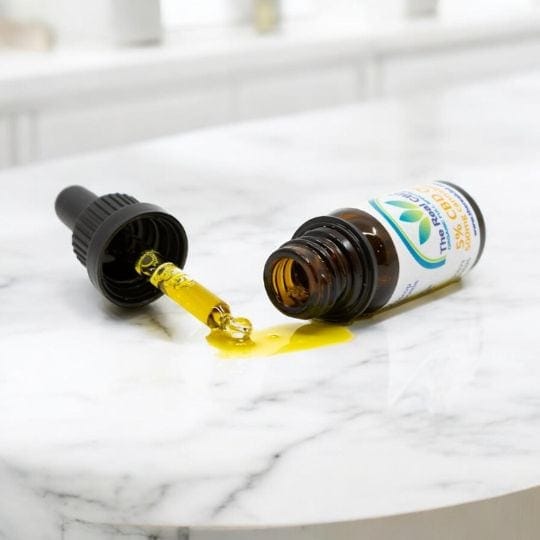
Before we dive deep, here’s a simple breakdown of the three forms we’re comparing:
- CBD Oil (Sublingual use) – Dropped under the tongue and absorbed through mucous membranes.
- CBD Gummies – Eaten and processed by the digestive system.
- CBD Capsules – Swallowed and absorbed in the gut, similar to gummies but without the chewing.
Each method has its pros and cons, depending on what you’re looking for.
How CBD Oil Works in the Body
CBD oil is typically used sublingually—which is just a fancy way of saying you put it under your tongue and let it absorb for 60-90 seconds before swallowing.
This bypasses the digestive system and sends CBD directly into your bloodstream through the tiny blood vessels under your tongue.
💡 Average Absorption Rate of CBD Oil:
20% to 35%
That’s significantly higher than when you swallow CBD, making oil one of the most efficient ways to take it.
🕒 Time to Feel Effects:
15 to 30 minutes
If you need fast relief—say for anxiety, sudden pain, or sleep issues—CBD oil is your best friend.

How CBD Gummies Work in the Body
CBD gummies are edibles, which means they need to go through your digestive system and be processed by the liver before the CBD enters your bloodstream.
This process, known as first-pass metabolism, significantly reduces how much CBD actually makes it into your system.
💡 Average Absorption Rate of CBD Gummies:
10% to 20%
So if you eat a gummy with 25mg of CBD, your body might only absorb 2.5–5mg.
🕒 Time to Feel Effects:
45 to 90 minutes
The upside? Gummies provide longer-lasting effects—up to 6-8 hours in some cases. They’re also discreet, tasty, and easy to dose.
How CBD Capsules Work in the Body
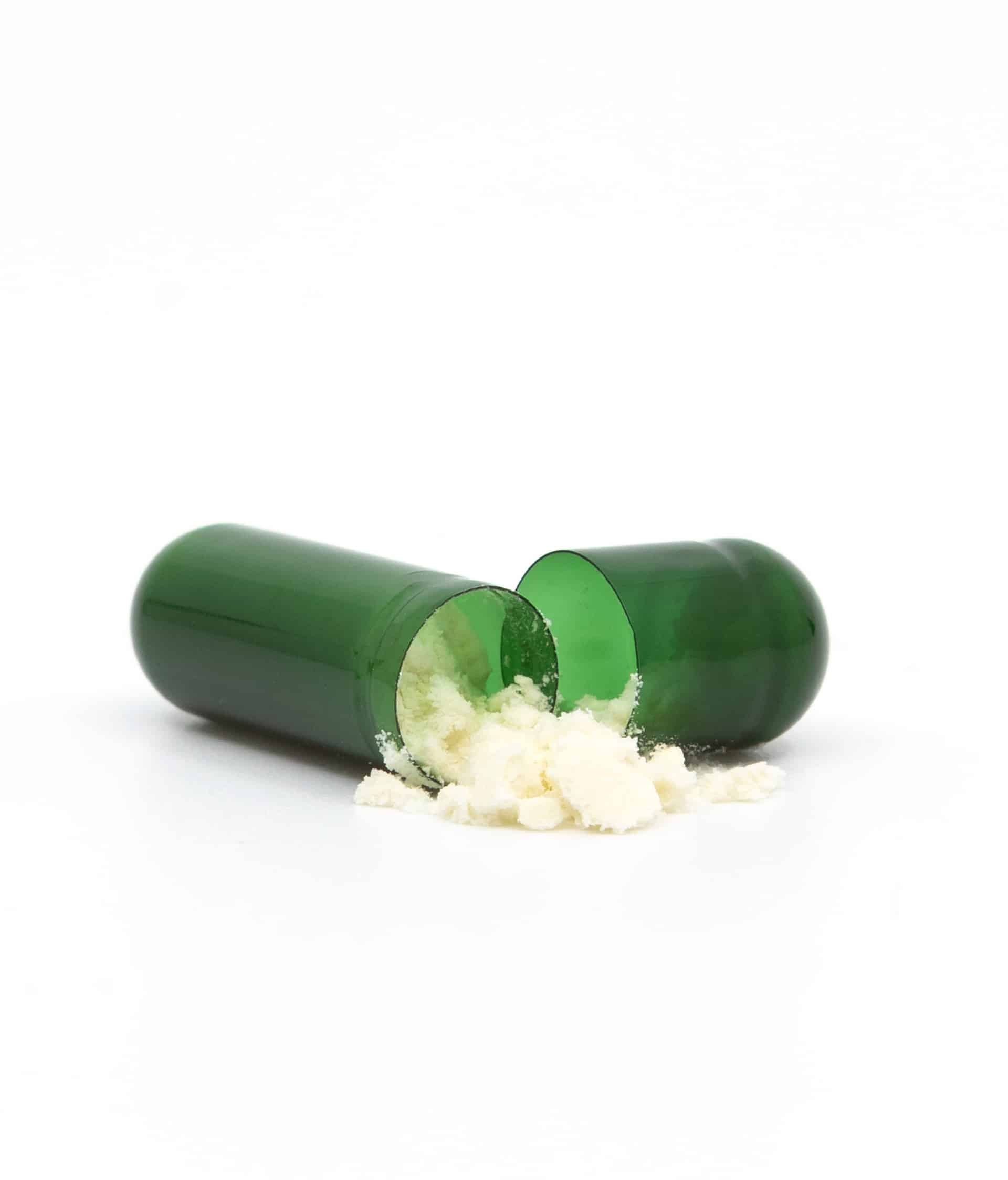
CBD capsules are similar to gummies in that they’re swallowed and processed by the liver. They also go through first-pass metabolism, which reduces bioavailability.
The main difference is that capsules are odorless, tasteless, and easier to take if you’re already used to pills.
💡 Average Absorption Rate of CBD Capsules:
10% to 20%
Same ballpark as gummies, with slightly more consistency in dosage.
🕒 Time to Feel Effects:
60 to 90 minutes
Capsules are a great option for people who want a measured dose with no mess or fuss.
CBD Oil vs. Gummies vs. Capsules: Bioavailability Breakdown
Here’s a quick snapshot to compare the three methods side-by-side:
| Form | Absorption Rate | Time to Effects | Duration of Effects | Ease of Use | Taste |
| CBD Oil | 20–35% | 15–30 minutes | 2–4 hours | Moderate | Earthy/Hemp-y |
| CBD Gummies | 10–20% | 45–90 minutes | 6–8 hours | Very Easy | Sweet/Tasty |
| CBD Capsules | 10–20% | 60–90 minutes | 6–8 hours | Very Easy | Neutral |
Which CBD Form Is Best for You?

Let’s break this down based on different user goals:
🧠 If You Want Fast Relief (Anxiety, Stress, Panic Attacks):
Go for CBD oil. Its rapid absorption means it kicks in quickly when you need it most.
💤 If You Want Long-Lasting Effects (Sleep, Chronic Pain):
Gummies or capsules are great for this. They take longer to kick in, but they’ll stick around for a while.
🎯 If You Want Consistent Dosing (Supplements, Daily Use):
Capsules are ideal—no mess, no guesswork, just pop and go.
🍬 If You Hate the Taste of Hemp:
Gummies win hands down. They’re like your daily wellness treat.
More about CBD
- FAQ – CBD Oil
- How to store your CBD oil!
- What does CBD Gummies do?
- CBD Gummies for Chronic Tailbone Pain Relief
- CBD Oil vs. CBD Gummies
- CBD capsules changed my life
- CBD Powder Capsules Guide: What you Must Know!
Can You Increase the Absorption Rate?

Yes! Here are some quick tips to boost bioavailability, no matter which form you choose:
- Take with fatty foods: CBD is fat-soluble, so taking it with a healthy fat (like avocado, nuts, or olive oil) can help your body absorb more.
- Hold CBD oil under your tongue longer: Give it time to soak in before swallowing.
- Stay consistent: Your endocannabinoid system works best when CBD builds up over time.
Why the Type of CBD Matters Too
The type of CBD in your product can also influence how well it’s absorbed:
- Full-spectrum CBD contains all cannabinoids and terpenes, which may enhance absorption through the “entourage effect.”
- Broad-spectrum CBD has most of the plant compounds, minus THC.
- CBD isolate is pure CBD and may have lower overall effectiveness due to the lack of supporting compounds.
So, when choosing your form, also consider the type of extract.
Quality Makes a Huge Difference
Don’t overlook this: the quality of the product impacts how much CBD your body can absorb. Look for:
- Third-party lab tested products
- Organic hemp
- No fillers or synthetic additives
- Clear labeling of CBD content
Cheap CBD usually means poor absorption—and sometimes, no CBD at all.

A Note on Nano CBD (Bonus Insight)
Some newer products claim to use nano-emulsified CBD or water-soluble CBD, which are broken down into tiny particles for faster, better absorption.
Early research suggests nano CBD may offer absorption rates of 40-50% or more. However, this tech is still developing, and not all “nano” products are created equal. Be sure to check the credentials of any brand making these claims.
Final Thoughts: So, Which One Should You Choose?
If you want quick relief and higher absorption, go with CBD oil.
If you want ease of use and long-lasting effects, choose gummies or capsules.
Ultimately, it depends on your lifestyle, goals, and preferences. Some people even combine products—oil in the morning, gummies at night—to get the best of both worlds.
The key is to listen to your body and stay consistent. Quality CBD—taken in the right form—can genuinely support your health and well-being.
Frequently Asked Questions (FAQ)
Absorption rate, also called bioavailability, refers to the percentage of CBD that actually makes it into your bloodstream. The higher the rate, the more effective the product is—because more CBD gets used by your body.
CBD oil generally has the highest absorption rate, averaging 20–35% when taken under the tongue. Gummies and capsules both have lower rates, typically around 10–20% due to digestion and liver processing.
CBD oil is taken sublingually (under the tongue), allowing it to bypass the digestive system and enter the bloodstream directly. This leads to faster and more efficient absorption.
Gummies and capsules tend to offer longer-lasting effects, typically up to 6–8 hours. CBD oil’s effects usually last 2–4 hours.
Not necessarily. Gummies have lower bioavailability but can still be very effective, especially for long-lasting relief. Plus, they’re easy to use, taste great, and provide consistent dosing.

I am a certified expert in Medicinal Cannabis. We are all about giving correct and trustworthy information. We know how important it is to learn about CBD and cannabis, which is why we want to be your go-to source for trustworthy information. We help you improve your health by using our knowledge and experience as a starting point.













Leave a Reply
Want to join the discussion?Feel free to contribute!