
CBD Oil for Trigeminal Neuralgia Symptom Relief: Can It Really Help?

Living with trigeminal neuralgia can feel like your face is being zapped by unpredictable electric shocks—sudden, sharp, and absolutely exhausting. Many people call it one of the most painful conditions known to medicine, and if you’re reading this, you probably already understand why.
So, where does CBD oil fit into the picture? Can this natural extract genuinely offer relief? Or is it just another wellness trend?
Think of CBD as a gentle “calming signal” to a nervous system that’s firing off chaotic alarms. Instead of pushing your body with harsh pharmaceuticals, CBD works more like a supportive friend—trying to balance things out from within.
This guide unpacks everything in a clear, down-to-earth way: what the science says, how people use CBD oil for trigeminal neuralgia symptom relief, safety tips, and what to expect.
Let’s dive in.
Estimated reading time: 8 Minuten
- 1. Understanding Trigeminal Neuralgia
- 2. What Is CBD Oil?
- 3. How CBD Interacts With the Nervous System
- 4. Why People Use CBD Oil for Trigeminal Neuralgia Symptom Relief
- 5. Scientific Research & Evidence
- 6. Types of CBD Oil: Which Works Best?
- 7. How to Use CBD Oil for Nerve Pain
- 8. Recommended Dosages
- 9. Potential Side Effects & Safety Considerations
- 10. CBD vs Common Prescription Options
- 11. Can CBD Replace Medication?
- 12. Real-World Experiences & Testimonials
- 13. Tips for Choosing High-Quality CBD Oil
- 14. Lifestyle Habits That Support Pain Relief
- 15. Final Thoughts & Conclusion
- FAQs
1. Understanding Trigeminal Neuralgia

Trigeminal neuralgia (TN) is a chronic nerve pain condition affecting the trigeminal nerve—the one responsible for sensations in your face.
When this nerve misfires, even simple things like brushing your teeth, chewing food, or a soft breeze on your cheek can trigger intense bursts of pain.
1.1 What Causes It?
Common reasons include:
- Compression of the nerve by a blood vessel
- Multiple sclerosis
- Nerve damage
- Injury or dental trauma
Sometimes no clear reason is found.
1.2 What Does It Feel Like?
People describe the pain as:
- Electric shocks
- Stabbing sensations
- Burning or shooting pain
- Sudden waves of discomfort
Episodes may last seconds but can repeat hundreds of times a day.
2. What Is CBD Oil?

CBD (cannabidiol) comes from the hemp plant and is non-intoxicating—meaning it won’t make you feel “high.”
CBD oil is simply CBD extract mixed with a carrier oil (like MCT or hemp seed oil). It’s widely used for:
- Pain
- Anxiety
- Sleep
- Inflammation
- Neurological issues
3. How CBD Interacts With the Nervous System
CBD works with your endocannabinoid system, a natural balancing network in your body that regulates:
- Pain signals
- Mood
- Sleep
- Immune function
Think of this system as your body’s “internal dimmer switch.” When pain sensations become too loud, CBD may help turn the volume down.
3.1 CBD’s Key Actions
Research suggests CBD may:
- Reduce inflammation around nerves
- Decrease hyperactive pain signals
- Help prevent nerve over-firing
- Support muscle relaxation
This is why CBD is being explored for many neuropathic (nerve-related) conditions.
4. Why People Use CBD Oil for Trigeminal Neuralgia Symptom Relief
TN involves irritated or overactive nerves. CBD has shown potential in calming nerve pathways and reducing inflammation—two major contributors to TN pain.
Some people report:
- Fewer flare-ups
- Less severe shocks
- Longer pain-free periods
- Better sleep
- Reduced anxiety around attacks

While not a cure, CBD may help improve overall comfort and daily functioning.
5. Scientific Research & Evidence
Although research specifically on trigeminal neuralgia is limited, several studies support CBD’s neuropathic pain-relieving abilities.
5.1 Notable Research
- A 2020 review in Frontiers in Pharmacology found cannabinoids showed promise for treating chronic neuropathic pain.
➤ https://www.frontiersin.org/articles/10.3389/fphar.2020.00178/full - Studies on multiple sclerosis (a common cause of TN) show CBD may reduce nerve pain and muscle spasms.
➤ https://pubmed.ncbi.nlm.nih.gov/28799308/ - Animal studies suggest CBD reduces inflammation and alters pain pathways in the brain and spinal cord.
➤ https://pubmed.ncbi.nlm.nih.gov/32534422/
5.2 What This Means for TN
While no large clinical trial exists specifically for trigeminal neuralgia yet, the mechanism of nerve pain relief is promising—and often reported anecdotally by users.
Related Content
6. Types of CBD Oil: Which Works Best?
6.1 Full-Spectrum CBD
Contains CBD + other cannabinoids + terpenes.
This creates the “entourage effect,” meaning cannabinoids work better together.
Best option for nerve pain.

6.2 Broad-Spectrum CBD
Similar to full-spectrum but with zero THC.
6.3 CBD Isolate
Only CBD, no other compounds.
Least effective for TN, but still helpful for sensitive users.
7. How to Use CBD Oil for Nerve Pain
Sublingual (under the tongue)
Fastest absorption
Effects felt in 20–30 minutes
Can help pain focused in one area, though TN is deep nerve pain, so results vary.
Slower release, lasts longer
Vaporising CBD
Very fast relief, but not suitable for everyone.
Most people start with oil drops for accuracy and consistency.
8. Recommended Dosages

Everyone responds differently, so start low and increase slowly.
Typical Starting Dosage:
- 10–20mg per day for beginners
- Increase to 40–60mg per day if needed
For severe nerve pain, some people use 100mg+ per day—but increase gradually.
Rule of thumb:
Start low, go slow, listen to your body.
9. Potential Side Effects & Safety Considerations
CBD is generally safe, but mild effects may include:
- Dry mouth
- Dizziness
- Fatigue
- Appetite changes
Important: Medication Interactions
CBD may interact with:
- Anticonvulsants (e.g., carbamazepine)
- Blood thinners
- Some antidepressants
Always check with a doctor.
10. CBD vs Common Prescription Options
| Medication | Pros | Cons |
| Carbamazepine | Often effective | Side effects: dizziness, liver strain, fatigue |
| Gabapentin | Helps nerve pain | Weight gain, sedation |
| Surgery | Long-term relief | Risky, not guaranteed |
| CBD | Natural, fewer side effects | Not a guaranteed fix, needs consistency |
Many people use CBD alongside their prescription—never stop medication without medical guidance.
11. Can CBD Replace Medication?

Not usually at the start.
CBD is more often used as a supportive therapy, reducing reliance on medication over time with medical supervision.
Some individuals do eventually feel comfortable lowering their dosage of pharmaceuticals, but this should always be done safely with professional guidance.
12. Real-World Experiences & Testimonials
While not a cure, people commonly report:
- “My flare-ups are shorter and less intense.”
- “It takes the edge off the shock-like pain.”
- “I can sleep better, which helps my body cope.”
- “My anxiety around attacks is finally manageable.”
Everyone’s experience is different—but for many, CBD becomes a helpful tool in their pain-management toolkit.
13. Tips for Choosing High-Quality CBD Oil
Look for:
- Full-spectrum oil
- Third-party lab testing
- Organic hemp
- CO2 extraction
- Clear dosage information
Avoid:
- Cheap oils with unclear ingredients
- Products without lab test results
- Oils with artificial additives

Your body deserves the good stuff.
14. Lifestyle Habits That Support Pain Relief
CBD works even better when paired with healthy habits.
Helpful additions:
- Stress management
- Gentle stretching
- Soft chewing to avoid triggers
- Warm compresses
- Anti-inflammatory diet
- Adequate sleep
The goal is to reduce nerve irritation and improve overall balance.
15. Final Thoughts & Conclusion
CBD oil may offer meaningful support for trigeminal neuralgia symptom relief by calming nerve activity, reducing inflammation, and helping the body manage pain more naturally. Although it’s not a guaranteed solution—and certainly not a replacement for medical treatment—it’s a promising, gentle option that many people find helpful.
If you’ve been struggling and feel like you’ve tried everything, CBD could be worth exploring as part of a broader pain-management plan. Remember: start slow, choose quality, and give your body time to respond.
FAQs
Most people feel some relief within 20–40 minutes when using CBD oil under the tongue, but full benefits may take a few weeks of consistent use.
It varies. Some people see major improvement, while others experience milder symptoms rather than complete elimination.
Yes. Full-spectrum CBD contains additional cannabinoids and terpenes that boost pain-relieving effects.
Often yes, but check with your doctor because CBD may alter how certain medications are metabolised
Many start with 10–20mg per day and increase gradually up to 40–100mg depending on severity and personal response.
Recommended products for trigeminial neuralgia
-
60% CBD/CBDa paste – 6000mg CBD
Le prix initial était : £176.03.£125.73Le prix actuel est : £125.73. -
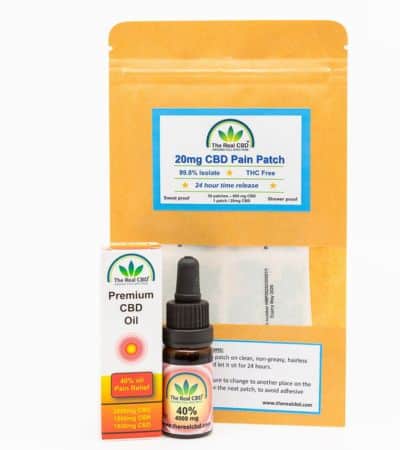
CBD Extreme Pain Pack
£125.73 -
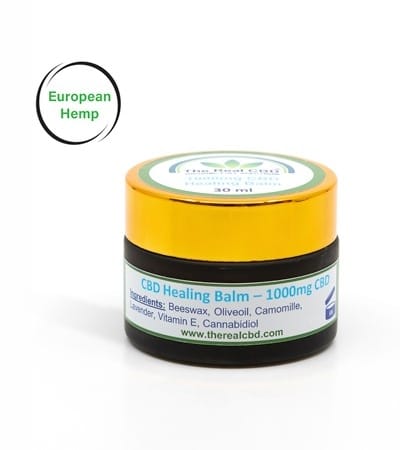
CBD Healing Balm 1000mg CBD
£54.48


I am a certified expert in Medicinal Cannabis. We are all about giving correct and trustworthy information. We know how important it is to learn about CBD and cannabis, which is why we want to be your go-to source for trustworthy information. We help you improve your health by using our knowledge and experience as a starting point.














Leave a Reply
Want to join the discussion?Feel free to contribute!