
CBD for Stress Response During Conflict Situations

Estimated reading time: 10 Minuten
Key Takeaways
- Conflict can lead to overwhelming stress, and many seek natural support like CBD for stress response during conflict situations.
- CBD, derived from hemp, does not cause a high and may help calm emotions and support the body’s stress response.
- Using CBD can promote emotional steadiness, reduce overthinking, and help with physical symptoms of stress like tension and headaches.
- People can use CBD before or after stressful conversations to enhance calm and focus during conflict situations.
- Safety is crucial; users should start with a low dose, consider potential side effects, and choose high-quality CBD products.
Conflict is part of life. Whether it shows up in the workplace, at home, in relationships, or during unexpected emergencies, stressful situations can leave us feeling overwhelmed, tense, and emotionally drained. In those moments, many people look for natural ways to support a calmer mind and steadier body. One topic that has gained significant attention is CBD for stress response during conflict situations.
But what exactly does that mean? Can CBD really help when emotions run high and the pressure feels unbearable?
In this article, we’ll explore how CBD may support the body’s natural stress response, why it has become popular among the general public, and how it may fit into a balanced wellness routine. Think of stress like a stormy sea—CBD may not stop the waves, but it might help you stay steadier in the boat.
- 1. Introduction to CBD and Stress
- 2. Understanding Conflict-Induced Stress
- 3. How the Body Responds to Conflict
- 4. What Is CBD?
- 5. How CBD May Support Stress Response
- 6. CBD and Emotional Balance
- 7. Physical Symptoms of Stress and CBD
- 8. Using CBD in Real-Life Conflict Situations
- 9. Choosing the Right CBD Product
- 10. How Much CBD Should You Take?
- 11. Safety, Side Effects, and Precautions
- 12. Lifestyle Tips to Combine with CBD
- 13. Myths and Misunderstandings
- 14. Final Thoughts
- 15. FAQs
1. Introduction to CBD and Stress

Let’s be honest—stress can hit hard. A difficult conversation with a partner, a tense meeting with colleagues, or even an argument with a friend can trigger a strong emotional and physical reaction.
Your heart races. The breathing changes. And your thoughts spiral.
This is where many people start searching for support, and CBD for stress response during conflict situations has become a growing area of interest.
CBD, short for cannabidiol, is a natural compound derived from the hemp plant. Unlike THC, it does not produce a “high.” Instead, it is widely used for its potential calming and balancing effects.
For many people, it has become part of a daily wellness ritual—almost like having an emotional umbrella ready before the rain begins.
2. Understanding Conflict-Induced Stress
Conflict stress is different from everyday pressure.
It often involves emotions such as:
- fear
- anger
- frustration
- uncertainty
- mental overload
When conflict appears, the mind can quickly shift into defense mode.
Have you ever replayed an argument in your head over and over again?
That mental loop is part of the body’s stress response.

Conflict can happen in many forms:
- family disagreements
- workplace disputes
- financial tension
- social confrontation
- crisis situations
The body often reacts before the mind fully processes what is happening.
3. How the Body Responds to Conflict
When you enter a conflict situation, your nervous system often activates the fight-or-flight response.
This natural survival system prepares your body to deal with danger.
Common symptoms include:
- increased heart rate
- tense muscles
- sweating
- shallow breathing
- racing thoughts
- irritability
- sleep disturbance
It’s like your body suddenly slams on the accelerator.
This response is useful in real danger, but in modern life, many conflicts are emotional rather than physical.
That’s why people often seek support for a healthier stress response.
4. What Is CBD?

CBD is one of many naturally occurring compounds found in the Cannabis sativa plant.
It interacts with the body’s endocannabinoid system (ECS), which plays a role in maintaining balance across several bodily functions, including:
- mood
- sleep
- stress regulation
- discomfort perception
- immune response
You can think of the ECS as the body’s internal balancing system.
When stress throws things off balance, CBD may help support the body’s efforts to return to a more stable state.
Popular forms of CBD include:
For stress support, oils and gummies are among the most commonly used.
5. How CBD May Support Stress Response
This is the big question: How can CBD help during conflict situations?
CBD may support the body in several ways.
A Sense of Calm
Many users report feeling calmer and more centred after taking CBD.
This doesn’t mean it erases emotions.
Instead, it may help reduce the intensity of the reaction.
Imagine turning the volume knob down on anxious thoughts.
The noise is still there, but it’s less overwhelming.
Supporting Nervous System Balance
CBD may interact with receptors involved in mood and stress signalling.
This may help support emotional resilience during tense moments.
Helping With Overthinking
Conflict often leads to repetitive thoughts.
CBD may help some people feel less mentally “stuck.”
6. CBD and Emotional Balance
Emotions can feel like wildfire during conflict.
One harsh comment can ignite frustration, sadness, or panic.

CBD may help support emotional steadiness, making it easier to respond thoughtfully rather than react impulsively.
Instead of snapping back in anger, some people feel more able to pause and think.
That pause can make all the difference.
After all, not every fire needs more fuel.
7. Physical Symptoms of Stress and CBD
Stress is not only emotional—it’s deeply physical.
Many people feel conflict in their body before they fully recognise it mentally.
Common physical signs include:
- tight shoulders
- clenched jaw
- headaches
- upset stomach
- chest tension
CBD may support physical relaxation, which can indirectly improve emotional wellbeing.
When the body feels calmer, the mind often follows.
It’s a bit like loosening a tightly knotted rope.
Related Content
8. Using CBD in Real-Life Conflict Situations

Let’s make this practical.
How might someone use CBD for stress response during conflict situations?
Before a Difficult Conversation
If you know a stressful discussion is coming, some people take CBD beforehand to support calm focus.
Examples:
- workplace performance reviews
- family discussions
- negotiations
- relationship conversations
After a Conflict
Sometimes the hardest part is what comes after.
The replaying.
The tension.
The sleepless night.
CBD may help support decompression after the emotional storm.
During High-Stress Environments
People in demanding roles—such as healthcare, customer service, leadership, and crisis response—may use CBD as part of a daily routine.
9. Choosing the Right CBD Product

Not all CBD products are created equal.
This is incredibly important.
Look for:
- third-party lab testing
- clear cannabinoid content
- THC compliance
- full-spectrum or broad-spectrum options
- trusted brand reputation
CBD Oil
Fast absorption and easy dose control.
CBD Gummies
Convenient and beginner-friendly.
CBD Capsules
Ideal for consistent daily dosing.
Full-Spectrum vs Broad-Spectrum
Full-spectrum CBD contains multiple cannabinoids and plant compounds.
Many users prefer this because of the entourage effect, where plant compounds work together.
10. How Much CBD Should You Take?

There is no universal perfect dose.
It depends on:
- body weight
- stress level
- metabolism
- product strength
- personal sensitivity
A common approach is:
start low and increase slowly
For example:
- 5–10 mg for beginners
- 15–25 mg for moderate support
- higher doses based on individual need
Consistency matters more than taking too much at once.
Think of it like watering a plant.
Too little may not help.
Too much is unnecessary.
The right amount supports healthy balance.
11. Safety, Side Effects, and Precautions
CBD is generally well tolerated by many adults.
Possible side effects may include:
- dry mouth
- drowsiness
- digestive upset
- mild dizziness

It’s also important to consider interactions with medications.
If you take prescription medicines, especially for mood, blood pressure, or sleep, it’s wise to speak with a healthcare professional first.
Natural doesn’t always mean risk-free.
12. Lifestyle Tips to Combine with CBD
CBD often works best as part of a broader wellbeing routine.
Here are supportive habits to combine with it.
- Deep Breathing – Slow breathing helps calm the nervous system.
- Sleep Support – Poor sleep makes conflict stress feel worse.
- Mindful Walking – Even a 10-minute walk after an argument can help reset the mind.
- Hydration and Nutrition – Stress drains the body.Fuel matters.
- Journaling – Writing down thoughts after a conflict can reduce mental looping.
CBD plus healthy habits often creates better long-term support than relying on one thing alone.
13. Myths and Misunderstandings

“CBD Will Make Me High”
No—CBD is non-intoxicating.
“CBD Fixes All Stress”
No supplement can remove life’s challenges. – CBD may support how you respond, but it does not solve the conflict itself.
“More Is Always Better”
Not true. – The right dose is personal.
14. Final Thoughts
Conflict is unavoidable, but suffering through the stress response doesn’t always have to be.
Using CBD for stress response during conflict situations may offer a natural way to support emotional balance, physical calm, and mental clarity.
It won’t remove difficult people, erase challenging conversations, or make life perfect.
But it may help you meet those moments with a steadier mind and a calmer body.
Sometimes, that small shift changes everything.
Instead of feeling swept away by the storm, you may feel more capable of steering through it.
And honestly, isn’t that what we all want in stressful moments?
15. FAQs
CBD may help support a calmer emotional response and reduce feelings of tension during stressful conversations.
CBD oil may be felt within 15–45 minutes, while gummies and capsules may take longer.
Many adults use CBD daily as part of their wellness routine, though it’s best to start with a low dose.
Some people feel relaxed, while others feel more balanced and focused. Effects can vary.
Many people prefer full-spectrum CBD oil for fast support and broader plant benefits.
CBD for Stress Response During Conflict Situations
-
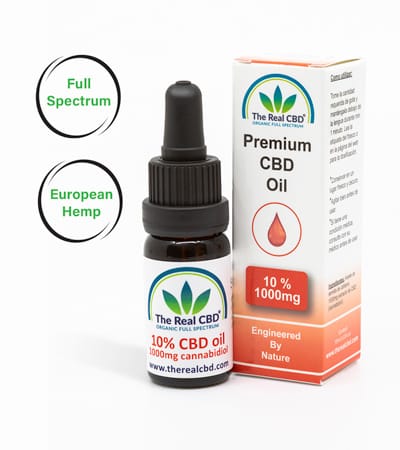
10% CBD oil
£37.72 -
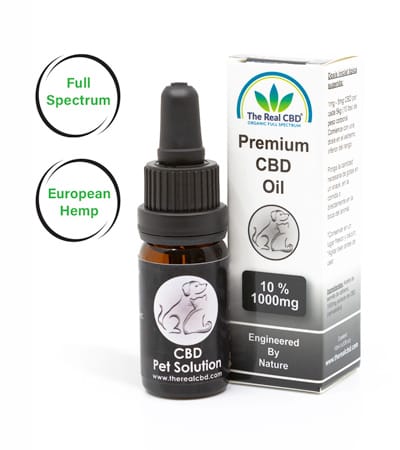
10% CBD oil for Pets
£37.72 -
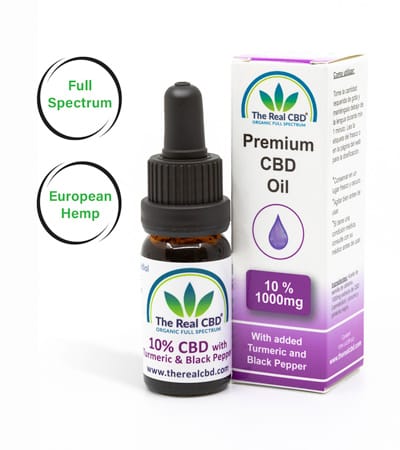
10% CBD oil with turmeric and black pepper
£37.72 -
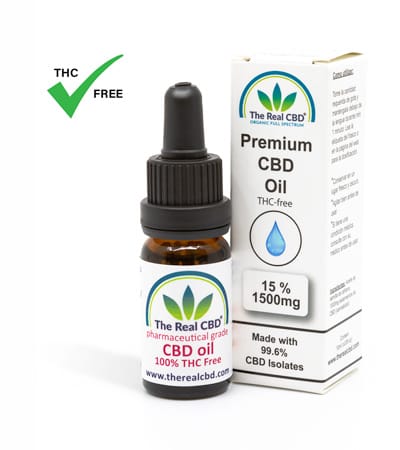
15% CBD oil – THC Free
£46.10 -
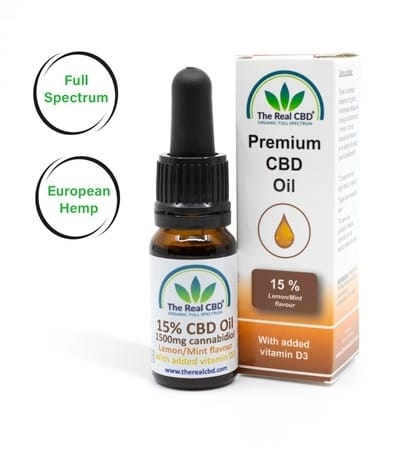
15% CBD oil with Vitamin D3
£54.48 -
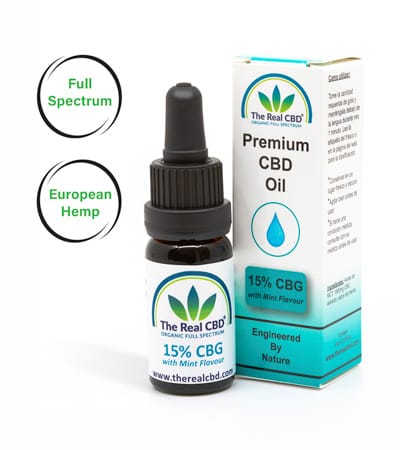
15% CBG Oil with mint taste
£99.75 -
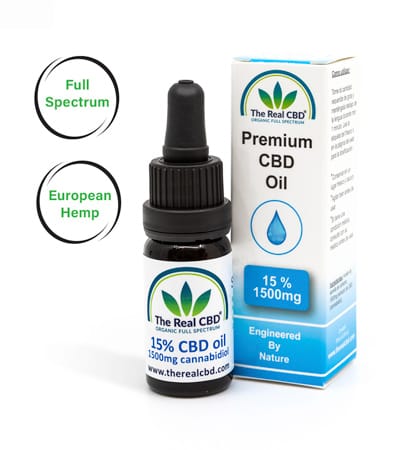
15% Pure CBD oil
£46.10 £54.48Preisspanne: £46.10 bis £54.48 -
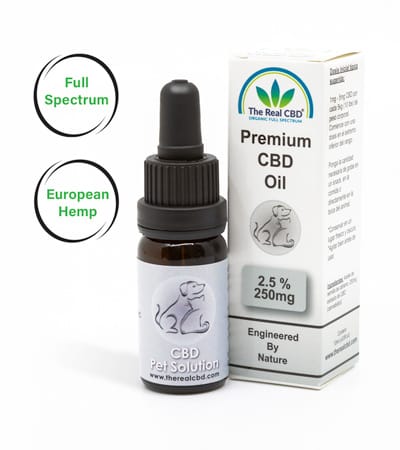
2.5% CBD oil for Pets
£12.57 -
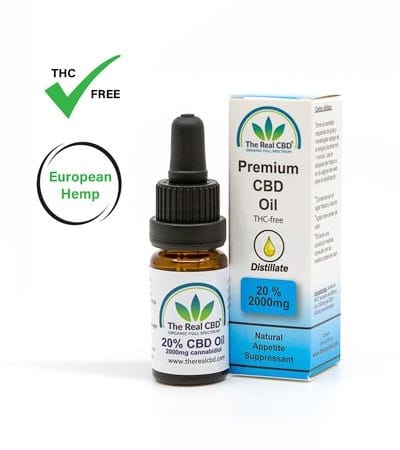
20% CBD oil – Distillate
£60.35

I am a certified expert in Medicinal Cannabis. We are all about giving correct and trustworthy information. We know how important it is to learn about CBD and cannabis, which is why we want to be your go-to source for trustworthy information. We help you improve your health by using our knowledge and experience as a starting point.













Leave a Reply
Want to join the discussion?Feel free to contribute!